11,824 people live in Soho, where the median age is 39 and the average individual income is $169,405. Data provided by the U.S. Census Bureau.
Total Population
Median Age
Population Density Population Density This is the number of people per square mile in a neighborhood.
Average individual Income
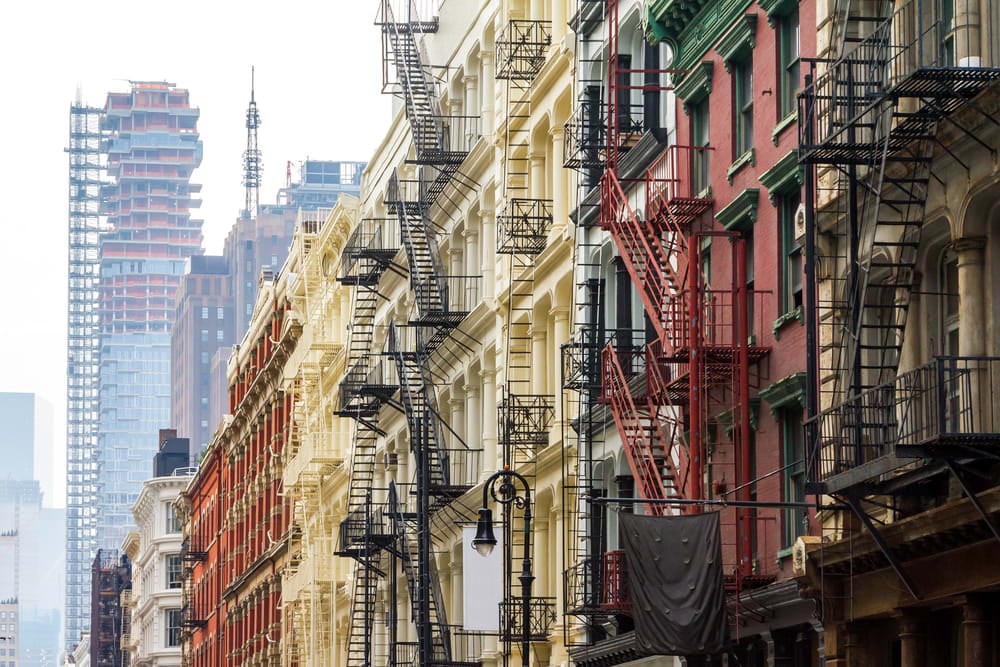
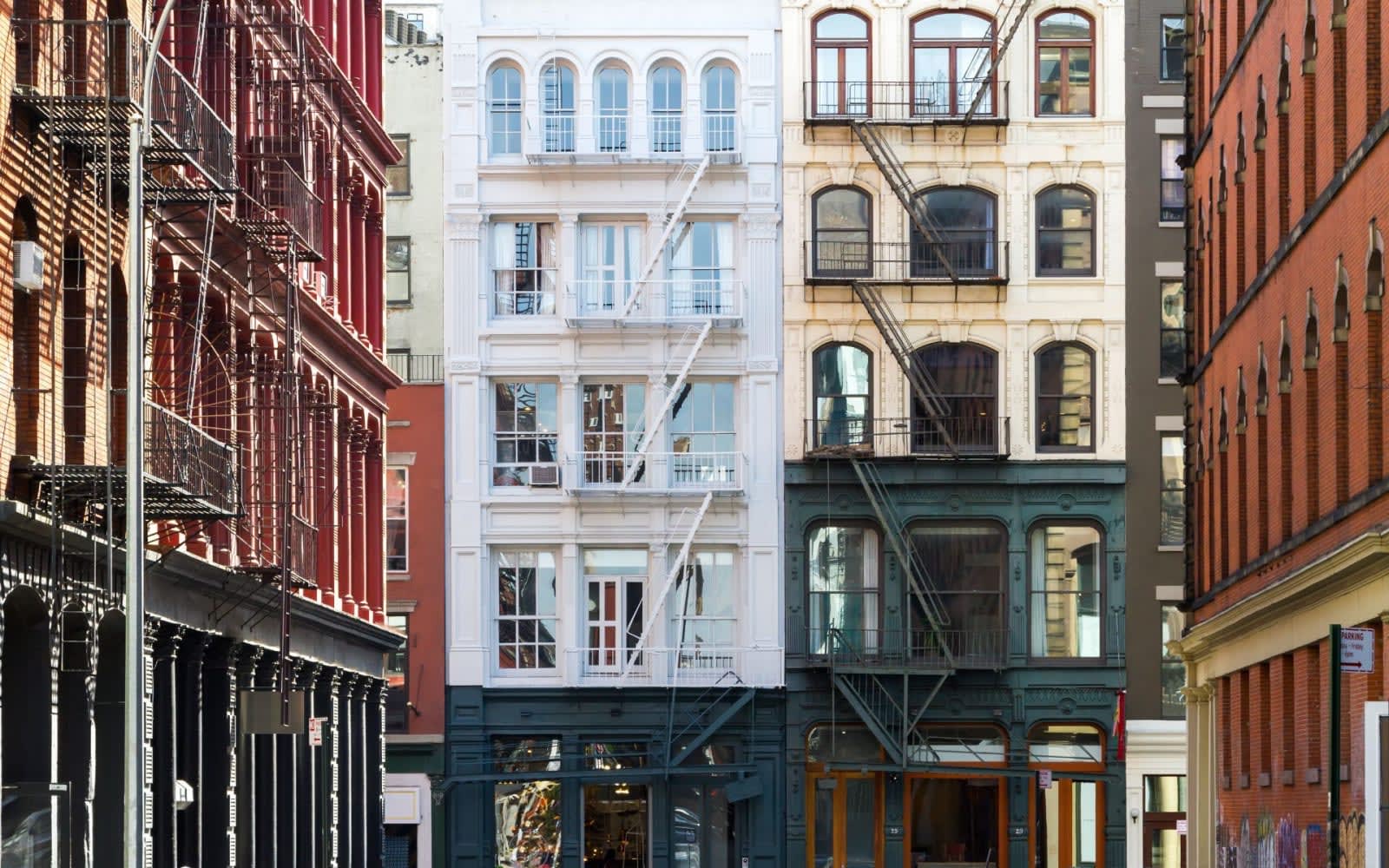
SoHo is one of Manhattan’s most iconic neighborhoods, known for its cast-iron architecture, expansive loft living and global reputation for fashion, art and culture. Located between Tribeca, Nolita and Greenwich Village, SoHo blends historic character with modern luxury. With cobblestone streets, designer boutiques and some of the city’s most distinctive residences, SoHo attracts creatives, entrepreneurs and buyers seeking architectural integrity, space and a central downtown lifestyle.
SoHo stands out for its architecture, energy and cultural legacy.
Residents love:
Landmark cast-iron buildings and historic districts
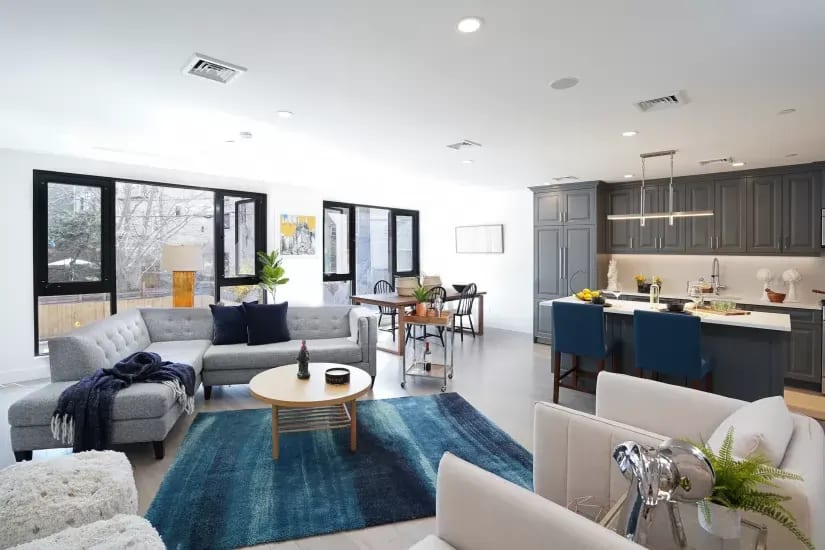
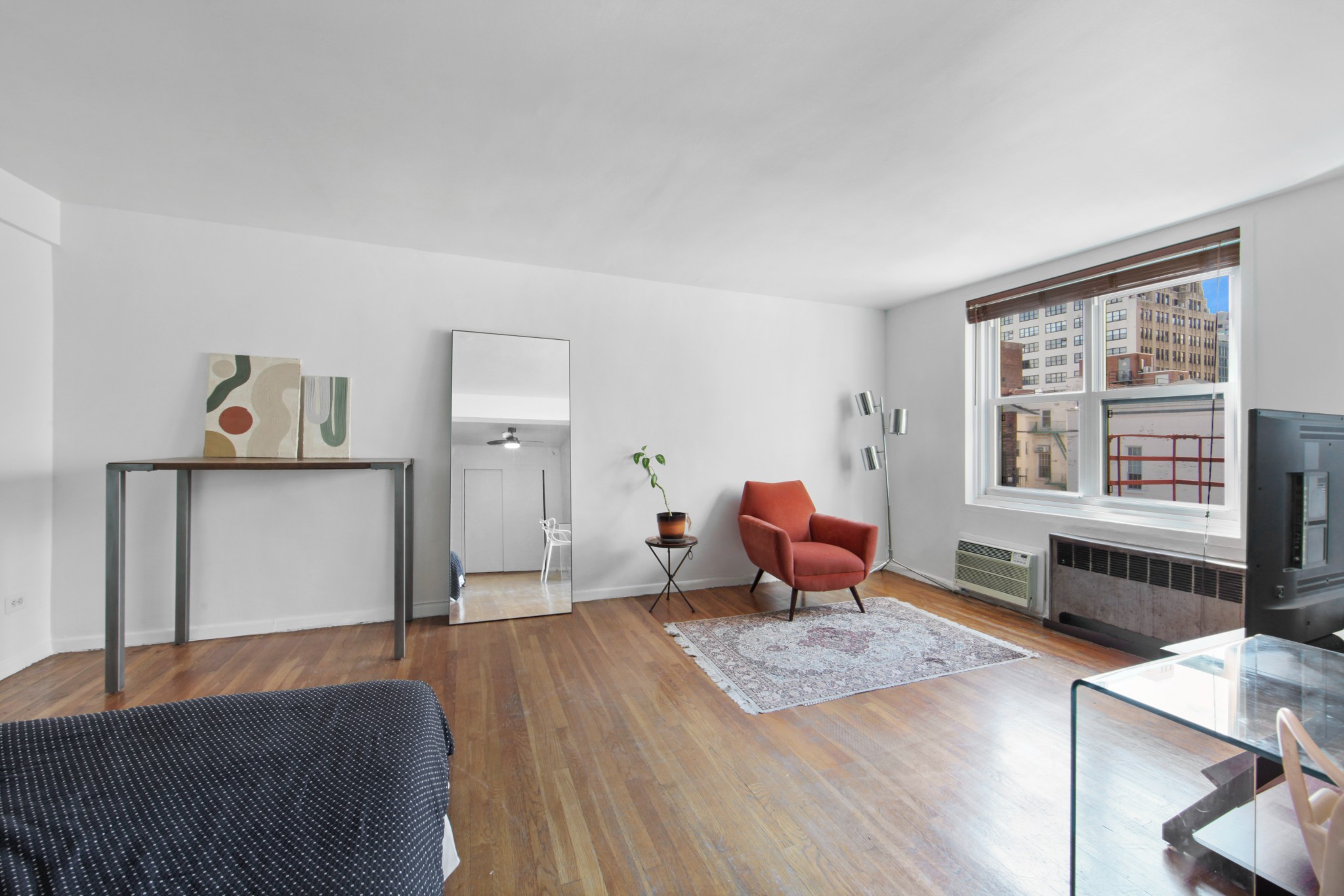
Spacious loft-style residences with high ceilings
Cobblestone streets and classic downtown character
World-renowned shopping and fashion brands
A strong arts and design heritage
Central location with easy access to multiple neighborhoods
A mix of residential calm and vibrant street life
SoHo offers a rare blend of authenticity and prestige.
Life in SoHo is stylish, creative and distinctly urban. Residents enjoy mornings in local cafés, afternoons browsing galleries or working from expansive lofts and evenings dining at acclaimed restaurants. The neighborhood feels lively during the day yet becomes quieter and more residential at night.
SoHo appeals to those who value design, individuality and a walkable downtown lifestyle with global influence.
Historic Loft Living best defines SoHo’s lifestyle. Originally an industrial district, SoHo pioneered the loft conversion movement that reshaped downtown Manhattan.
Lifestyle highlights include:
Open floor plans with oversized windows
Original architectural details like columns and exposed brick
Live-work flexibility within residential spaces
Boutique buildings with limited units
A strong sense of privacy within vibrant surroundings
SoHo delivers some of the most architecturally distinctive living spaces in New York City.
SoHo offers constant access to culture, shopping and dining.
Popular attractions include:
Designer boutiques and flagship stores along Broadway and Prince Street
Art galleries showcasing contemporary and modern works
Dining scene ranging from upscale restaurants to casual cafés
Cast-iron architecture walking tours
Nearby Nolita and Little Italy for additional dining and nightlife
Easy access to Hudson River Park and downtown waterfronts
Quick connections to Tribeca, NoLIta, West Village and Lower East Side
Everything is within walking distance.
SoHo is served by the New York City Department of Education, with access to public, private and charter schools throughout Lower Manhattan.
Education highlights include:
Well-regarded public elementary and middle schools nearby
Access to specialized high schools citywide
Private and independent schools in surrounding neighborhoods
Proximity to higher education institutions across Manhattan
Excellent transit access for flexible school options
Families benefit from downtown Manhattan’s broad educational reach.
SoHo’s history dates back to the 19th century as a manufacturing and warehouse district. In the mid-20th century, artists transformed these industrial spaces into live-work lofts, shaping SoHo’s identity as a center for creativity and urban reinvention.
Cultural characteristics include:
One of the world’s largest collections of cast-iron architecture
A legacy rooted in the arts, design and fashion
Preservation through landmark protections
A culture that values originality and expression
Global recognition as a New York icon
SoHo represents the intersection of history, creativity and luxury.
SoHo offers a limited and highly desirable residential inventory.
Common home types include:
Full-floor and duplex lofts
Boutique condominium residences
Co-op loft buildings
Live-work spaces with flexible layouts
Luxury conversions with modern amenities
Homes are defined by scale, light and architectural detail.
SoHo’s housing market is consistently competitive due to limited supply and global demand.
Current trends include:
Strong interest in authentic loft properties
Premium pricing for landmark buildings and full-floor units
Limited new development preserving long-term value
Continued appeal to domestic and international buyers
Long-term stability driven by scarcity and location
SoHo remains one of Manhattan’s most coveted real estate markets.
While compact, SoHo includes distinct micro-locations.
Notable areas include:
Cast-Iron Historic District – iconic buildings and quiet blocks
Broadway Corridor – retail energy and classic loft conversions
Prince Street Area – central access and architectural appeal
West SoHo Border – proximity to Tribeca and waterfront parks
East SoHo / Nolita Edge – dining, nightlife and boutique living
Each pocket offers a slightly different SoHo experience.
SoHo’s architectural significance, limited housing supply and global recognition create consistent buyer demand. Buyers often prioritize building authenticity, ceiling height and layout flexibility, while sellers benefit from rarity and strong market confidence.
Understanding landmark regulations, co-op and condo structures and true loft valuation is essential for successful real estate transactions in SoHo, New York.
Soho has 6,453 households, with an average household size of 2. Data provided by the U.S. Census Bureau. Here’s what the people living in Soho do for work — and how long it takes them to get there. Data provided by the U.S. Census Bureau. 11,824 people call Soho home. The population density is 47,499.745 and the largest age group is Data provided by the U.S. Census Bureau.
Total Population
Population Density Population Density This is the number of people per square mile in a neighborhood.
Median Age
Men vs Women
Population by Age Group
0-9 Years
10-17 Years
18-24 Years
25-64 Years
65-74 Years
75+ Years
Education Level
Total Households
Average Household Size
Average individual Income
Households with Children
With Children:
Without Children:
Marital Status
Blue vs White Collar Workers
Blue Collar:
White Collar: