19,698 people live in Tribeca, where the median age is 41 and the average individual income is $216,472. Data provided by the U.S. Census Bureau.
Total Population
Median Age
Population Density Population Density This is the number of people per square mile in a neighborhood.
Average individual Income
Downtown Manhattan Luxury Real Estate
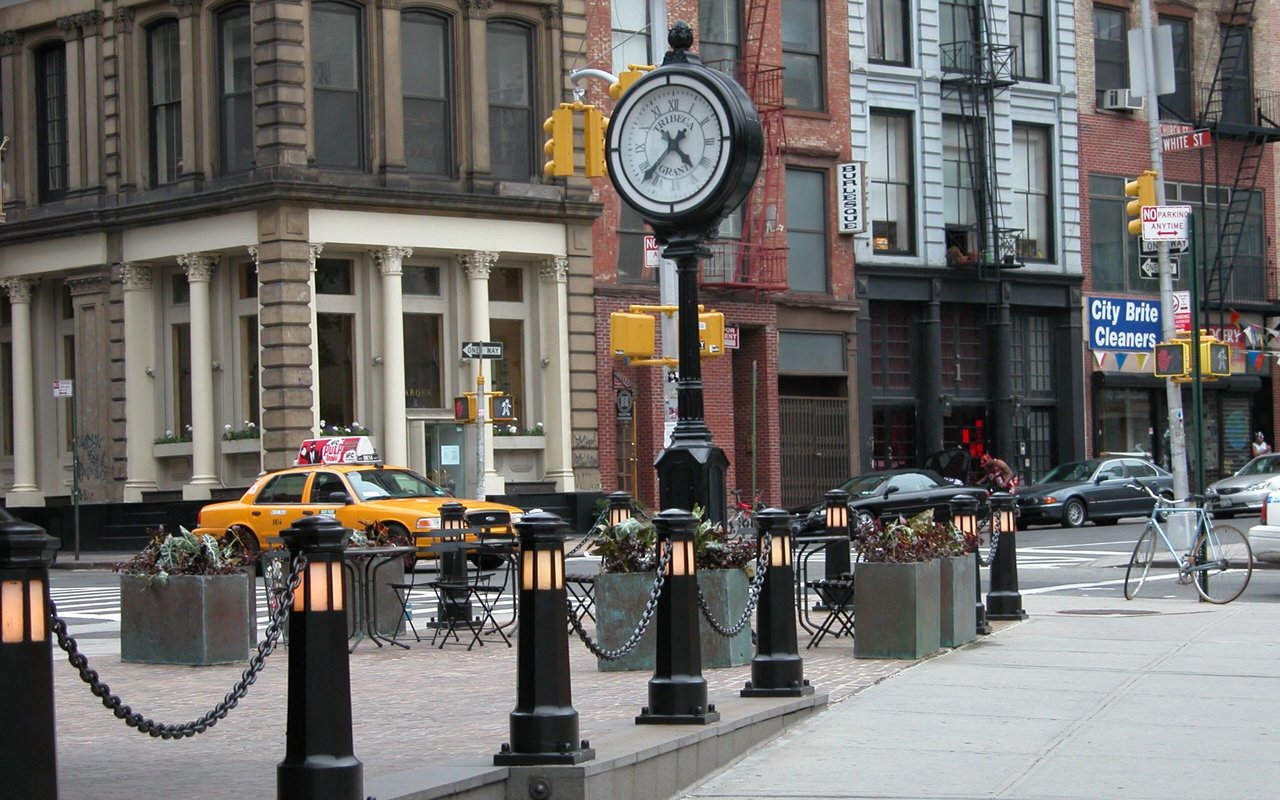
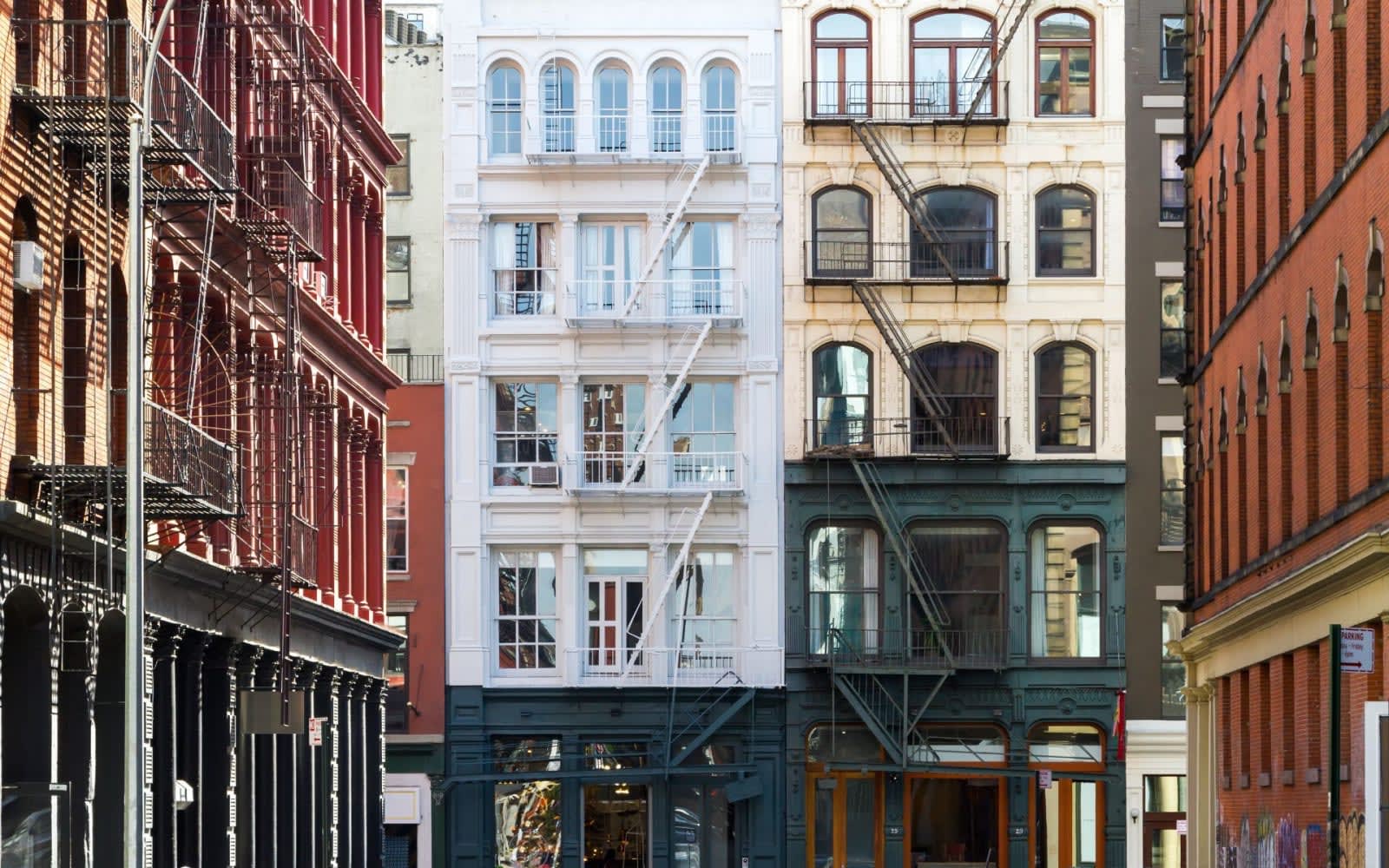
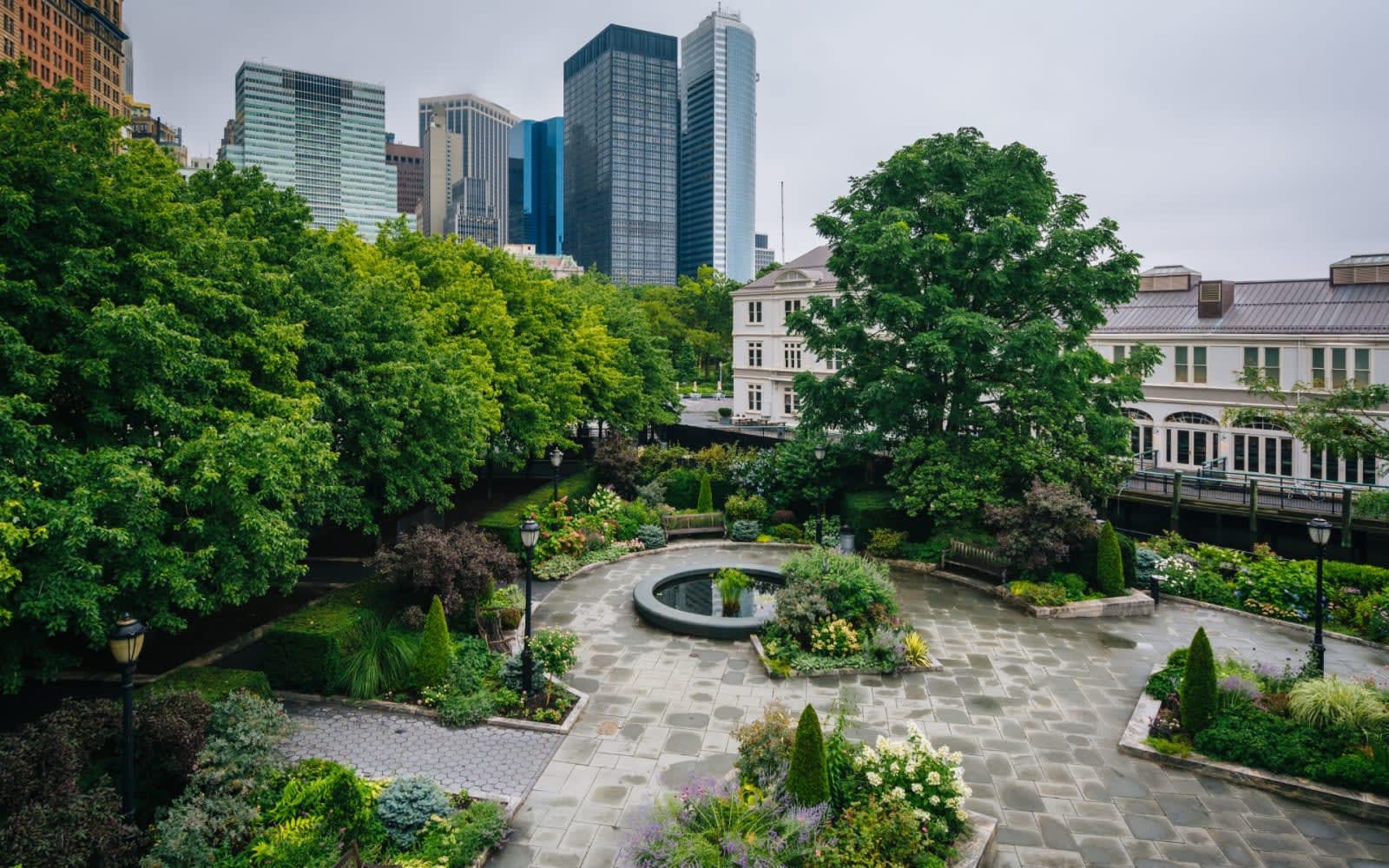
Exploring residential real estate in tribeca connects buyers with New York City’s most prestigious and sought-after enclave. Short for the "Triangle Below Canal Street," tribeca manhattan new york is bounded by Canal Street to the north, Vesey Street to the south, Broadway to the east, and the Hudson River to the west. Renowned for its historic cobblestone streets, industrial cast-iron architecture, and discrete luxury, tribeca new york offers an ultra-exclusive lifestyle paired with premier dining, top-ranked public schools, and direct access to Hudson River Park. From authentic 19th-century warehouse loft conversions with private key-locked elevator entry to soaring architectural icons like 56 Leonard, tribeca manhattan represents the pinnacle of Downtown Manhattan living.
Property Categories
Buyers searching across tribeca manhattan encounter a sophisticated architectural mix ranging from authentic pre-war industrial lofts to ultra-modern full-service luxury condominiums. Understanding the distinctions between cast-iron co-ops, white-glove condos, and rare single-family townhouses helps buyers target the right acquisition.
Property Category | Typical Price Range | Property Characteristics | Primary Buyer Profile |
|---|---|---|---|
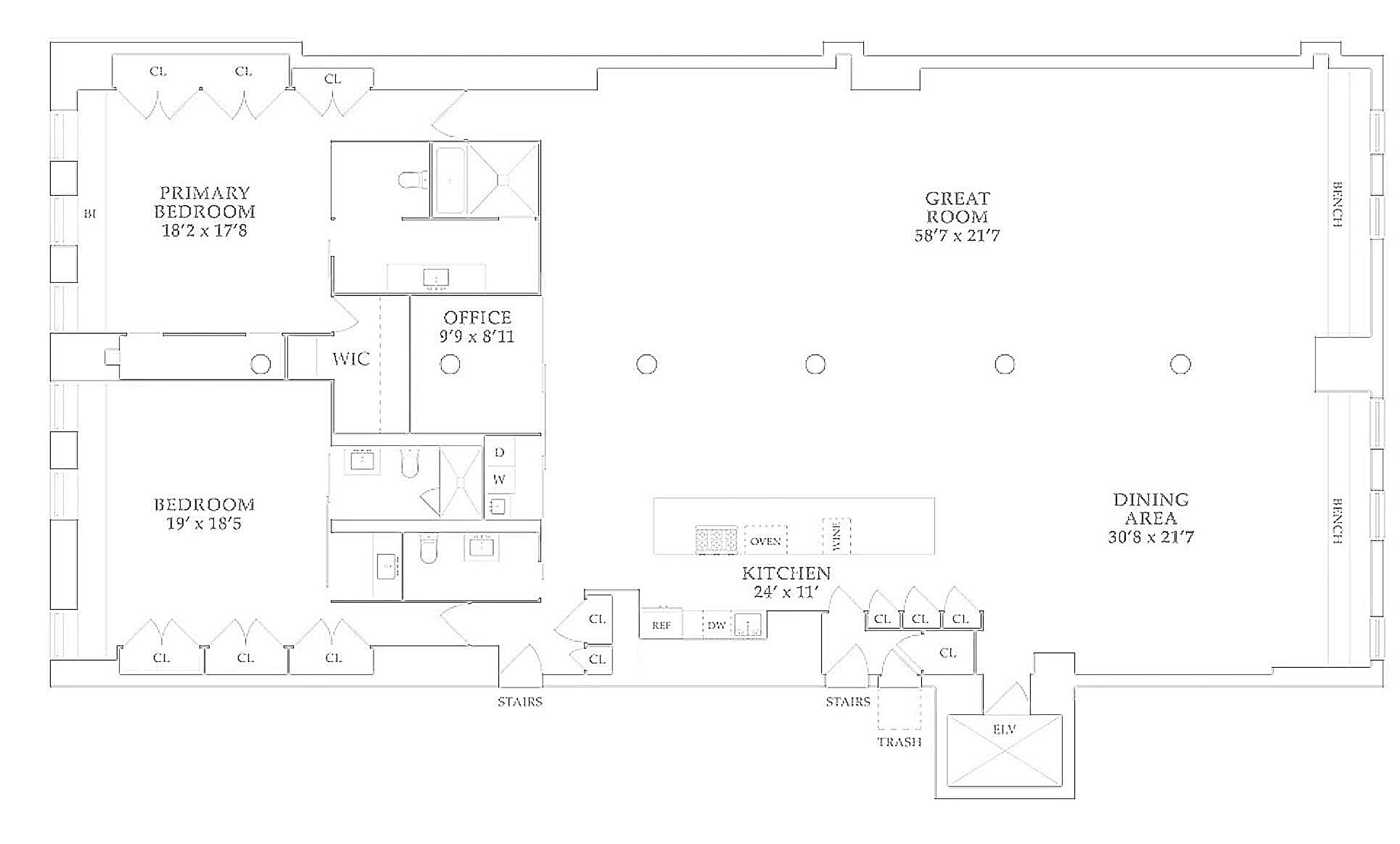
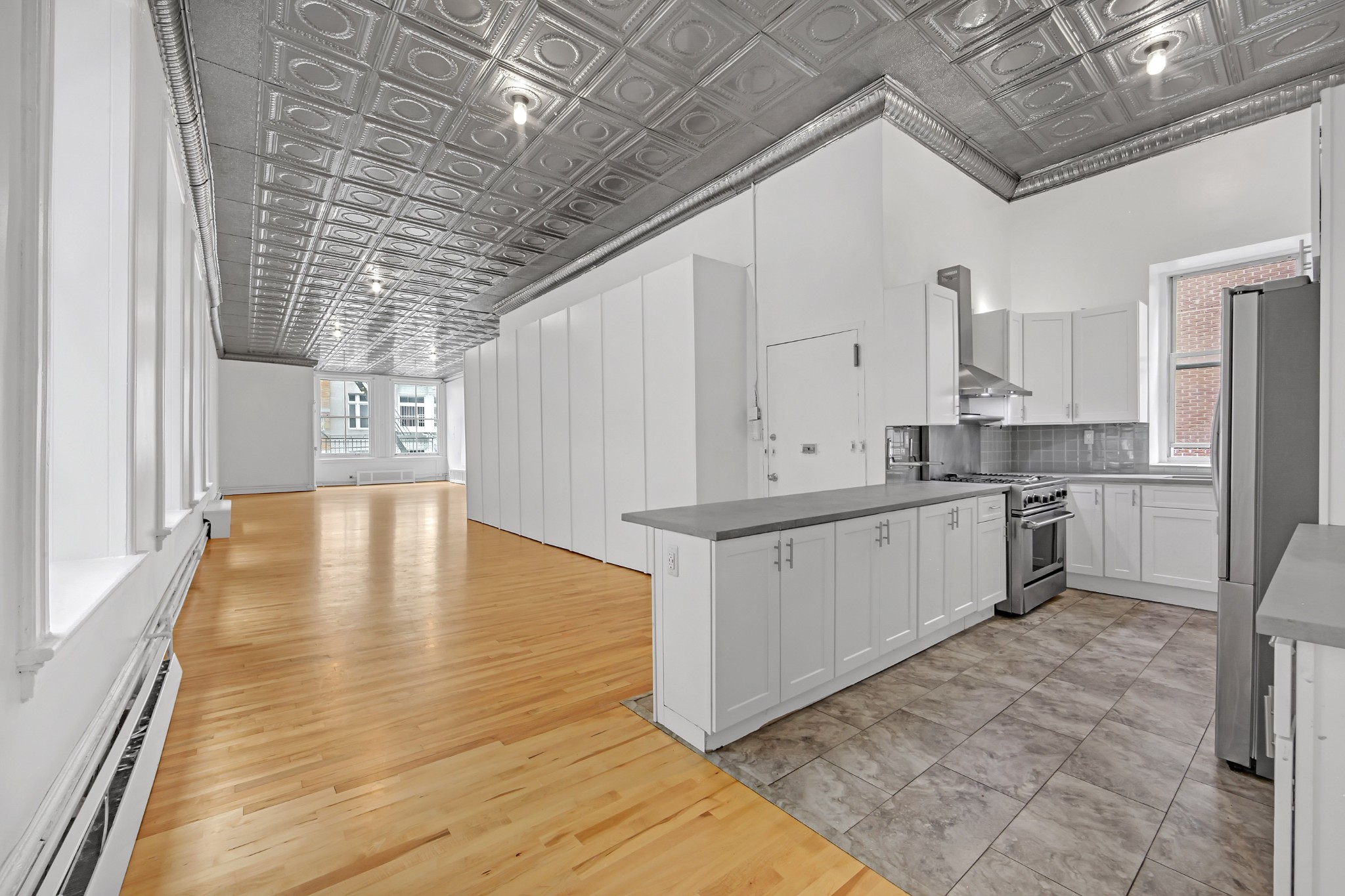
Authentic Pre-War Cast-Iron Lofts | $2,500,000 to $8,500,000 | High timber-beamed ceilings, exposed brick, original Corinthian columns, oversized windows, key-locked elevator access | Design connoisseurs, artists, and buyers seeking historic NYC character |
Ultra-Luxury New Development Condos | $4,500,000 to $25,000,000+ | Full-time doorman, porte-cochère entry, indoor pools, automated parking, floor-to-ceiling glass walls | Executive relocations, global investors, and high-net-worth buyers seeking privacy |
Penthouses & Multi-Level Compounds | $12,000,000 to $45,000,000+ | Private wraparound terraces, private plunge pools, panoramic skyline/river views, direct elevator access | Discreet luxury buyers and celebrity residents |
Historic Single-Family Townhouses | $15,000,000 to $35,000,000+ | 19th-century brick facades, 5–6 stories, private garden yards, private garage facilities, wine cellars | Families seeking maximum square footage and complete land ownership |
Micro-Market Sector Guide
Location within manhattan's tribeca shapes price per square foot, building density, street noise, and proximity to Hudson River Park. The neighborhood naturally divides into distinct micro-corridors.
Neighborhood Sector | Corridor Profile & Setting | Typical Price Band | Key Highlights & Vibe |
|---|---|---|---|
North Tribeca (Historic District) | Canal St to Beach St, West St to Hudson St; quiet, cobblestone streets, landmarked cast-iron warehouses | $2,200 to $3,200/SF | Harrison Street row houses, Greenwich Street dining, maximum privacy, historic charm |
Central Tribeca (Hudson & Franklin) | Beach St to Chambers St, West St to Church St; heart of the neighborhood's commercial and culinary scene | $1,900 to $2,800/SF | Locande Verde, Tribeca Grill, Duane Park, PS 234 district feed |
East Tribeca / Broadway Corridor | Church St to Broadway, Canal St to Chambers St; bustling urban feel bordering Soho and Chinatown | $1,500 to $2,200/SF | Near N/Q/R/W and 6 subway hubs, loft conversions, modern infill condos |
South Tribeca & Riverfront | Chambers St to Vesey St, West St waterfront; sweeping Hudson River views, family-centric green spaces | $1,800 to $2,900/SF | Hudson River Park Pier 25, Washington Market Park, Whole Foods Market, Brookfield Place access |
Downtown Real Estate Strategy
The real estate market in tribeca manhattan new york maintains its position as Manhattan’s highest price-per-square-foot residential district. Strict landmark protections across the historic districts limit new construction, resulting in tight resale inventory and sustained property value growth. High demand from finance, tech, and entertainment leaders ensures strong resale resilience regardless of broader economic shifts.
Turnkey lofts featuring modern mechanicals, high-end kitchen updates, and private outdoor space command immediate interest. Buyers seeking value can look to East Tribeca co-op lofts or upcoming conversion projects along the Broadway corridor.
Full financial pre-underwriting is essential before making offers in Tribeca. Co-op buyers should verify board liquidity standards (often requiring 1–2 years of post-closing reserves), while condo buyers should evaluate building sublet and pet policies.
Highlight original architectural elements—exposed brick, cast-iron columns, high ceiling heights—alongside smart-home technology and HVAC upgrades. Twilight photography and virtual staging maximize global digital engagement.
Full-service luxury condominiums in North and South Tribeca deliver reliable long-term capital appreciation and strong rental demand from corporate executives, with monthly rents exceeding $15,000 for 2-bedroom units.
Buyer Due Diligence
Purchasing property in tribeca new york involves specialized due diligence, particularly when navigating landmark historic district rules, NYC Landmarks Preservation Commission (LPC) guidelines, and co-op vs. condo board structures.
Key due diligence factors to evaluate during your purchase window include:
Downtown Manhattan Advisory · Living NY
With nearly two decades of high-level experience in Manhattan real estate, Kobi Lahav serves as Senior Managing Director at Living NY. Having successfully overseen thousands of transactions and hundreds of millions in sales volume across Downtown Manhattan, Kobi provides unparalleled market insight, strategic negotiation, and discreet advisory for buyers, sellers, and investors in Tribeca, Soho, Greenwich Village, and Chelsea.
Location FAQs
The median closed price for residential properties in Tribeca is approximately $4.25 million, with an average price per square foot around $2,150. Entry-level lofts start near $2 million, while luxury penthouses and full-floor condos range from $10 million to over $40 million.
Tribeca is served by top-ranked NYC District 2 schools, including PS 234 Independence School, PS 150, and IS 289, which are widely considered among the finest public elementary and middle schools in Manhattan.
Tribeca offers unrivaled privacy through cobblestone streets, low building density, discreet building entrances (such as underground porte-cochère drive-ins), sprawling loft floor plans, and close proximity to Hudson River Park.
While Soho is defined by commercial retail corridors and Greenwich Village by historic brownstone streets, Tribeca stands out for its wider residential streets, larger square footage lofts, modern full-service luxury developments, and quieter neighborhood feel.
Verified Property Resources
Whether evaluating the current market value of your Downtown Manhattan property or searching for exclusive loft residences, partner with Kobi Lahav for trusted market advisory.
Tribeca is one of Manhattan’s most prestigious and architecturally distinctive neighborhoods, known for its expansive lofts, historic cast-iron buildings and refined residential atmosphere. Located in Lower Manhattan, Tribeca offers a rare combination of quiet streets, luxury living and proximity to the city’s financial, cultural and waterfront districts. With cobblestone streets, world-class dining and a strong sense of privacy, Tribeca attracts families, executives and high-profile residents seeking space, elegance and discretion.
Tribeca stands out for its space, exclusivity and timeless character.
Residents love:
Tribeca offers luxury living with understated sophistication.
Life in Tribeca is calm, refined and family-friendly by Manhattan standards. Residents enjoy morning walks along the Hudson River, quiet coffee runs and leisurely evenings at neighborhood restaurants. The area supports a slower, more residential pace while remaining deeply connected to the city.
Tribeca appeals to those who value space, privacy and quality of life without leaving Manhattan.
Luxury Loft Living best defines Tribeca’s lifestyle. The neighborhood is synonymous with expansive interiors and architectural distinction.
Lifestyle highlights include:
Tribeca delivers one of Manhattan’s most exclusive residential experiences.
Tribeca offers both neighborhood charm and easy access to major attractions.
Popular activities include:
Tribeca blends cultural sophistication with everyday livability.
Tribeca is served by the New York City Department of Education, with access to some of Manhattan’s most sought-after public schools.
Education highlights include:
Tribeca is especially popular with families seeking strong schools.
Tribeca’s roots lie in 19th-century commerce, when warehouses and industrial buildings lined the streets. Over time, these structures were converted into loft residences, shaping the neighborhood’s identity as a pioneer of urban residential conversion.
Cultural characteristics include:
Tribeca’s culture reflects its evolution from industry to luxury.
Tribeca offers some of Manhattan’s most distinctive residential properties.
Common home types include:
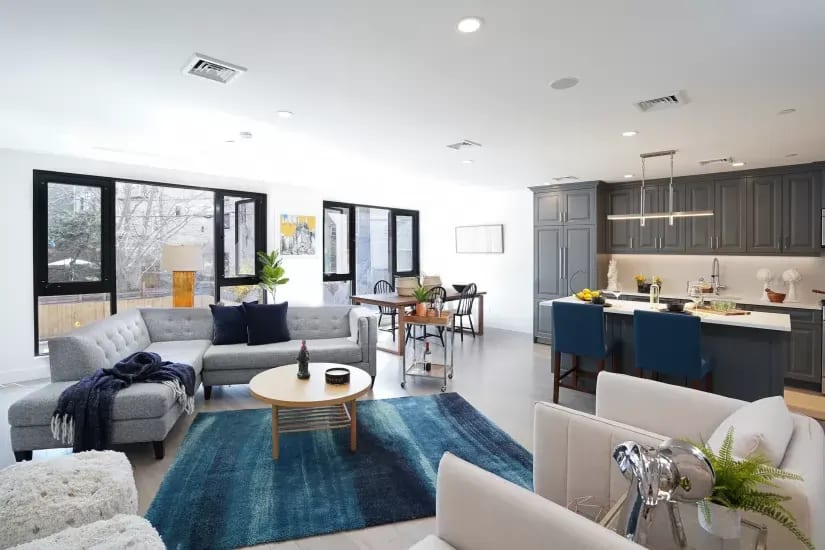
Homes emphasize space, light and architectural integrity.
Tribeca’s housing market is among the strongest in New York City.
Current trends include:
Tribeca remains a premier luxury real estate market.
Tribeca includes several micro-locations with distinct appeal.
Notable areas include:
Each area offers a unique expression of Tribeca living.
Tribeca’s combination of space, privacy and architectural character creates consistent high-end buyer demand. Buyers prioritize building history, layout and neighborhood block quality, while sellers benefit from limited inventory and strong buyer confidence.
Understanding co-op and condo rules, building history and pricing dynamics is essential for successful real estate transactions in Tribeca, New York.
Tribeca has 8,819 households, with an average household size of 2. Data provided by the U.S. Census Bureau. Here’s what the people living in Tribeca do for work — and how long it takes them to get there. Data provided by the U.S. Census Bureau. 19,698 people call Tribeca home. The population density is 64,836.325 and the largest age group is Data provided by the U.S. Census Bureau.
Total Population
Population Density Population Density This is the number of people per square mile in a neighborhood.
Median Age
Men vs Women
Population by Age Group
0-9 Years
10-17 Years
18-24 Years
25-64 Years
65-74 Years
75+ Years
Education Level
Total Households
Average Household Size
Average individual Income
Households with Children
With Children:
Without Children:
Marital Status
Blue vs White Collar Workers
Blue Collar:
White Collar: