Wondering what it actually feels like to live in a SoHo loft, not just visit one? That question matters because SoHo is not a quiet pocket that shuts down after dark. It is a layered, mixed-use neighborhood where cast-iron architecture, active storefronts, transit access, and cultural institutions all shape your day. If you are considering a move here, this guide will help you picture the rhythm of everyday life behind those iconic facades. Let’s dive in.
SoHo Is a Historic Mixed-Use District
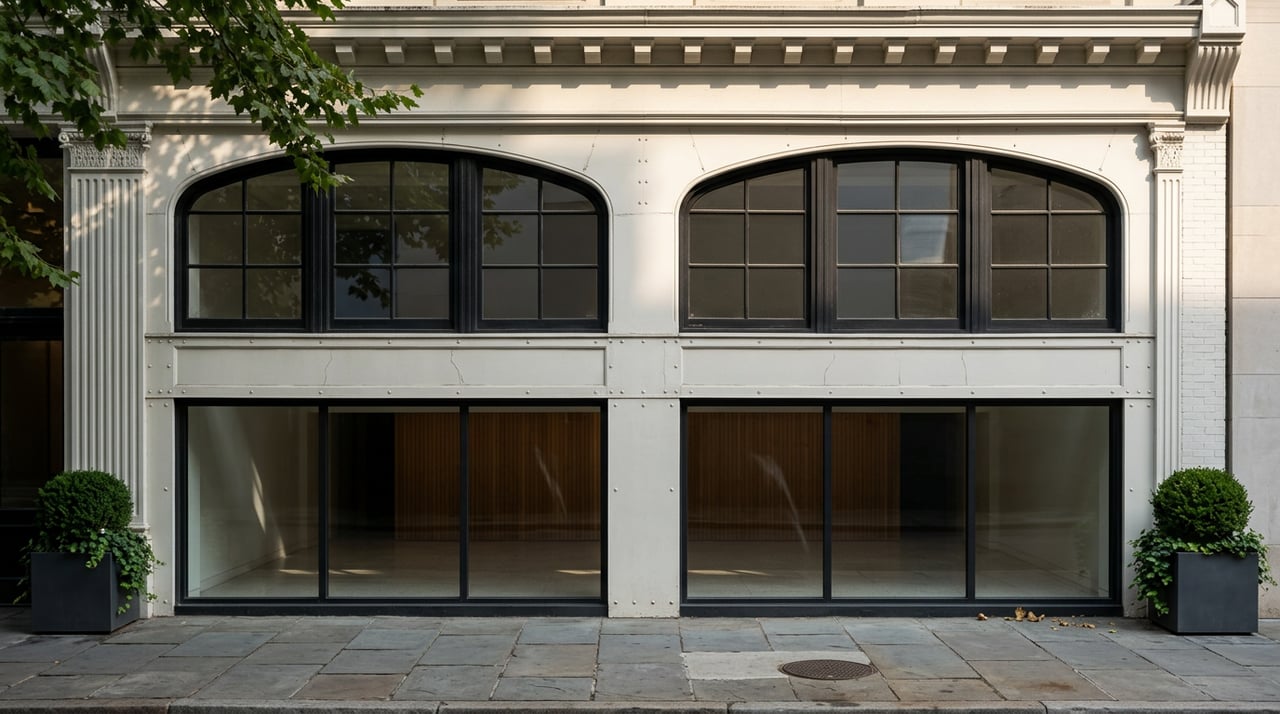
SoHo is best understood as a historic mixed-use district, not a purely residential neighborhood. According to NYC Planning’s SoHo/NoHo materials, the area is centrally located, highly transit-accessible, and largely overlaps designated historic districts, including the SoHo Cast Iron Historic District and its extension.
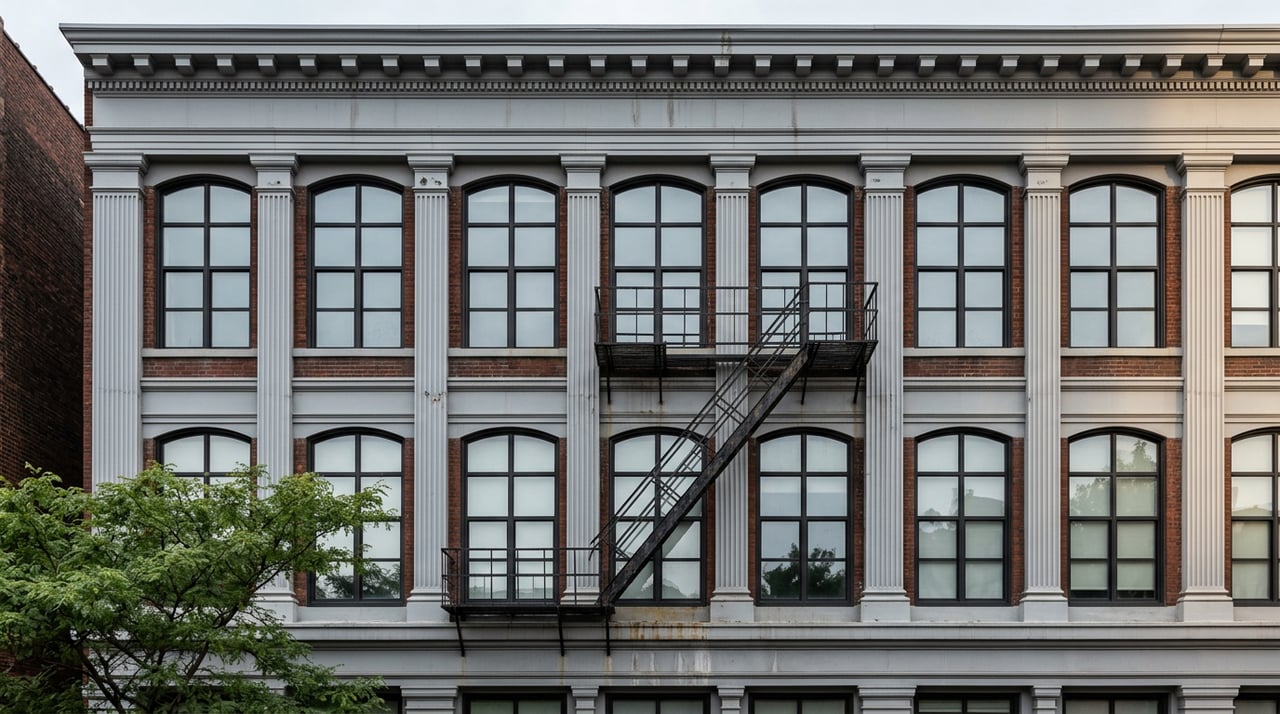
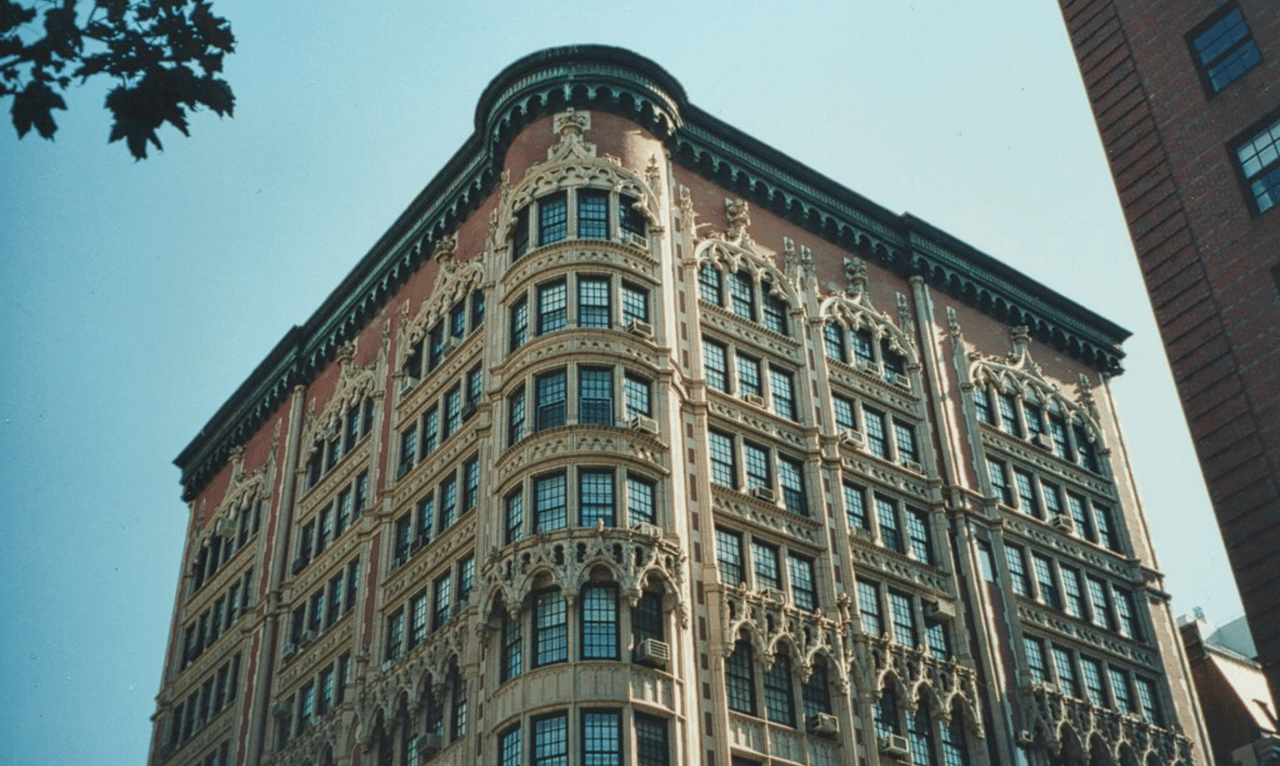
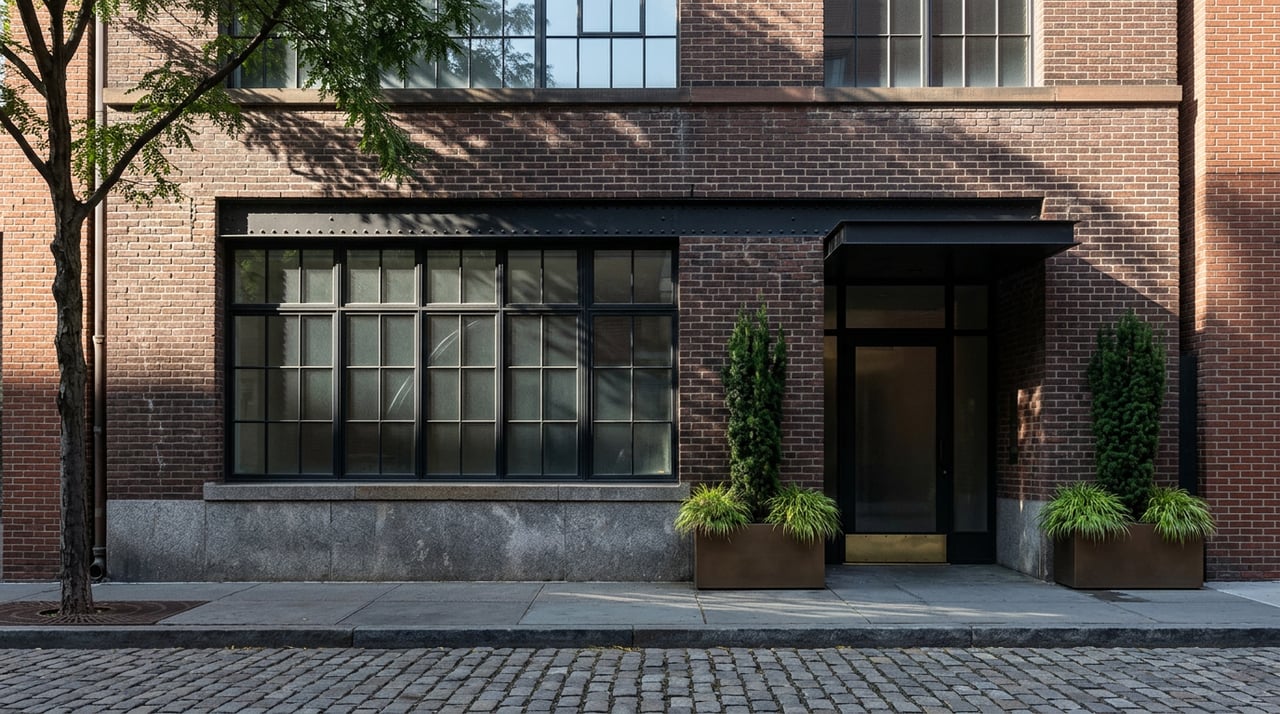
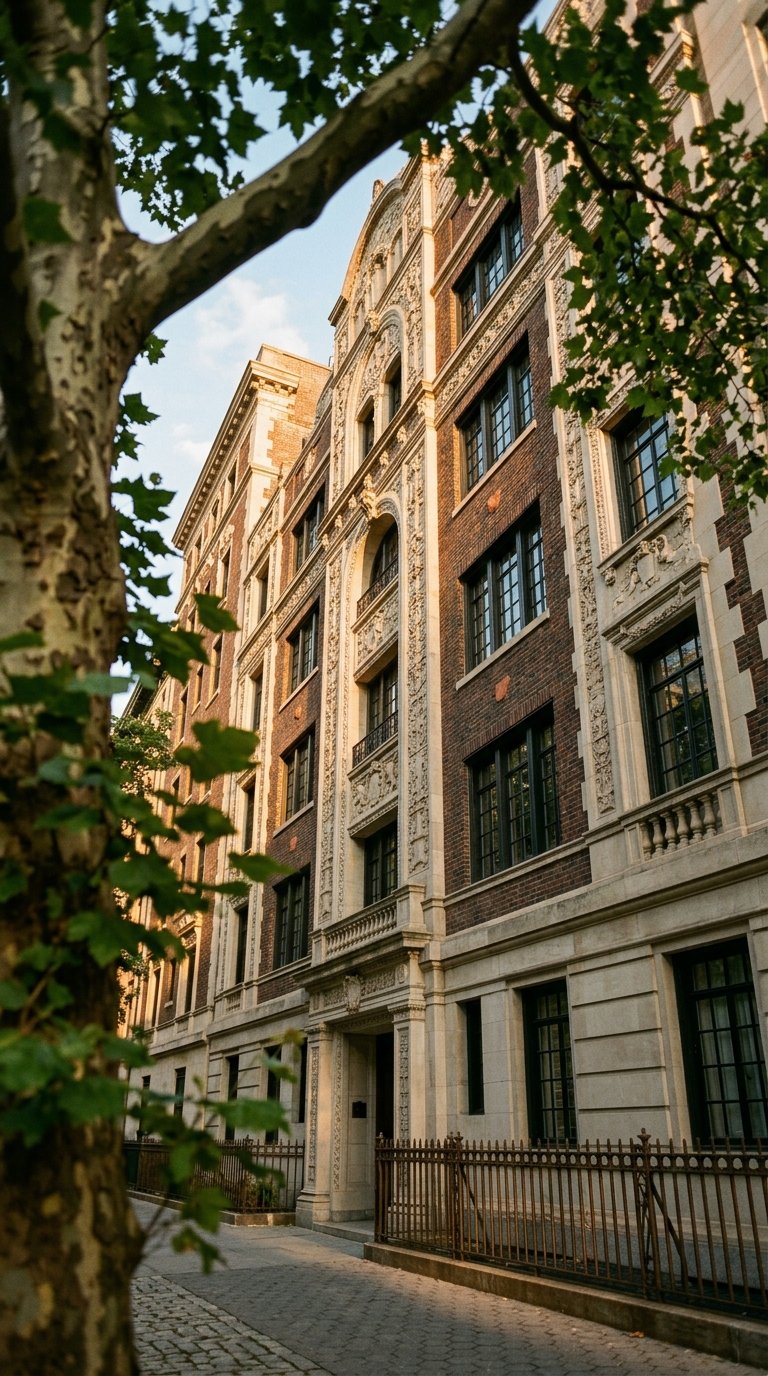
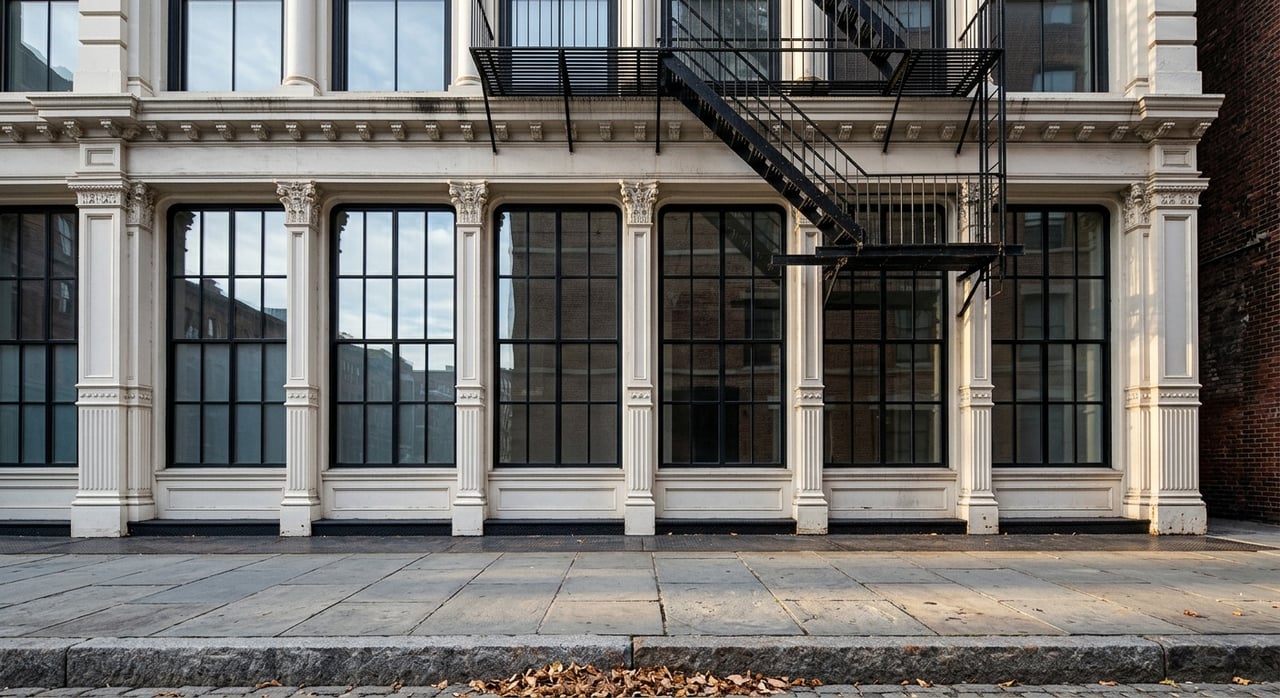
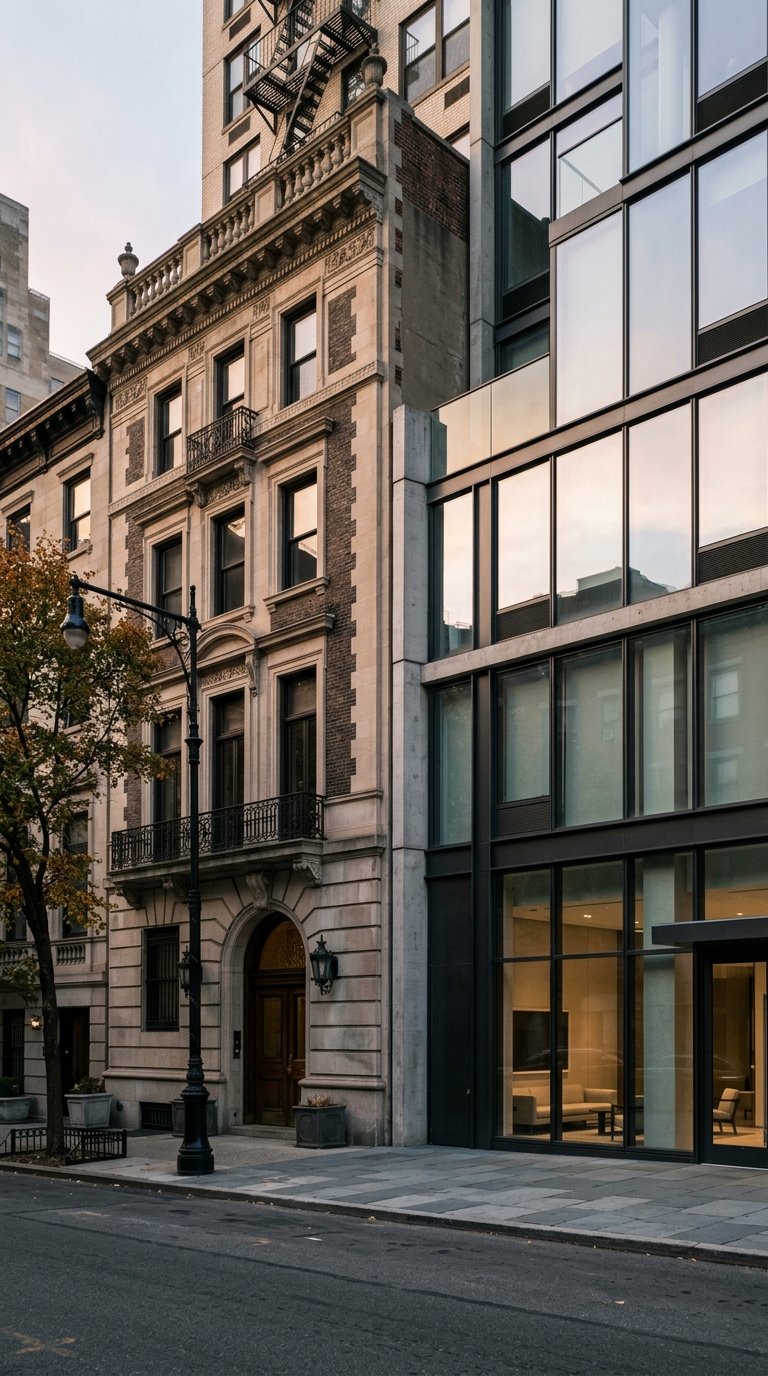
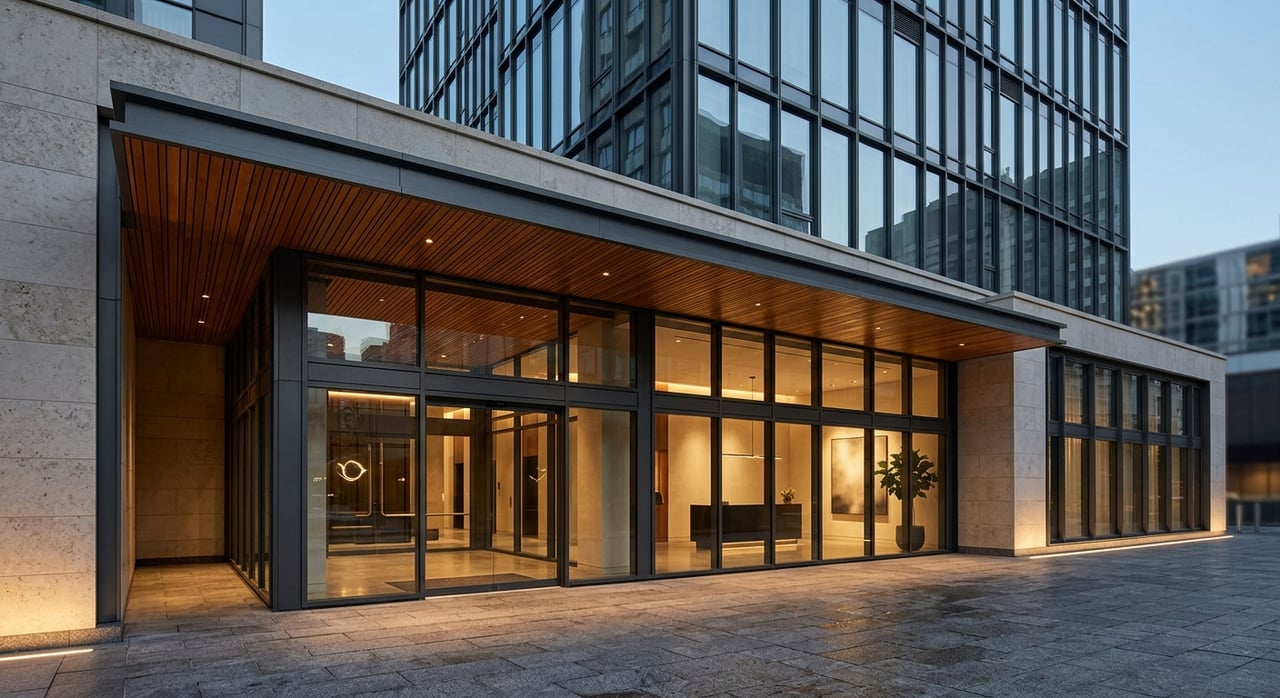
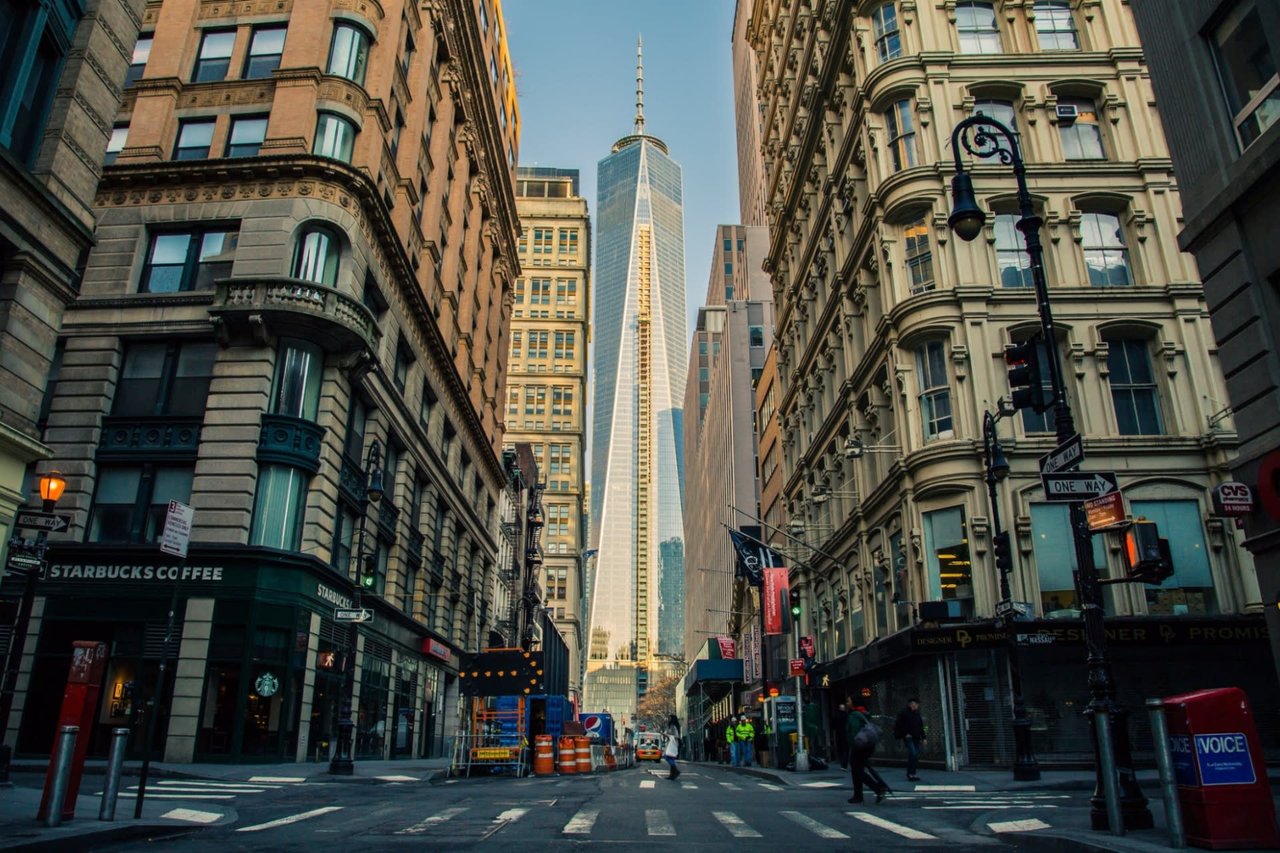
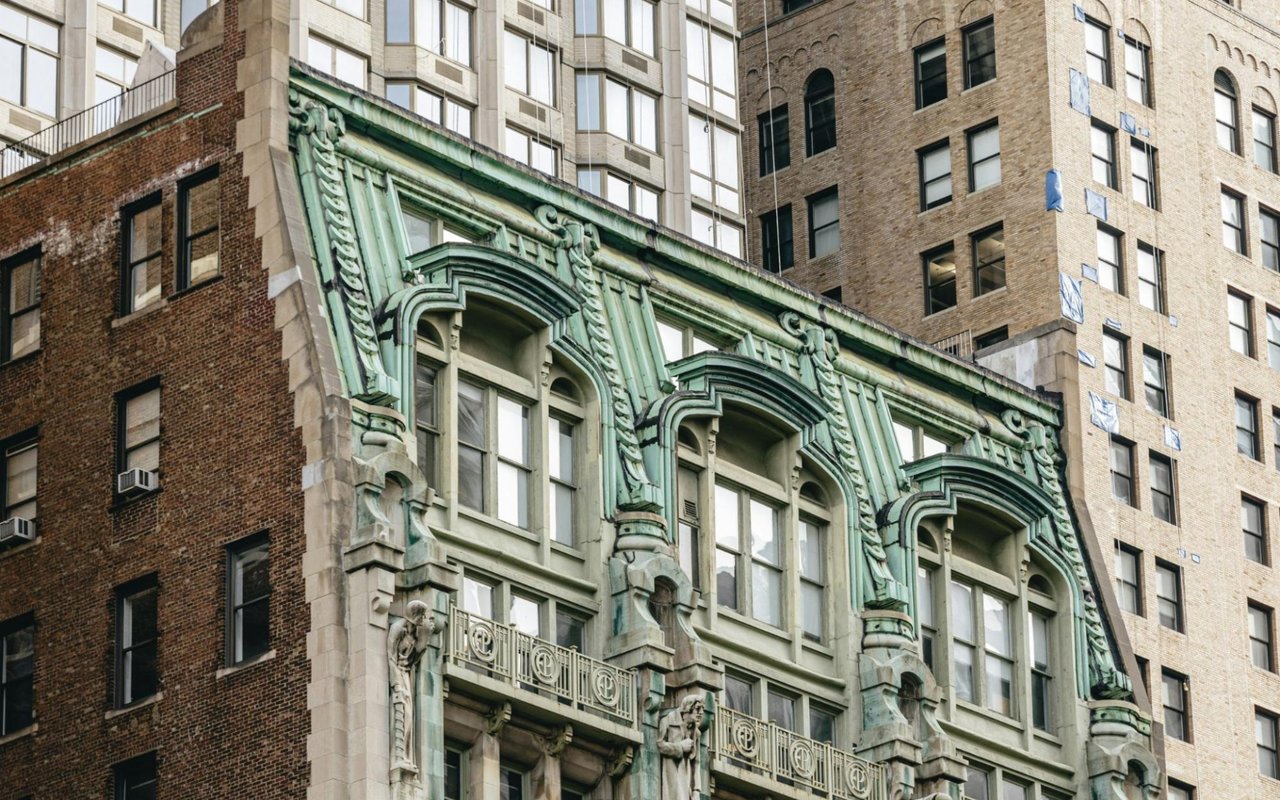
That history still shapes how the neighborhood looks and feels today. The SoHo Broadway BID notes that the district contains about 500 buildings, and SoHo Broadway sits within the world’s largest concentration of cast-iron-front buildings. For you as a buyer or renter, that means daily life here is defined as much by architecture and street activity as by any one building.
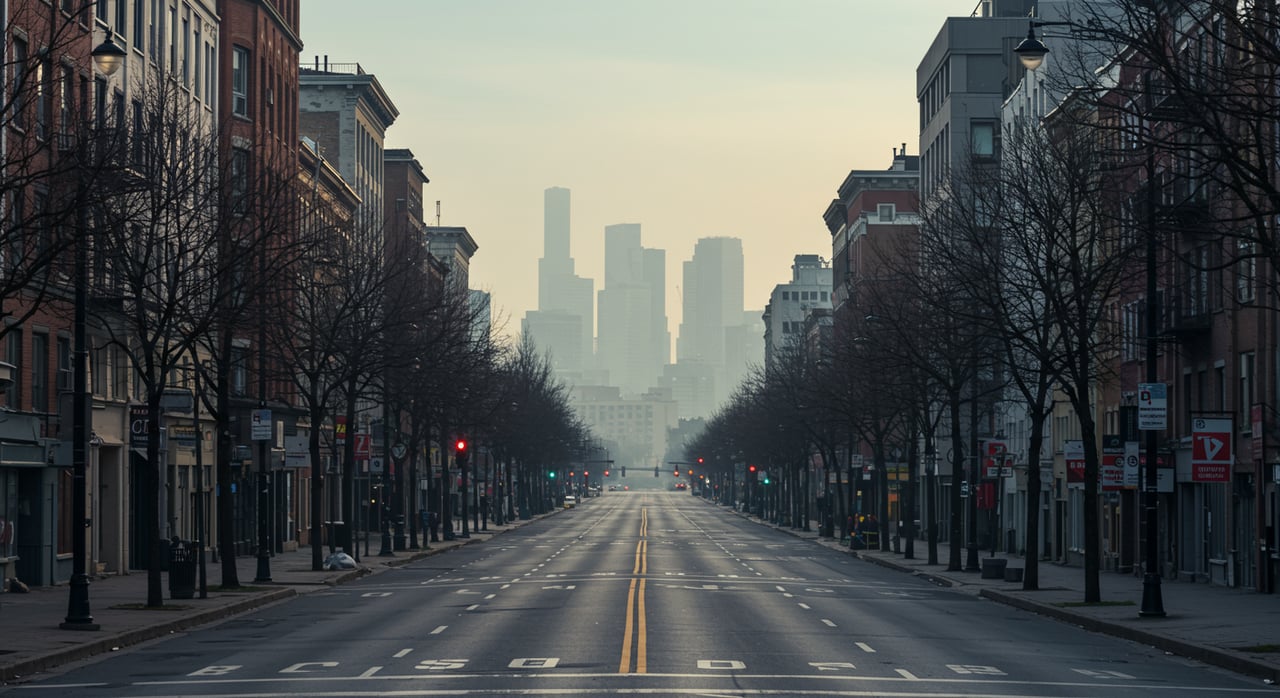
The Streets Set the Tone
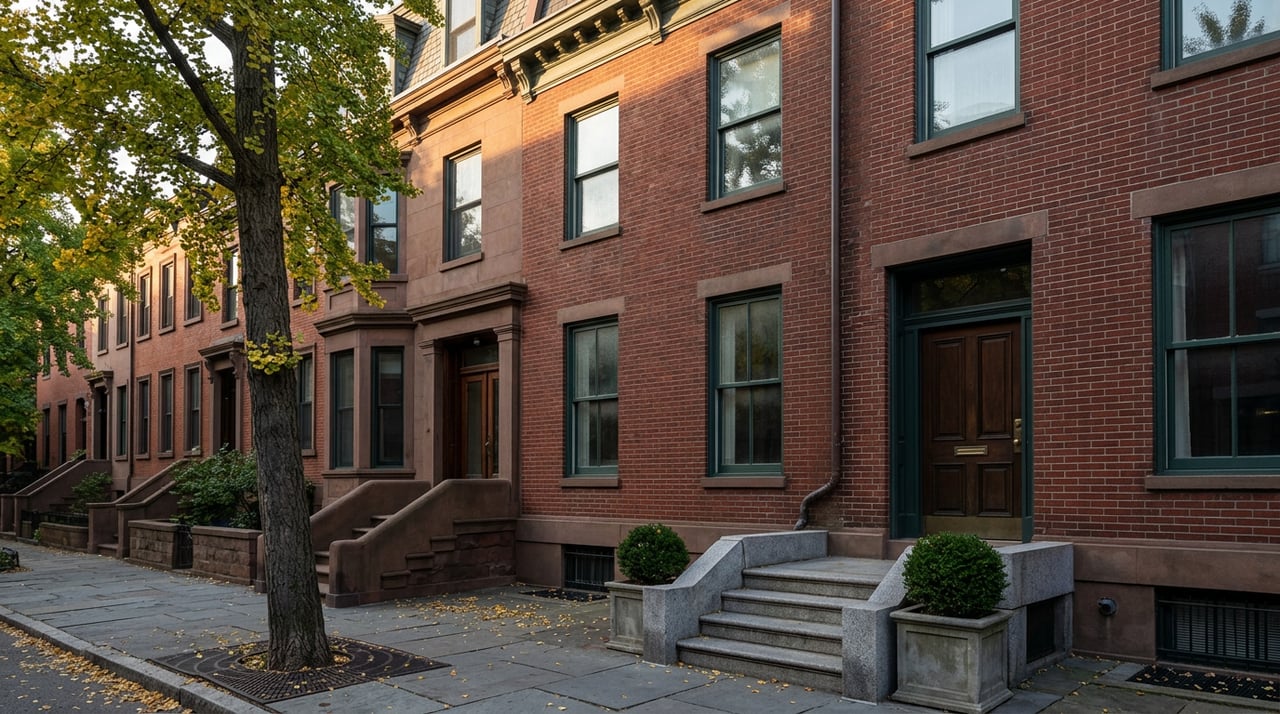
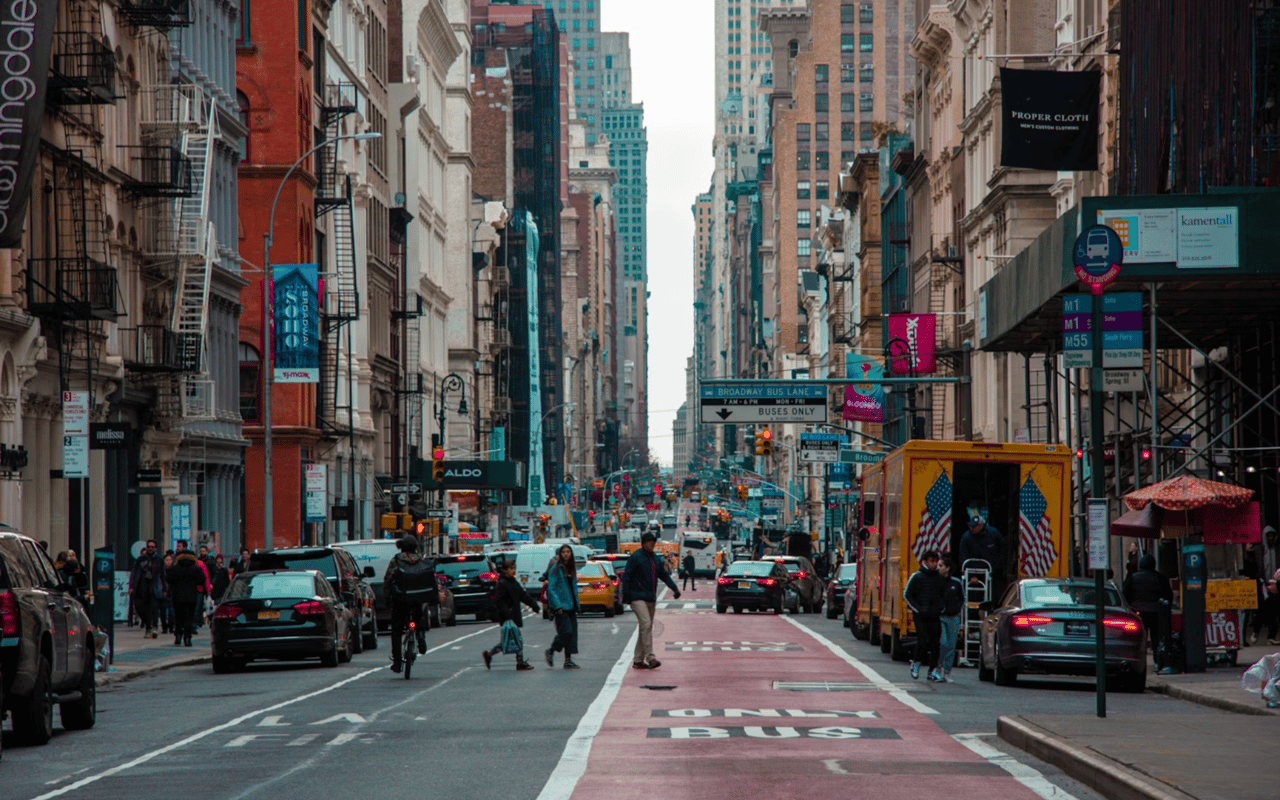
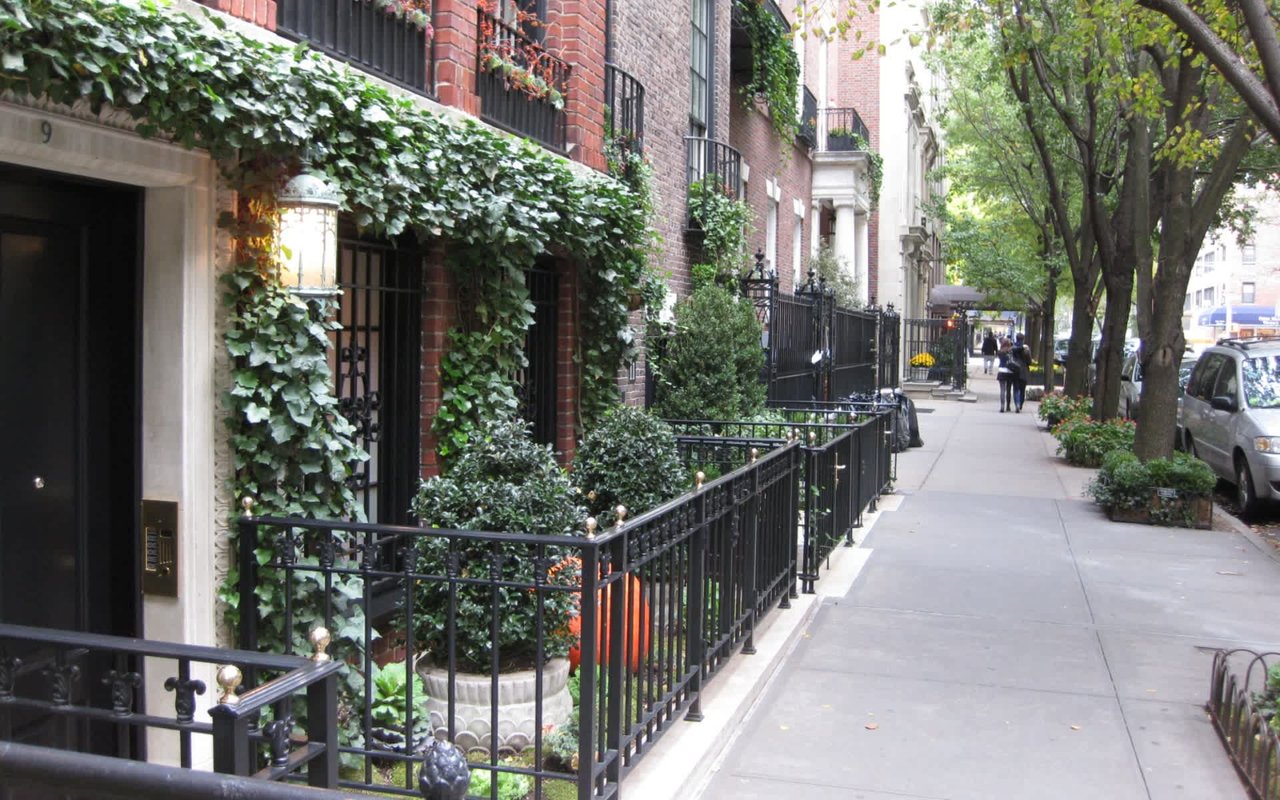
One of the first things you notice in SoHo is texture. NYC Tourism highlights the neighborhood’s cobblestone streets and cast-iron district, and that is more than a visitor detail. It is part of what makes even a quick walk to coffee, dinner, or the train feel visually distinct from other parts of Manhattan.
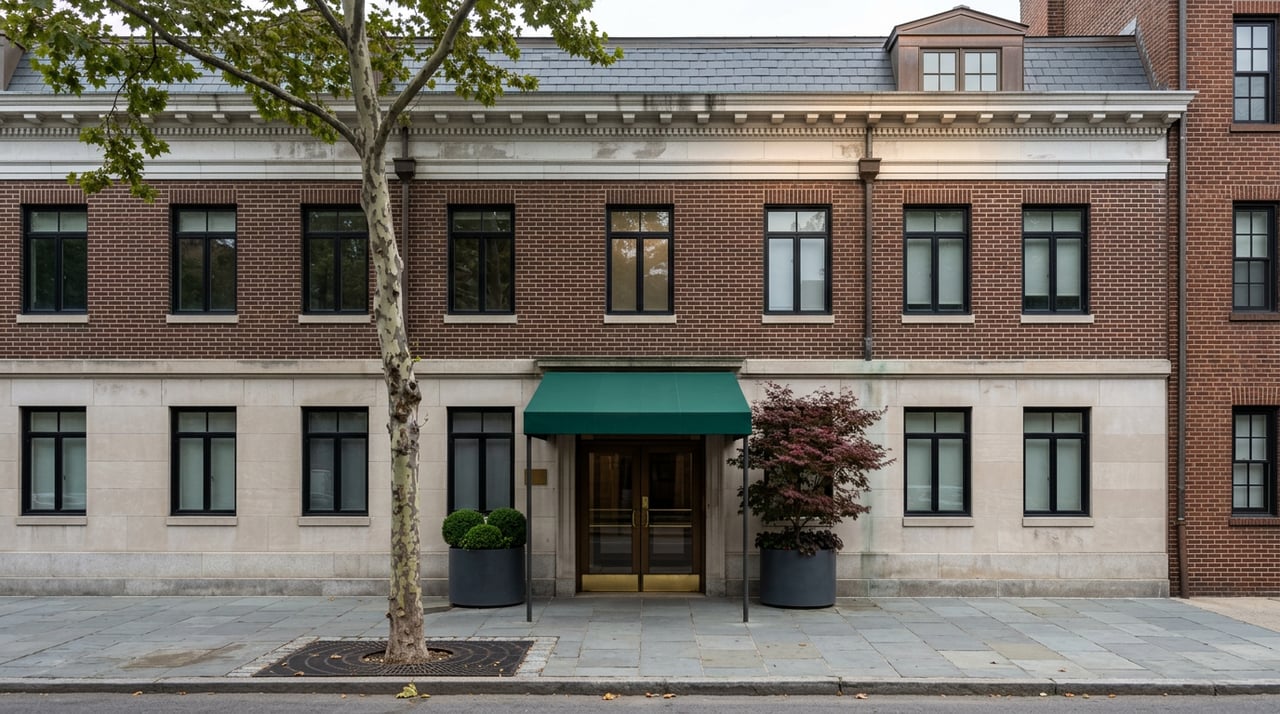
This physical setting creates a strong sense of place. Instead of a row of uniform residential towers, you move through loft-scale buildings, detailed facades, large windows, and busy ground floors. If you are drawn to architecture and city energy, SoHo delivers both in a very immediate way.
What Mornings in SoHo Feel Like
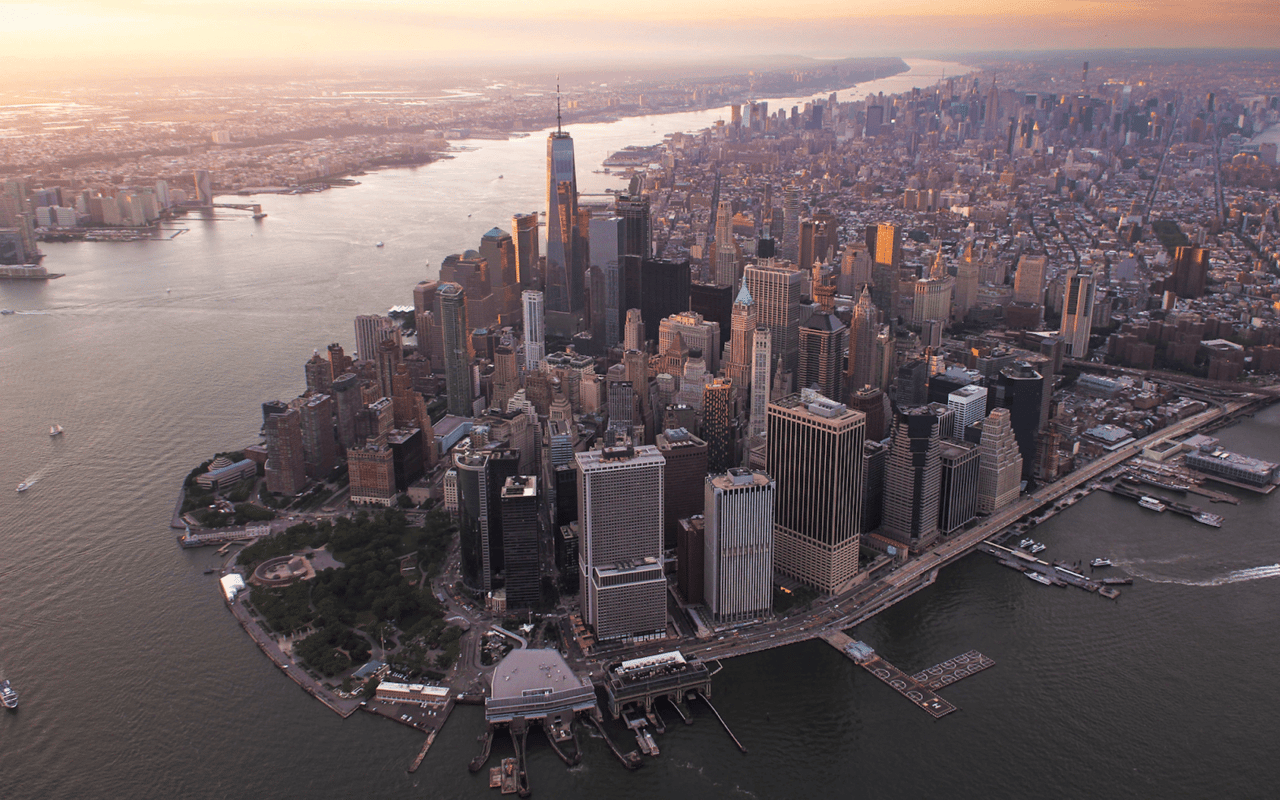
A normal morning in SoHo often starts with movement. Storefronts begin opening, sidewalks fill steadily, and the area feels connected to the wider downtown core rather than tucked away from it. NYC Planning notes that SoHo sits near other downtown mixed-use neighborhoods and the larger core around NYU and Cooper Union, which helps explain its highly connected feel.
In practical terms, this is a neighborhood where your morning may begin downstairs and on foot. Whether you are heading to the subway, meeting someone nearby, or grabbing breakfast before work, the environment tends to feel active early. That energy is a major part of SoHo’s appeal, but it is also something you should weigh carefully if you prefer a more residential-only pace.
Transit Makes Car-Free Living Easy
If you want a neighborhood that works well without a car, SoHo stands out. The MTA neighborhood map shows nearby access to Broadway-Lafayette Street, Canal Street, Prince Street, and Spring Street, connecting you to lines including the B, D, F, M, 6, A, C, E, N, Q, R, W, J, and Z.
That level of access supports a very flexible daily routine. You can move uptown, downtown, across town, or into Brooklyn with relative ease, and several nearby stations also include accessible features. For many buyers and renters, that convenience is one of the strongest practical arguments for SoHo living.
Broadway Stays Busy All Day
SoHo does not really operate like a neighborhood with one peak window of activity. The SoHo Broadway district profile reports about 1.5 million square feet of retail, 3 million square feet of office space, over 21,000 workers, 25,000 residents in the larger neighborhood, and 111,183 subway riders per day.
Those numbers help explain why sidewalks often stay active from morning through evening. Around Broadway and the cross streets, you are living in a place where residents, workers, shoppers, and visitors all overlap. For some people, that constant energy feels exciting and convenient. For others, it may feel more intense than a quieter residential enclave.
Retail Is Part of Daily Life
In SoHo, shopping is not just a weekend activity. It is part of the neighborhood’s normal rhythm. The SoHo Broadway BID retail update reported 85% retail occupancy at the end of 2024, followed by 89% occupancy in a January 2026 update, which points to a strong and active storefront environment.
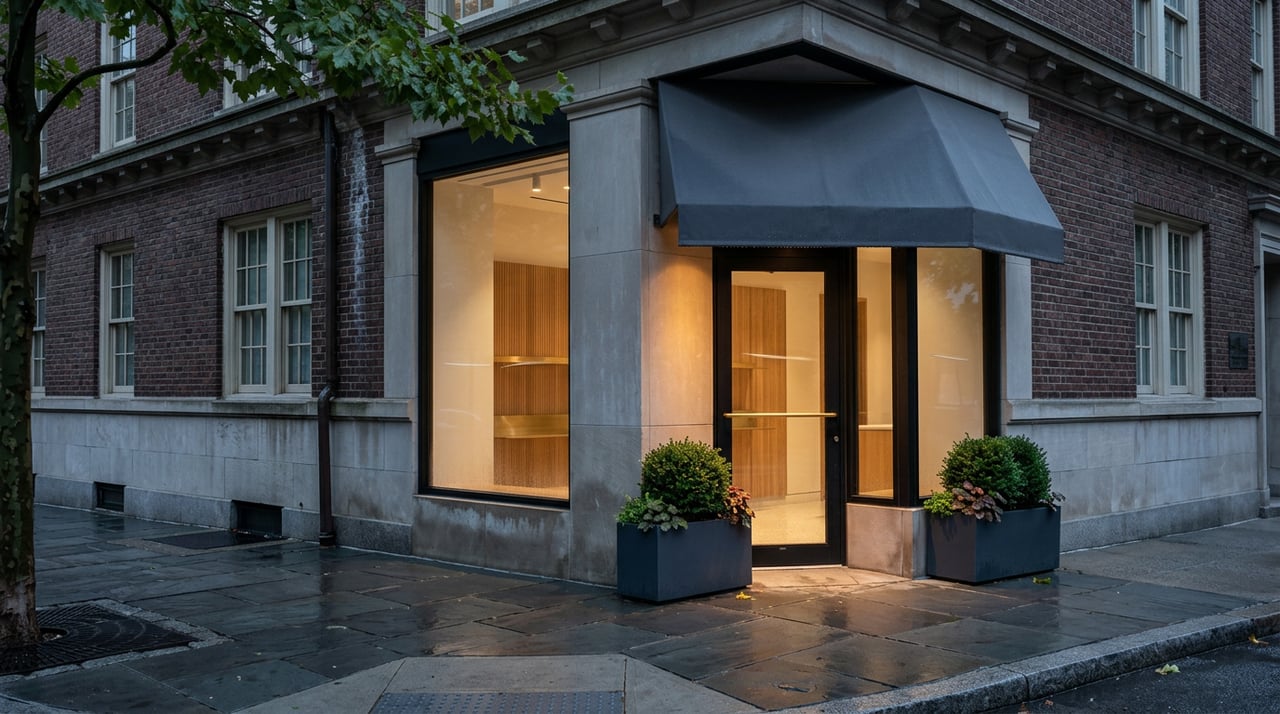
For residents, that means you are surrounded by an ongoing retail presence, not vacant blocks or occasional destination stores. Browsing, running errands, and passing new openings can become part of an ordinary walk home. If you enjoy living in a neighborhood where there is always visual interest at street level, this is one of SoHo’s defining advantages.
Evenings Lean Social and Design-Conscious
After work, SoHo tends to feel polished, social, and restaurant-driven. NYC Tourism’s dining coverage highlights places like Little Prince, The Otter, and Manuela, which together suggest a dining scene centered on thoughtful design, cocktails, brunch, and reservation-style evenings.
That does not mean every night out has to be an event. It does mean the neighborhood’s evening identity leans more toward restaurant hopping, wine bars, and stylish dining rooms than simple convenience-strip routines. If that matches how you like to spend your time, SoHo can feel especially rewarding on weeknights and weekends alike.
The Arts Still Matter Here
SoHo’s creative identity has evolved, but it has not disappeared. The SoHo Arts Network supports nonprofit cultural institutions in the neighborhood, with member organizations that include The Drawing Center, Judd Foundation, Leslie-Lohman Museum of Art, Storefront for Art and Architecture, and Dia Art Foundation.
That matters because arts access here is not just historical branding. It is still part of the neighborhood’s present-day fabric. Living in SoHo means you are in a place where exhibitions, architecture, and cultural programming can remain part of everyday life rather than a special trip across town.
Green Space Is Limited but Present
If you are picturing broad park lawns, SoHo may not match that expectation. Public open space here is more compact. NYC Parks identifies Spring Street Park, also called SoHo Square, and the area also includes Petrosino Square, a small triangle plaza near Kenmare and Lafayette.
In day-to-day terms, that means you will find pocket parks and plazas rather than major neighborhood green space. For some residents, that is perfectly fine because the tradeoff is centrality and walkability. For others, especially buyers comparing multiple downtown neighborhoods, it is an important lifestyle consideration.
Loft Living Means Old and New Layers
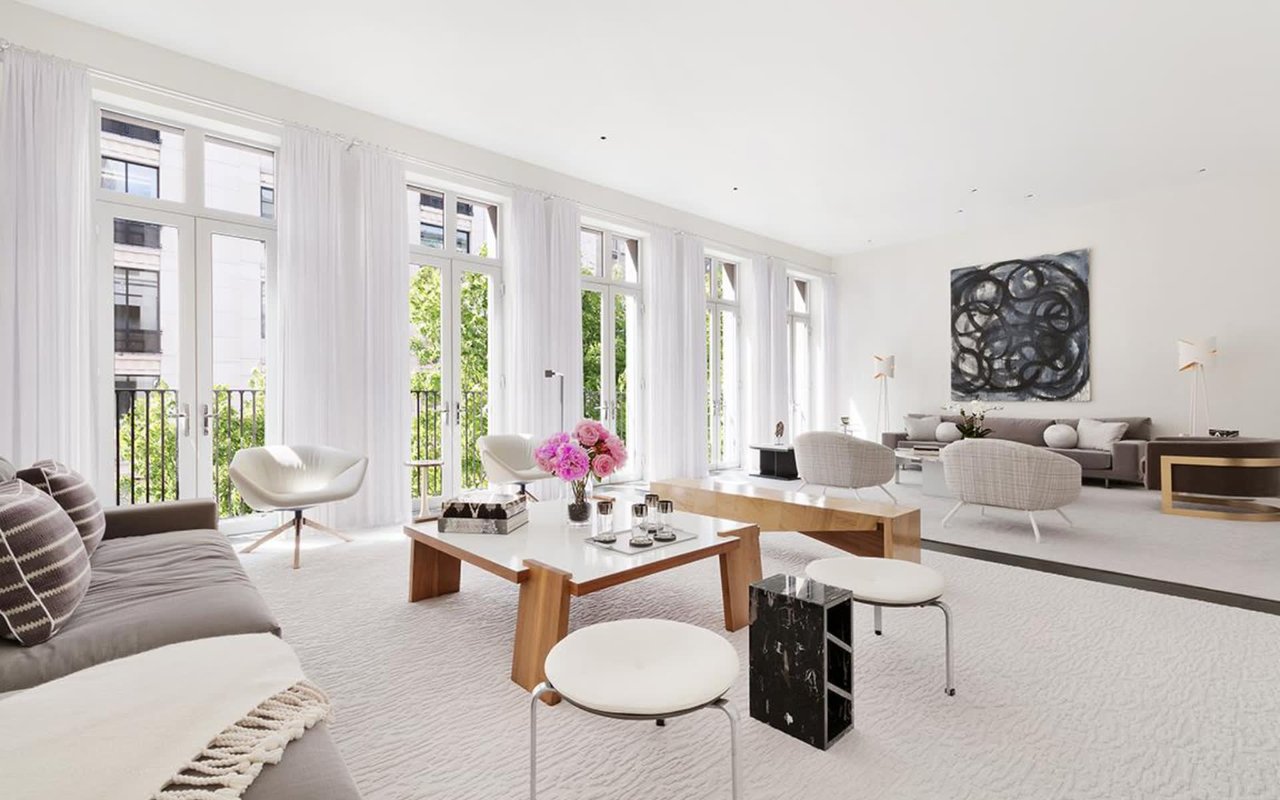
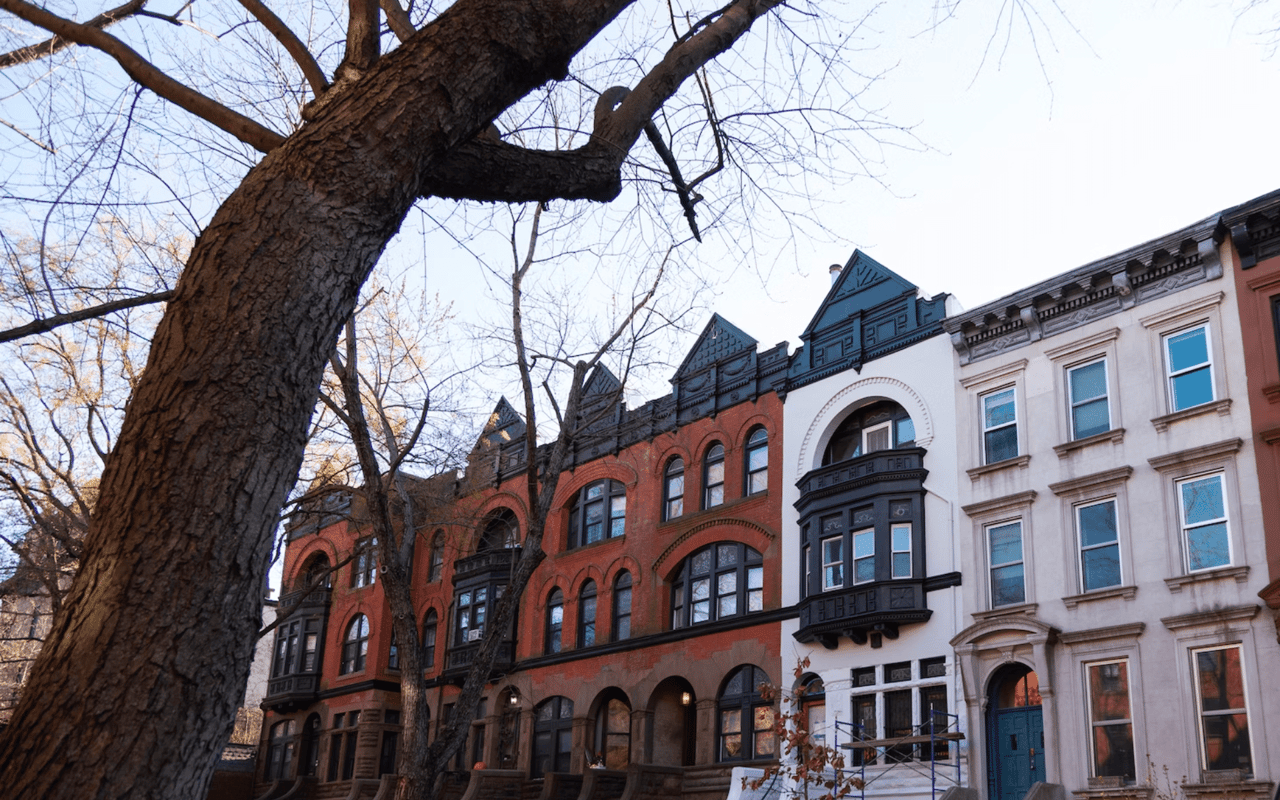
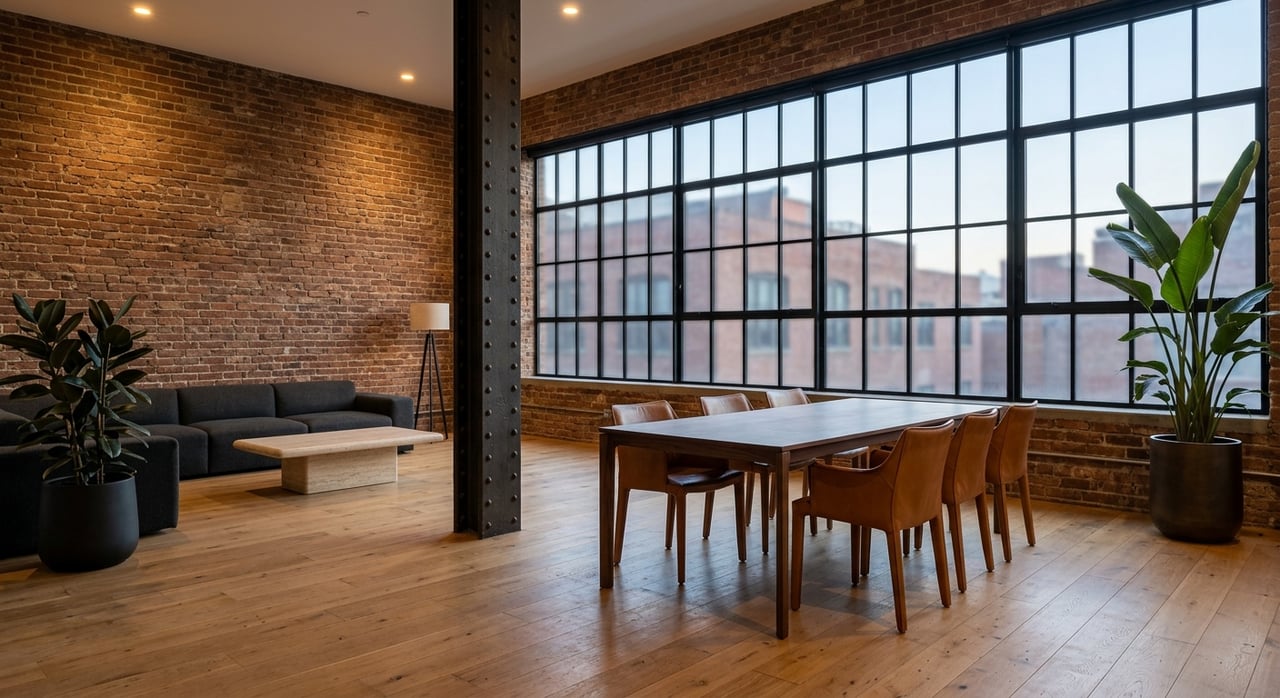
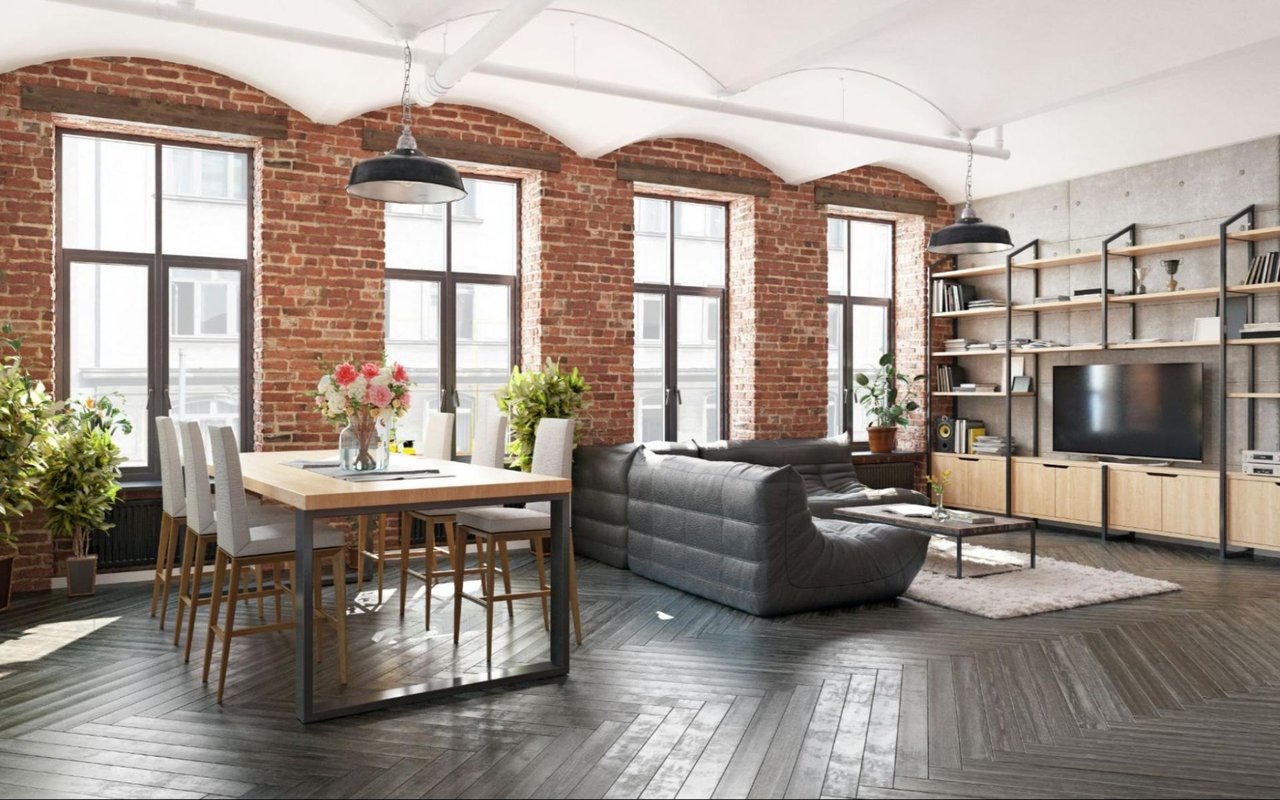
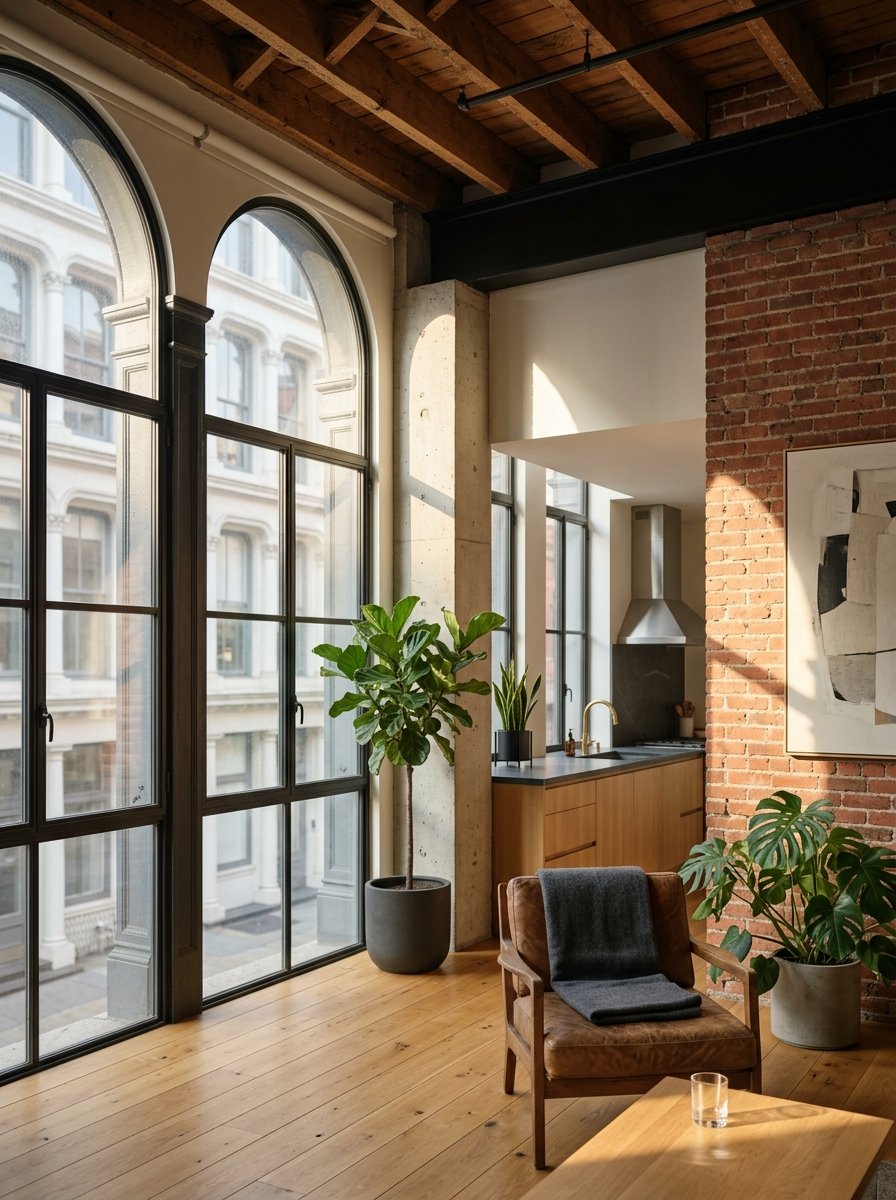
When people imagine SoHo loft living, they often picture classic industrial conversion space. That image still has real grounding in the neighborhood’s built form. At the same time, SoHo today reflects a broader mix of uses and housing possibilities than in earlier eras.
NYC notes that zoning changed on Dec. 15, 2021, when the SoHo/NoHo Neighborhood Plan was approved. The Special SoHo-NoHo Mixed Use District now supports a wider range of housing and commercial uses, while existing JLWQA uses can continue and new conversions to JLWQA are no longer allowed. The plan also created a SoHo-NoHo Arts Fund to support arts programming and facilities.
For you, the takeaway is that SoHo feels layered. It is shaped by preservation, loft history, arts uses, commerce, and an evolving mixed-use future. That complexity is part of what makes the neighborhood distinctive, but it also means no two buildings or blocks feel exactly the same.
Who SoHo Loft Living Fits Best
SoHo is often a strong fit if you value architecture, transit, walkability, dining, and cultural access in one concentrated setting. NYC Zoning Resolution materials reflect that broader mixed-use framework, which helps explain why the neighborhood feels active and varied instead of purely residential.
It is especially appealing if you want your daily routine to happen within a visually rich, highly connected urban environment. You are not choosing SoHo only for square footage or finishes. You are choosing a lifestyle where the building exterior, the corner restaurant, the nearby train, and the cultural calendar all play a role.
The Main Tradeoff to Understand
The biggest tradeoff is intensity. With high retail occupancy and heavy subway traffic, SoHo can feel busier and more visitor-oriented than a neighborhood built mainly for residents, especially along Broadway. The SoHo Broadway BID’s district data supports that general picture of a corridor with sustained commercial and pedestrian activity.
That is not inherently a downside. It depends on what you want. If you love being in the middle of downtown energy, SoHo can be hard to beat. If you want a quieter, more insulated residential atmosphere, you may want to compare block by block and building by building before deciding.
A Smart Way to Evaluate SoHo
When you tour SoHo, try to evaluate more than the loft itself. Pay attention to the block at different times of day, your proximity to major retail corridors, access to nearby subway lines, and whether the building feels more private or more tied to street activity.
This neighborhood works best when your lifestyle matches its rhythm. As the SoHo Broadway BID’s cast-iron history materials suggest, SoHo’s core promise is not just a home. It is a chance to live inside a district where architecture, shopping, and the arts remain part of everyday routine.
If you are weighing whether SoHo loft living truly fits the way you want to live, work, and move through Manhattan, working with someone who understands both the neighborhood texture and the building-level nuance can make the process much clearer. To explore SoHo lofts, condos, co-ops, rentals, or investment opportunities with practical guidance and strong market perspective, connect with Kobi Lahav.
FAQs
What does daily life in SoHo feel like for residents?
- Daily life in SoHo tends to feel active, walkable, and visually distinctive, with cast-iron buildings, busy sidewalks, ground-floor retail, and a steady mix of residents, workers, and visitors.
Is SoHo practical for living without a car?
- Yes. SoHo has strong subway access through nearby stations including Canal Street, Broadway-Lafayette Street, Prince Street, and Spring Street, making car-free living very practical.
Does SoHo feel more residential or more commercial?
- SoHo is a mixed-use district, so it usually feels like a blend of both. Some blocks feel more residential, while areas near Broadway often feel more commercial and high-traffic.
Are there parks in SoHo for everyday use?
- SoHo has limited open space, with smaller plazas and pocket parks such as Spring Street Park and Petrosino Square rather than large neighborhood parks.
Does SoHo loft living mean only older industrial buildings?
- No. SoHo is still known for loft-style buildings and historic conversions, but its zoning and housing mix now support a wider range of uses and residential options.
What kind of buyer is usually a good fit for SoHo?
- SoHo is often a good fit if you want architecture, walkability, transit convenience, shopping, dining, and arts access built into your everyday routine.