If you are considering a SoHo loft, you are probably asking two questions at once: Will I love living there, and will it hold up as an investment over time? That is a fair question in one of Manhattan’s most expensive and most distinctive markets. The short answer is yes, a SoHo loft can be a smart long-term investment, but usually for appreciation and scarcity rather than strong monthly cash flow. Let’s break down what really drives long-term value in SoHo.
Why SoHo lofts stand out
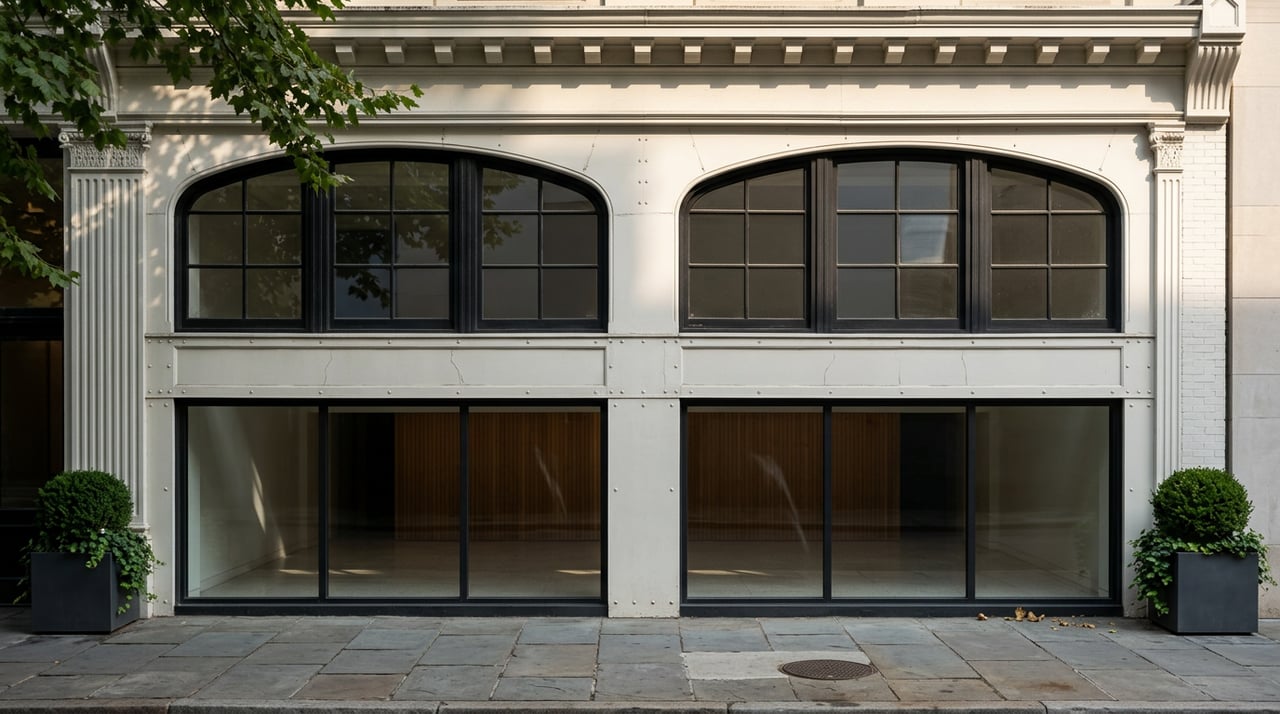
SoHo commands a premium because it offers something hard to replicate: a limited supply of architecturally distinctive loft buildings in a highly accessible downtown location. The SoHo-Cast Iron Historic District designation report explains that the district protects about 500 buildings across 25 blocks, helping preserve the area’s visual identity over time.
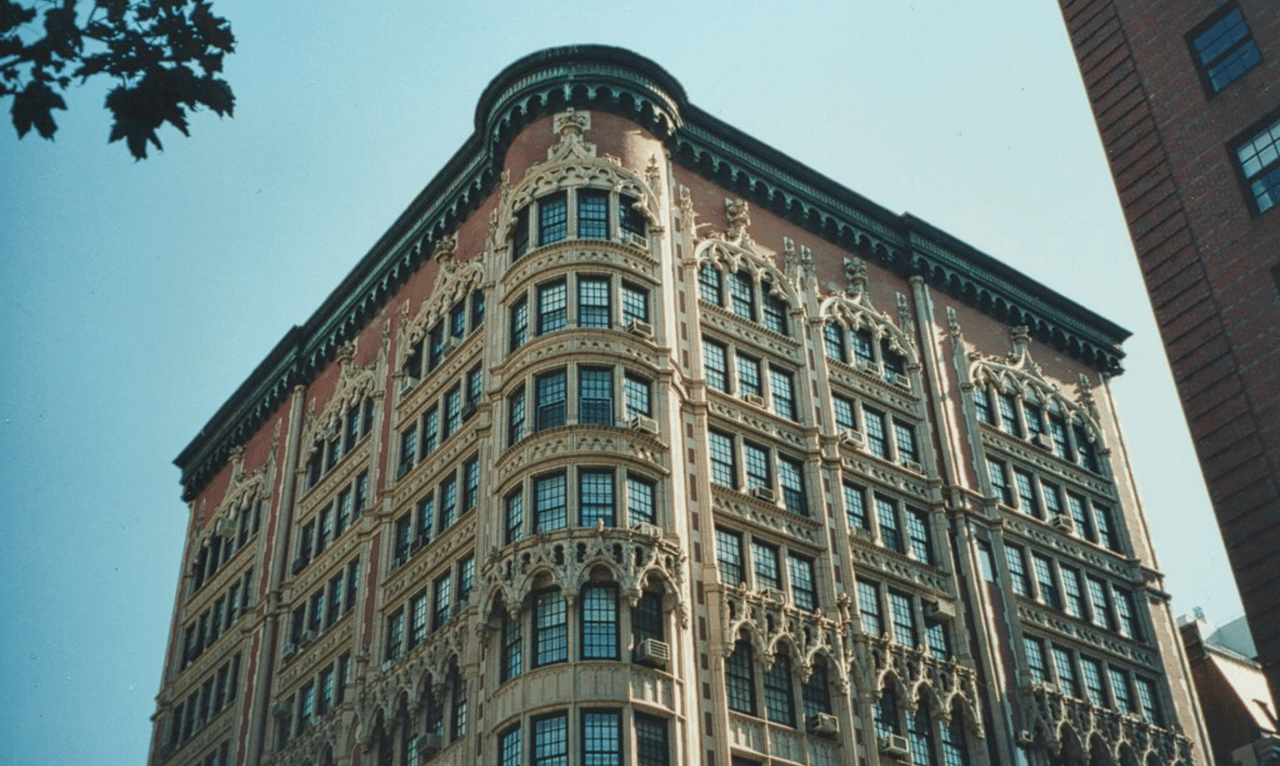
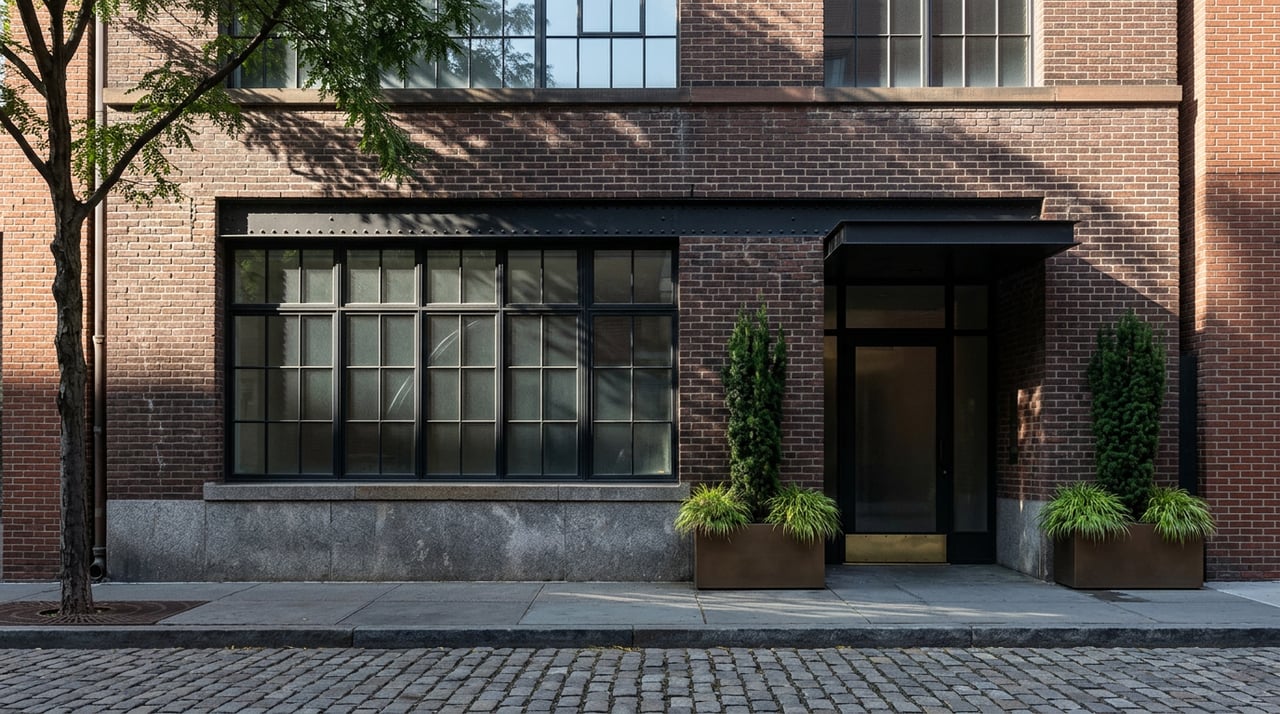
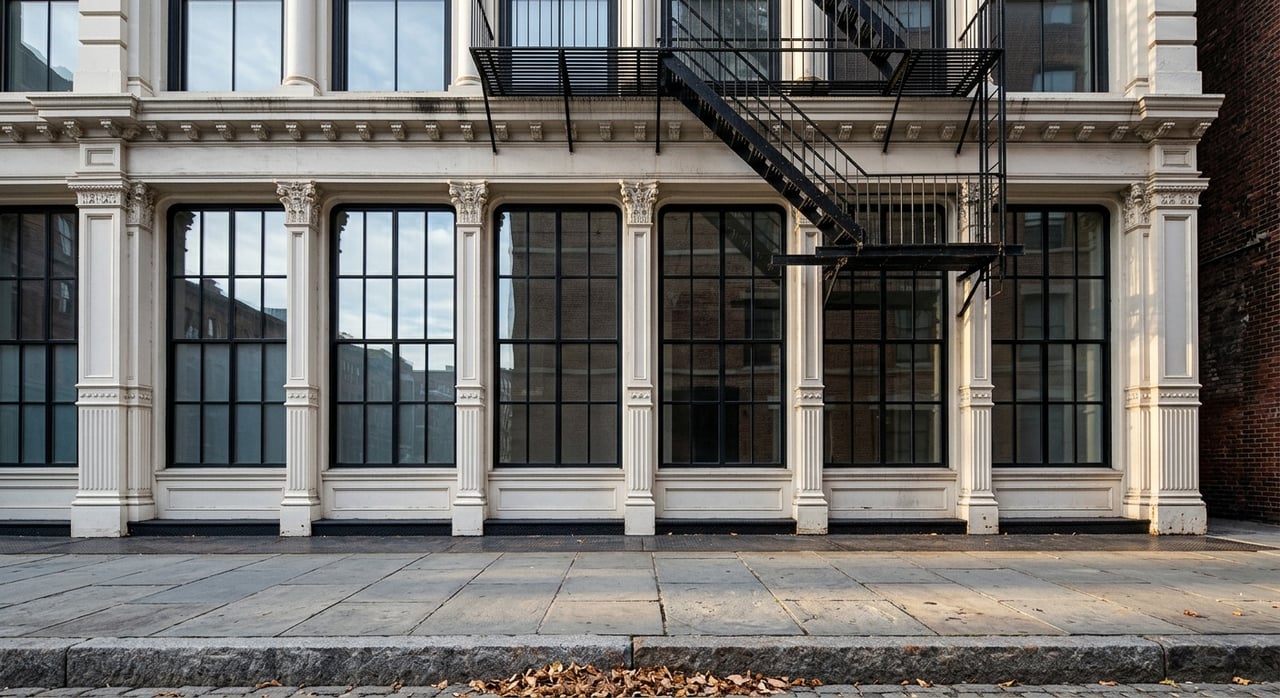
That preservation matters for long-term value. In a market where new product can reshape entire neighborhoods, SoHo remains defined by its cast-iron architecture, large windows, open interior volume, and recognizable streetscape. According to NYC Planning’s SoHo/NoHo environmental review materials, the neighborhood’s historic core is densely developed with five- to seven-story buildings, narrow lots, many windows, and taller ground floors, all of which support the classic loft features buyers still seek.
Scarcity supports long-term demand
One reason SoHo lofts have held their appeal is simple: there are only so many true lofts in true loft buildings. The Historic Districts Council notes that SoHo has the largest concentration of full and partial cast-iron facades in the world.
For you as a buyer, that means you are not just buying square footage. You are buying a property type with architectural scarcity, strong design identity, and broad recognition in the Manhattan market. Those factors can help support demand over longer holding periods, especially when compared with more interchangeable inventory.
What the latest SoHo market data says
Recent pricing data shows that SoHo remains one of Manhattan’s top-tier submarkets. StreetEasy’s 2025 year-in-review placed SoHo at the top of Manhattan sales pricing, with a median asking price of $3,995,000 and a median asking rent of $5,995.
Monthly and annual data sources vary, so it is best to read them directionally. PropertyShark’s SoHo market snapshot showed a March 2026 median sale price of $4.5 million and a median price per square foot of $2,139, while Redfin’s March 2026 neighborhood page reported a median sale price of $3.2 million and an average of 135 days on market.
The exact figures differ because the methodologies differ. Still, the common takeaway is clear: SoHo remains a trophy-priced market, not a value play.
Condo versus co-op matters
Not every SoHo loft performs the same way. Ownership structure can have a major impact on pricing, financing, carrying costs, and resale flexibility.
In PropertyShark’s March 2026 data, condos posted a $5.2 million median sale price, compared with $3.8 million for co-ops. Over a longer horizon, the Douglas Elliman and Miller Samuel decade survey for SoHo and TriBeCa showed condo median sale prices rising from $3.10 million in 2015 to $3.44 million in 2024, while co-op median sale prices declined from $2.36 million to $2.05 million.
That does not mean condos are always the better buy. It means you should evaluate SoHo lofts building by building, not just by neighborhood name. The legal structure behind the apartment can shape your investment outcome as much as the layout or the location.
The loft features buyers still pay for
In SoHo, the classic features still matter. High ceilings, abundant natural light, large windows, open volume, and a strong architectural feel remain central to buyer demand.
The Historic Districts Council describes how cast-iron buildings used large display windows and created vast interior spaces. NYC Planning also highlights the neighborhood’s tall arched windows, taller ground floors, and buildings that meet the sidewalk without setbacks.
For long-term value, these details matter because they are hard to reproduce. Buyers often pay a premium for volume, light, and authentic industrial character, especially in a market where many newer apartments prioritize efficiency over uniqueness.
Legal status is part of the investment
A SoHo loft can look beautiful and still come with extra complexity. That is why legal status should be part of your underwriting from day one.
The NYC Department of Buildings Loft Board page explains that the Loft Board regulates the conversion of certain commercial or manufacturing lofts to residential use under the Loft Law. It also notes that some units may fall under interim multiple dwelling status, while others may have completed the process and have a final certificate of occupancy.
This is not a minor technical detail. A fully lawful residential condo or co-op generally offers a simpler financing and resale path than a unit still tied to a conversion process or other occupancy questions. In SoHo, the paperwork trail can directly affect marketability, renovation plans, and buyer confidence.
Carrying costs can change the picture
A SoHo loft may be a smart asset on paper and still feel expensive to hold month to month. That is why carrying costs deserve just as much attention as the purchase price.
According to the NYC property tax rate schedule, the tax year 2026 rate for Class 2 properties is 12.439%, and the city also offers a co-op and condo tax abatement for eligible owners. At the building level, your monthly obligations may look very different depending on whether you are buying a condo or a co-op.
In practical terms, condo common charges generally do not cover property taxes, while co-op maintenance often bundles property taxes together with other building expenses. That means two lofts with similar asking prices can have meaningfully different all-in monthly costs, which can affect both your comfort level and the property’s long-term resale appeal.
SoHo is usually not a cash-flow play
If you are buying a SoHo loft as an investment, it is important to understand what kind of investment it usually is. In most cases, SoHo works better as a long-term appreciation and scarcity story than as a high-yield income asset.
Using StreetEasy’s SoHo figures, a median asking rent of $5,995 against a median asking price of $3,995,000 implies a rough gross yield of about 1.8%. Using PropertyShark’s March 2026 median sale price of $4.5 million implies an even lower gross yield of about 1.6%.
Those are pre-expense numbers before taxes, maintenance or common charges, insurance, repairs, vacancies, and closing costs. If your priority is immediate monthly cash flow, SoHo is often a challenging market. If your priority is long-term ownership in a scarce, high-demand product type, the case becomes stronger.
Upfront costs also matter
Your investment math should include more than the contract price. In New York, transaction costs can significantly affect first-year economics.
The New York State additional transfer tax guidance explains that the so-called mansion tax applies to residential conveyances of $1 million or more. In addition, New York City charges a mortgage recording tax when mortgages are recorded.
For a SoHo loft buyer, these expenses are not small line items. They should be modeled early, especially if you are comparing several downtown options or deciding how long you need to hold the property for the numbers to make sense.
How SoHo compares with other Manhattan options
SoHo competes at the top end of the downtown Manhattan market. In PropertyShark’s neighborhood comparison, SoHo and NoHo both posted median sale prices of $4.5 million, with TriBeCa close behind at $4.3865 million, while several other Manhattan neighborhoods came in lower.
That comparison is useful because it frames the decision correctly. The question is usually not whether SoHo is expensive. The question is whether the combination of historic character, location, and rarity is worth the premium relative to other Manhattan choices.
If you value authentic loft architecture, distinctive space, and a long holding period, SoHo can make a compelling case. If you want lower carrying costs, easier financing, or a stronger cash-flow profile, other neighborhoods or property types may fit better.
A practical checklist before you buy
If you are evaluating a SoHo loft for long-term investment potential, focus on the details that most directly affect value and risk:
- Legal status and certificate of occupancy
- Condo versus co-op structure
- Ceiling height and natural light
- Layout efficiency and usable square footage
- Monthly carrying costs
- Building financial strength and reserves
- Renovation restrictions or approval requirements
- Total closing and financing costs
In a neighborhood like SoHo, the best investment decisions usually come from disciplined property-level analysis, not broad headlines.
The bottom line on SoHo lofts
SoHo lofts can be a smart long-term investment, but they are rarely a simple one. Their appeal comes from scarcity, architectural identity, and durable buyer demand in one of Manhattan’s most established luxury markets.
For many buyers, the strongest case for SoHo is not short-term yield. It is the chance to own a rare asset in a neighborhood where the built environment, legal framework, and market positioning all support long-term value when you buy carefully. If you want help comparing loft opportunities, underwriting carrying costs, and understanding the legal and financial details behind a specific building, Kobi Lahav can help you evaluate the options with a clear, practical strategy.
FAQs
Are SoHo lofts in Manhattan a good long-term investment?
- They can be, especially if your goal is long-term appreciation tied to scarcity, architectural character, and sustained buyer demand rather than high monthly cash flow.
Do SoHo lofts in New York City usually produce strong rental yield?
- In general, no. Based on recent asking price and rent figures, SoHo tends to offer low gross yields before expenses, so many buyers view it more as an appreciation play.
What makes a SoHo loft more valuable than another?
- Key factors include legal status, condo or co-op structure, ceiling height, natural light, window exposure, layout efficiency, and the building’s overall financial health.
Why is legal status important when buying a SoHo loft?
- Legal status affects financing, occupancy, renovation planning, and resale confidence, especially in loft buildings that may have a more complex conversion history.
Are condo lofts and co-op lofts in SoHo priced differently?
- Yes. Recent SoHo data shows condos selling at higher median prices than co-ops, which reflects differences in ownership structure, flexibility, and market demand.
What extra costs should buyers expect with a SoHo loft purchase?
- Buyers should account for property taxes or maintenance, common charges where applicable, mansion tax, mortgage recording tax if financing, and other closing costs.