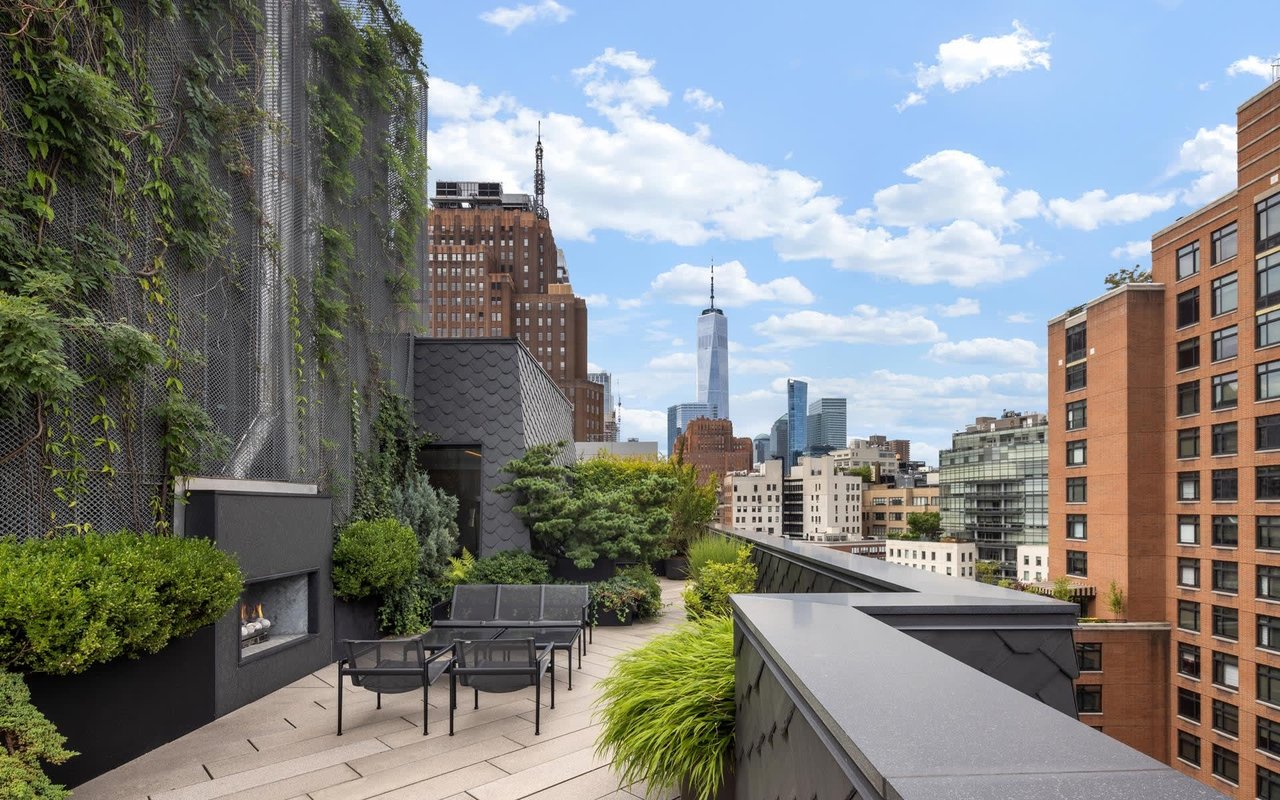
Choosing between Tribeca and Battery Park City is not just about a map pin. It is about how you want your day to feel when you step outside, head to work, or come home at night. If you are deciding between these two Lower Manhattan neighborhoods, this guide will help you compare street life, housing, transit, green space, and pricing so you can focus on the downtown lifestyle that fits you best. Let’s dive in.
Downtown feel: historic or planned?
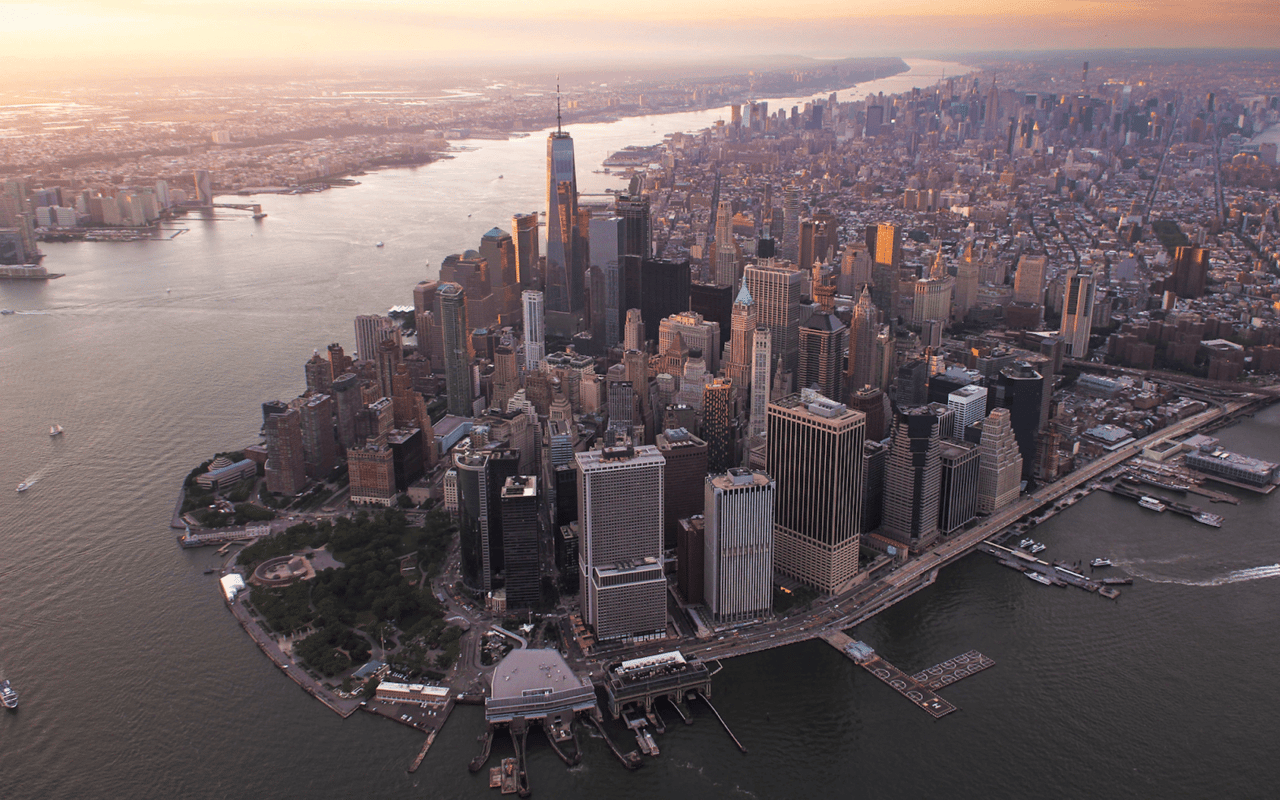
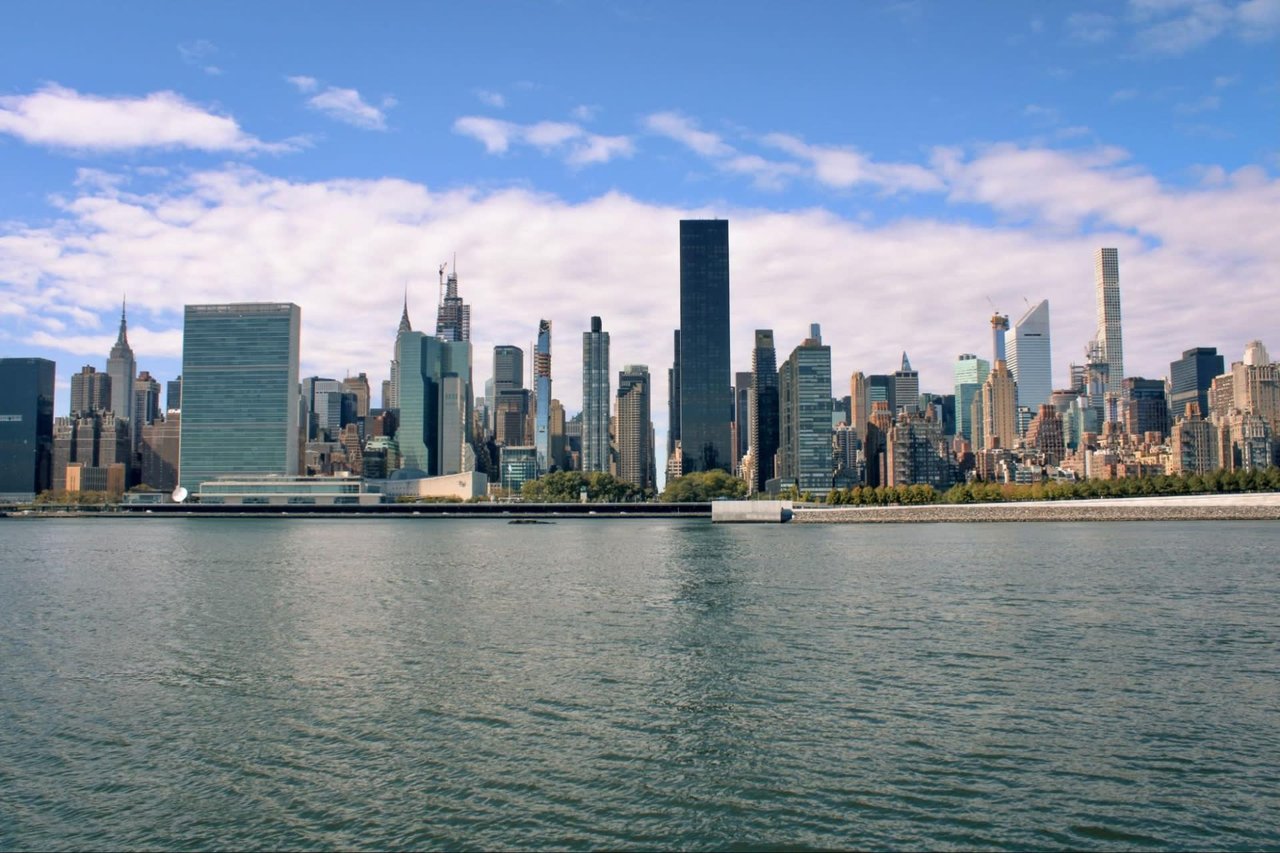
Tribeca and Battery Park City sit close to each other, but they offer very different versions of downtown living. Tribeca grew from an older warehouse and mixed-use district into a primarily residential and commercial neighborhood, while Battery Park City was built as a master-planned waterfront community on a 92-acre site.
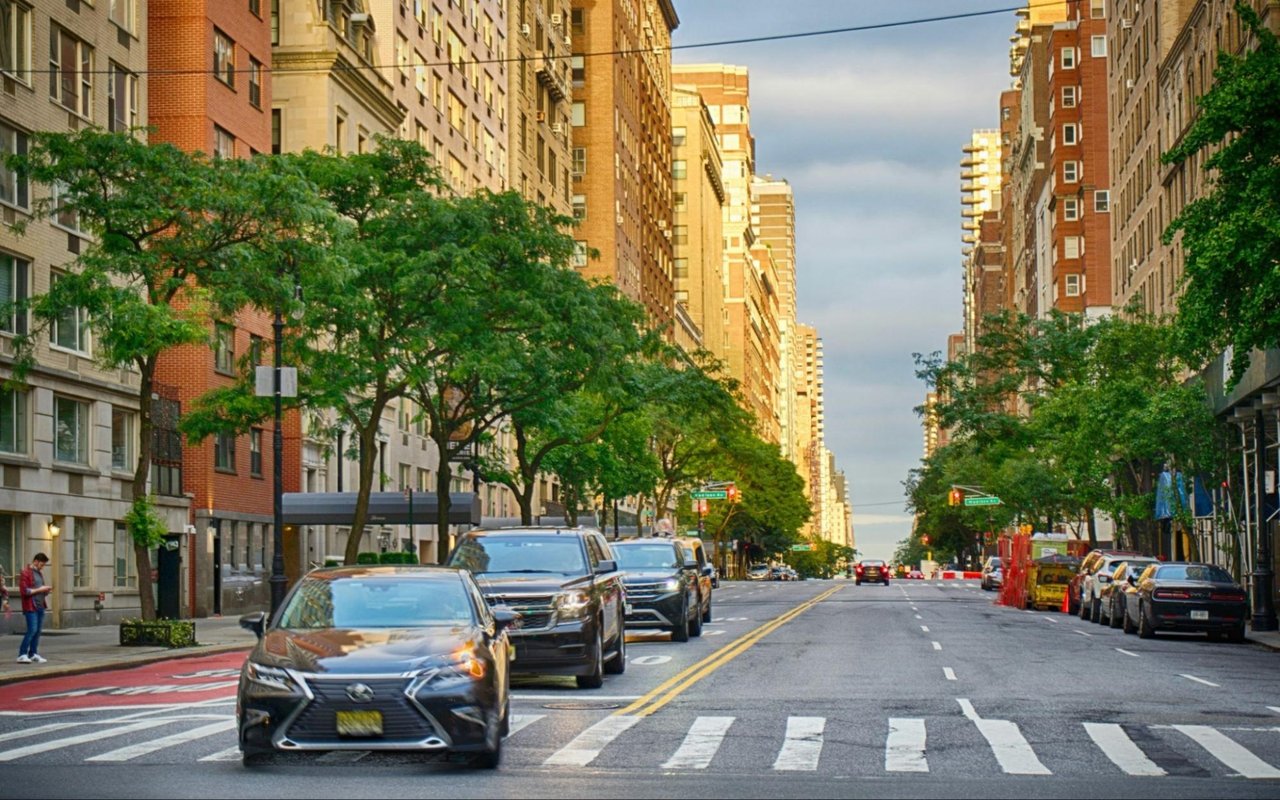
That difference shapes almost everything you experience. In Tribeca, the streetscape feels layered and organic, with older loft buildings, historic districts, and a tighter street grid. In Battery Park City, the public realm feels more orderly and intentional, with residential buildings, open space, and waterfront paths working together as part of a larger plan.
What Tribeca feels like day to day
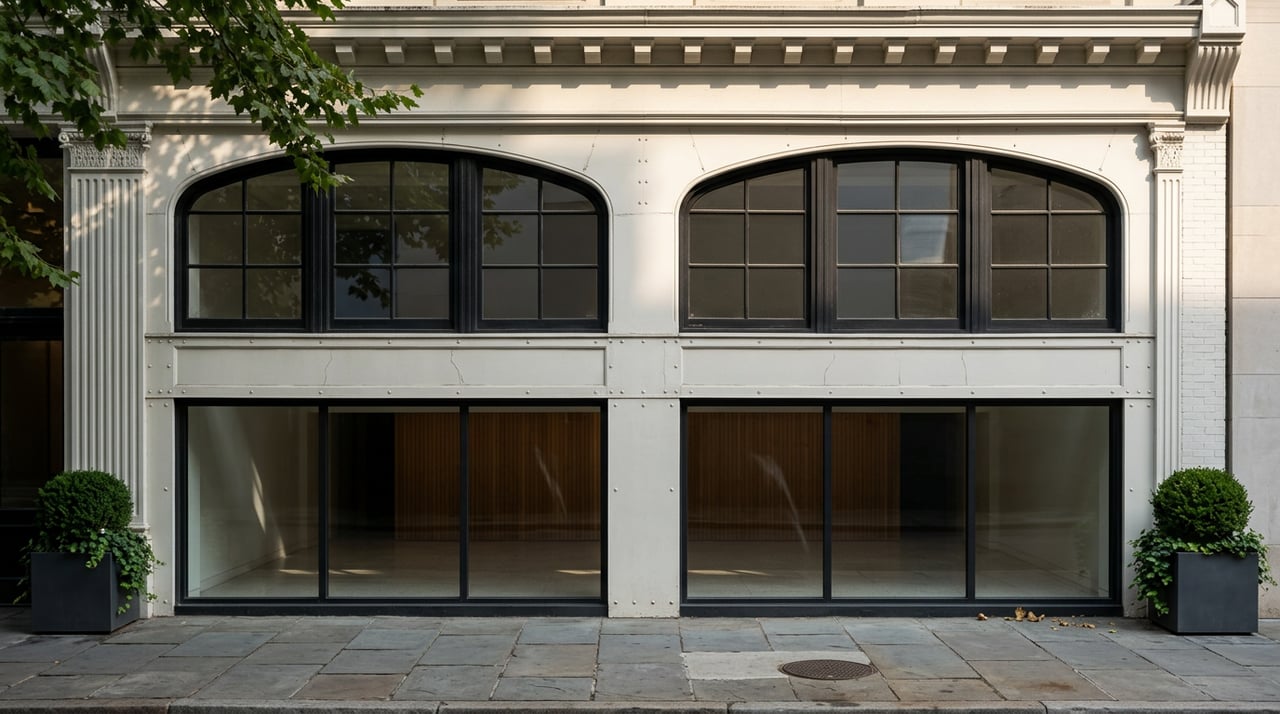
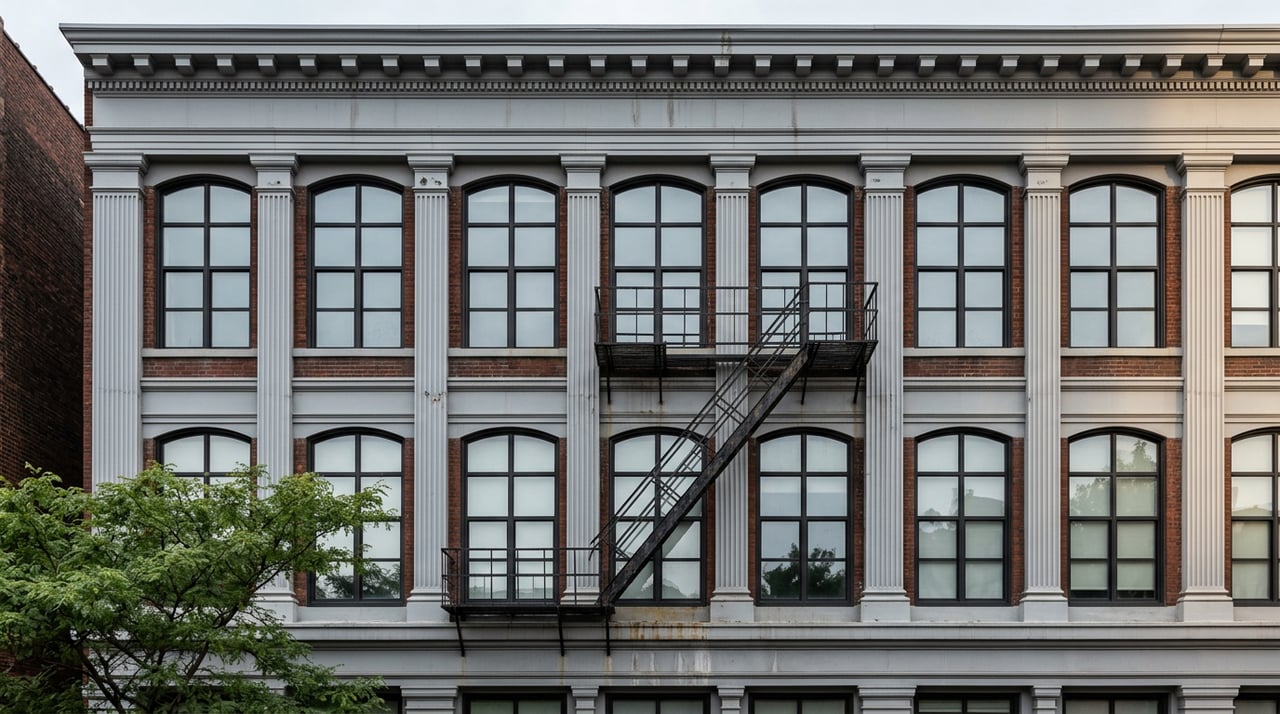
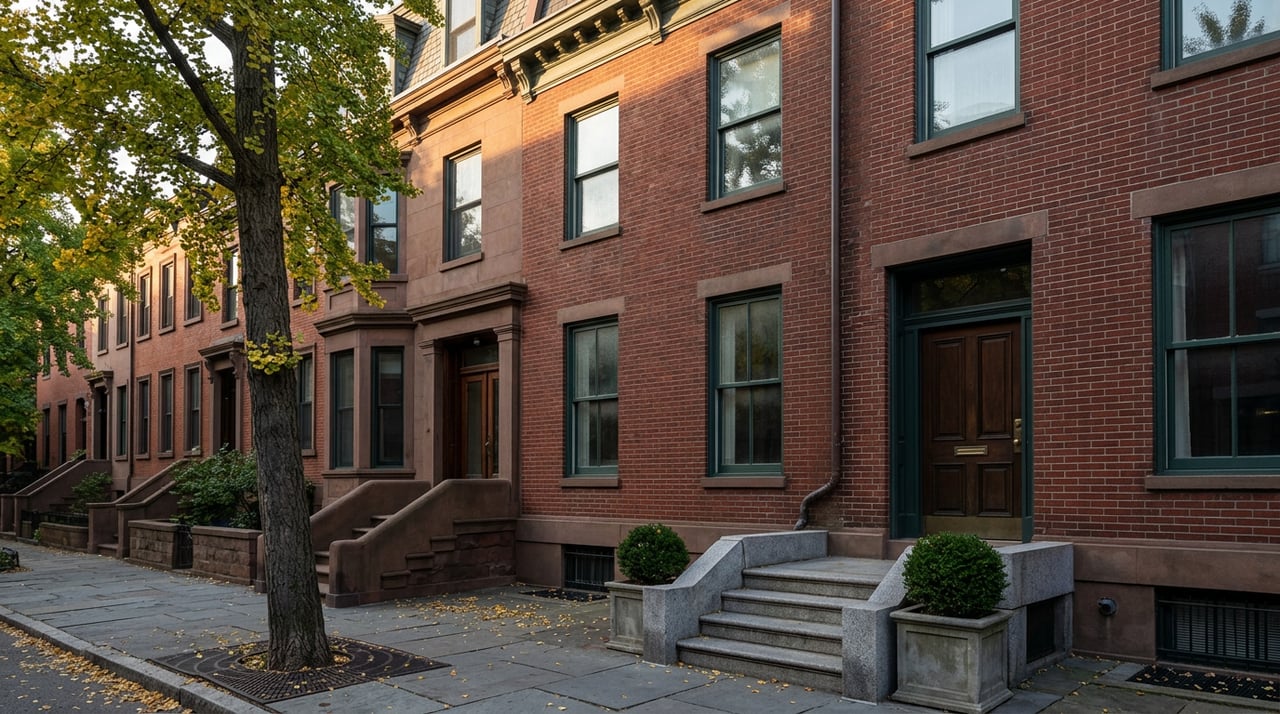
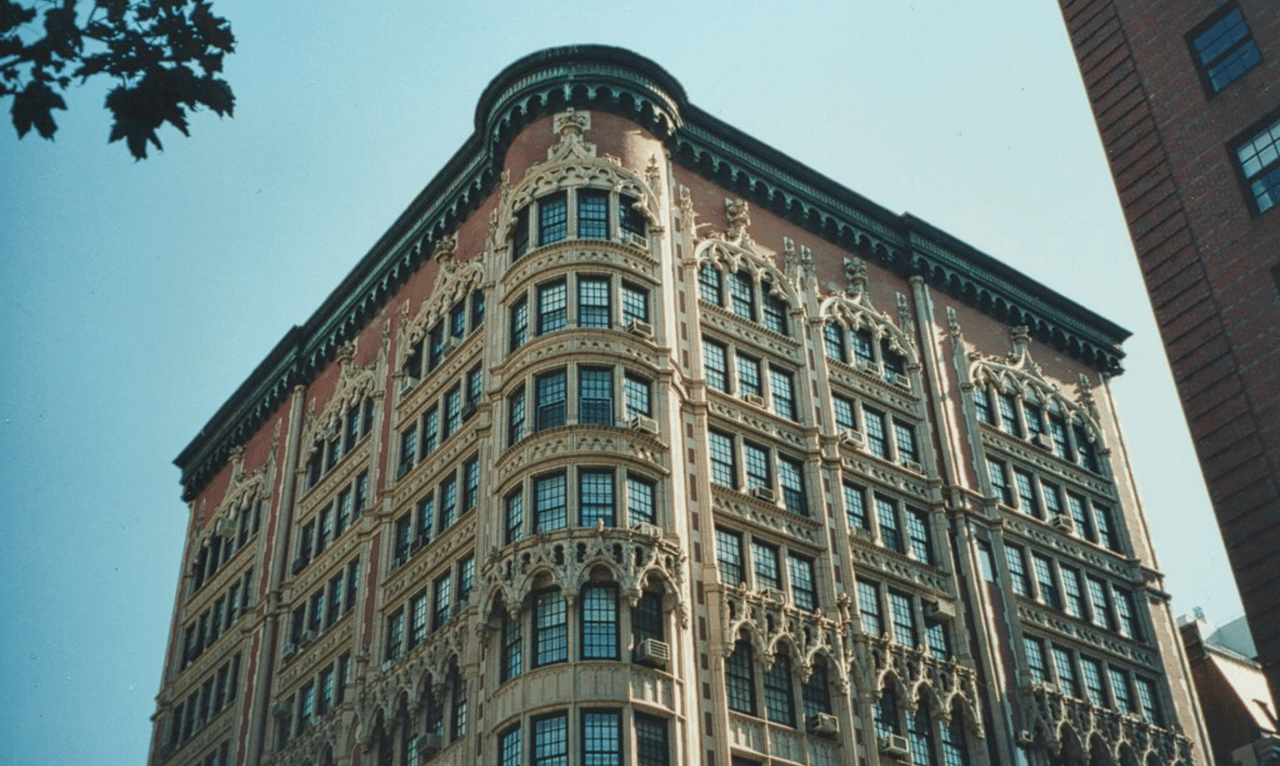
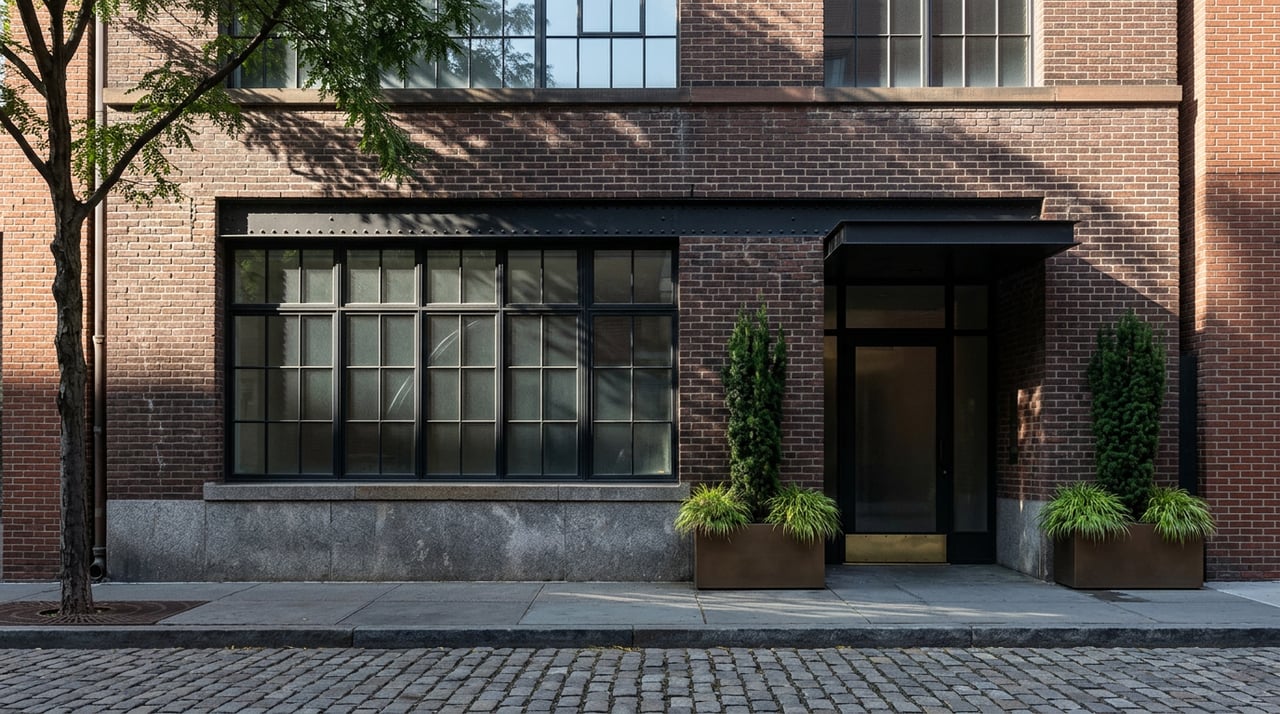
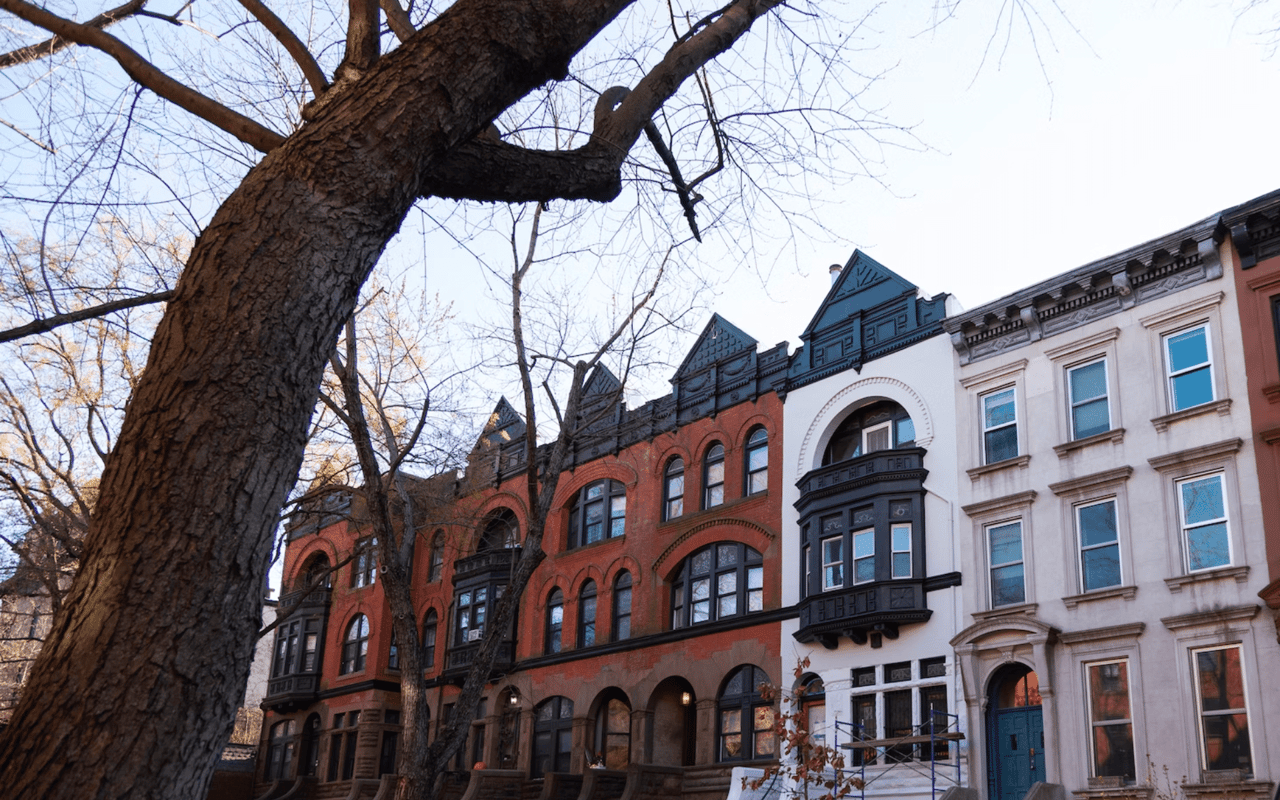
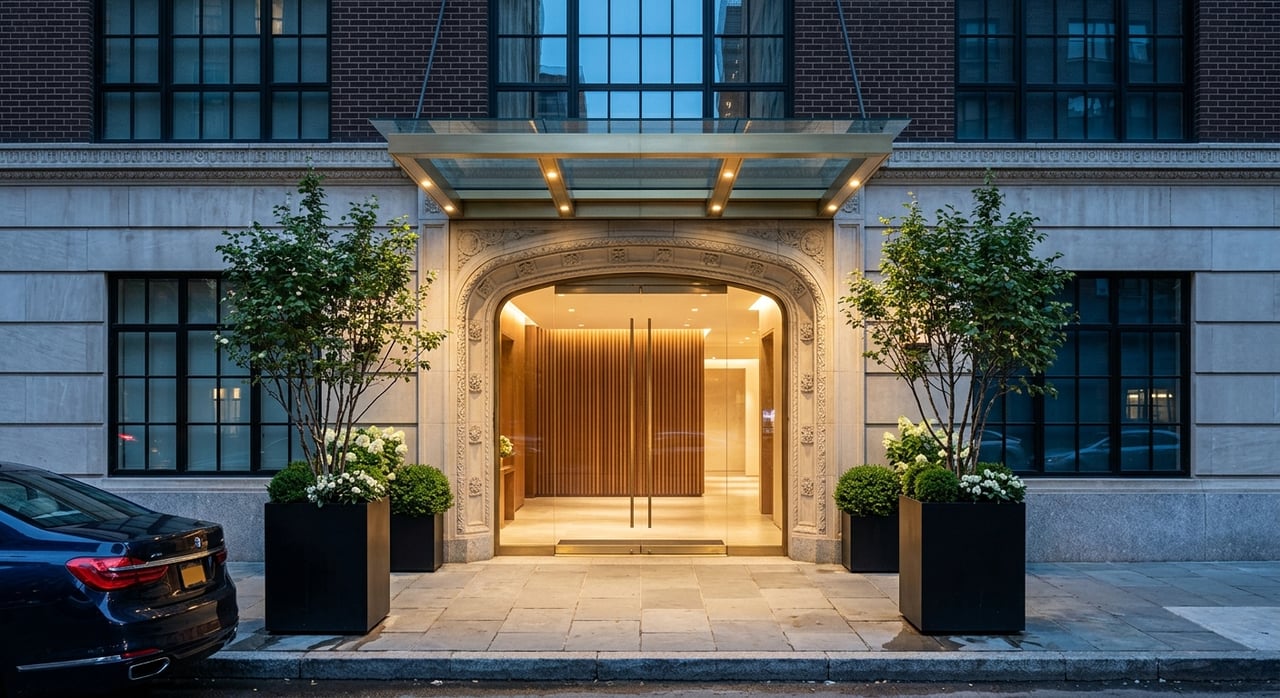
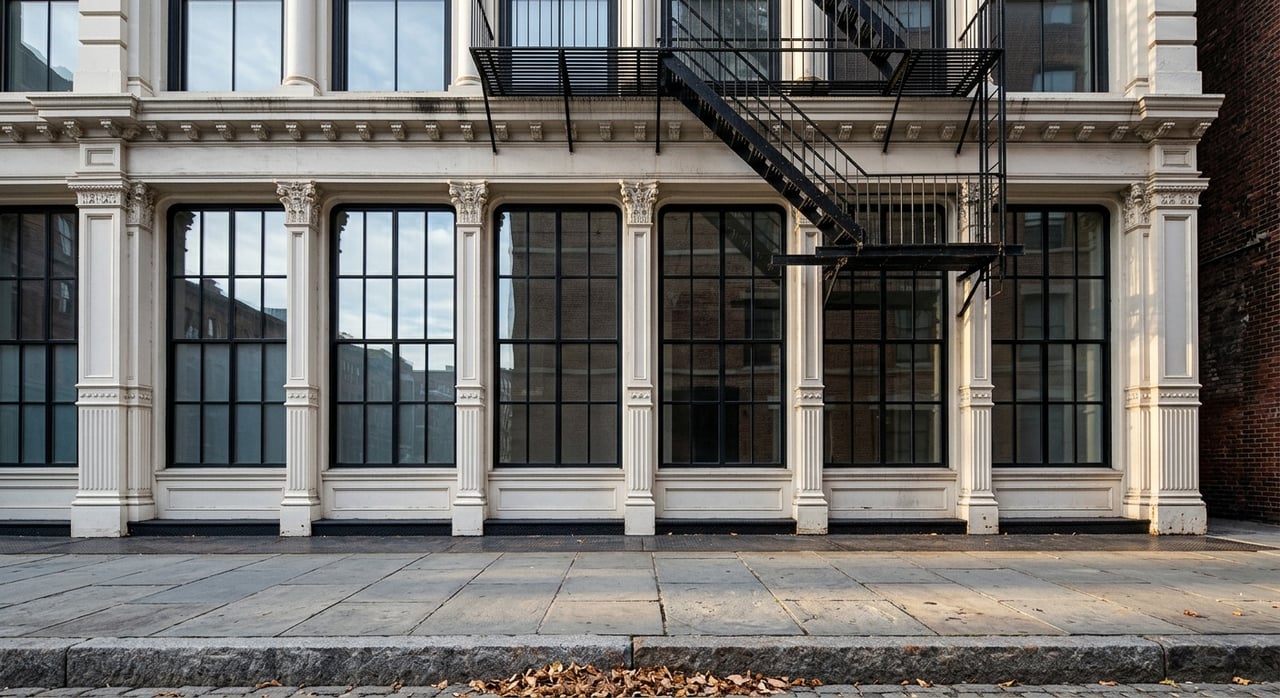
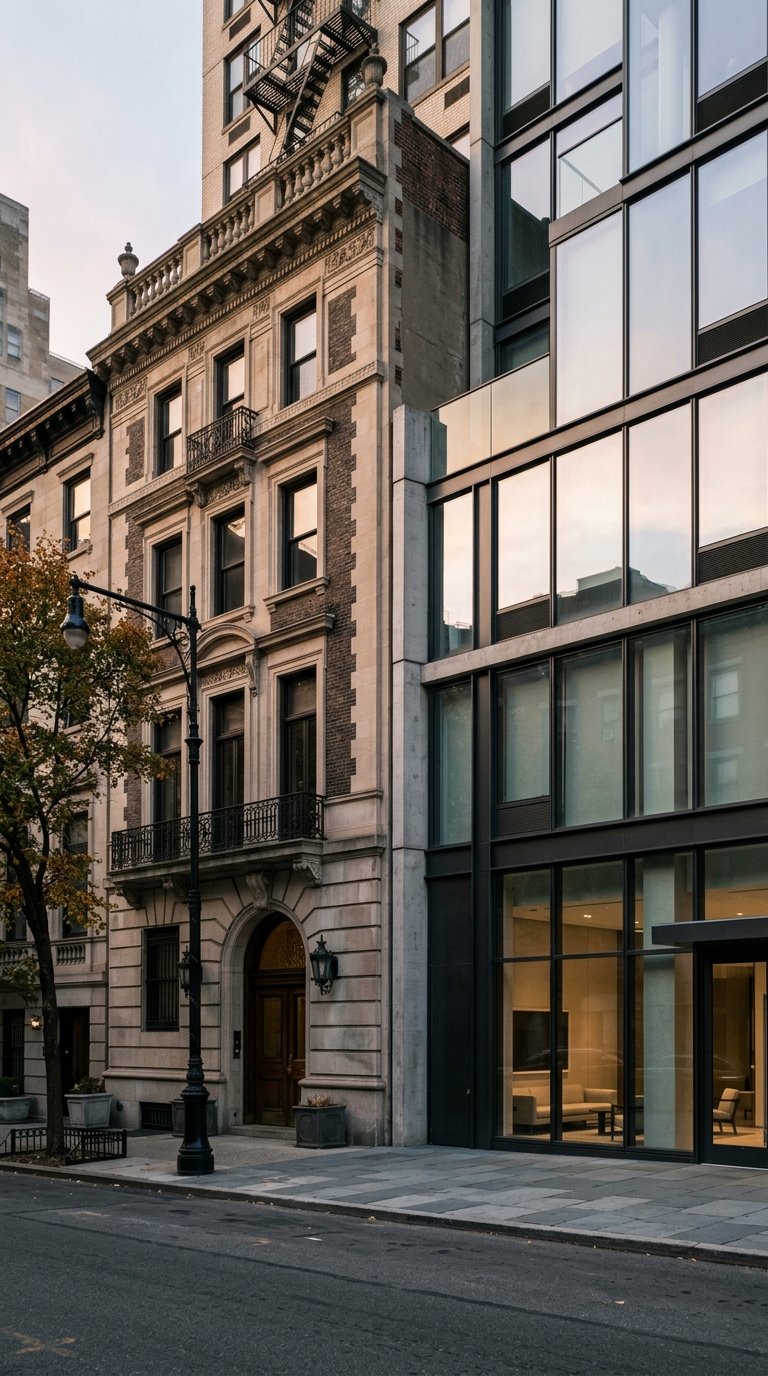
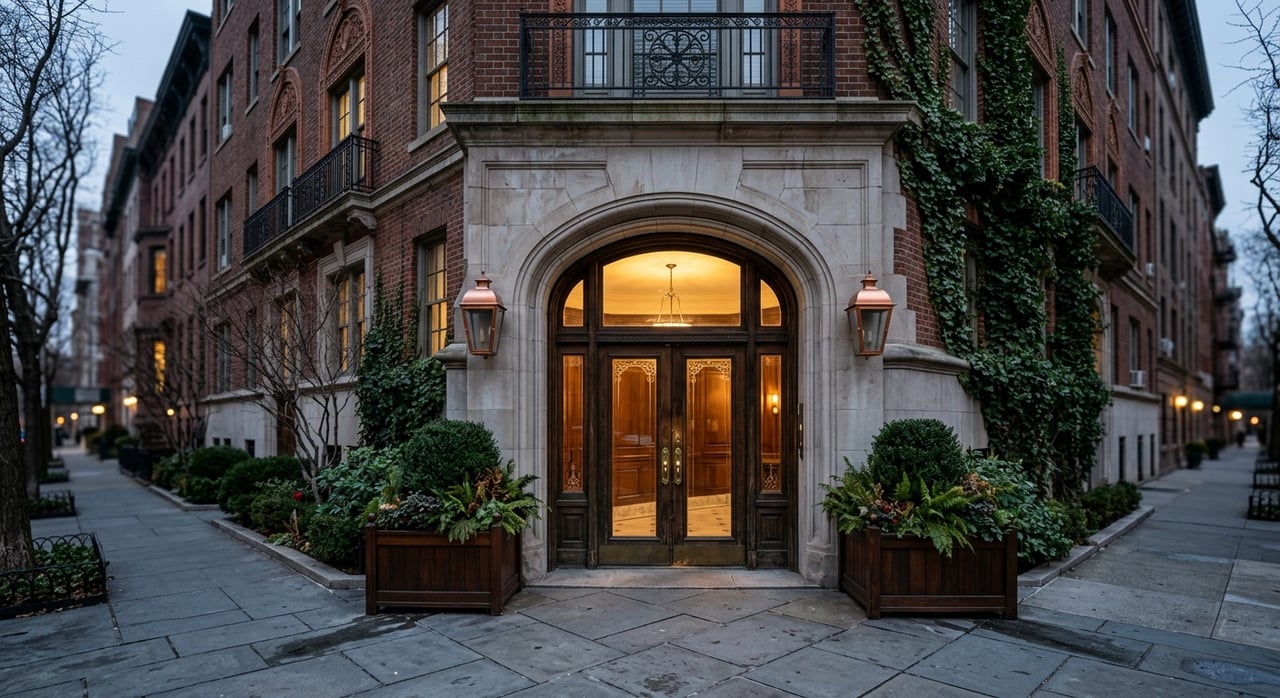
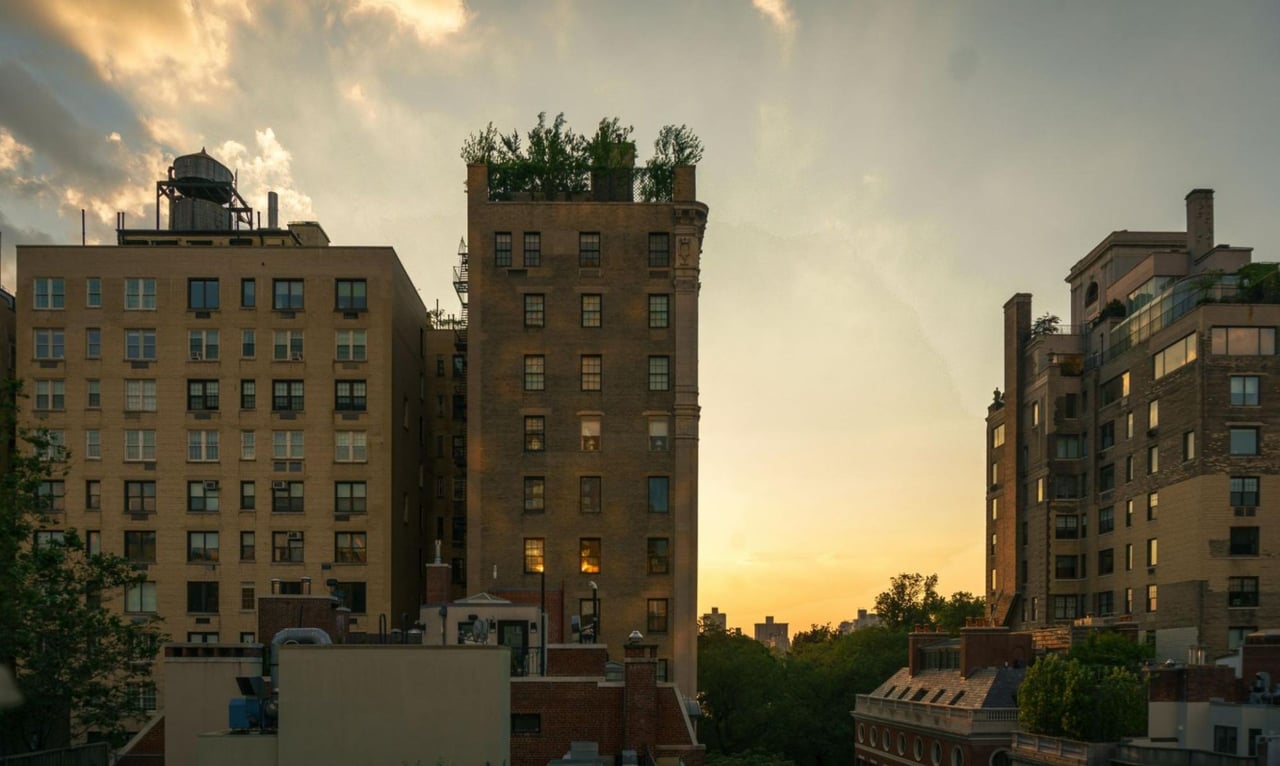
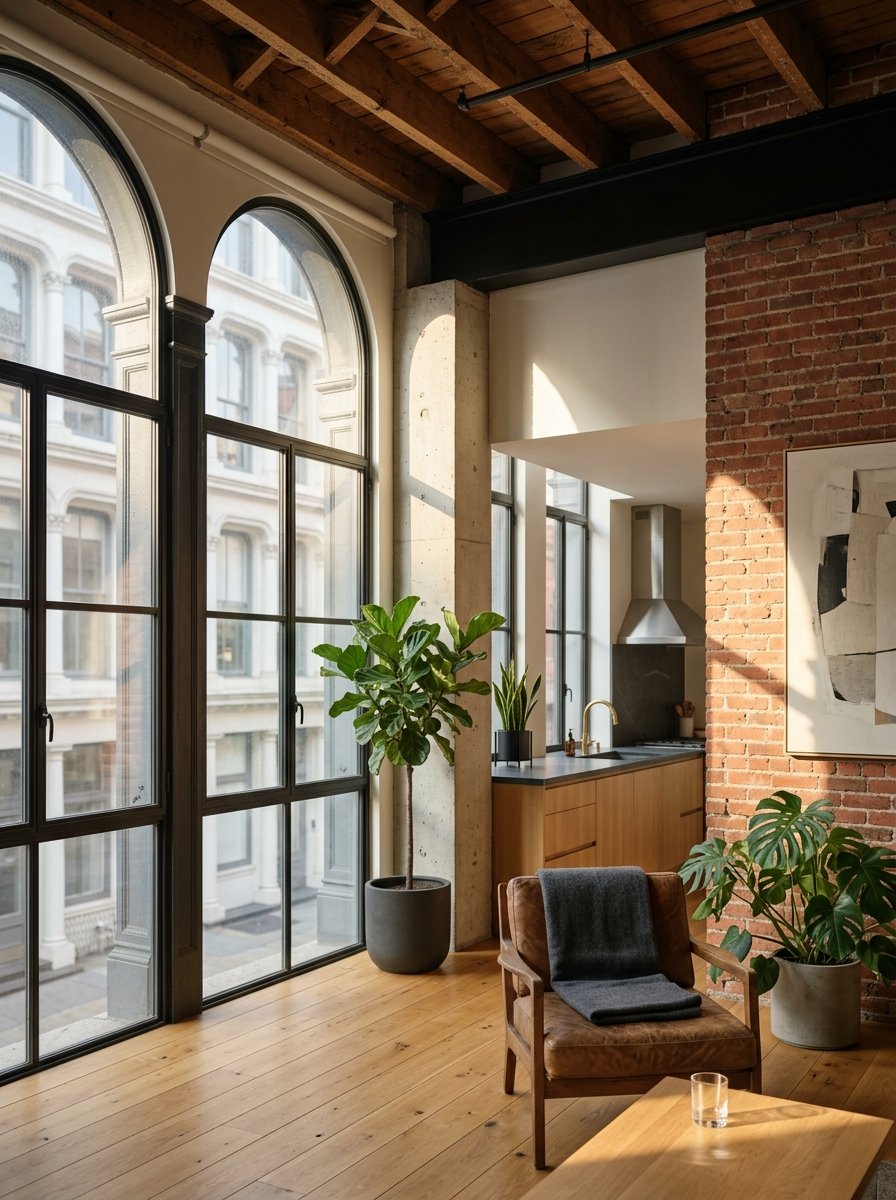
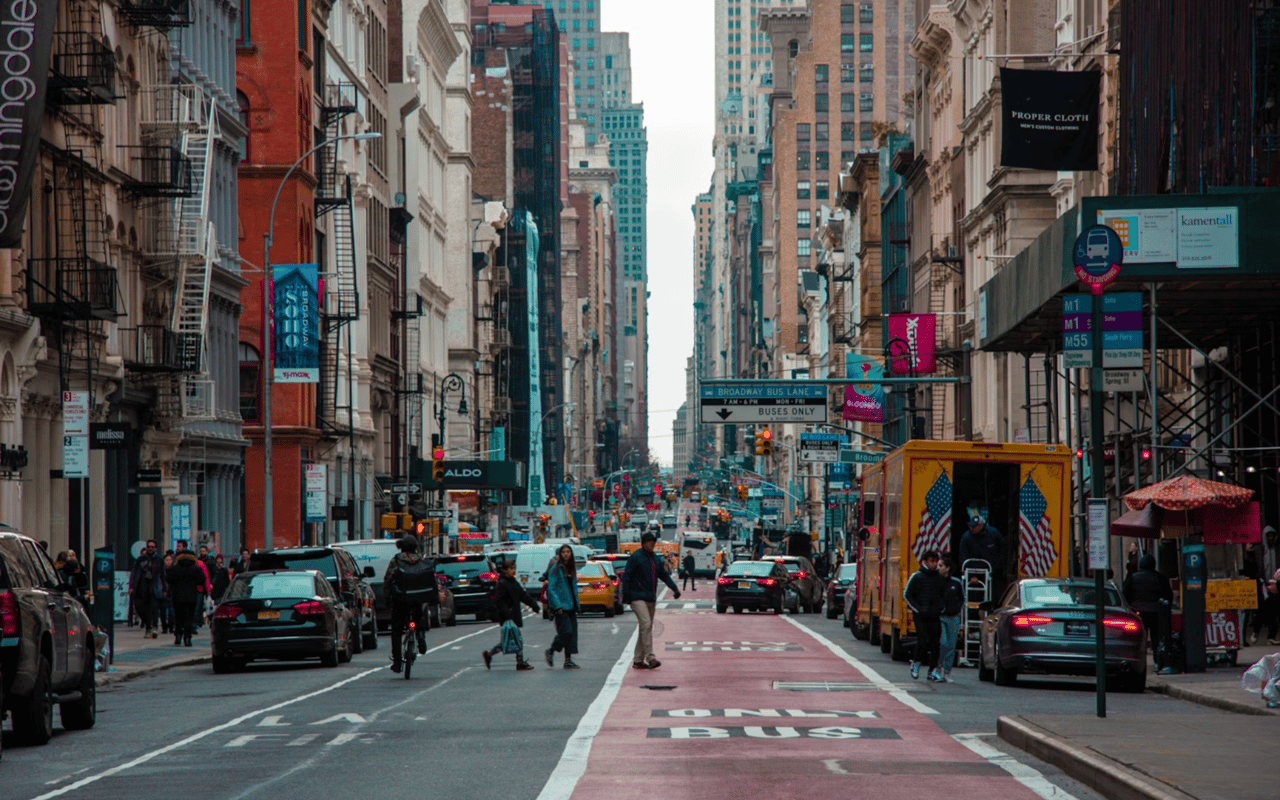
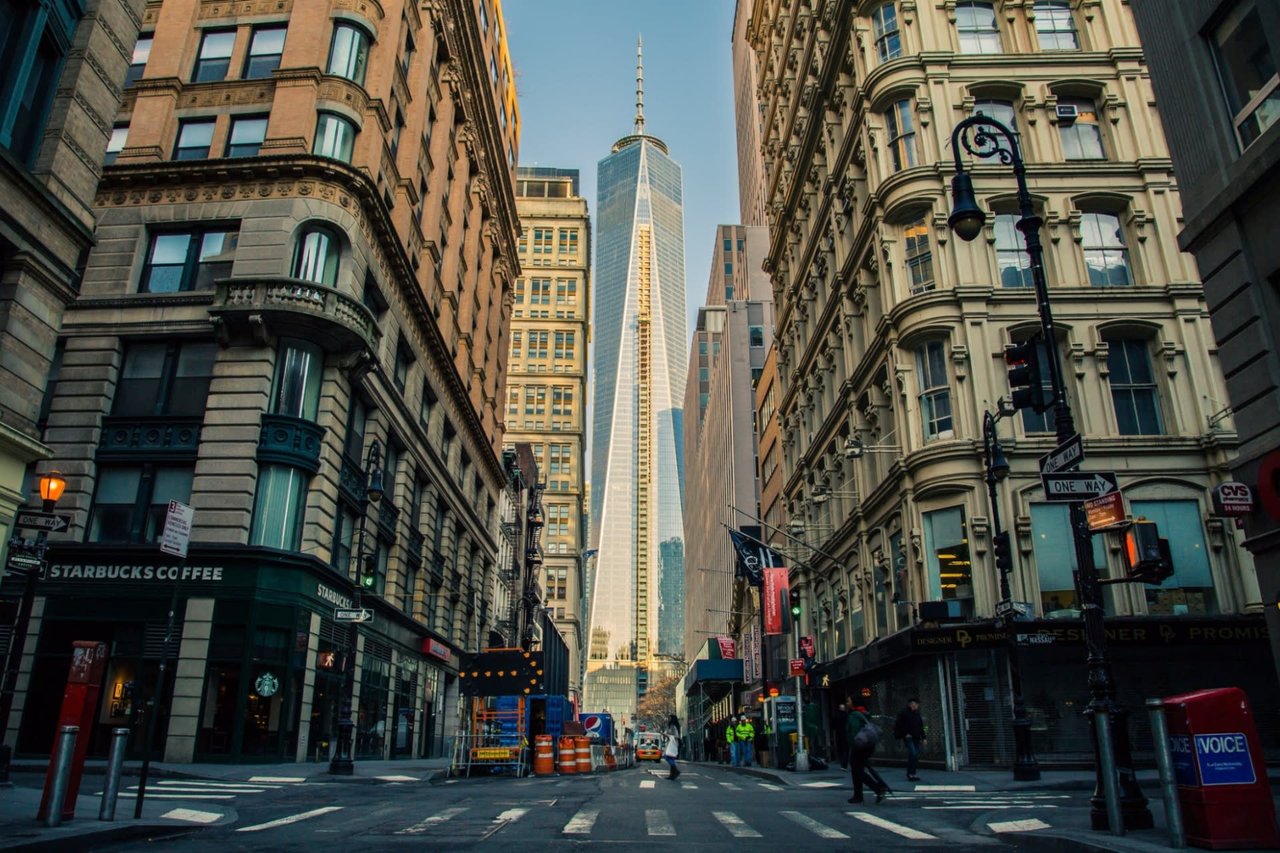
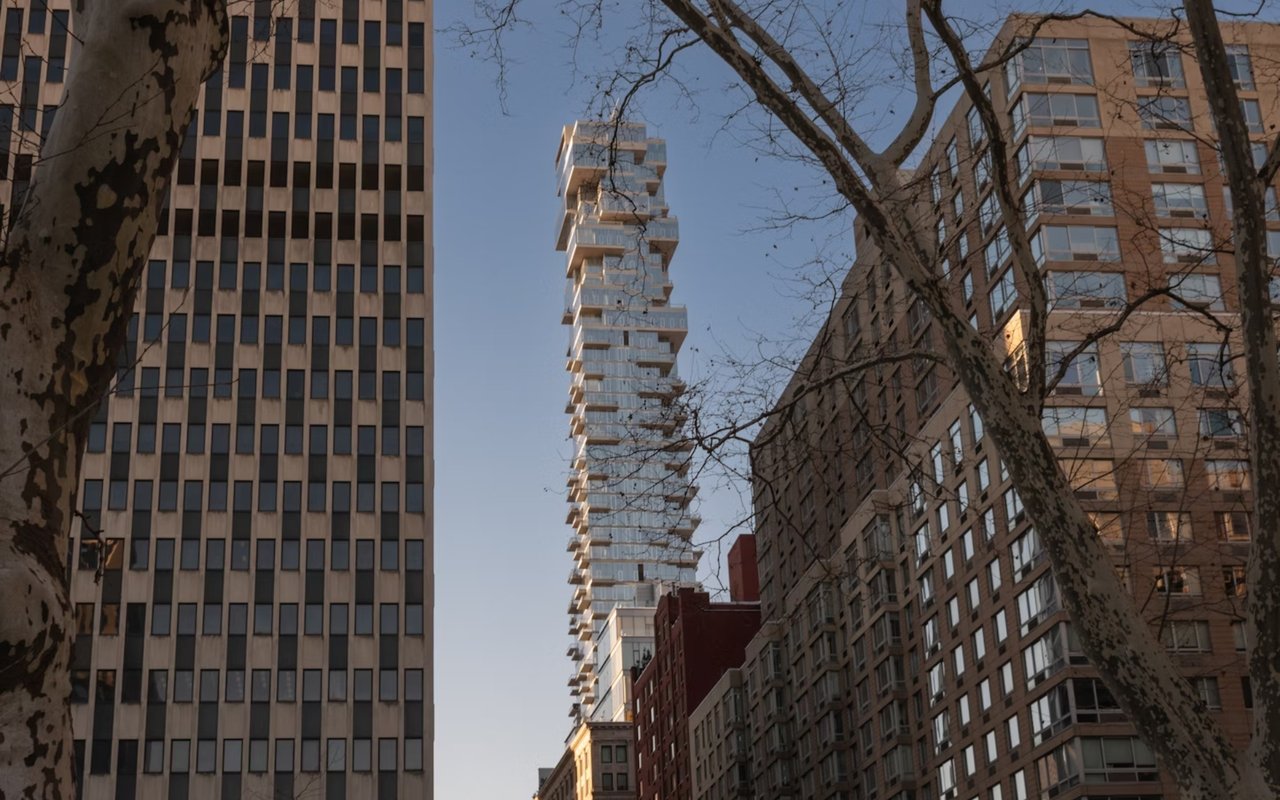
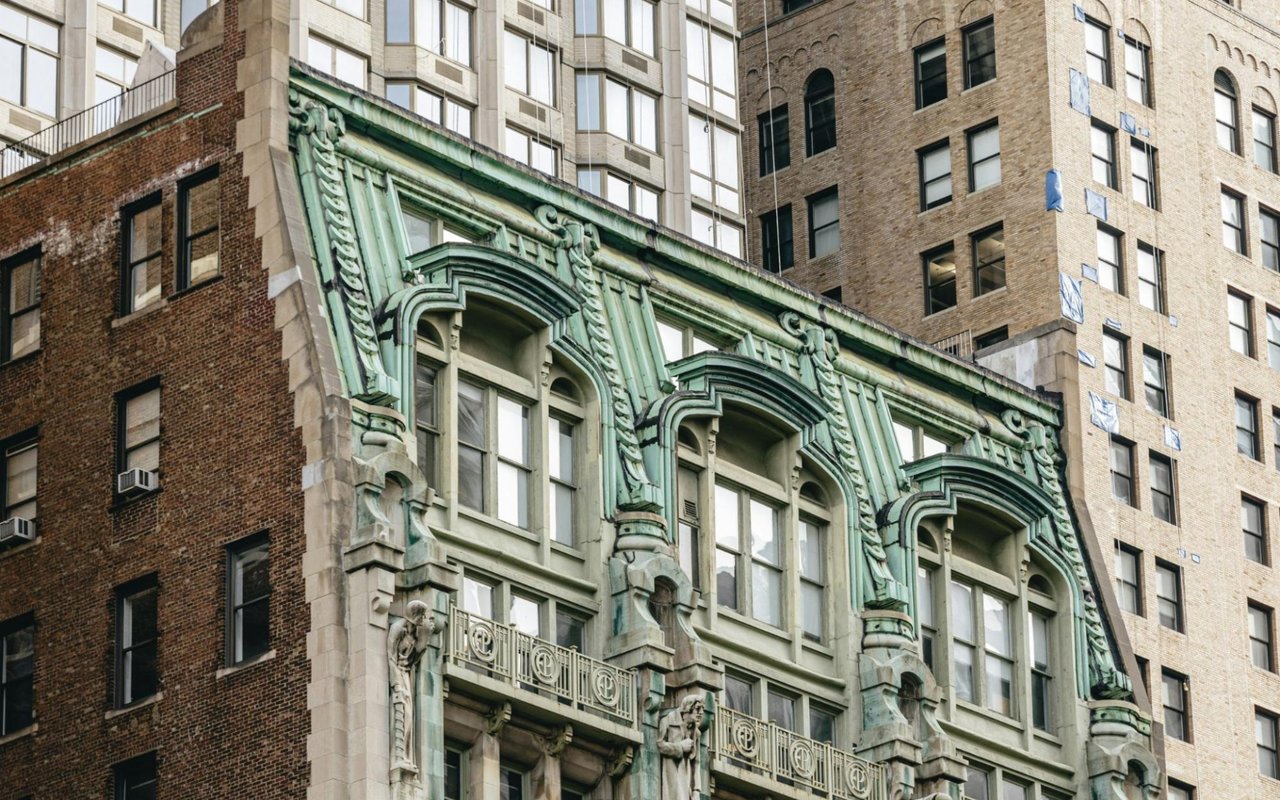
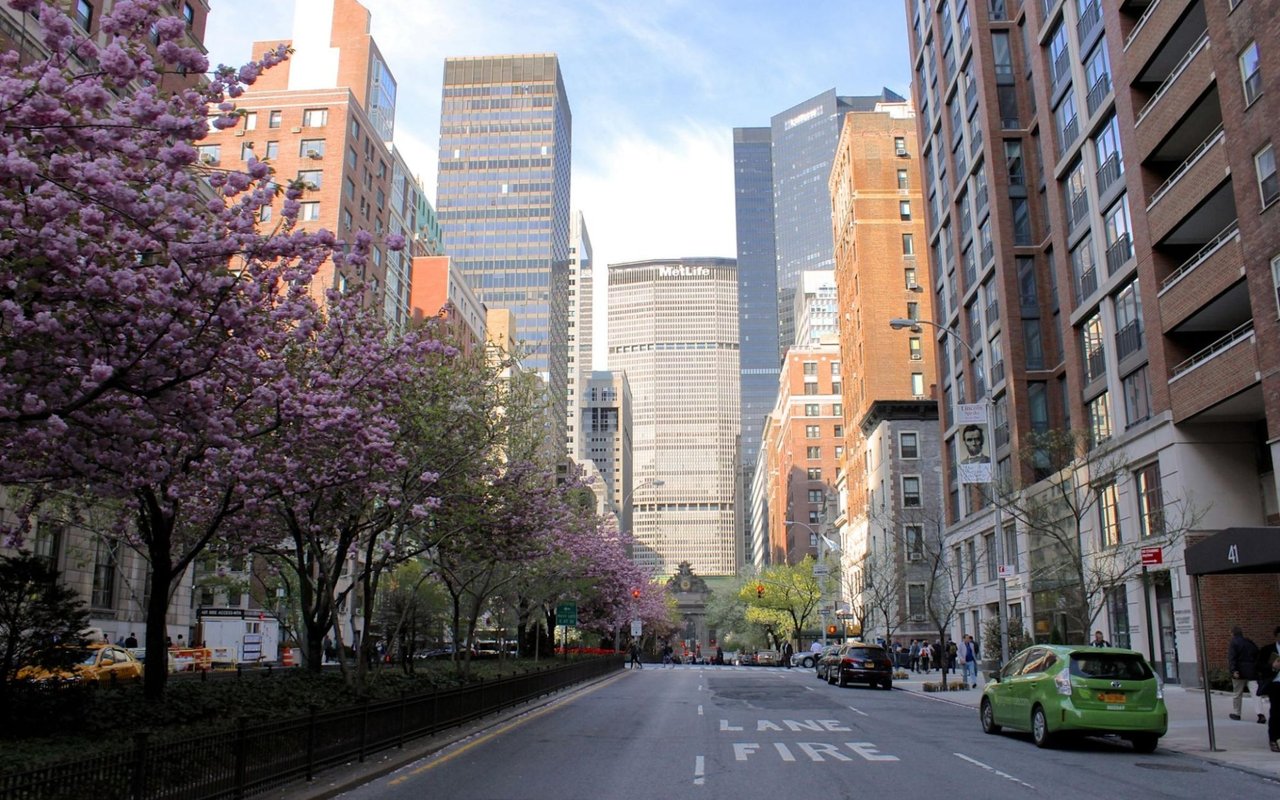
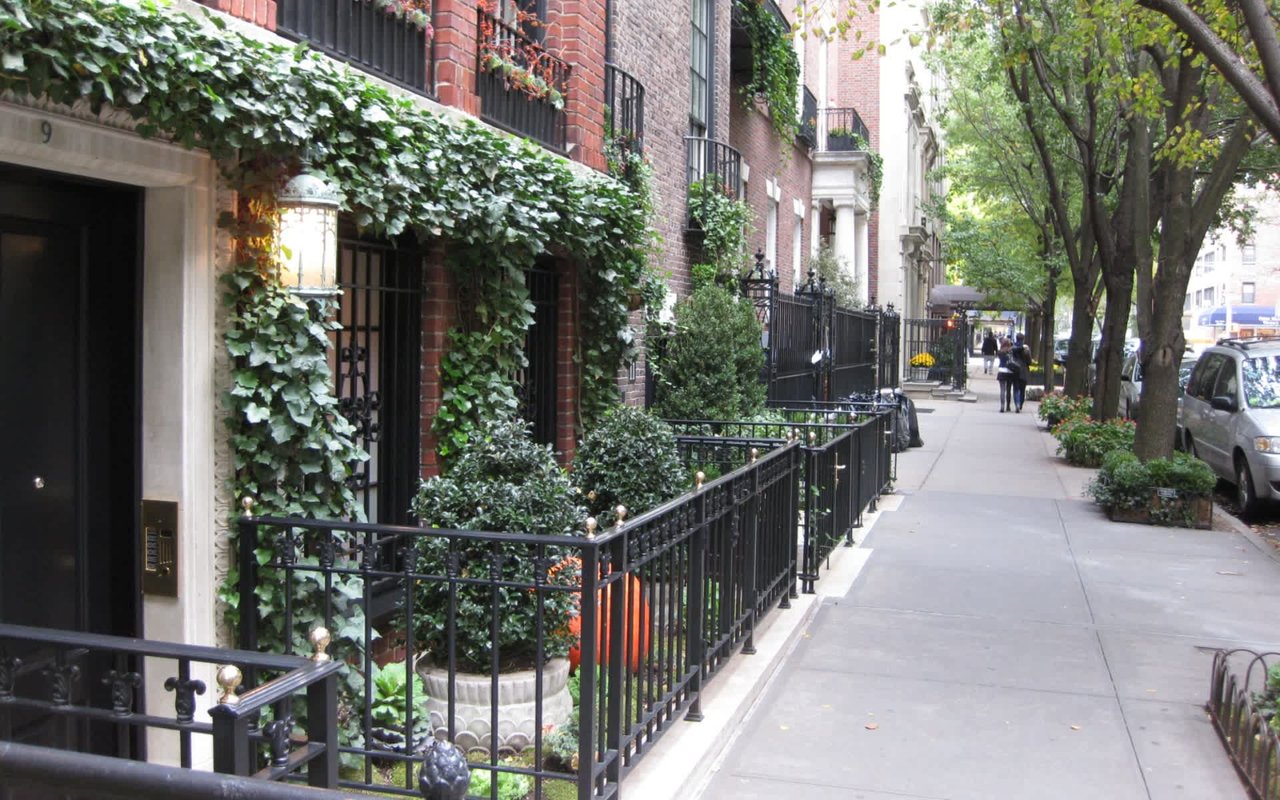
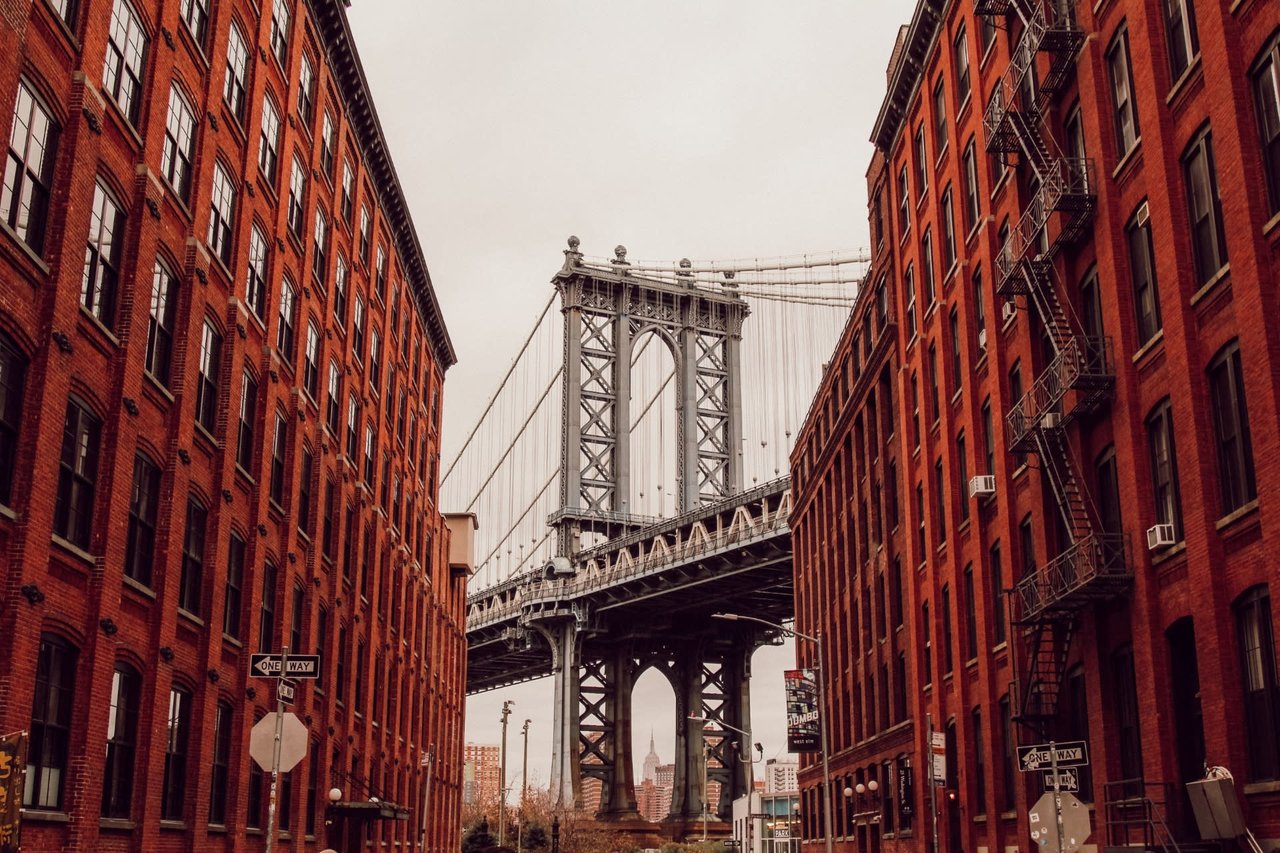
Tribeca is often the pick for buyers who want classic downtown character with a polished edge. The neighborhood is known for cast-iron lofts, cobblestone streets, and a mix of older architecture and dramatic new buildings.
It also tends to have a more restaurant-driven and refined street life. At the same time, some parts of North Tribeca are affected by the Holland Tunnel ramps, which can interrupt east-west movement and change how certain blocks feel at street level.
What Battery Park City feels like day to day
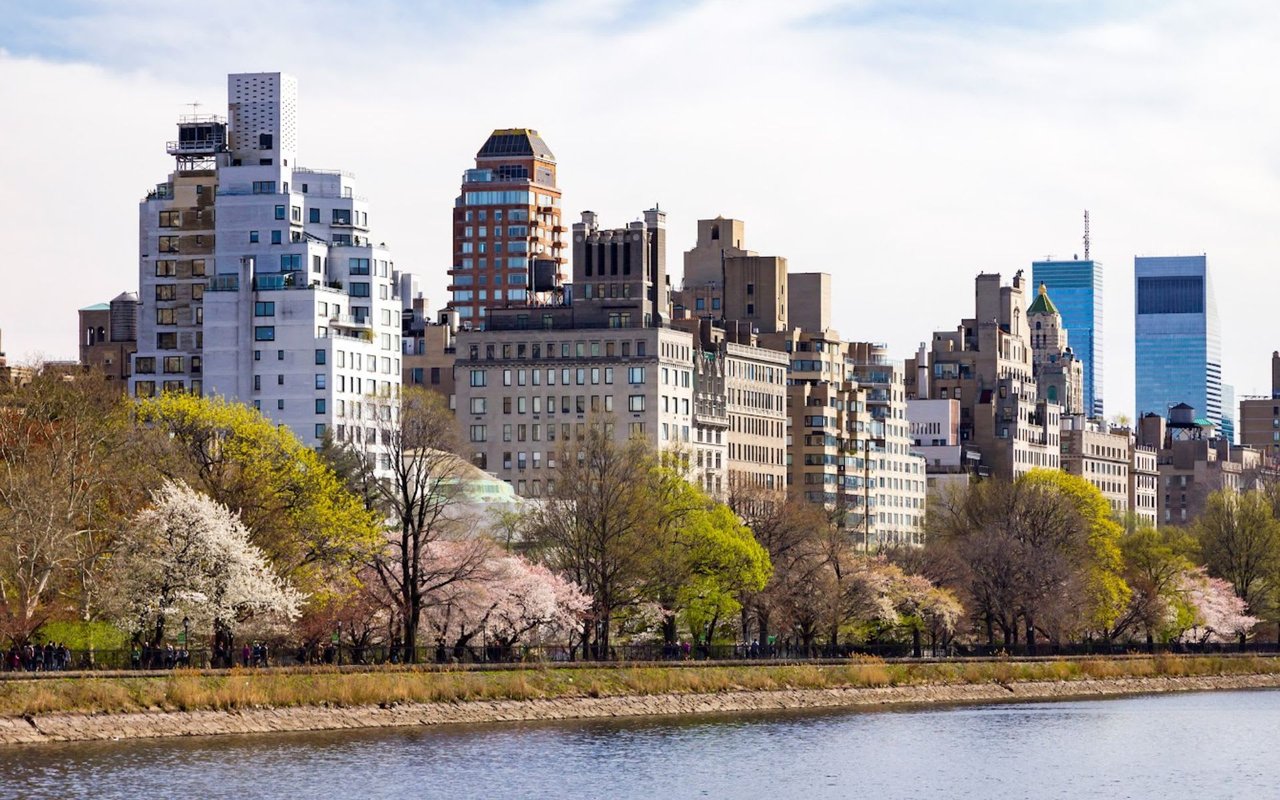
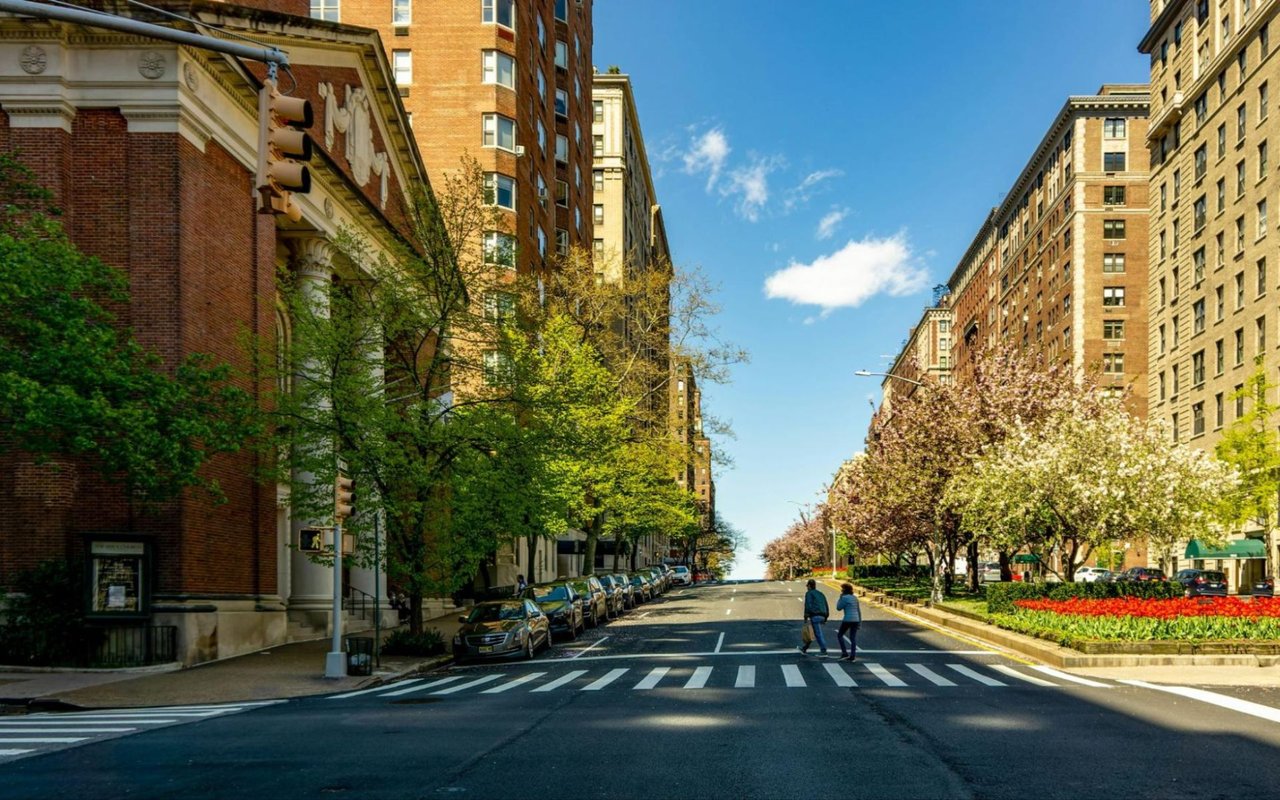
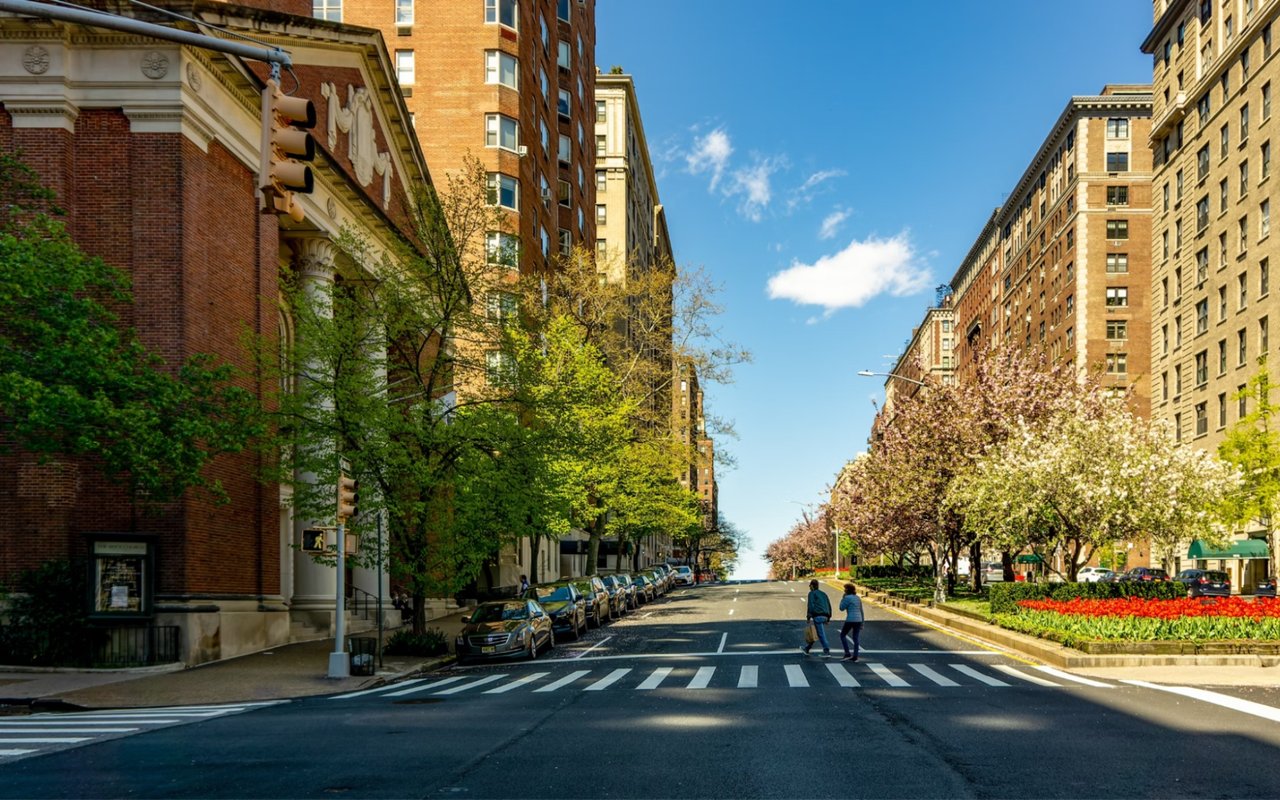
Battery Park City feels quieter, more residential, and more managed. The Battery Park City Authority describes it as a balanced community with residential, commercial, retail, parks, and open space, along with free year-round programming open to the public.
In practice, that often translates into a calmer atmosphere, especially at night and on weekends. If you want a waterfront setting with a more peaceful rhythm, Battery Park City has a clear identity.
Housing stock: loft variety or tower consistency?
Your building matters just as much as your neighborhood in Manhattan. Tribeca and Battery Park City differ sharply here, and that can shape everything from layout to amenities to resale expectations.
Tribeca homes offer more variety
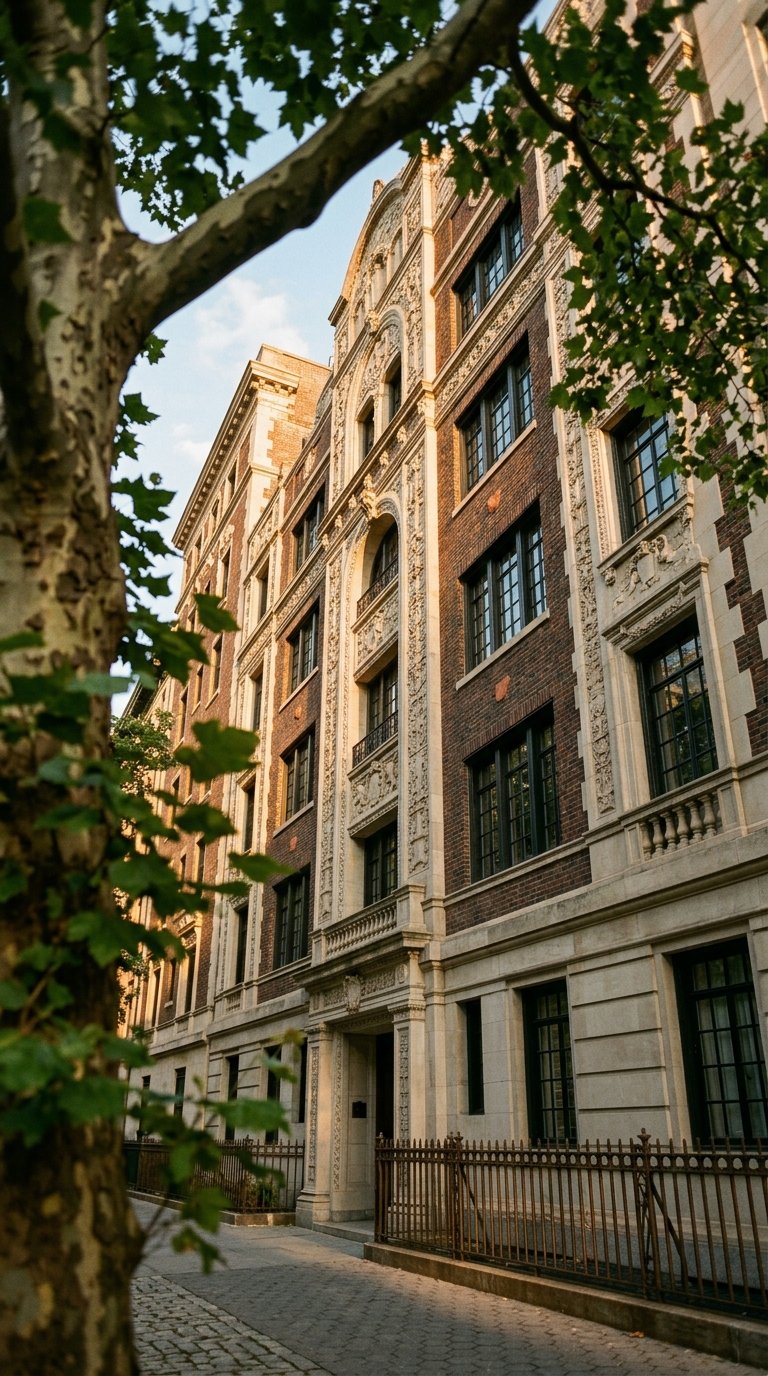
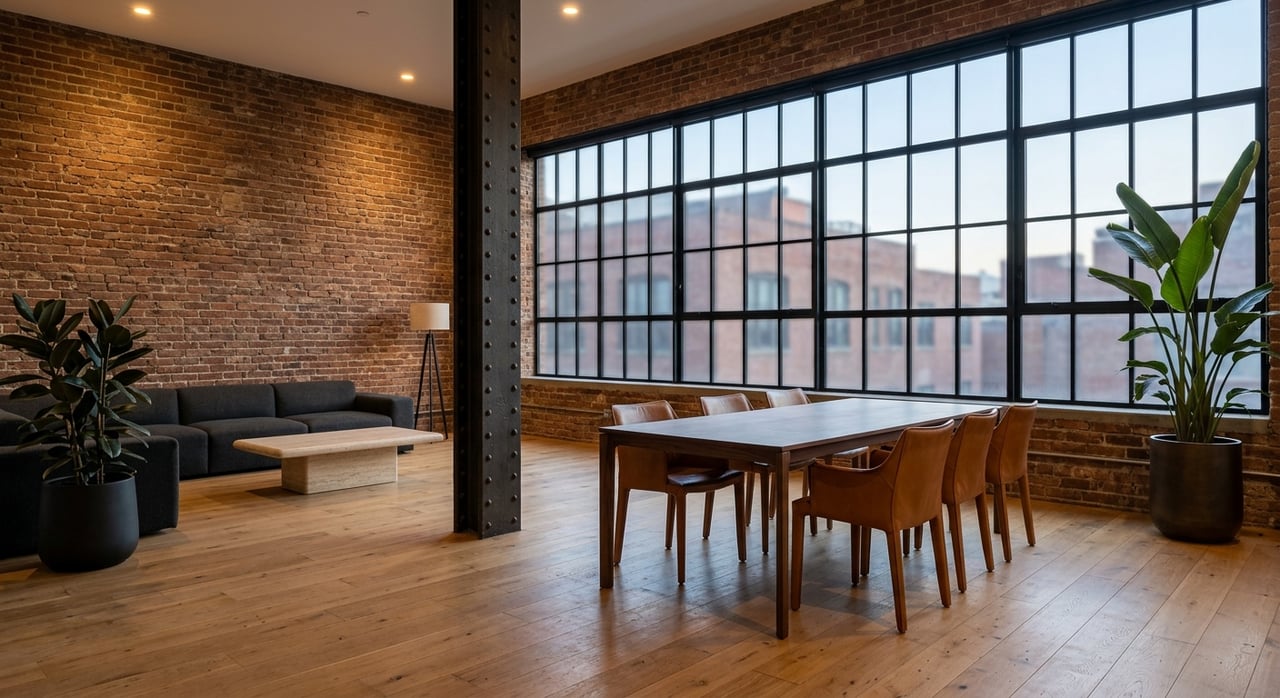
Tribeca’s housing stock is defined by range. Planning documents describe many five- to six-story buildings in North Tribeca, taller buildings west of Sixth Avenue, and a long history of warehouse and loft conversions.
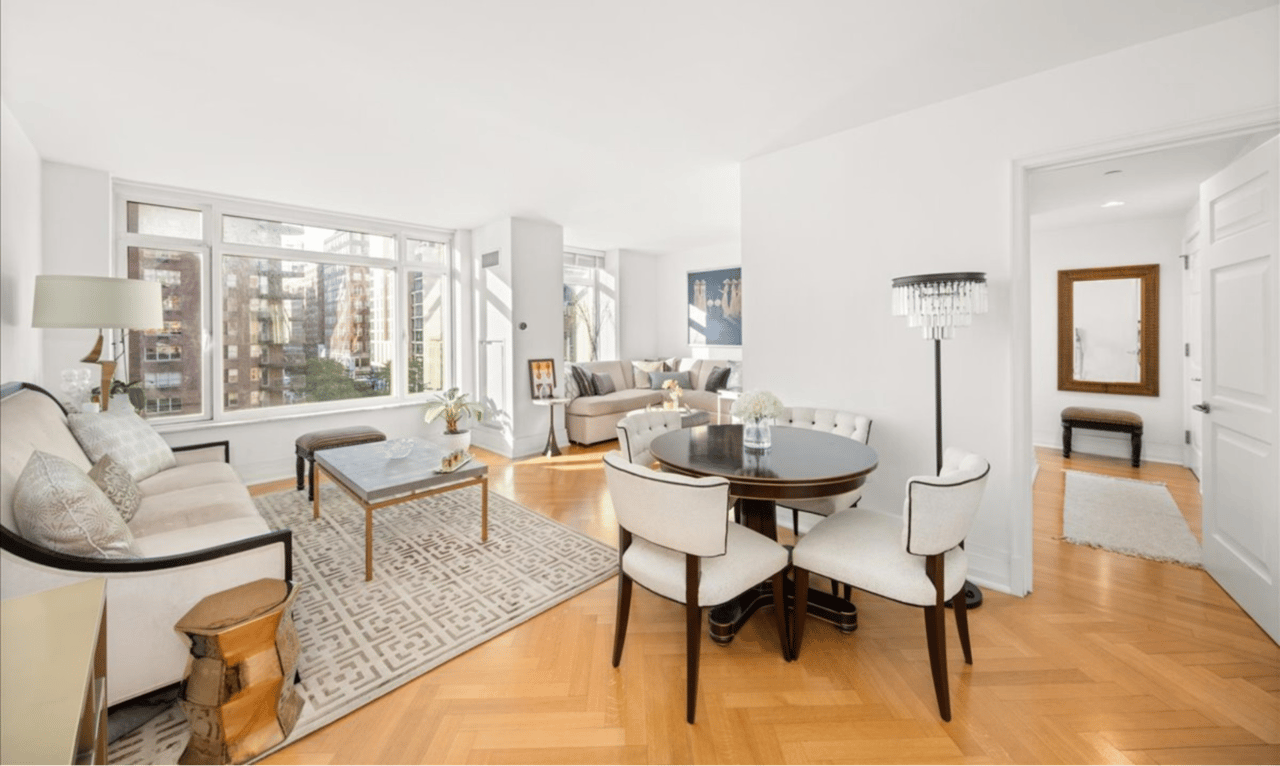
For you as a buyer or renter, that usually means more variation from one property to the next. Ceiling heights, floor plans, architectural details, and overall building character can change a lot block by block.
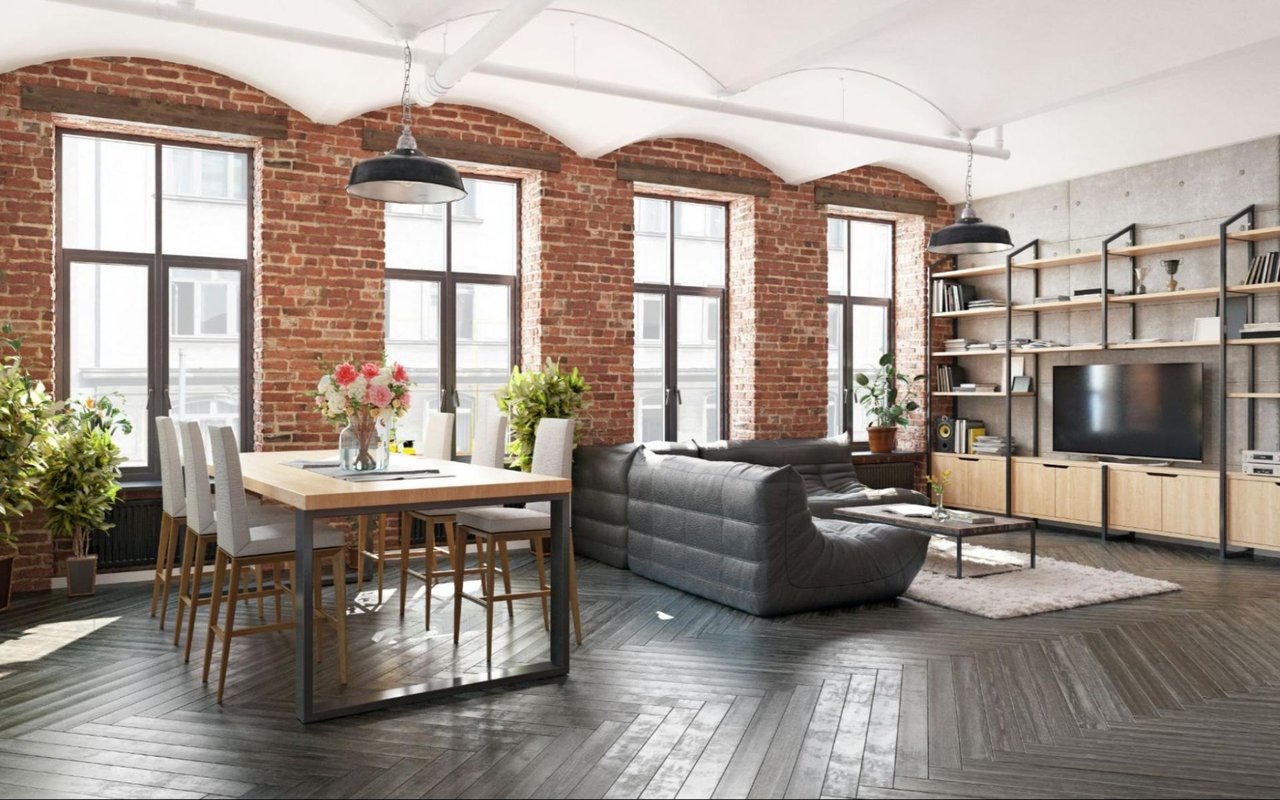
If you are drawn to industrial loft architecture, unique layouts, or a less uniform housing experience, Tribeca may feel more compelling. It tends to reward buyers who are comfortable comparing buildings carefully rather than expecting one standard template.
Battery Park City homes feel more uniform
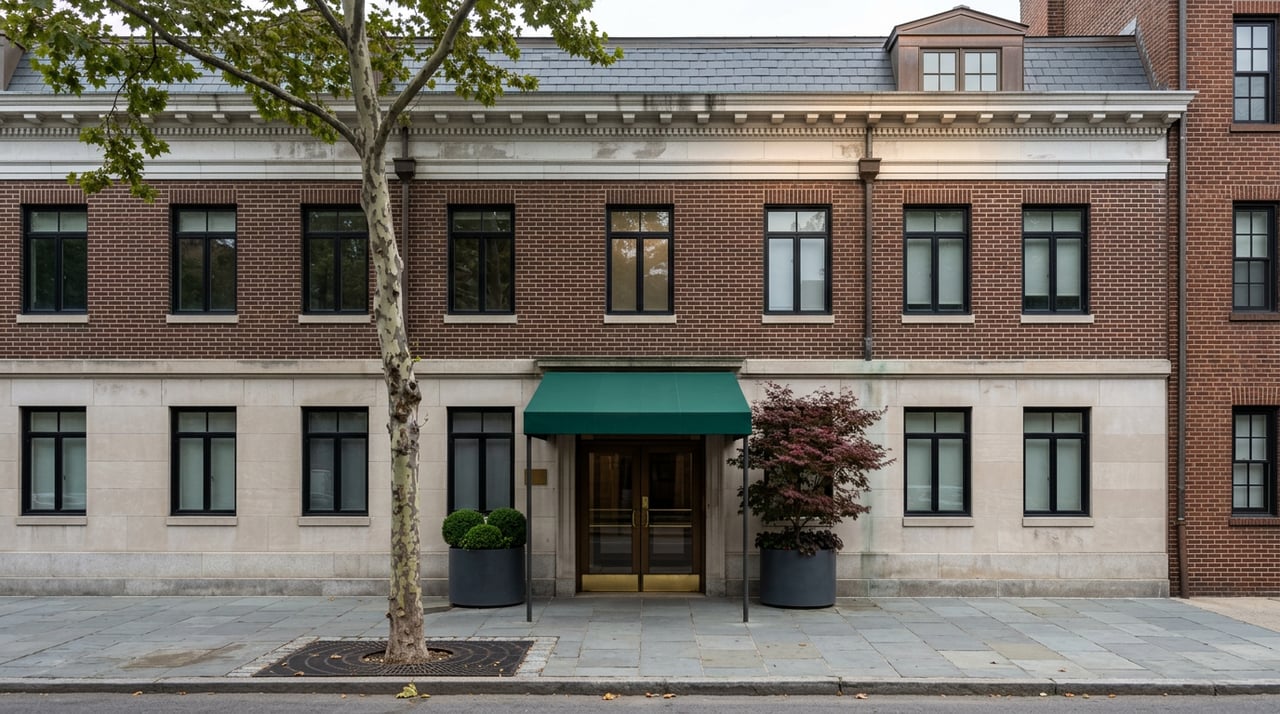
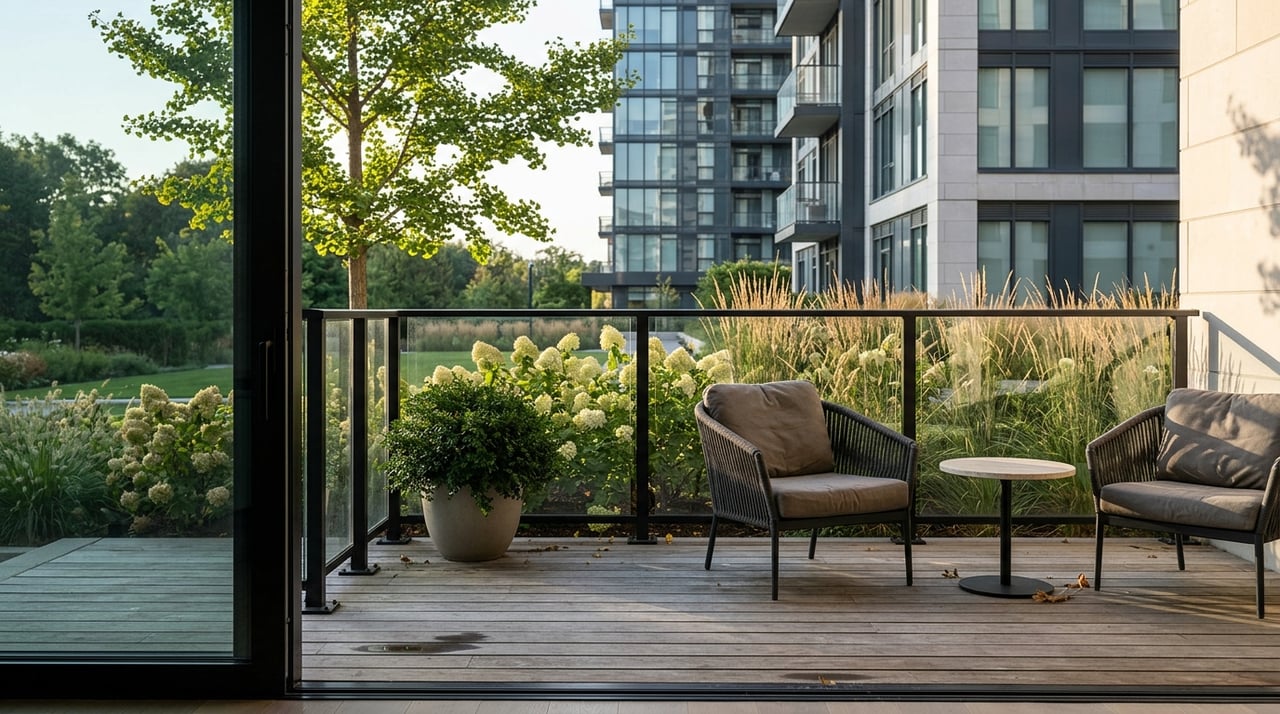
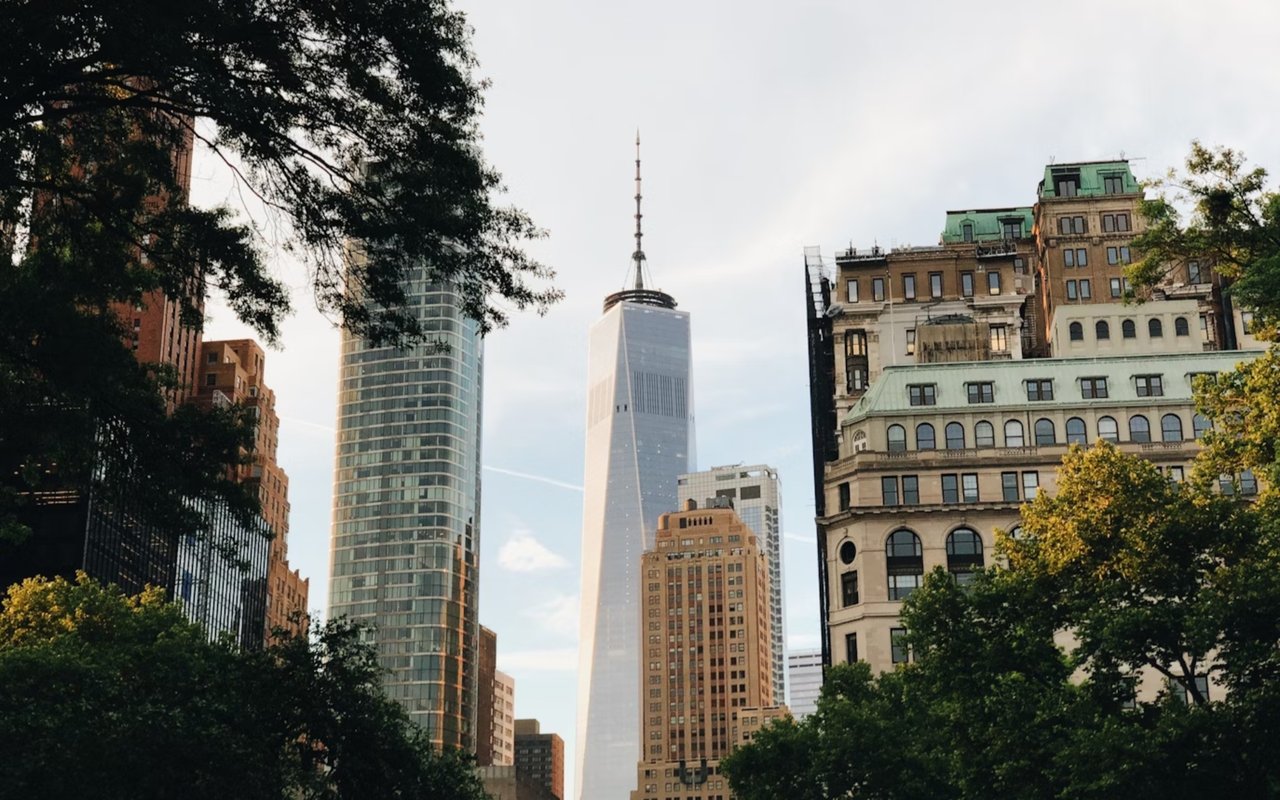
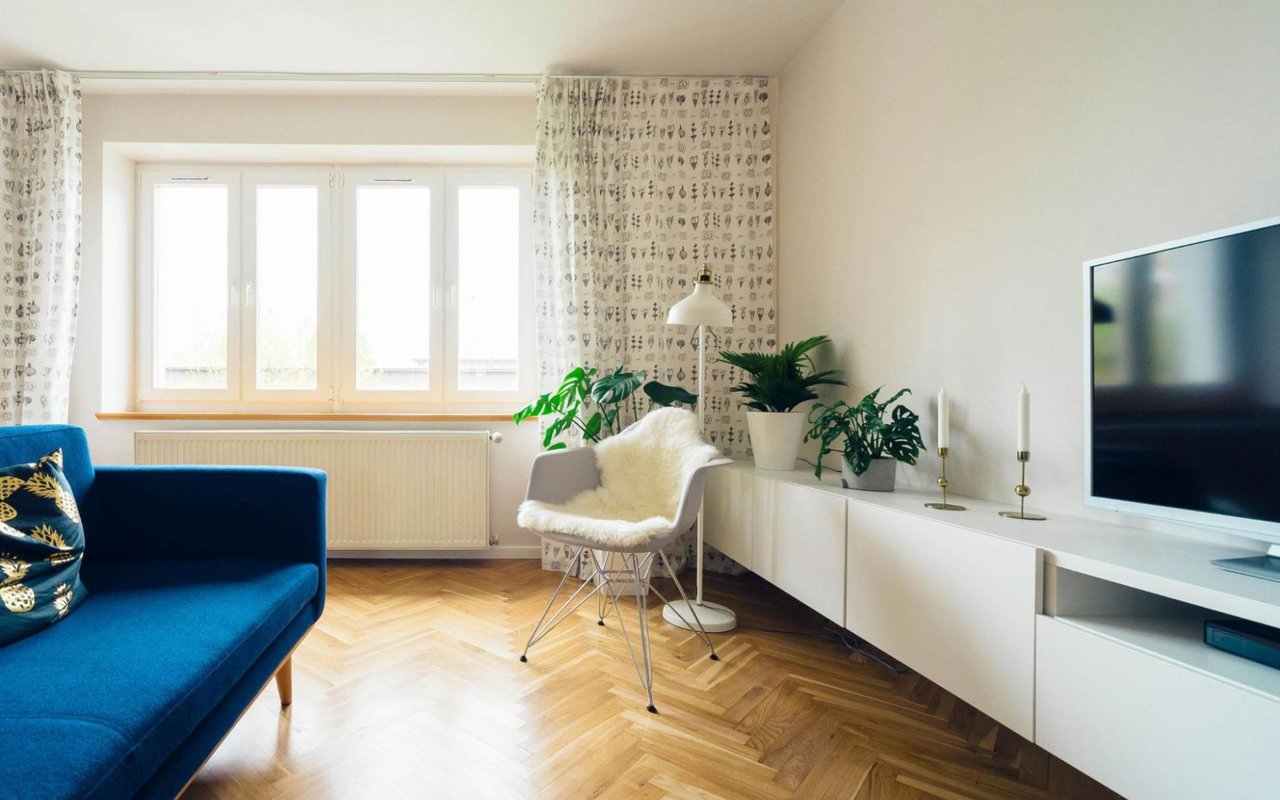
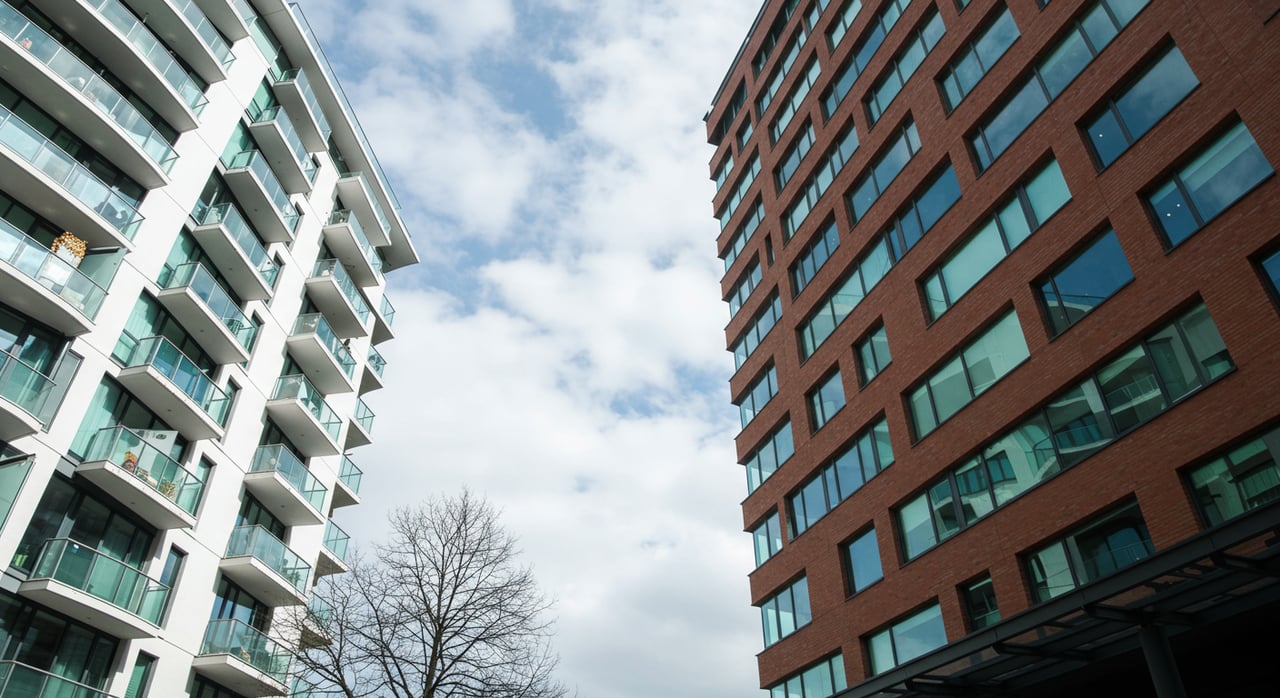
Battery Park City has a more consistent building profile. The housing stock is made up largely of condos in newer developments, and the neighborhood overall reflects its planned-community design.
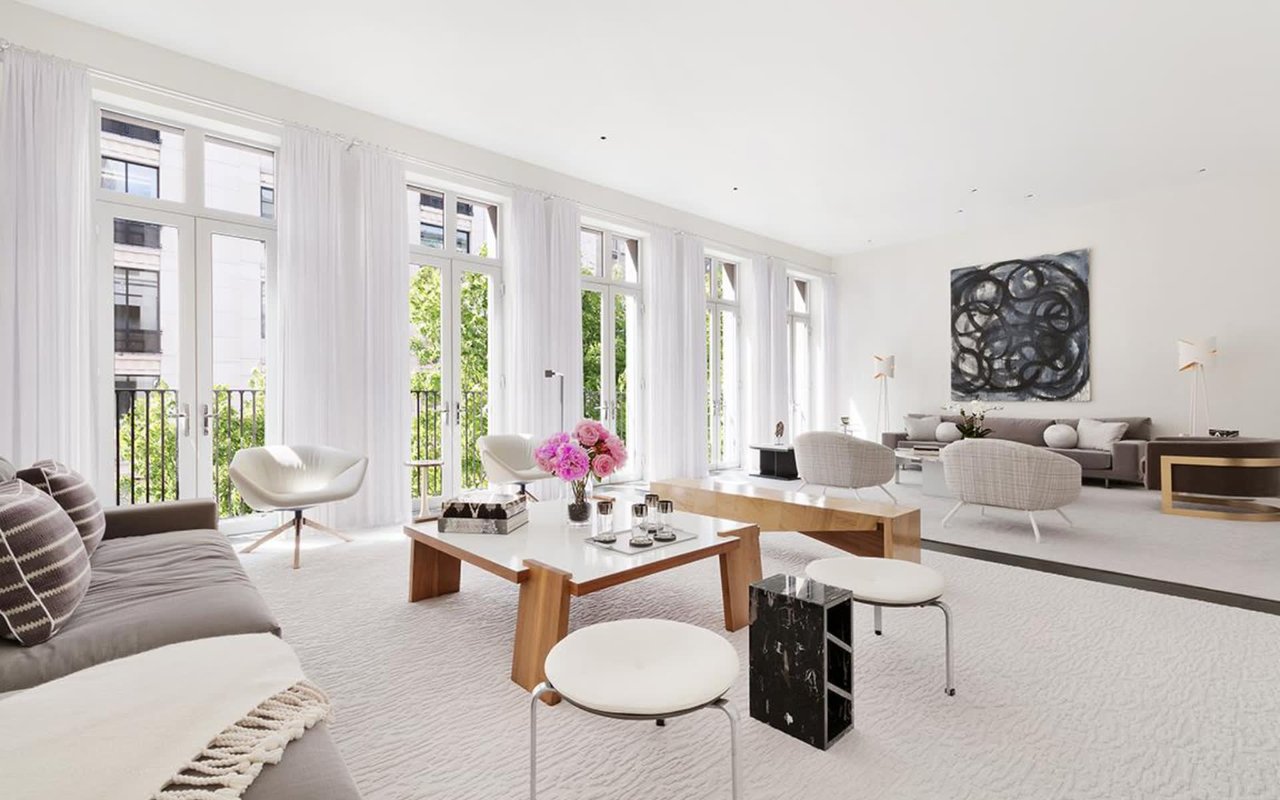
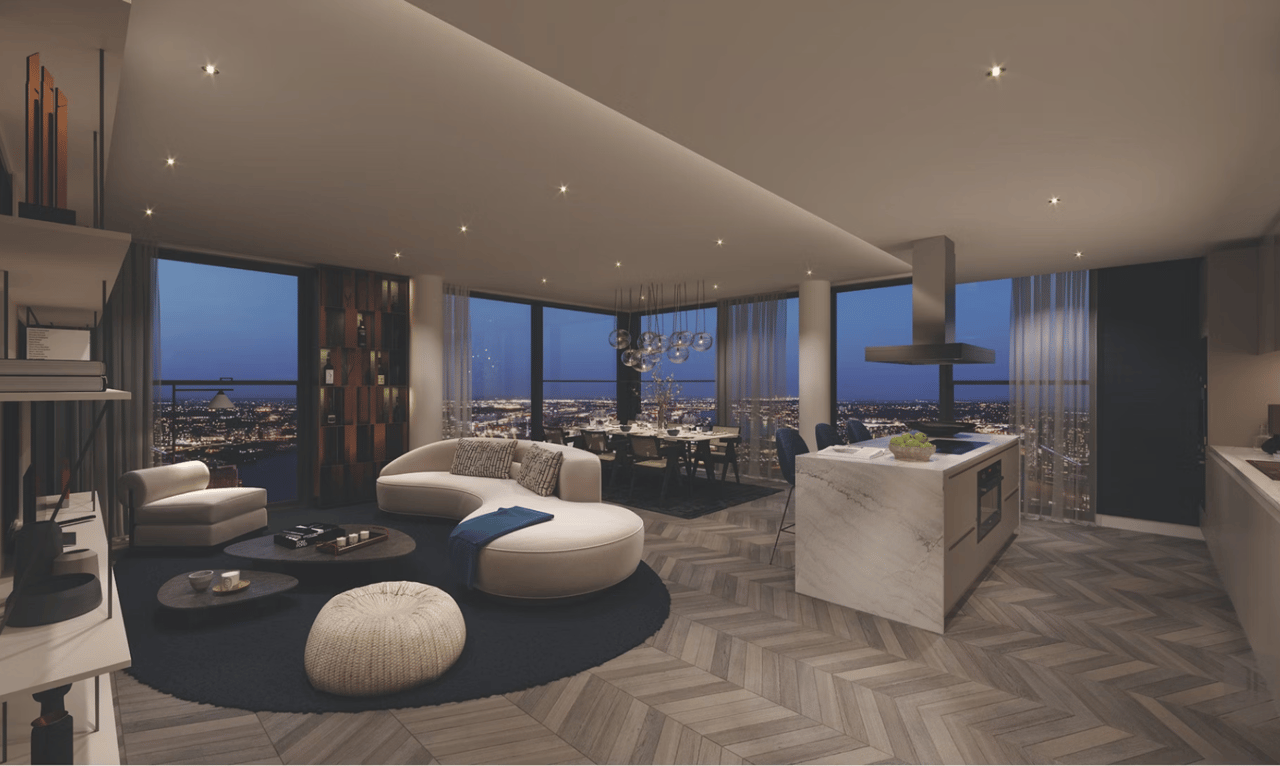
That usually means more full-service towers and more familiar amenity packages across buildings. If you value predictability, convenience, and a more standardized luxury apartment experience, Battery Park City may be easier to shop.
Transit and commuting: both work well
Both neighborhoods are well connected, but they support different commuting patterns.
Tribeca has strong subway access
Tribeca is one of Lower Manhattan’s strongest subway neighborhoods. The MTA line maps show access to the 1 at Canal Street and Chambers Street, the A/C/E at Canal Street and Chambers Street, and the 2/3/R/W cluster near Chambers Street and the World Trade Center area.
That broad subway access is a real advantage if you move around the city often. The main caveat is that, in North Tribeca, the Holland Tunnel approach can create some street-level friction even when train access is excellent.
Battery Park City adds ferry convenience
Battery Park City is also very well connected. The Battery Park City Authority points to walking access from Chambers Street, Wall Street, Cortlandt Street, Bowling Green, Whitehall Street/South Ferry, and Broad Street, with pedestrian bridges across West Street at Chambers and Rector.
For some commuters, the ferry is the standout feature. There is direct New Jersey ferry service from Hoboken and Jersey City to the World Financial Center ferry stop near Rockefeller Park, which can be a major plus if your routine connects across the Hudson.
Green space: occasional waterfront or everyday park access?
This may be the biggest lifestyle divider between the two neighborhoods.
Tribeca’s recreation centers on Hudson River Park
Tribeca benefits from direct access to Hudson River Park, especially along the section from Chambers Street to Canal Street. That stretch includes Pier 25, Pier 26, Tribeca Upland, and Pier 34.
Amenities there include a dog run, skatepark, basketball and tennis courts, beach volleyball, mini golf, kayaking, and a native-plant boardwalk. That is a strong recreation package, but it is concentrated along the waterfront rather than spread evenly through the neighborhood.
Battery Park City builds open space into daily life
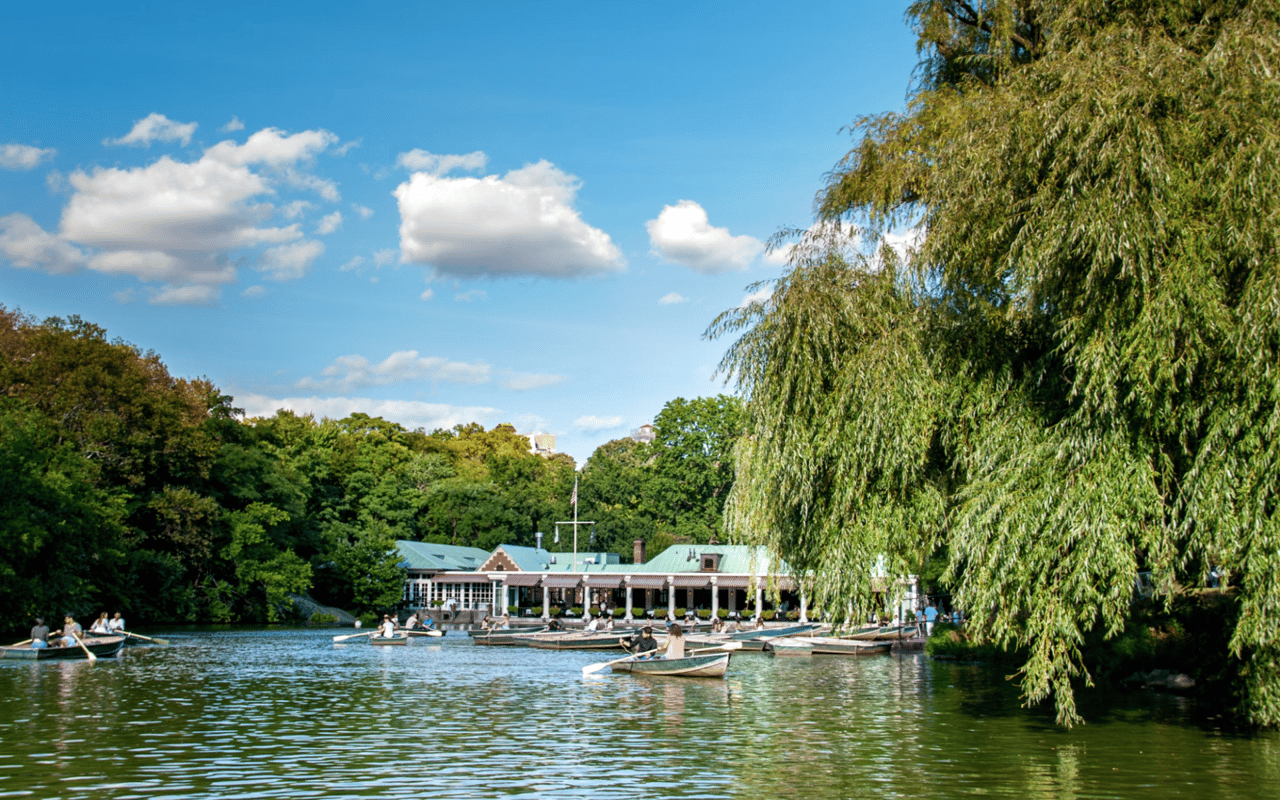
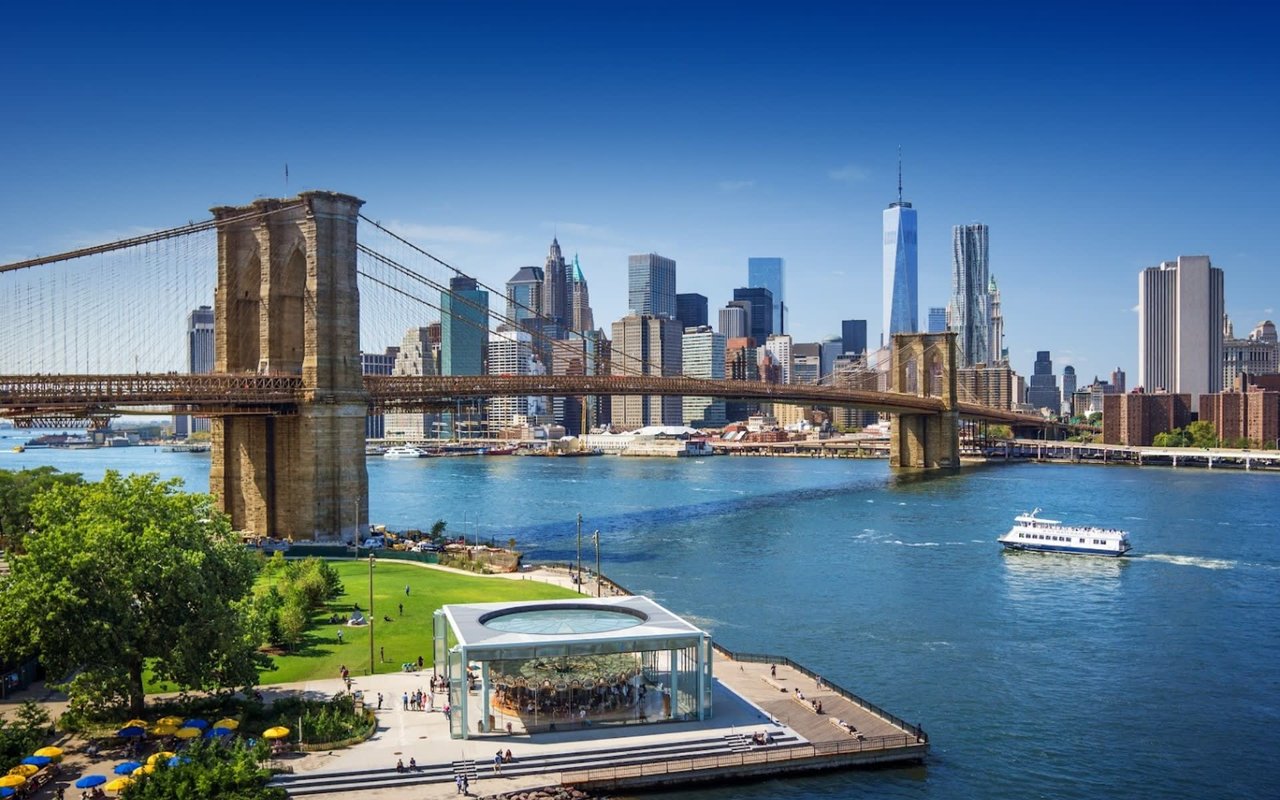
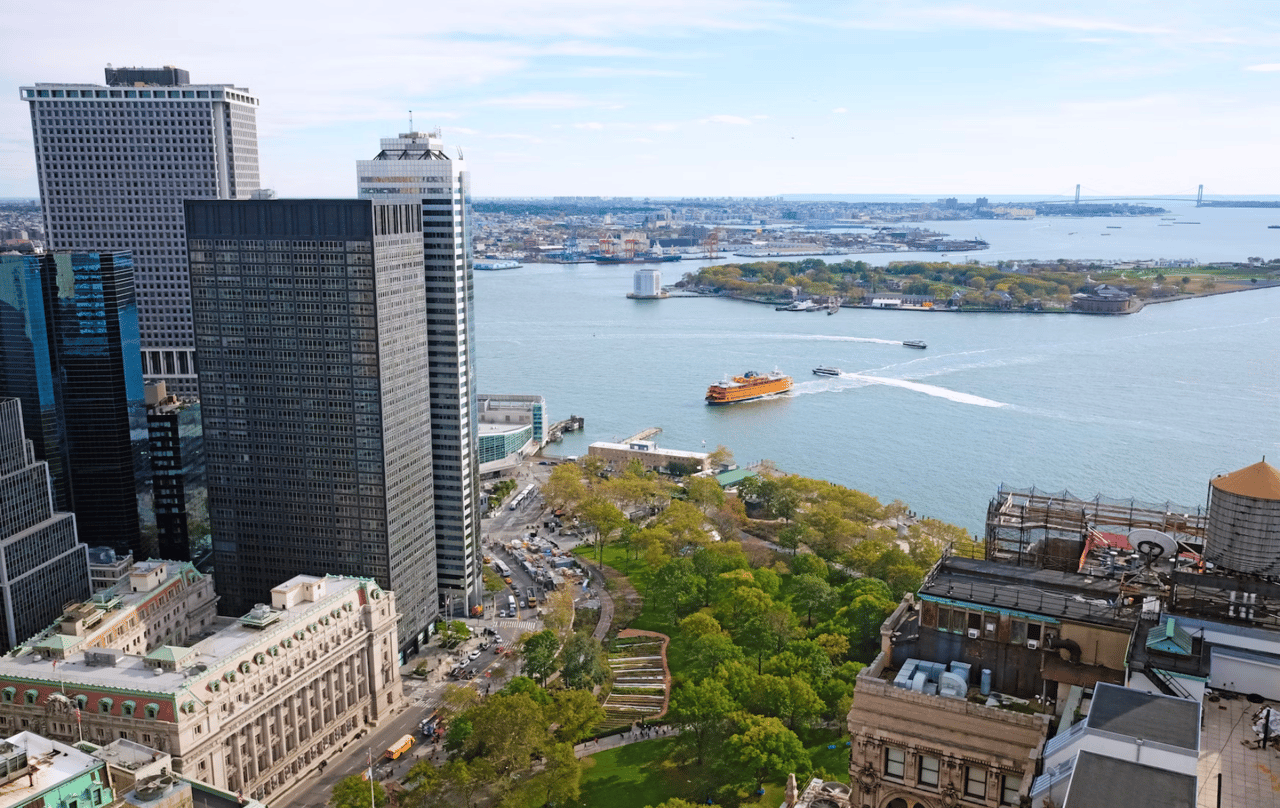
Battery Park City has a different advantage. The neighborhood includes 36 acres of open public space, and the Esplanade runs the full length of the area along the Hudson River.
There are lawns, plazas, public art, and year-round programming woven into the neighborhood itself. If you want green space to be part of your everyday routine rather than a nearby destination, Battery Park City stands out.
Pricing: a major gap between the two
For many buyers, the lifestyle conversation eventually comes back to numbers. Here, the difference between Tribeca and Battery Park City is significant.
Research in spring 2026 shows Tribeca is still much more expensive across multiple pricing measures. Redfin reports a March 2026 median closed sale price of $3.675 million in Tribeca versus $1.065 million in Battery Park City. StreetEasy shows median sale prices of $3.5 million in Tribeca and $980,000 in Battery Park City, while median base rents are $7,897 and $5,250 respectively.
Listing data shows a similar pattern. Realtor.com reports a $4.50 million median list price in Tribeca compared with $1.35 million in Battery Park City, with 68 median days on market in Tribeca and 37 in Battery Park City.
Because these platforms track different data points, the exact numbers vary. But the overall takeaway is clear: Tribeca remains the higher-price, higher-rent option, while Battery Park City is the more accessible waterfront alternative.
Which neighborhood fits your lifestyle?
There is no universal winner here. The better choice depends on how you weigh character, space, convenience, and budget.
Tribeca may fit you better if you want:
- Historic loft character
- More architectural variety
- A classic downtown streetscape
- Strong subway access across several lines
- A more restaurant-driven and active street environment
Battery Park City may fit you better if you want:
- A quieter residential setting
- More daily access to parks and open space
- A more uniform full-service building mix
- Easy waterfront walking routes
- Ferry access that may help with New Jersey commuting
A smart way to compare them
If you are seriously deciding between these neighborhoods, try comparing them through your real daily routine. Think about where you commute, how often you use parks, whether you care more about loft character or building amenities, and what price range keeps your options flexible.
This is also where building-level analysis matters. In Tribeca, inventory can vary dramatically from one property to the next. In Battery Park City, the question is often less about building style and more about layout, exposure, monthly costs, and proximity to the waterfront or transit access points.
A disciplined search can save you time and help you avoid comparing homes that are not really competing with each other. In a market this nuanced, neighborhood feel is only part of the equation.
If you are weighing Tribeca against Battery Park City, the right choice usually becomes clearer once you match lifestyle priorities with pricing, building type, and your day-to-day rhythm. For tailored guidance on downtown Manhattan sales, rentals, relocation, or investment opportunities, contact Kobi Lahav.
FAQs
Is Tribeca or Battery Park City more expensive to buy in?
- Tribeca is significantly more expensive based on current median sale and list price data, while Battery Park City is the lower-cost option of the two.
Is Tribeca or Battery Park City better for green space?
- Battery Park City has more built-in open space, with 36 acres of public space and a full-length Esplanade, while Tribeca’s recreation is more concentrated along Hudson River Park.
Is Tribeca or Battery Park City better for commuting?
- Both are well connected, but Tribeca stands out for subway access and Battery Park City adds a useful ferry option for some New Jersey commuters.
What type of housing is more common in Tribeca?
- Tribeca has a more varied housing mix, including loft conversions, older mid-rise buildings, and newer luxury developments.
What type of housing is more common in Battery Park City?
- Battery Park City is known more for newer condo buildings, full-service towers, and a more consistent planned-community housing profile.
Which neighborhood feels quieter at night, Tribeca or Battery Park City?
- Battery Park City is generally described as quieter and more residential at night, while Tribeca tends to have a more active and restaurant-driven street atmosphere.