If you are shopping for a loft in Tribeca, you already know this is not a market where you can wing it. Inventory is limited, prices are high, and the most desirable lofts can still draw serious attention even when the broader market offers some negotiating room. The good news is that buyers do not always win by paying the most. In Tribeca, you often win by being better prepared, more credible, and more strategic from day one. Let’s dive in.
Why Tribeca lofts stay competitive
Tribeca remains one of Manhattan’s most expensive neighborhoods, and current market data points to a high-priced, low-supply environment. In March 2026, reported median sale and list prices clustered from the mid-$3 million range to the mid-$4 million range, depending on the source and methodology. Reported inventory also stayed relatively tight, with major platforms showing roughly 139 to 177 listings on the market.
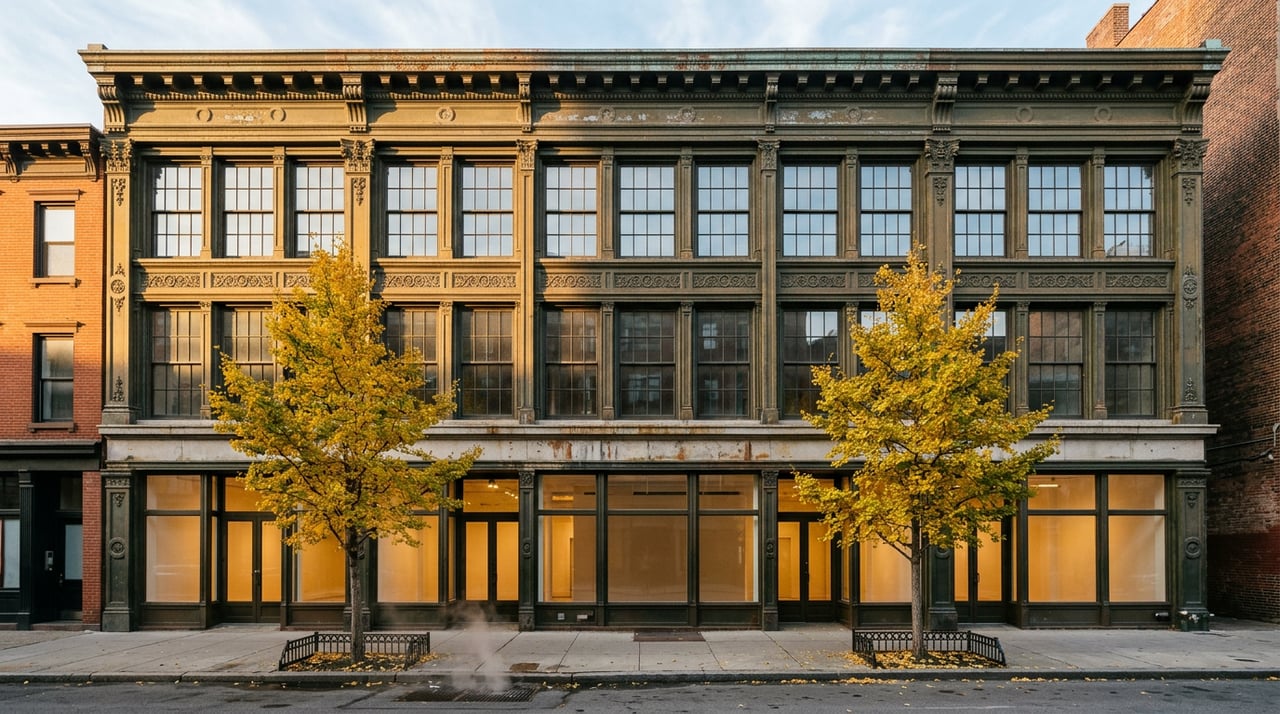
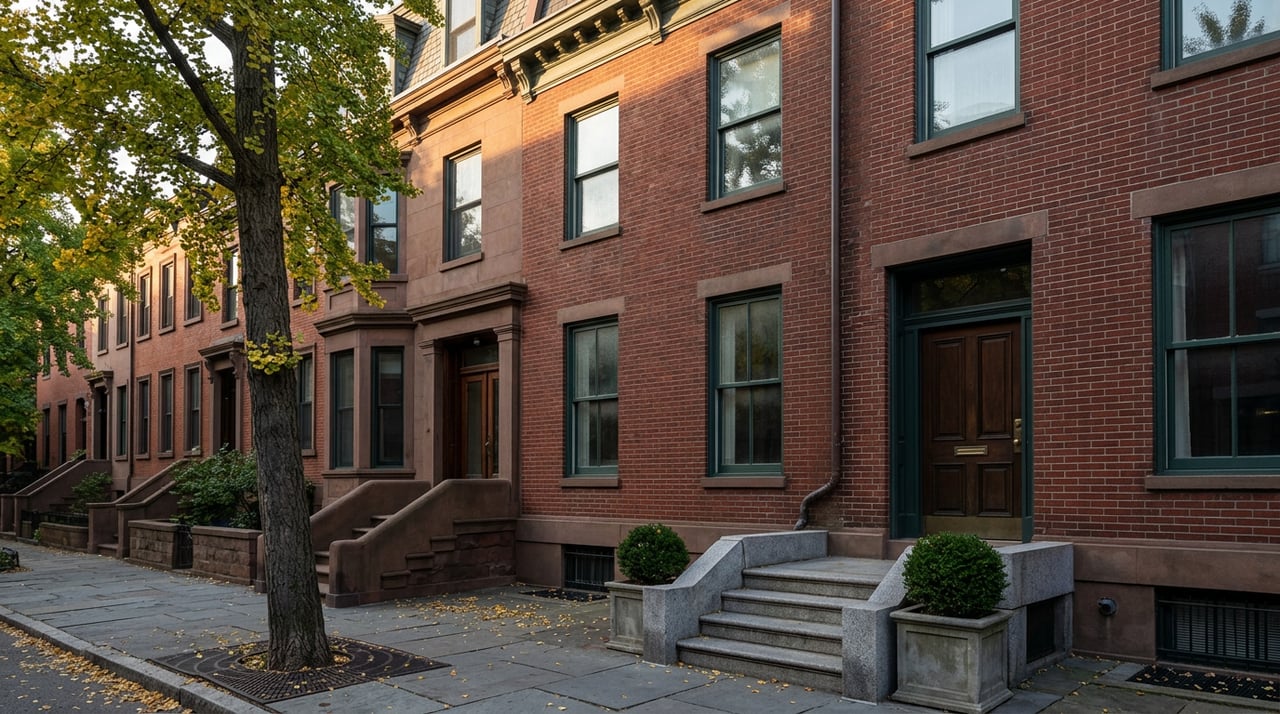
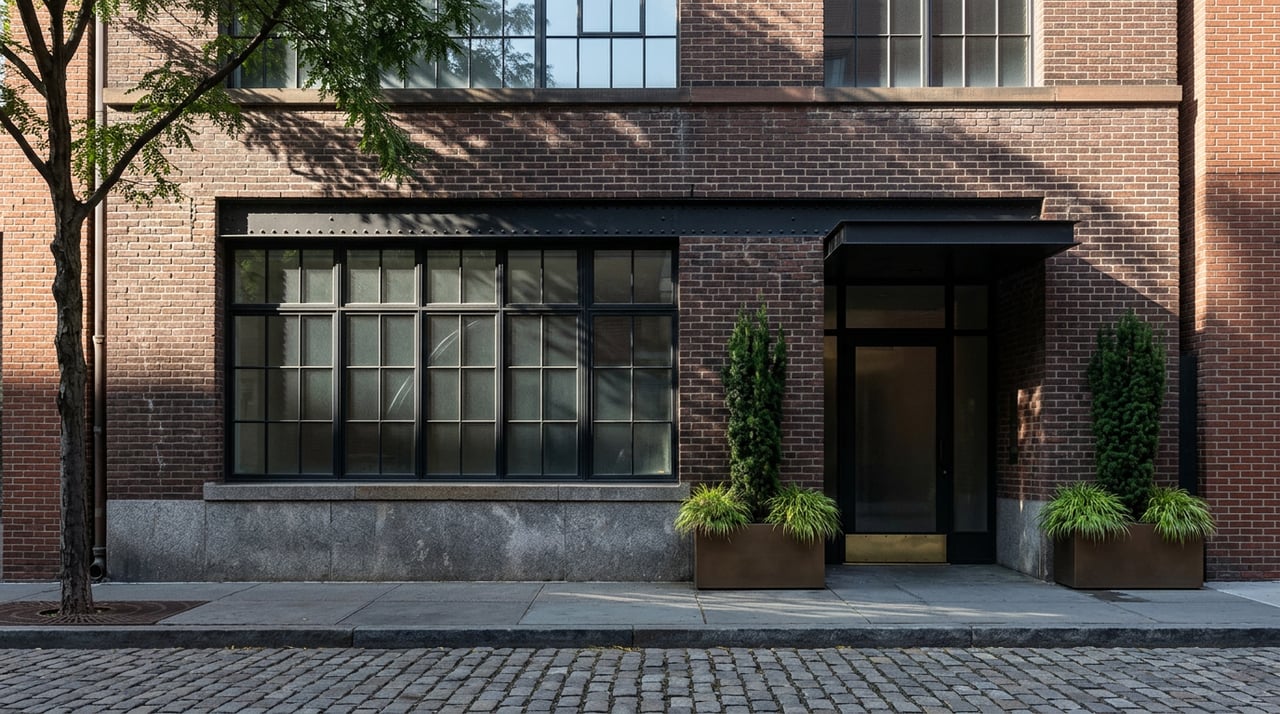
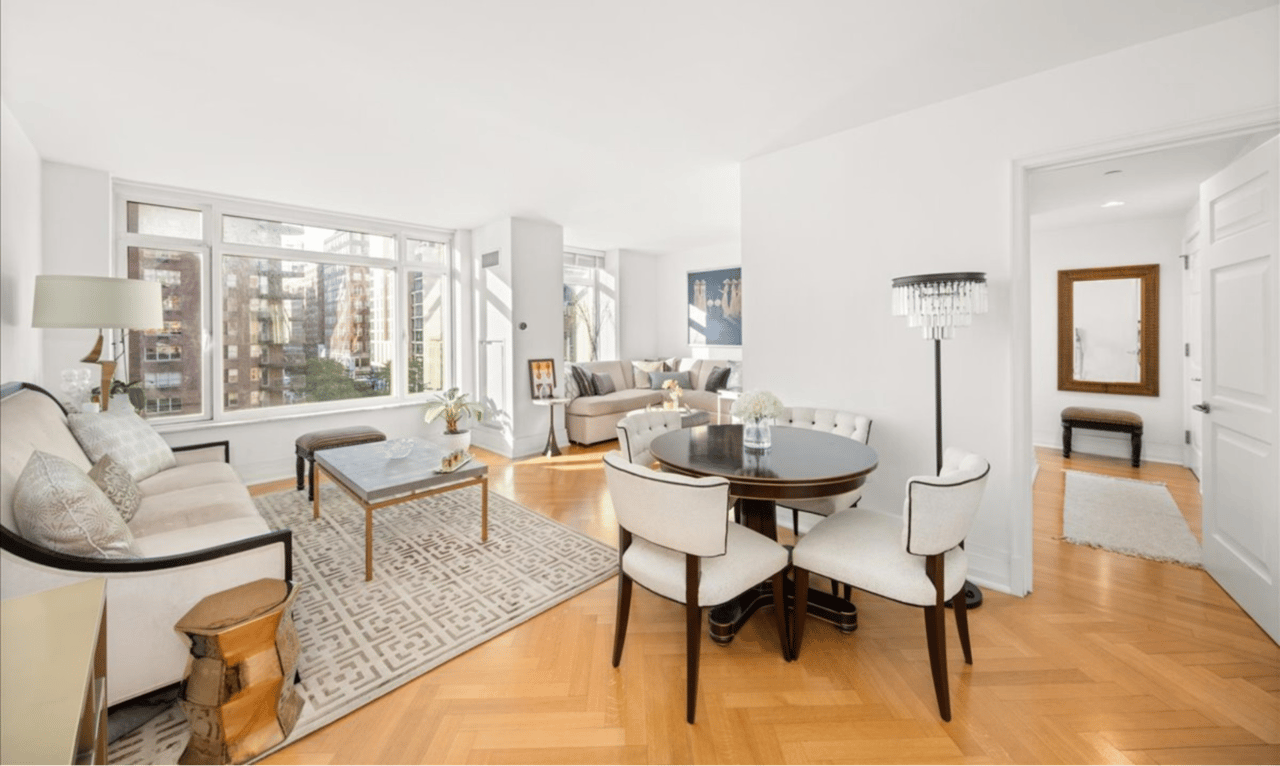
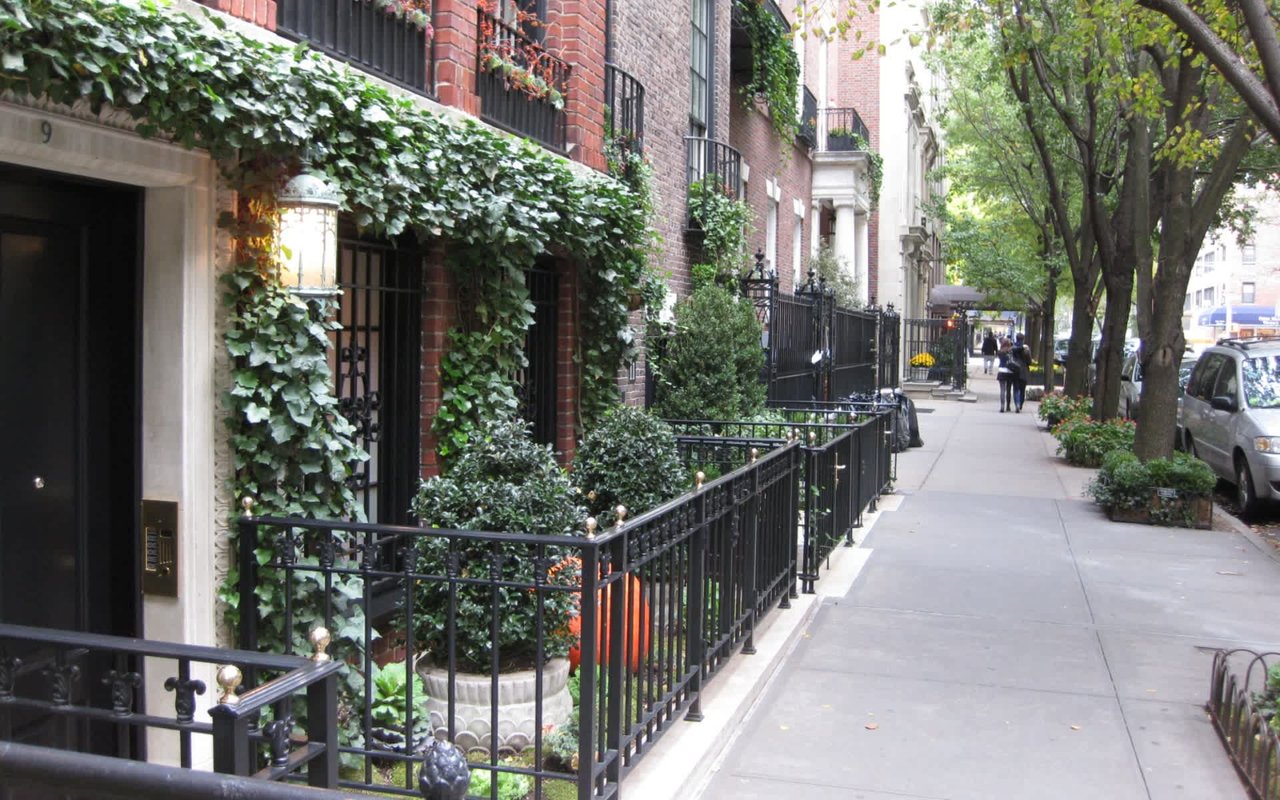
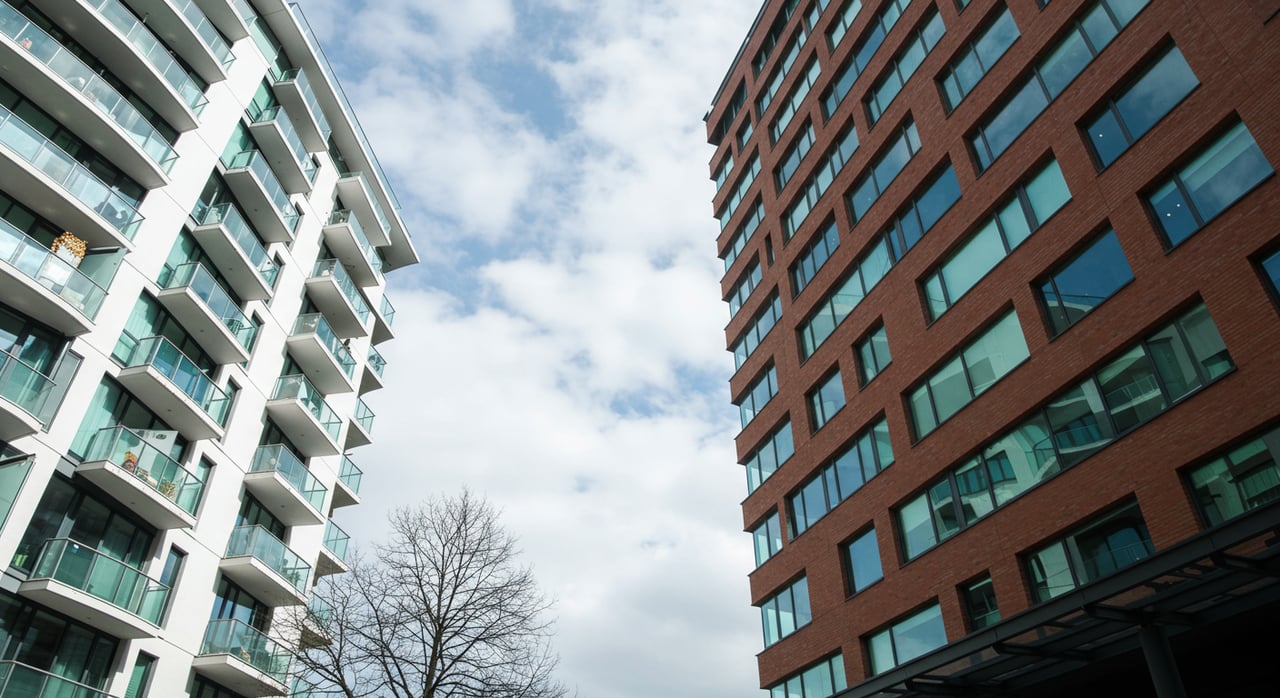
That matters because buyers are not just competing for square footage. They are competing for a very specific kind of home: authentic loft layouts, cast-iron buildings, cobblestone-block context, and newer luxury product that is hard to replicate elsewhere in Manhattan. Even if some data labels Tribeca as buyer-friendly at the neighborhood level, the best turn-key lofts can still move with urgency.
What winning really looks like
In Tribeca, a winning offer is usually the one that feels easiest to close. Sellers want confidence that your deal can survive financing review, attorney review, and, when applicable, board review. A buyer who looks organized and realistic often beats a buyer who simply throws out a big number without a clean structure.
That is why strong buyers focus on reducing friction. They show financial readiness early, make thoughtful terms, and understand the building before they commit. In a loft market with limited supply, preparation is often your biggest competitive advantage.
Start with financial readiness
Before you seriously pursue a Tribeca loft, make sure your paperwork is ready to go. In New York City practice, buyers are commonly asked to submit a mortgage pre-approval letter or proof of funds with the offer, along with a REBNY financial disclosure form. This helps a seller see that you are not just interested, but actually in position to perform.
If you are financing, your pre-approval should be current and aligned with the price range you are targeting. If you are paying cash, clear proof of funds can make your offer more attractive because it reduces execution risk. In either case, the goal is the same: make the seller believe your deal is real.
Offer terms matter as much as price
Price is only one part of the offer. In Tribeca, terms can change who wins, especially when two buyers are close financially. A realistic closing timeline, minimal contingencies, and a clean submission package can make your offer stand out.
Inspection contingencies are not standard in NYC, so buyers need to understand local norms before negotiating. If you want to bid below ask, a reasoned approach usually works better than an aggressive lowball. Supporting your number with comparable sales and a clear explanation gives the seller a practical basis to engage rather than dismiss your offer.
Keep your first offer credible
Some buyers treat the first offer like an opening performance. In a market like Tribeca, that can backfire. A concise, serious offer with a rational number and clean terms often gets more traction than an overly dramatic negotiation stance.
If the seller has practical needs, flexibility can also be powerful. For example, a quick close or post-closing timing accommodation may matter more to the seller than a slightly higher purchase price from a less flexible buyer. When competition is tight, the most believable offer often wins.
Know the building before you chase the loft
One of the biggest mistakes buyers make in Tribeca is focusing only on the apartment and not enough on the building. In this neighborhood, the building type, ownership structure, and regulatory overlay can shape your experience as much as the floor plan itself. That is especially true if you are thinking about renovations.
Tribeca includes multiple historic districts, including Tribeca West, North, South, East, and the Tribeca South Extension. In historic districts, most exterior changes require review by the New York City Landmarks Preservation Commission, and some interior work may also require approval if it affects the exterior or involves a designated interior landmark. For buyers, that means renovation flexibility may be more limited than the listing photos suggest.
Historic status can affect cost and timing
If you are planning to rework windows, façade elements, or anything that touches the building exterior, landmark rules may affect what is possible. Even when changes are allowed, review can add time to the process. That makes it important to ask questions early rather than after contract signing.
In practical terms, you are often buying into a rule set as much as a home. The more historic the building, the more important it becomes to understand renovation constraints before you make a competitive offer.
Some lofts have conversion complexity
Tribeca lofts are not all the same from a legal and ownership perspective. Some are true conversions from commercial or industrial use, and that history can matter. If a loft’s legal status, conversion background, or renovation path is not obvious, it is worth investigating those issues early.
Loft Law coverage depends on building-specific facts. That means buyers should avoid assumptions based on style or marketing language alone. A loft that looks straightforward may still require deeper review.
Co-op or condo can shape your strategy
In Tribeca, the loft itself is only part of the decision. Whether the property is a co-op or condo can directly affect how you compete, how you are reviewed, and how smoothly the deal moves.
In a co-op, you buy shares in a corporation and receive a long-term proprietary lease. Monthly maintenance typically covers building expenses and property taxes. In a condo, you own the unit as real property, plus an undivided interest in the common elements, while paying separate property taxes and common charges.
Why co-ops require extra planning
Co-ops are usually more approval-heavy and financially scrutinized than condos. That means buyers need to be especially careful about their financial presentation, debt profile, liquidity, and documentation. If you are targeting a co-op loft, strong early preparation is essential.
Condo deals are often more flexible, but that does not mean buyers can skip document review. Condo governing documents can still include transfer restrictions and, in some cases, a board right of first refusal disclosed in the offering plan. Either way, the ownership structure should shape your offer strategy from the start.
Due diligence keeps deals together
In a competitive loft market, it is easy to focus on getting the accepted offer and forget that the real goal is getting to closing. Strong due diligence is what keeps a promising deal from falling apart later. In Tribeca, that means reviewing the building as carefully as the apartment.
The New York State Attorney General recommends reading the full offering plan and consulting an attorney before signing. Board minutes and recent financial reports can reveal defects, repairs, capital projects, or other issues that may not appear in a listing description. Buyers should also avoid relying on marketing materials or verbal statements if an item is not clearly included in the offering plan.
Review these items early
Before you get too far into a Tribeca loft purchase, make sure you understand:
- Whether the property is a co-op, condo, or conversion
- Whether it is a sponsor sale or resale
- What the building rules say about renovations
- Whether landmark status may affect planned work
- What board minutes and financials reveal about repairs or capital projects
- Whether your financing plan matches the building’s requirements
This kind of diligence does not slow you down. It helps you move fast with fewer surprises.
A smart Tribeca buyer game plan
If you want to compete well in Tribeca, your strategy should be simple: prepare early, stay realistic, and understand the building as deeply as the loft. The market may offer some room for negotiation in certain cases, but the strongest properties still reward buyers who act with clarity and discipline. In many deals, reducing uncertainty is more powerful than stretching to a headline price.
That is especially true in a neighborhood where ownership structures, landmark rules, and conversion history can all affect value and timing. When you understand those moving parts, you can bid with more confidence and avoid expensive mistakes.
If you are considering a loft purchase in Tribeca, working with an experienced NYC broker who understands negotiation, building nuance, and deal structure can make a meaningful difference. To plan your next move with a more strategic edge, connect with Kobi Lahav.
FAQs
How competitive is the Tribeca loft market for buyers?
- Tribeca remains a premium, low-supply market with high pricing, and the most desirable lofts can still attract intense interest even when broader neighborhood conditions allow for some negotiation.
What makes a strong offer on a Tribeca loft?
- A strong offer usually includes a current mortgage pre-approval or proof of funds, a complete financial package, realistic timing, minimal contingencies, and a credible price supported by market logic.
Why do Tribeca historic districts matter when buying a loft?
- Historic district rules can affect what exterior changes are allowed, and in some cases may also affect certain interior work, which can change your renovation timeline, flexibility, and costs.
How does a Tribeca co-op loft purchase differ from a condo loft purchase?
- Co-op purchases usually involve more financial scrutiny and board approval, while condo purchases are often more flexible but still require careful review of the offering plan and building rules.
What due diligence should Tribeca loft buyers do before signing a contract?
- Buyers should review the offering plan, board minutes, recent financial reports, ownership structure, building rules, and any landmark or conversion issues that could affect closing, renovation, or future costs.