Buying your first place in Manhattan can feel like choosing between lifestyle and logic. Flatiron often stands out because it offers both: a central location, strong transit access, distinctive architecture, and a daily rhythm that feels unmistakably New York. If you are wondering whether Flatiron fits your budget, goals, and first-time buyer needs, this guide will help you weigh the tradeoffs with more clarity. Let’s dive in.
Why Flatiron draws first-time buyers
Flatiron is a compact Manhattan neighborhood centered around Madison Square Park and the Flatiron Building. Local sources describe it as sitting between Union Square to the south, Chelsea to the west, Madison Square to the north, and Gramercy to the east, though exact borders can vary.
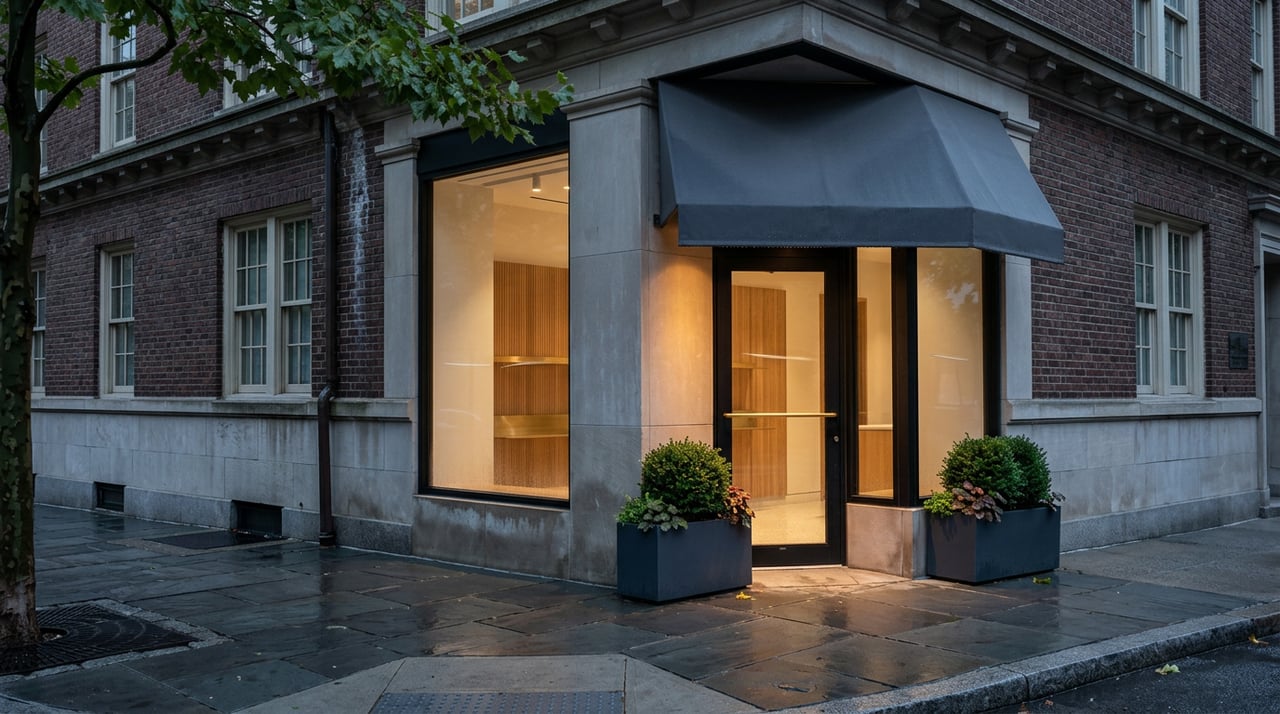
For many first-time buyers, the appeal starts with convenience. Flatiron combines residential buildings with a strong commercial core, including offices, shopping, and dining, which creates an active streetscape and easy access to daily needs.
That centrality matters if you want to be well connected without feeling cut off from the rest of Manhattan. You can move between work, errands, dinner plans, and transit with less friction than in many more residential pockets downtown or uptown.
What your money buys in Flatiron
Flatiron is not an entry-level neighborhood by Manhattan standards. StreetEasy currently reports a median sale price of $1.7 million, with homes spending a median of 58 days on market.
That pricing places Flatiron in a premium central Manhattan range. Nearby comparisons from StreetEasy show Chelsea at $1.3 million, Gramercy Park at $1.0 million, Greenwich Village at $1.4 million, and Midtown at $1.8 million.
For you as a first-time buyer, that means Flatiron may be a fit if your budget supports paying more for location, building quality, and convenience. It may be less compelling if your top priority is maximizing square footage at a lower entry point.
Flatiron housing stock: co-ops, condos, and conversions
One of the most important things to understand about Flatiron is its inventory mix. The neighborhood is geographically small and historically more commercial than residential, and today much of its housing comes in the form of luxury new development, loft conversions, and established co-op and condo buildings.
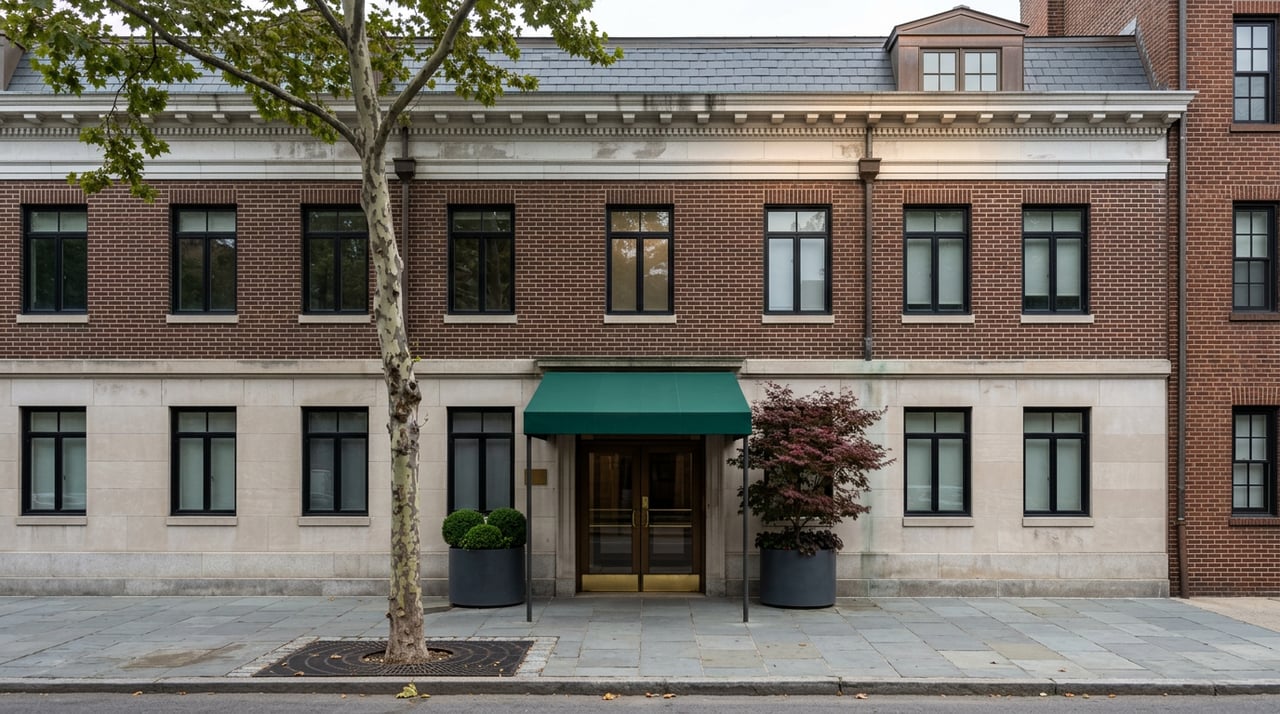
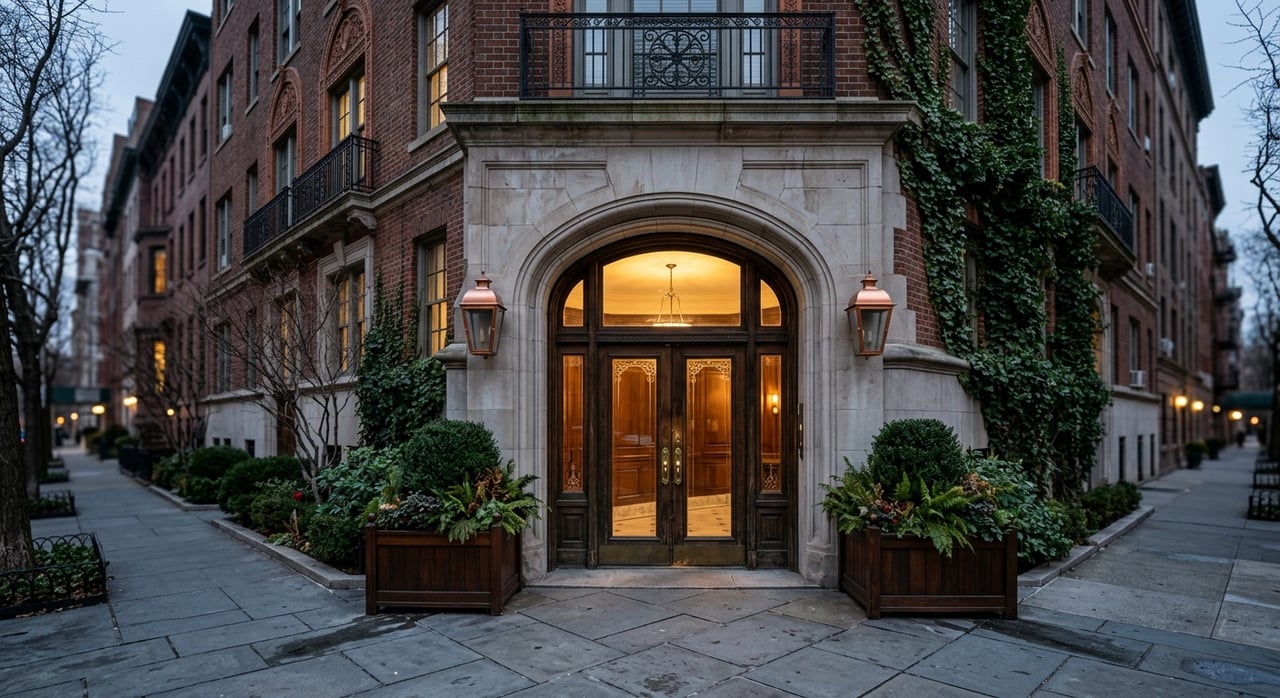
StreetEasy’s building data shows a pattern of larger co-op and condo properties with multiple active listings rather than a landscape dominated by small walk-ups. Examples include established co-ops like 16 West 16th Street, The Victoria at 7 East 14th Street, and The Parker Gramercy at 10 West 15th Street, along with condo product such as 254 Park Avenue South.
That mix can work well for first-time Manhattan buyers because it offers options across ownership structures. But it also means you need to understand the practical differences between co-ops and condos before you make an offer.
Why co-op versus condo matters
In Flatiron, the ownership structure can shape your entire buying experience. It affects approval requirements, financial flexibility, monthly costs, and in some cases your future resale or rental options.
Co-ops may offer access to established buildings and strong locations, but they often come with board review and building-specific rules. Condos may offer more flexibility, but pricing can be higher for that convenience.
In a neighborhood where many attractive homes sit in older, service-oriented buildings, structure matters almost as much as finishes. A beautiful apartment is only part of the equation.
The architecture is a real draw
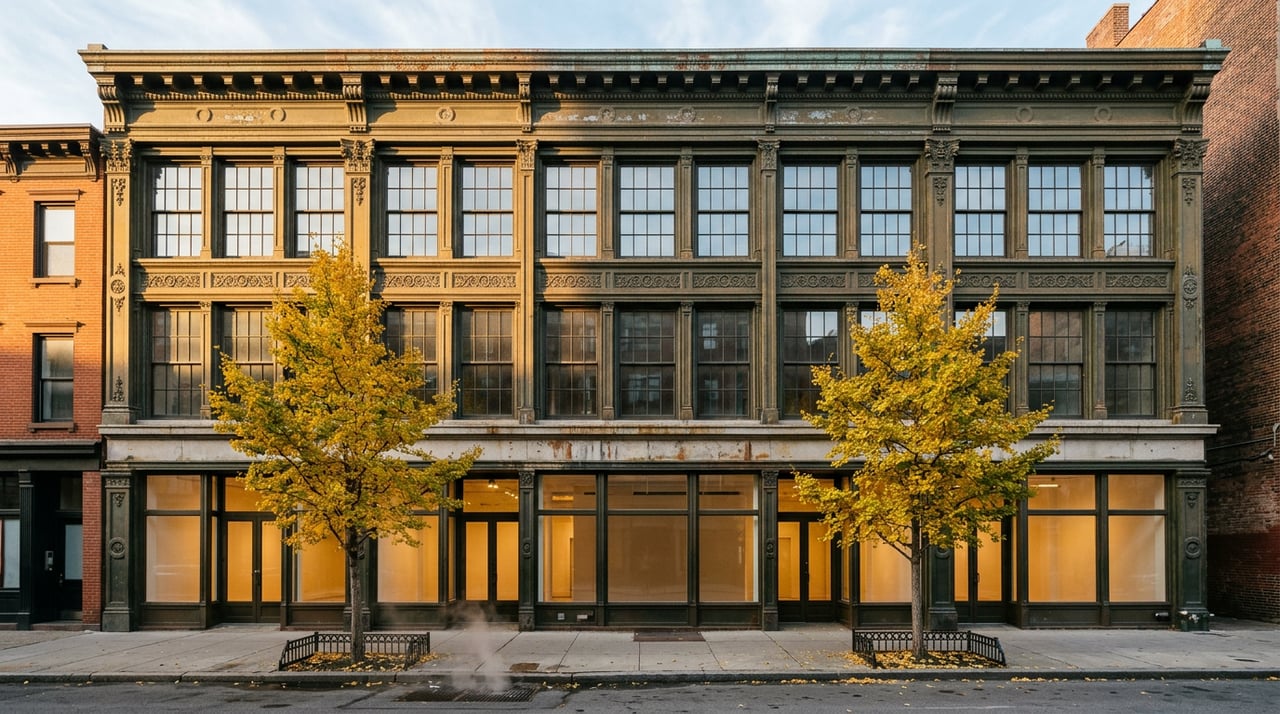
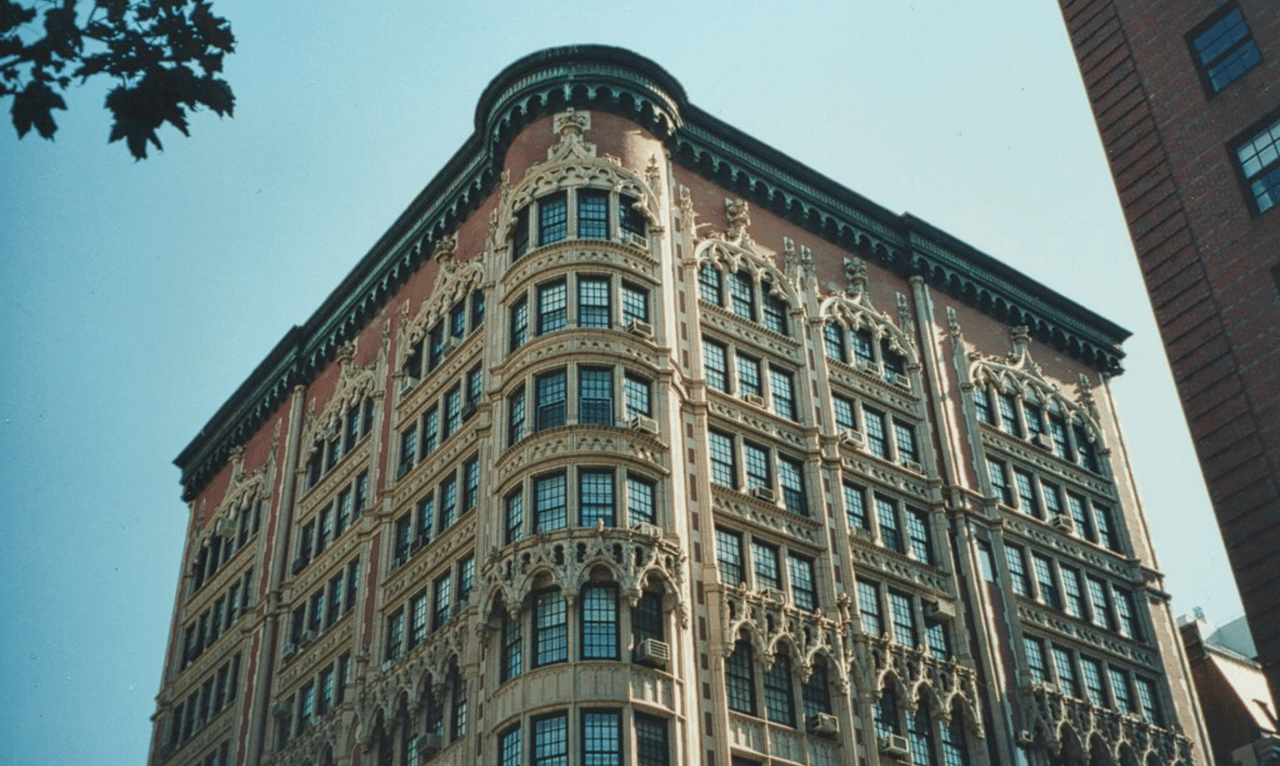
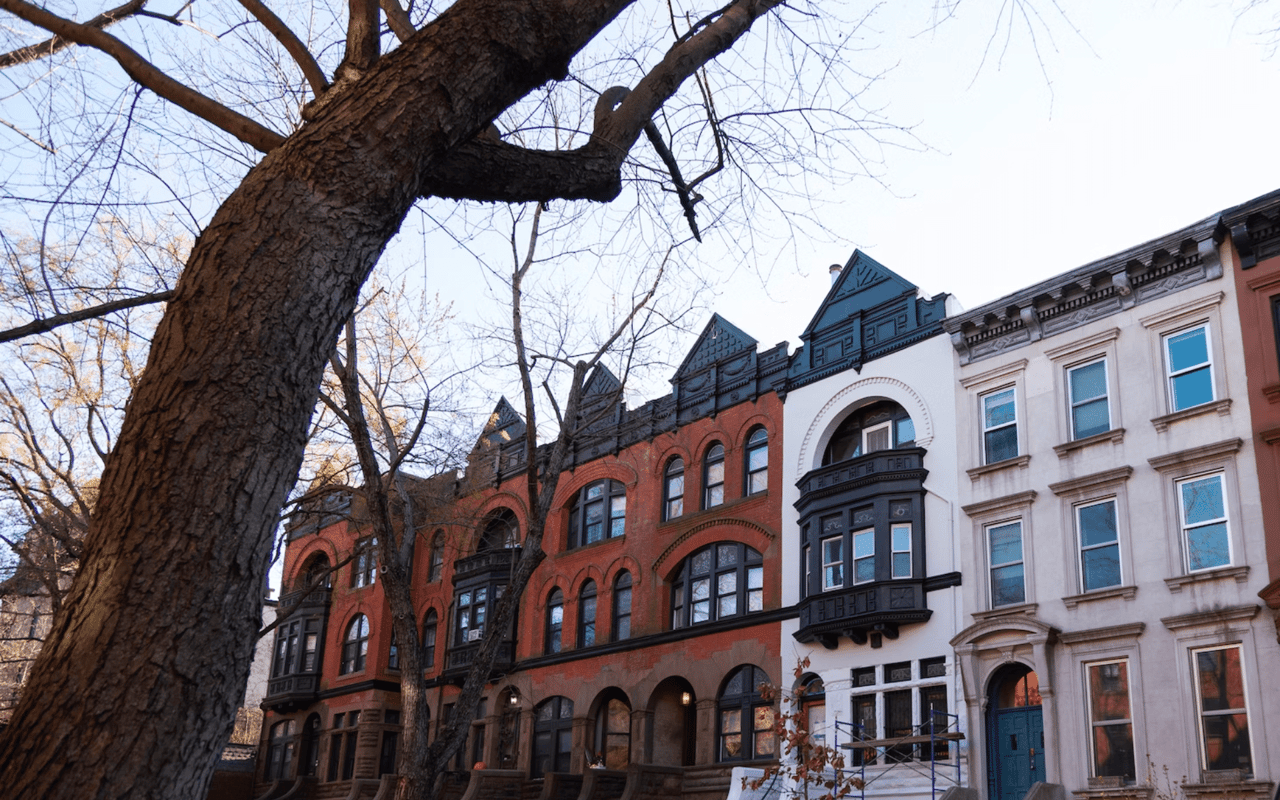
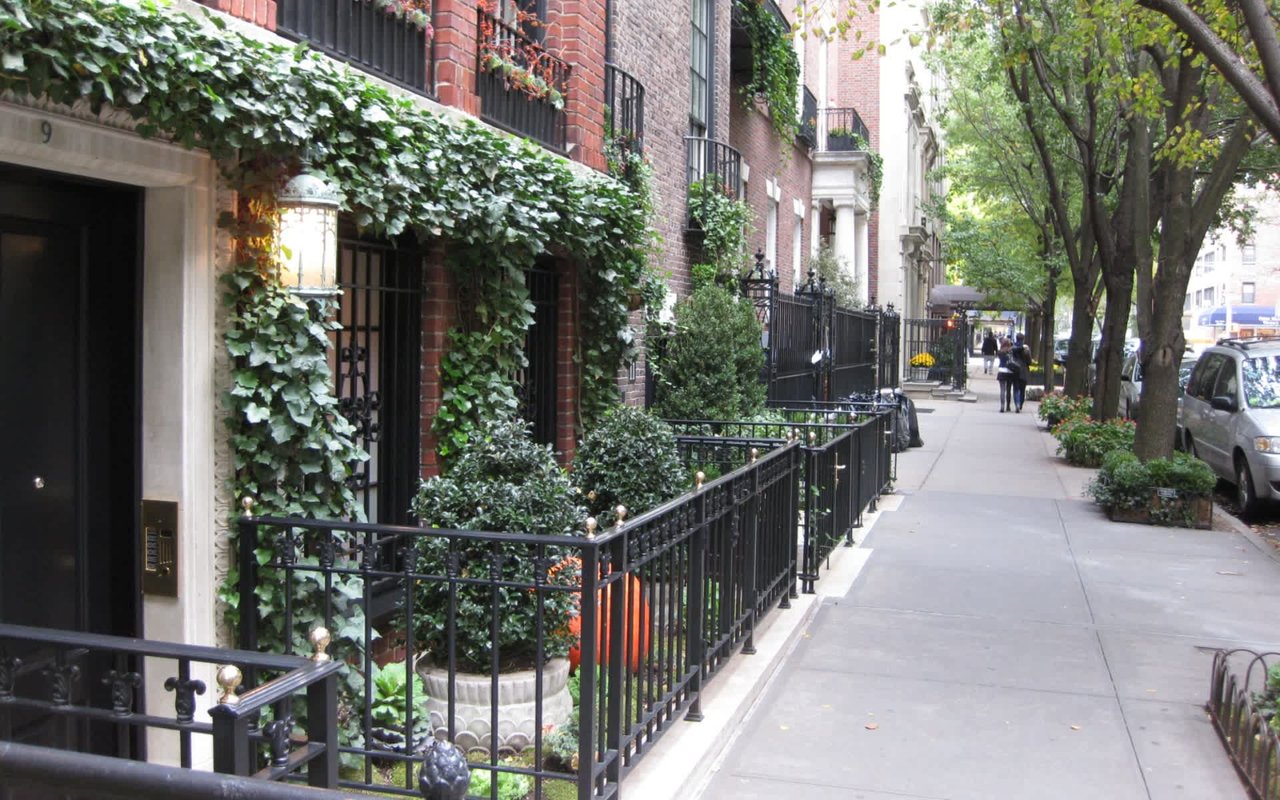
Flatiron is known for cast-iron and Beaux-Arts architecture, in part because historic preservation has been a neighborhood priority. If you are drawn to classic Manhattan character, this is one of Flatiron’s strongest assets.
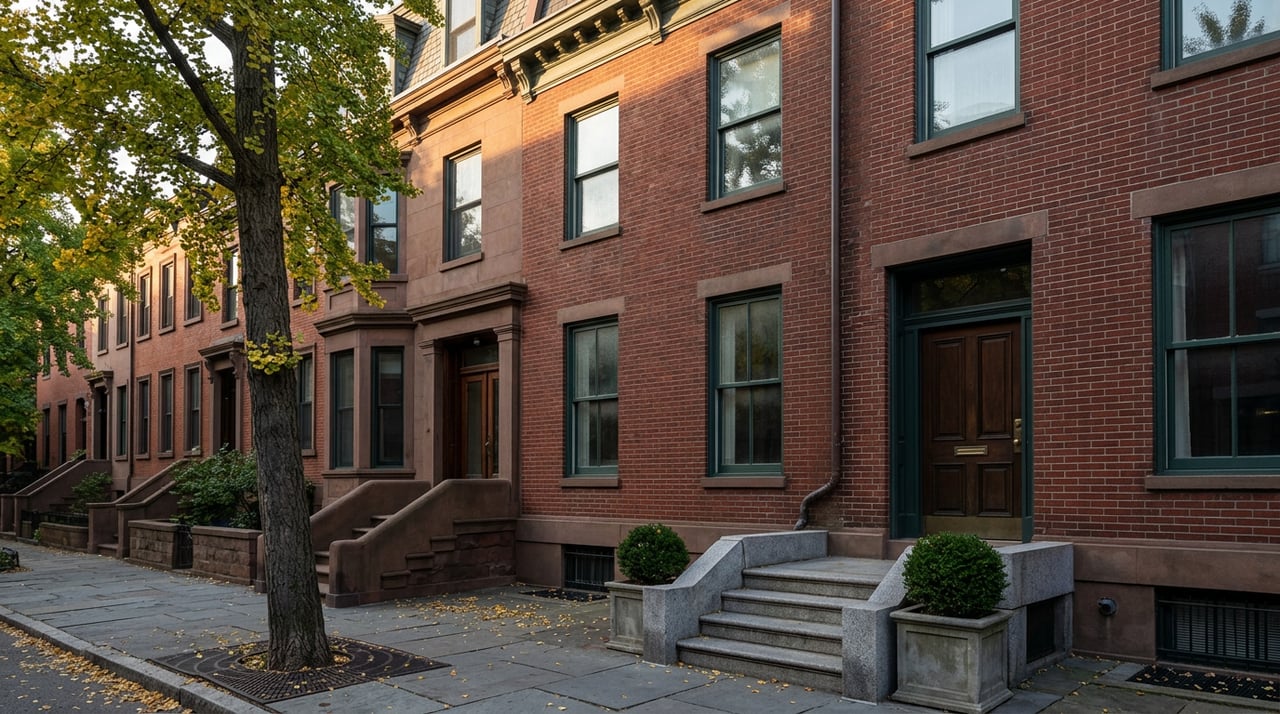
Older architecture often means more visual appeal, loft-like proportions, and a sense of place that is hard to replicate in newer neighborhoods. At the same time, older buildings can come with aging systems, stricter renovation processes, and more ongoing capital needs.
That does not make them a poor choice. It simply means your due diligence needs to be sharper.
Daily life in Flatiron
Neighborhood fit is about more than the apartment itself. If you are buying your first Manhattan home, you are also buying into a routine.
Flatiron’s routine tends to feel fast, connected, and amenity-rich. The area is busy, active, and full of movement, which many buyers see as a benefit, especially if they want city energy right outside the door.
Transit is one of Flatiron’s biggest advantages
Transit access is a major reason buyers choose Flatiron. The 14 Street-Union Square station serves the L, N, Q, R, W, 4, 5, and 6 trains, and nearby 23 Street stations serve the R, W, and 6 lines.
For you, that kind of train access can reduce dependence on a single route and make commuting across Manhattan or beyond much simpler. It also helps future-proof your purchase from a lifestyle perspective, since ease of movement remains valuable over time.
Madison Square Park adds breathing room
Madison Square Park is one of the neighborhood’s defining amenities. It sits in the heart of Flatiron and NoMad and offers more than just visual appeal, with lawns, a dog run, playground, reflecting pool, and recurring public programming.
The park’s general hours run from 6 AM to 11 PM in winter and 6 AM to midnight in summer, while lawns are open daily from 10 AM to 9 PM, weather permitting. For first-time buyers, access to real open space can make daily life feel more balanced.
Public plazas extend the neighborhood experience
Flatiron also benefits from a network of nearby public spaces, including Flatiron North Plaza, Flatiron South Plaza, NoMad Piazza, Madison Square Park, Capitol Plaza, 1185 Broadway Plaza, Eventi Plaza, Clivner=Field Plaza, and Anagram NoMad Public Plaza.
These spaces add seating, pedestrian areas, and outdoor gathering points that support a more flexible city lifestyle. If you value being able to step outside for coffee, lunch, or a short reset without leaving the neighborhood, this part of Flatiron is a meaningful plus.
Union Square is part of the routine
Union Square is close enough that many Flatiron residents naturally use it as part of everyday life. The Union Square Greenmarket runs year-round on Monday, Wednesday, Friday, and Saturday from 8 AM to 6 PM.
That access adds another layer of convenience and activity to the area. It is one reason the broader Flatiron and Union Square corridor often feels so dynamic.
When Flatiron makes sense for a first purchase
Flatiron can be a strong first Manhattan purchase if you care most about location efficiency, transit access, established buildings, and a polished urban lifestyle. It often suits buyers who want to live in the middle of things and are comfortable paying for that convenience.
It may also appeal to relocating buyers who want a neighborhood that is easy to understand quickly. The combination of transit, services, public space, and recognizable Manhattan character can make the transition into city ownership feel more manageable.
If you want a quieter, more residential atmosphere or a lower price point, nearby neighborhoods may be worth comparing. Flatiron works best when its specific strengths line up with how you actually plan to live.
What to ask before you buy in Flatiron
In Flatiron, smart questions can save you from expensive surprises. The New York State Attorney General advises buyers to read the full offering plan and consult an attorney before signing, because co-op and condo purchases carry significant legal and financial consequences.
The Attorney General also recommends close review of a building’s physical condition, including the facade, roof, floors, elevators, HVAC, windows, electrical wiring, and plumbing. In older buildings and conversions, these details matter.
Here are some useful questions to ask during tours and due diligence:
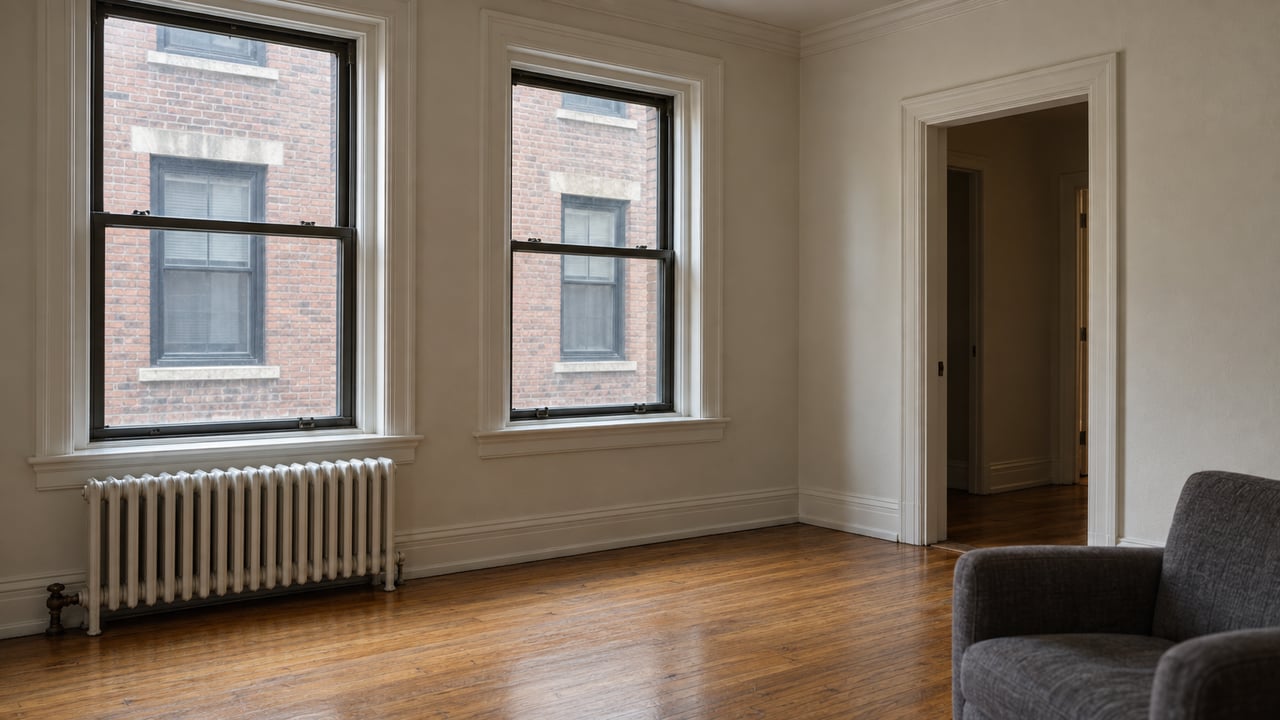
- Which direction does the unit face?
- How much natural light does it get?
- How much street noise should you expect?
- What are the monthly maintenance fees or common charges?
- What do those monthly charges include?
- Are there upcoming capital projects or assessments?
- Are there known maintenance issues in the building?
- Is the property a co-op or condo?
- What does the approval process look like?
For existing buildings, the New York State Attorney General also advises reviewing board minutes, financial reports, and local building violations. Those materials often reveal repair issues, major projects, or other building-wide costs that may affect your decision.
The bottom line on Flatiron
Flatiron is not the right first Manhattan purchase for everyone, but it can be an excellent fit if you want a central, connected, amenity-rich neighborhood and understand the price of entry. Its blend of transit access, park space, architectural character, and established co-op and condo inventory gives it a strong case for buyers who value both lifestyle and practicality.
The key is to look beyond the apartment photos. In Flatiron, building quality, ownership structure, monthly carrying costs, and long-term livability all deserve as much attention as location itself.
If you are comparing Flatiron with other Manhattan neighborhoods or want help evaluating a specific co-op, condo, or loft, Kobi Lahav can help you approach the process with clear strategy, careful analysis, and strong negotiation support.
FAQs
Is Flatiron a good neighborhood for a first Manhattan home purchase?
- Flatiron can be a strong choice if you want central location, excellent transit access, established co-op and condo buildings, and an active daily neighborhood environment.
How expensive is Flatiron for first-time Manhattan buyers?
- StreetEasy reports a median sale price of $1.7 million in Flatiron, which places it in a premium central Manhattan price range.
What types of homes can you buy in Flatiron Manhattan?
- Buyers in Flatiron should expect a mix of co-ops, condos, loft conversions, and some luxury new development rather than a large supply of small walk-up buildings.
What transit options are available in Flatiron Manhattan?
- Flatiron benefits from strong subway access through 14 Street-Union Square and nearby 23 Street stations, including the L, N, Q, R, W, 4, 5, and 6 trains.
What should you review before buying a co-op or condo in Flatiron?
- You should review the offering plan, building condition, board minutes, financial reports, local building violations, monthly charges, and any upcoming capital projects or assessments.