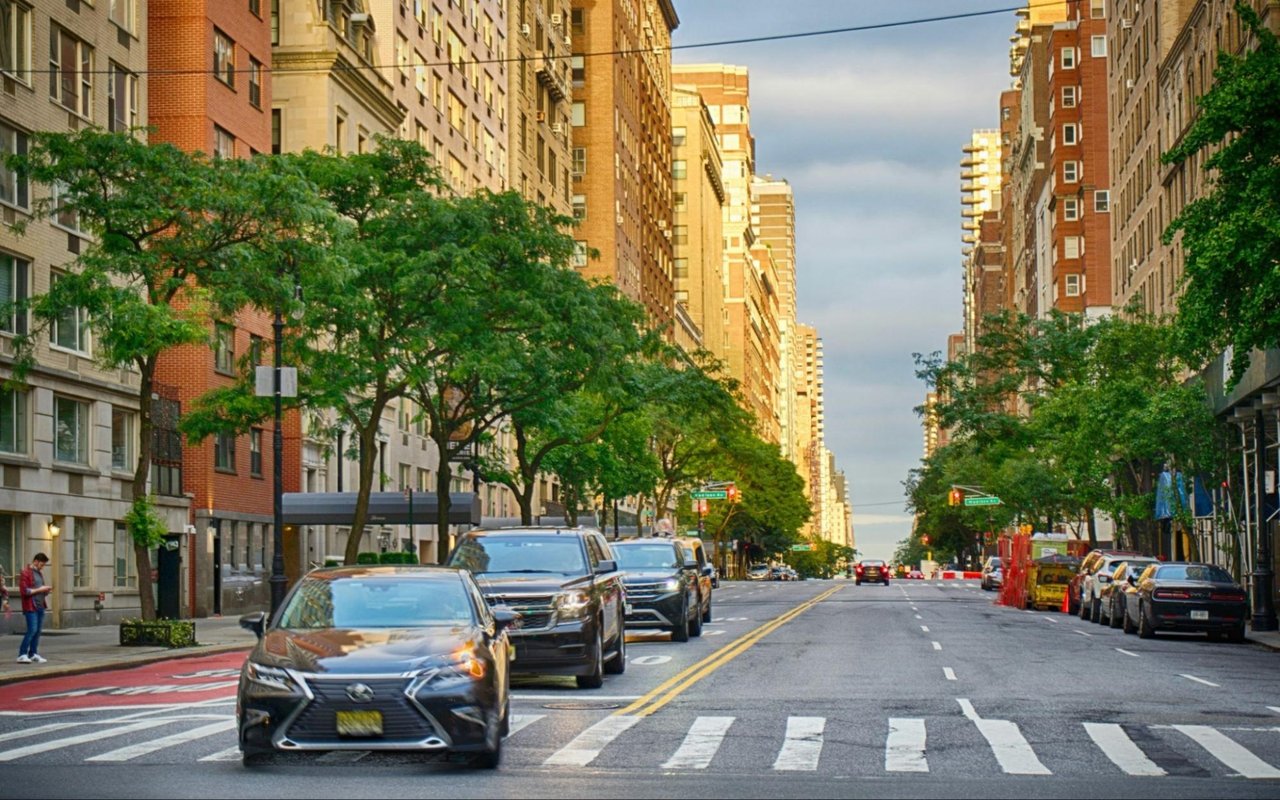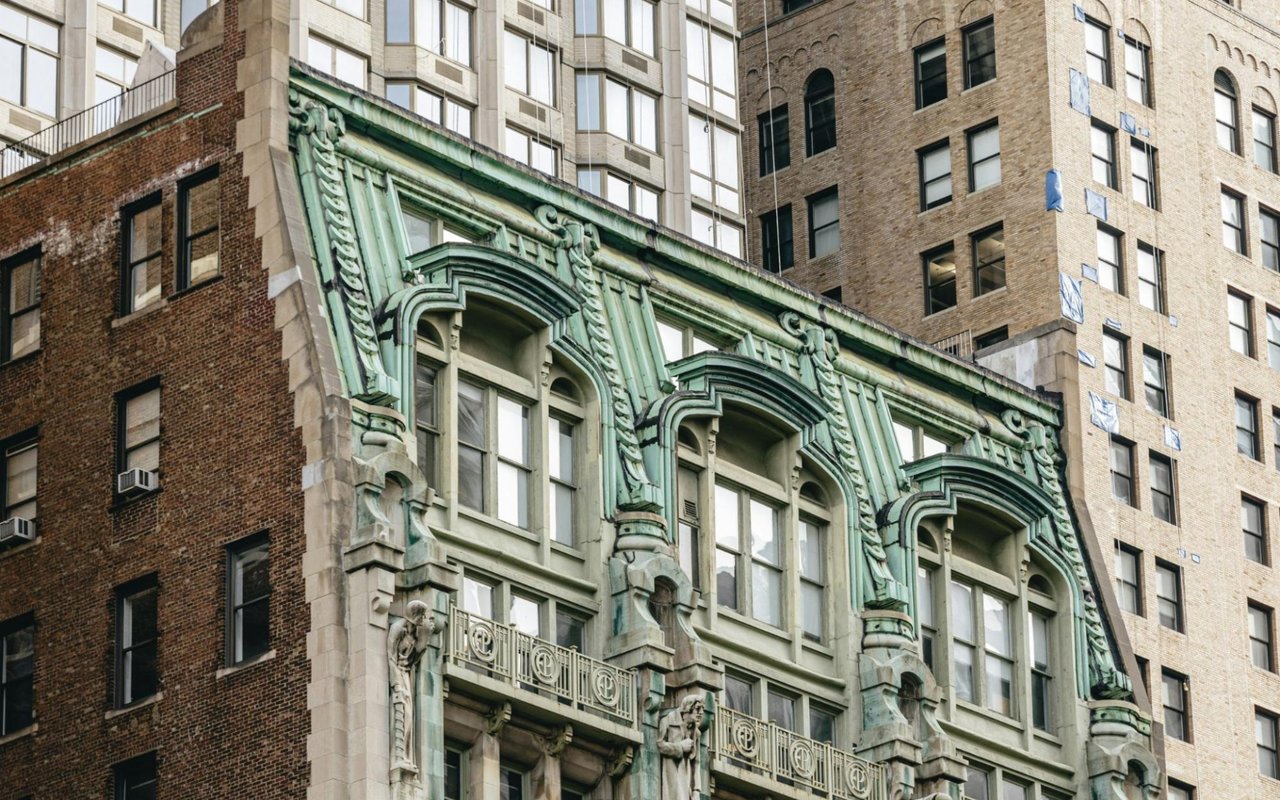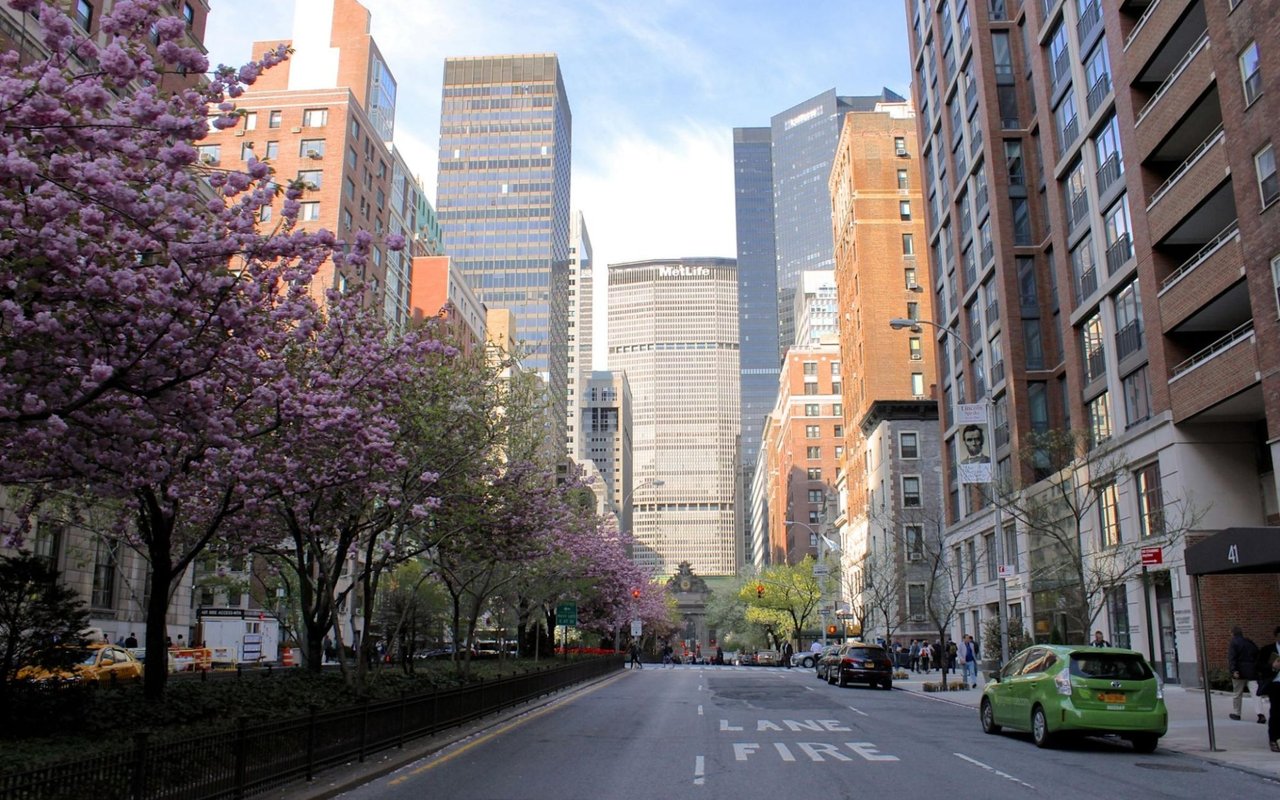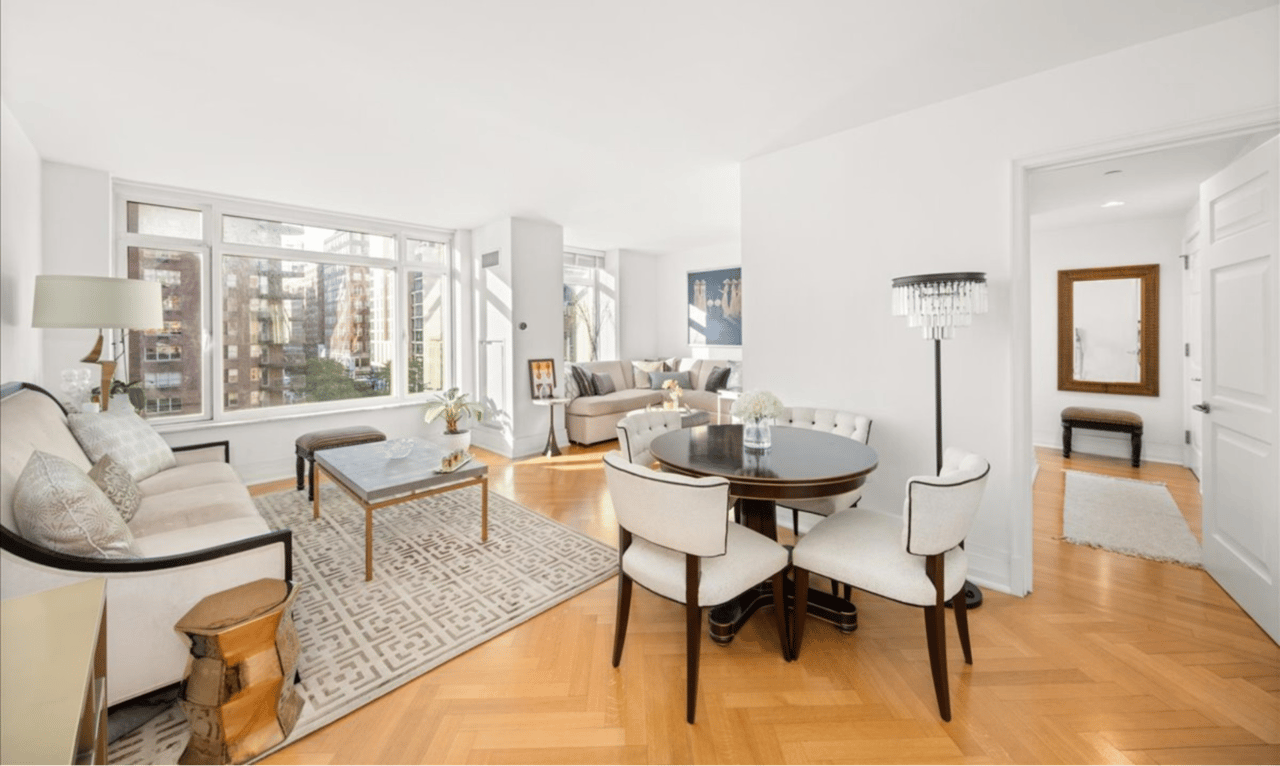
If you are selling on Central Park West, you are not just listing an apartment. You are bringing a very specific Manhattan asset to market, where address, architecture, light, and building reputation can influence value as much as the renovation itself. In this guide, you will learn how to price, present, and prepare a Central Park West apartment for today’s market so you can make smarter decisions from day one. Let’s dive in.
Why Central Park West sells differently
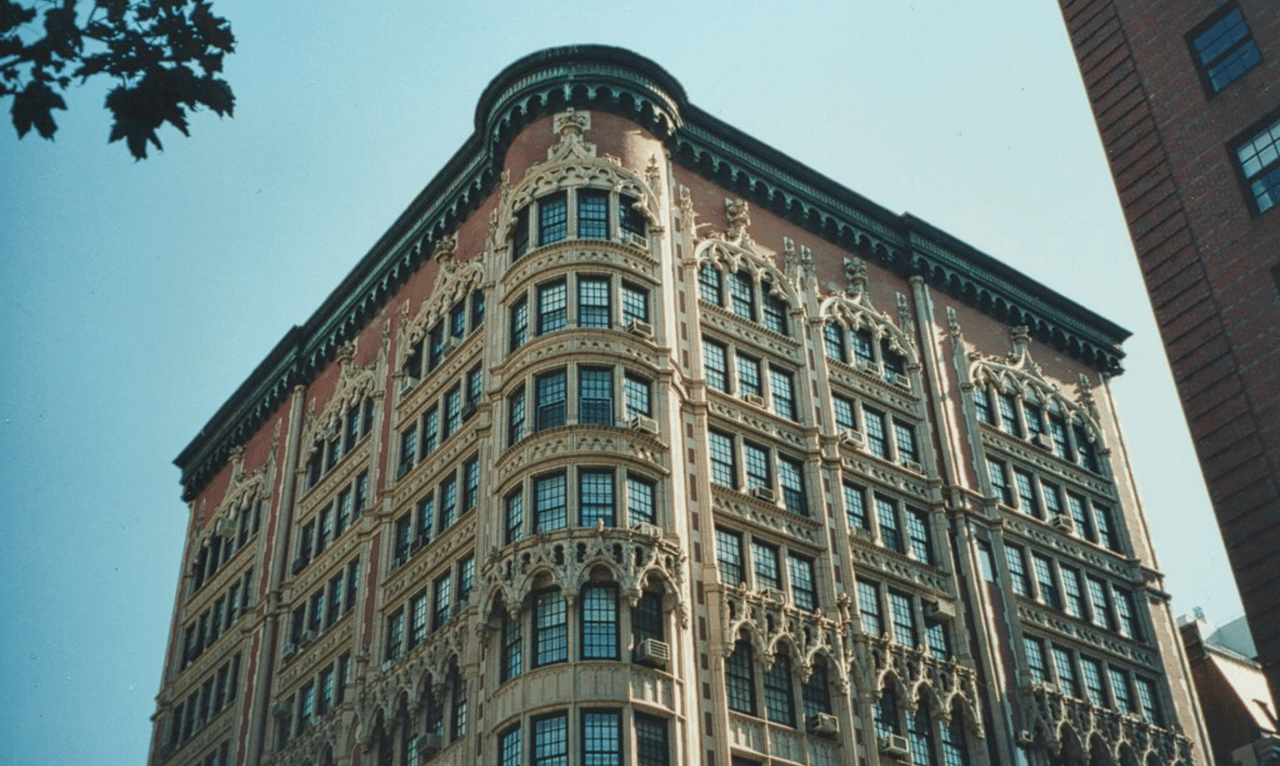
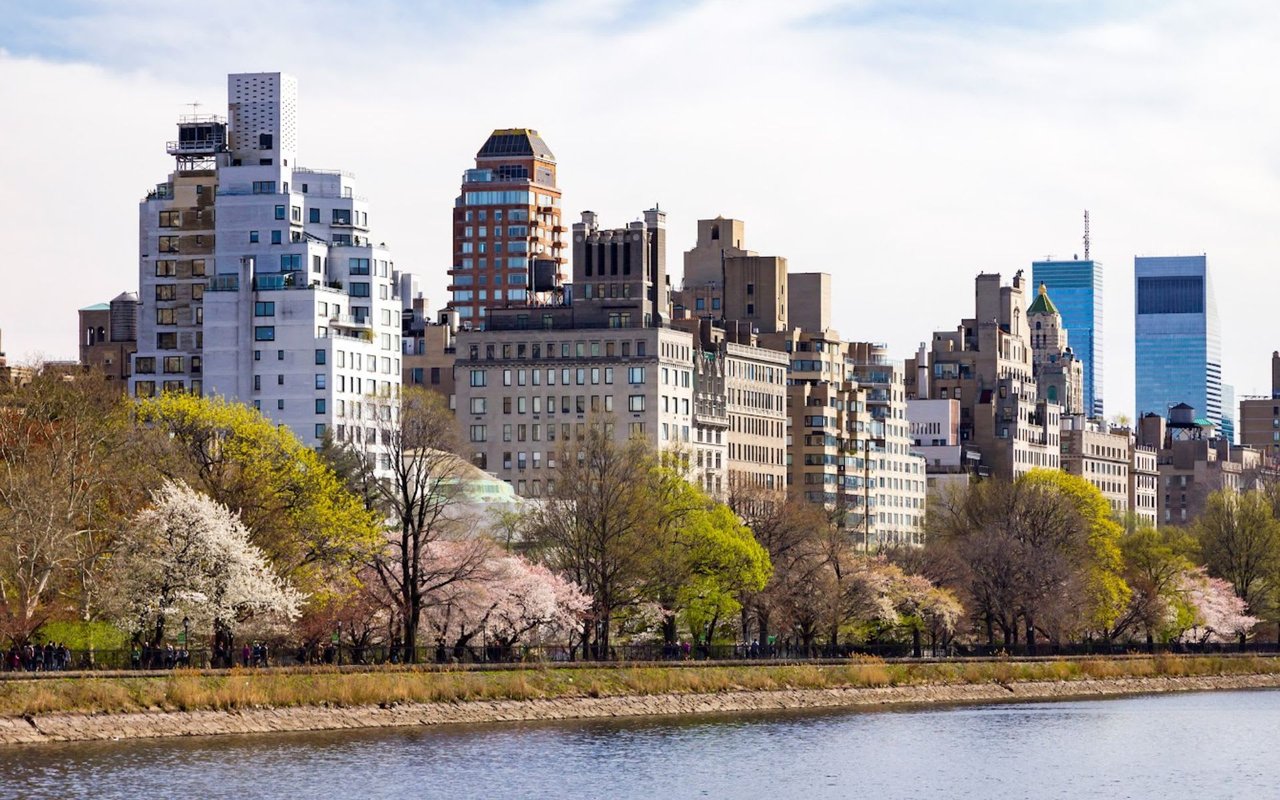
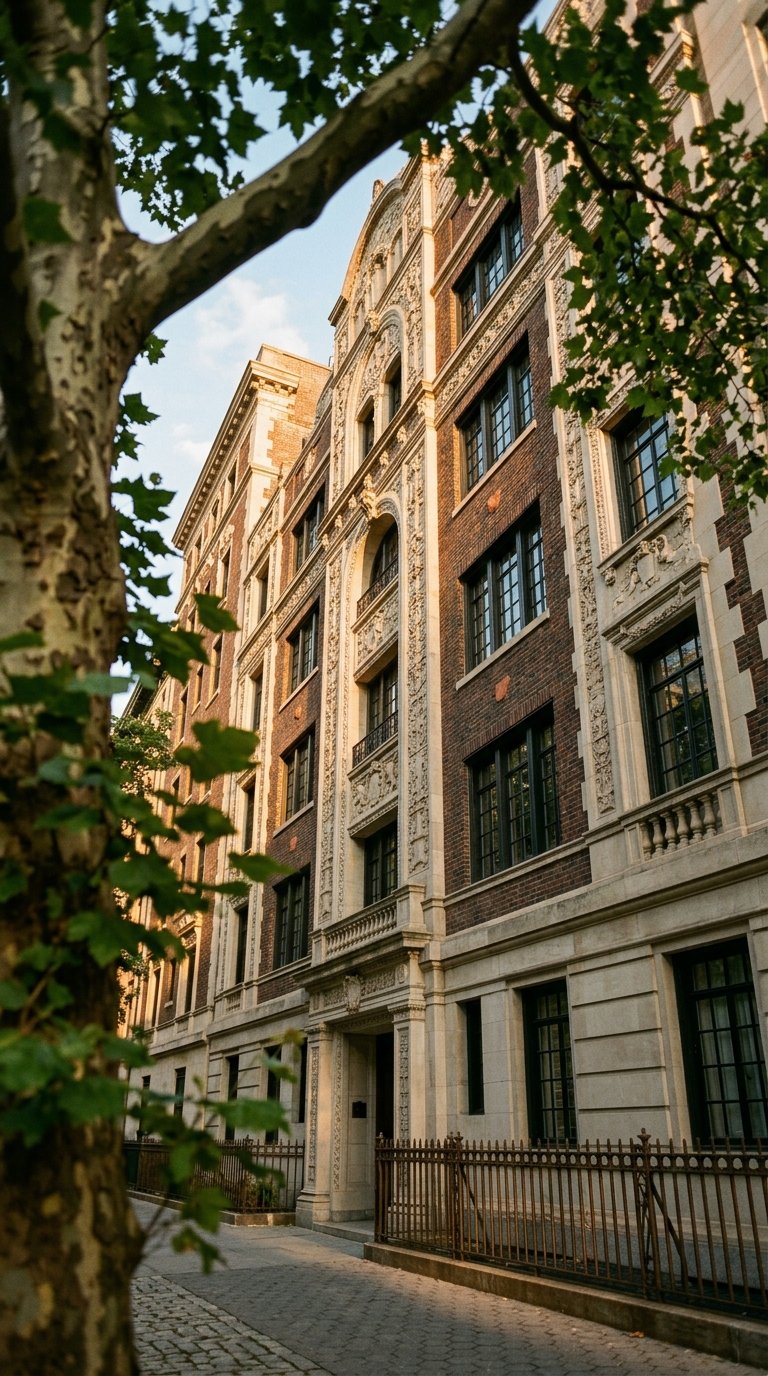
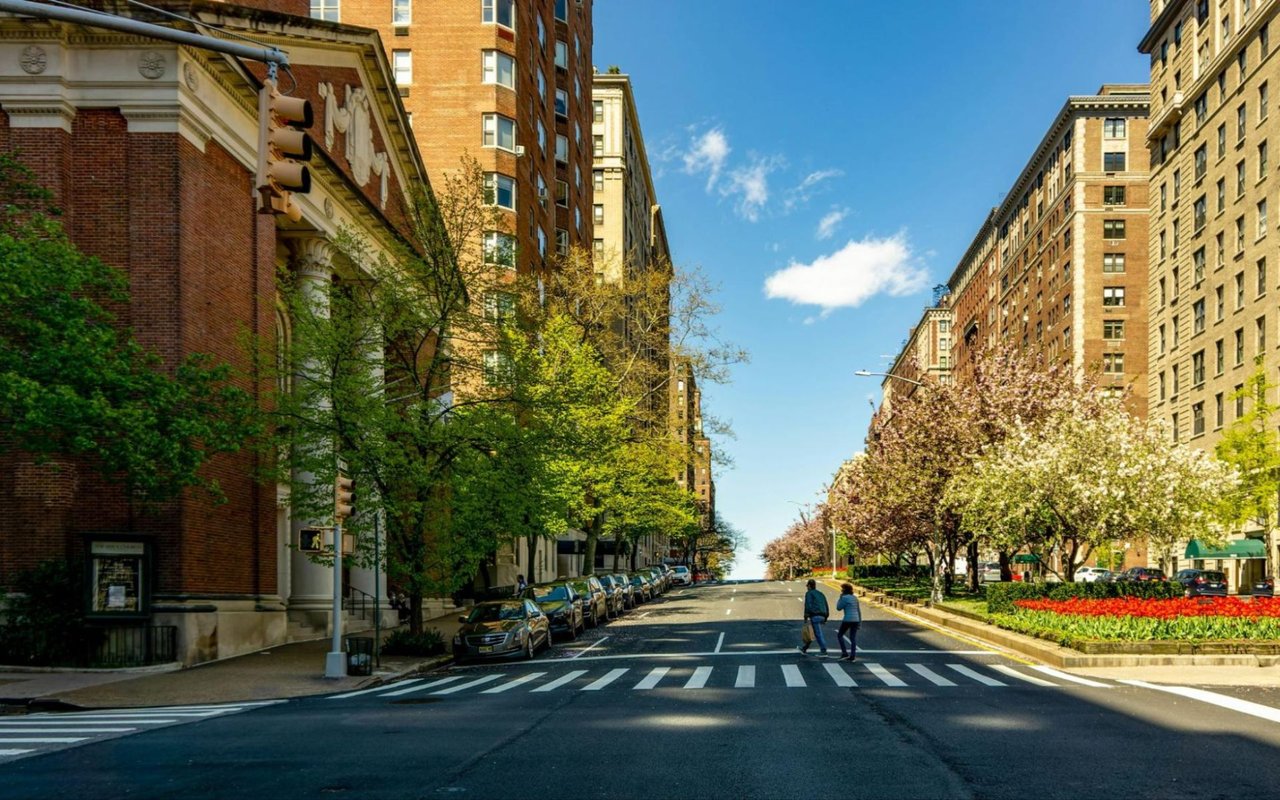
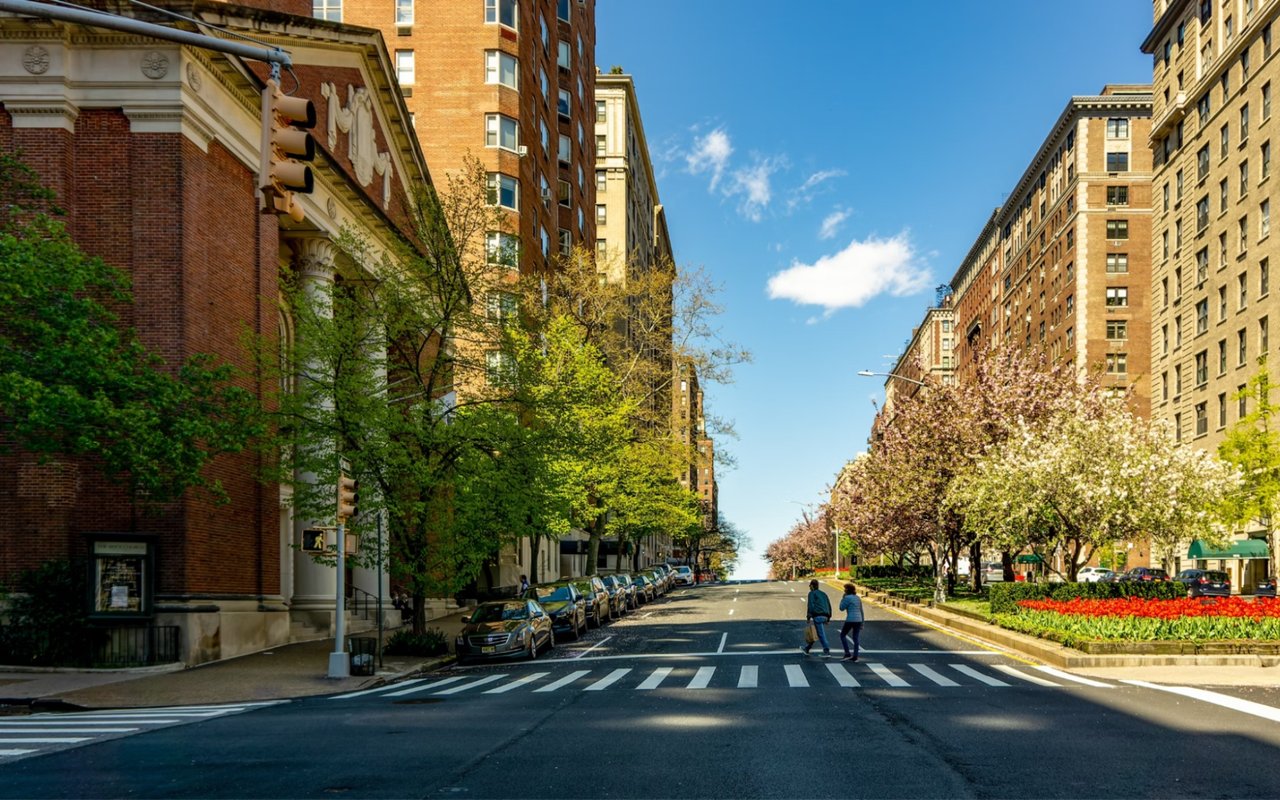
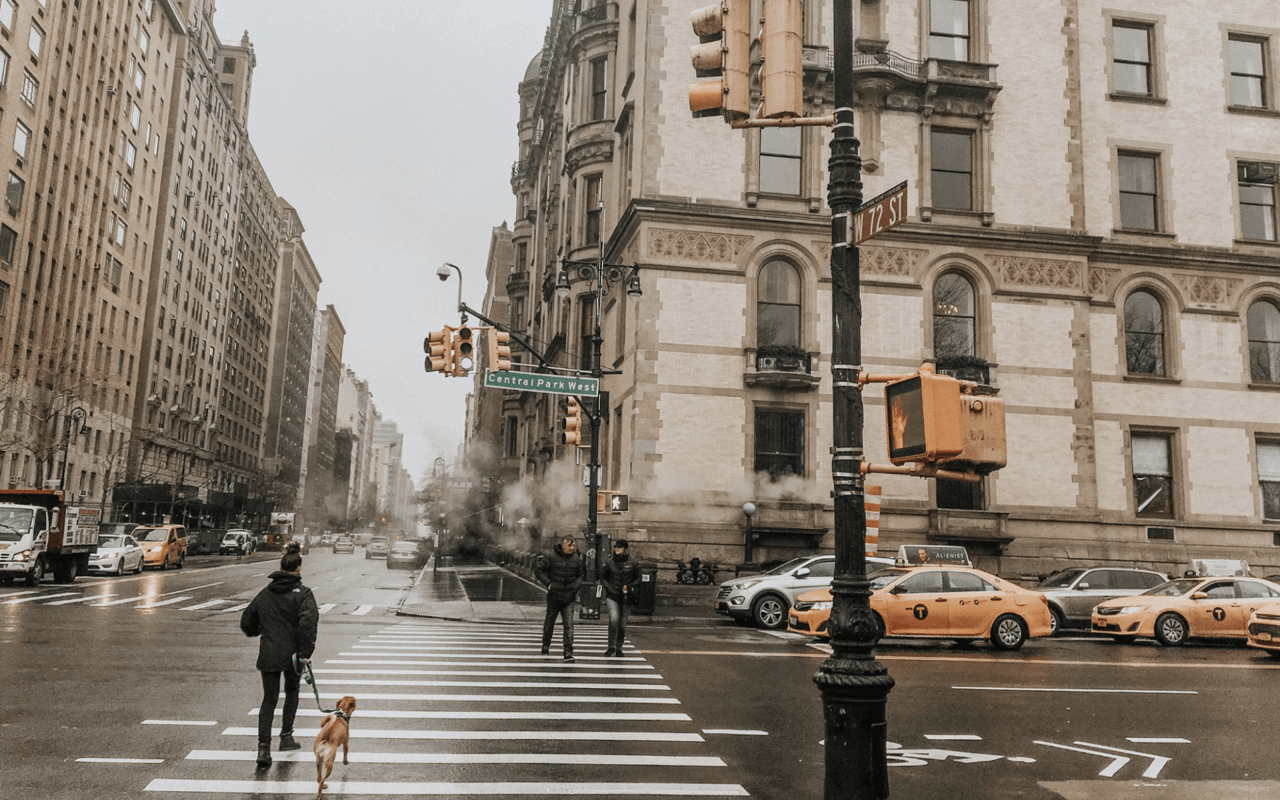
Central Park West is not a generic Upper West Side listing environment. The avenue sits within the Upper West Side/Central Park West Historic District, and it is defined by some of Manhattan’s best-known landmark apartment houses, including the Dakota, the Beresford, the Century, the San Remo, and the Eldorado. That context shapes buyer expectations before they ever walk through your front door.
For many buyers, a Central Park West apartment is part home and part scarce address product. They are often evaluating the building’s pedigree, the park relationship, the floor level, and the quality of the outlook alongside room count and finishes. On this stretch, the story of the apartment and the story of the building are closely tied.
StreetEasy’s 2025 Upper West Side data also supports the idea that this is a premium submarket. The neighborhood’s median asking price was listed at $1.545 million versus $1.35 million for Manhattan, with a median sales timeline of 58 days. The same neighborhood profile notes that the area is dominated by large prewar buildings, which matters when you position a home for sale.
Read the Manhattan market carefully
A strong Central Park West listing strategy starts with the broader Manhattan backdrop, but it should not stop there. Corcoran’s 1Q 2026 Manhattan report showed 2,757 closings, up 1 percent year over year, with $6.2 billion in sales volume, up 4 percent. Median sale price rose to about $1.28 million, price per square foot reached $1,972, and days on market fell to 110.
At the same time, signed contracts were down 11 percent year over year. That is an important detail because it suggests buyers are still active, but more selective. In practical terms, sellers can still succeed, but the market is less forgiving when a property is overpriced or poorly positioned.
Financing conditions also matter, even on trophy addresses. Freddie Mac reported a 30-year fixed mortgage rate of 6.47 percent on June 18, 2026. That rate environment tends to keep buyers focused on monthly carrying costs, asset quality, and whether a listing feels worth the total cost of ownership.
Seasonality remains relevant too. ATTOM’s 2026 analysis found that seller premiums tend to peak in the early part of the spring selling season. If you have flexibility on launch timing, that can be useful context when planning photography, preparation, and pricing.
Price for the real comparables
On Central Park West, simple price-per-square-foot math can lead you astray. This avenue includes landmarked prewar co-ops, distinct white-glove buildings, and newer luxury condominiums, all with different buyer pools and cost structures. A number that looks reasonable on a spreadsheet may miss what buyers are actually comparing.
A better pricing approach starts with recent truly comparable sales and then adjusts for factors like:
- Floor level
- Light and window lines
- Direct or partial park views
- Outdoor space
- Renovation quality
- Layout efficiency
- Monthly carrying costs
- Co-op versus condo structure
- Building reputation and service level
That last group matters more here than in many other Manhattan locations. Two homes with similar square footage can command very different reactions if one sits in a better-known building, has lower carrying costs, or offers stronger light and a more compelling park-facing experience.
If your apartment is a co-op, maintenance should be part of the pricing conversation from the start. According to the New York State Attorney General, co-op monthly maintenance is tied to the shares allocated to the apartment. Buyers often evaluate the ongoing monthly cost and the building’s financial strength right alongside the asking price.
Presentation should highlight what buyers value
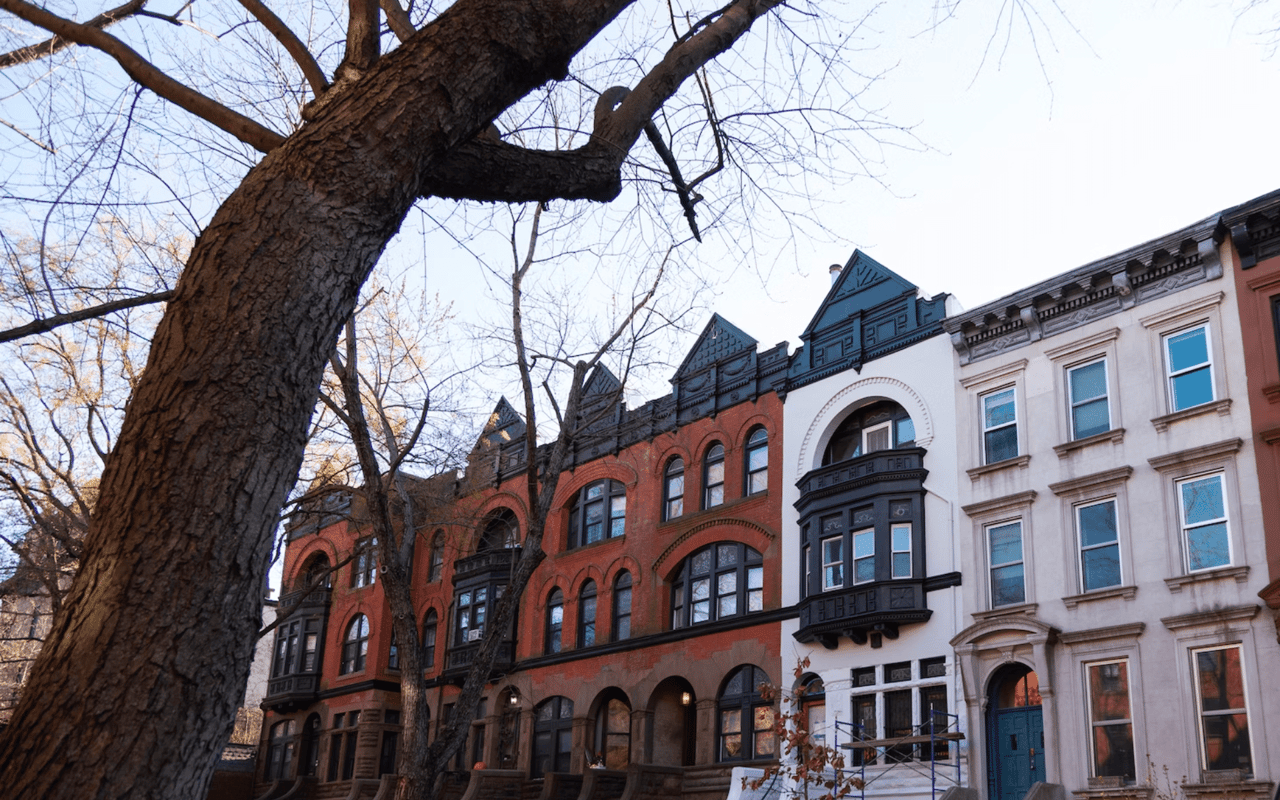
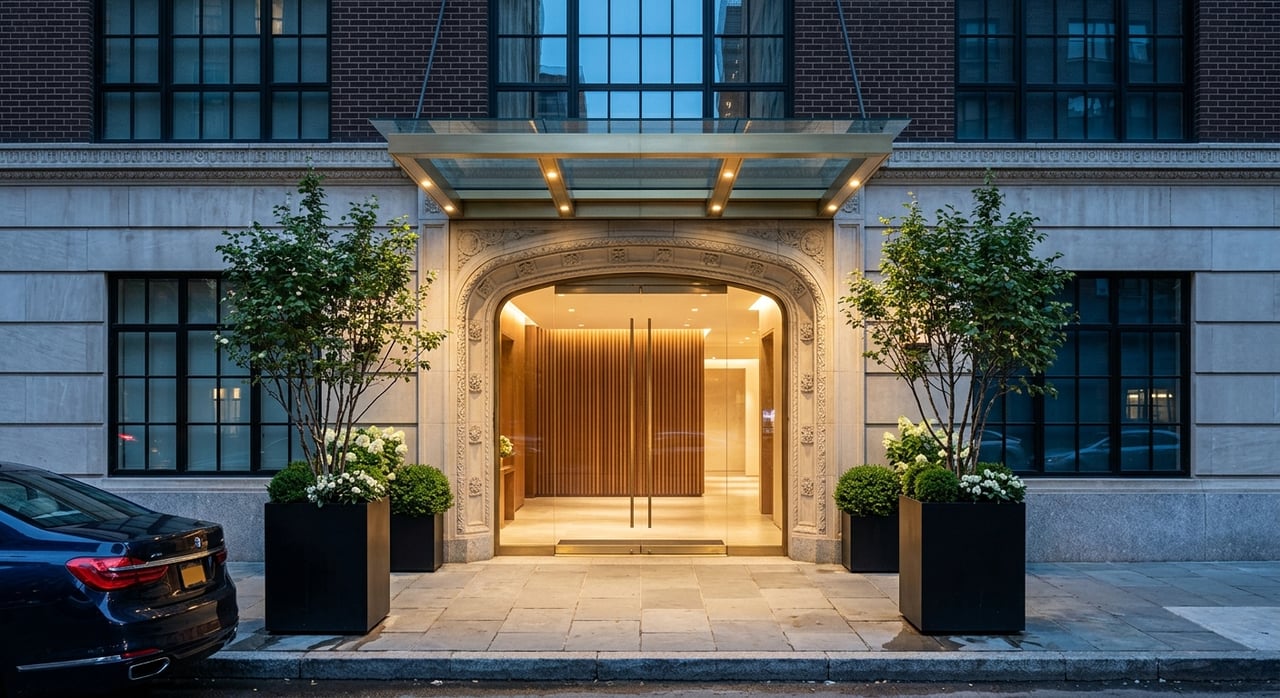
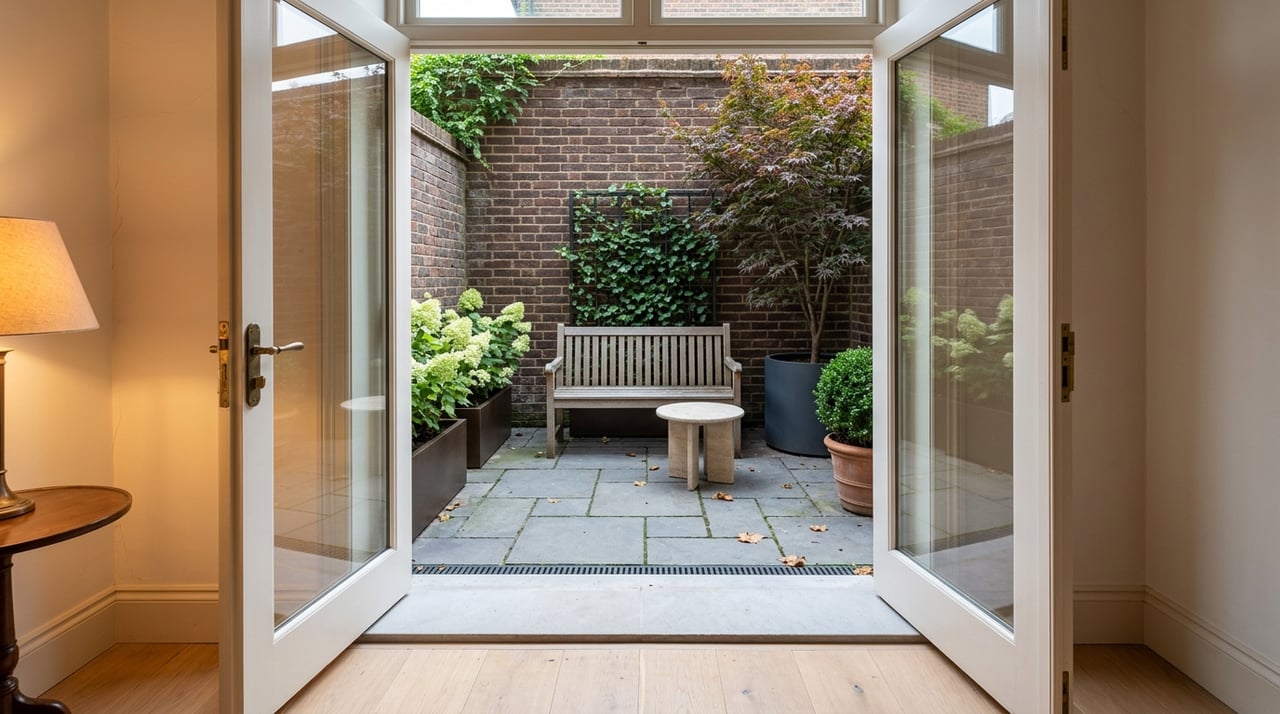
A Central Park West buyer is often paying for atmosphere as much as finish level. That means your presentation strategy should emphasize volume, natural light, prewar detail, proportion, and outlook. If your apartment has gracious rooms, tall ceilings, original moldings, or an elegant window line, those features should be visible in both the staging plan and the photography.
At the same time, visible wear can distract from the apartment’s strengths. Small cosmetic updates, careful paint choices, lighting improvements, and edited staging can help buyers focus on scale and character rather than deferred maintenance. The goal is not to erase the apartment’s personality. The goal is to present it with clarity.
For many prewar homes, this balance matters. Overly generic presentation can flatten the charm that buyers came to see, while under-preparing the space can make the listing feel heavier or less special than it is in person. On Central Park West, nuance usually wins.
Be precise about views and building story
Views are powerful on Central Park West, but they need to be described carefully. If your apartment has park views, side views, open sky, or notable sightlines, document them clearly and market them accurately. Precision builds trust and helps avoid problems later in the process.
This is especially important in a historic district. The Landmarks Preservation Commission states that it regulates many exterior changes in historic districts, but it does not regulate obstruction of sunlight or air. In other words, you should not imply that a view is permanently protected unless you can support that statement.
The building story also matters, and on this avenue it is often meaningful. The Historic Districts Council describes the Dakota as New York’s first luxury apartment house and recognizes the Beresford, Century, San Remo, and Eldorado as landmark buildings that define Central Park West’s skyline and identity. If your apartment benefits from that architectural pedigree, it should be part of the positioning.
Confirm permits before pre-listing work
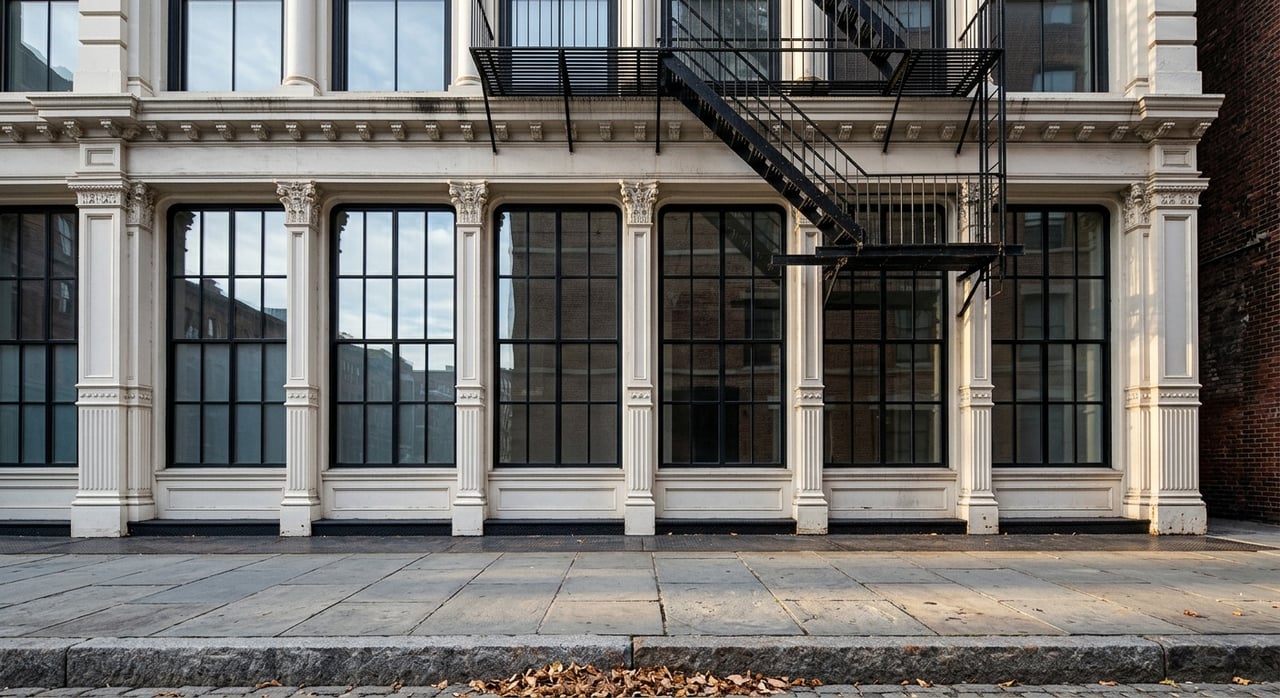
If you are thinking about doing pre-listing work, slow down before starting anything visible from the exterior. In historic districts, changes such as window replacements, façade work, terrace changes, and other exterior-facing updates may require Landmarks Preservation Commission review. Many approvals are handled at the staff level, but review is still required.
This matters for both timing and budget. A seller who starts visible work without confirming permit requirements can create avoidable delays during the preparation window. If your plan includes any exterior or building-facing changes, permit review should be one of the first checklist items.
Prepare documents earlier than you think
Well-prepared paperwork can protect your timeline, especially in a co-op sale. The New York State Attorney General advises prospective co-op and condo buyers to review materials such as the offering plan, board meeting minutes, and financial reports. That means buyers and their advisors are likely to focus on those records during diligence.
For sellers, early organization helps reduce friction once an offer is accepted. It is wise to gather available building financials, governing documents, alteration policies, and any materials commonly requested in your building before you go live. In a Central Park West co-op, this is not busywork. It is part of risk management.
You should also verify any transfer terms or resale conditions in the building’s governing documents and offering-plan history at the outset. If those issues are discovered late, they can complicate negotiations or slow a deal that otherwise looked solid.
Understand the co-op timing rules
If you are selling a co-op in New York City, recent law changes make package completeness even more important. Local Law 58 of 2026 requires co-op corporations to acknowledge a sale application within 15 days and to notify the purchaser within 45 days after a complete application, subject to limited extensions and a summer recess tolling rule. The law takes effect 180 days after January 29, 2026.
For sellers aiming at a summer 2026 launch or later, that means the quality of the board package can affect timing in a direct way. A complete, accurate application is no longer just a courtesy to the board process. It is a practical part of transaction planning.
Know the transfer tax basics
Closing costs should be part of your strategy before you set the asking price. In New York City, the Real Property Transfer Tax applies to sales above $25,000 and also applies to transfers of cooperative housing stock shares. The default rule is that the seller pays the base and additional base tax, while the buyer pays the mansion tax and supplemental tax where applicable.
New York State also requires a separate transfer-tax filing for New York City conveyances. New York City requires the return and payment to be filed within 30 days after transfer. These mechanics are routine, but they should still be built into your net-sheet planning from the beginning.
Strategy matters more than ever
Central Park West can reward sellers who understand what buyers are really shopping for. In a market where signed contracts have softened even as pricing and sales volume have held up, presentation and precision matter. Buyers are still there, but they are comparing more carefully.
That is why a strong sale on Central Park West usually comes from a coordinated plan, not one big move. Accurate pricing, polished presentation, thoughtful storytelling, clean documentation, and disciplined negotiation all work together. When those pieces are aligned, your apartment has a better chance to stand out for the right reasons.
If you are considering a sale on Central Park West, working with a broker who understands Manhattan building nuance, carrying costs, and deal structure can make the process far more controlled. To plan your pricing, preparation, and launch strategy, contact Kobi Lahav.
FAQs
What makes selling an apartment on Central Park West different from selling elsewhere in Manhattan?
- Central Park West buyers often weigh building pedigree, park adjacency, floor, light, and views alongside renovation level and layout, which makes pricing and presentation more nuanced than a standard Manhattan listing.
How should you price a Central Park West co-op or condo?
- You should start with recent comparable sales and adjust for floor, light, views, outdoor space, renovation quality, monthly carrying costs, building reputation, and whether the apartment is a co-op or condo.
Why do carrying costs matter when selling a Central Park West co-op?
- Buyers often evaluate monthly maintenance and building financial strength as part of the overall value equation, not as a separate issue after they decide they like the apartment.
Do historic district rules affect pre-listing work on Central Park West?
- Yes. Exterior-visible work such as window replacements, façade work, terrace changes, or similar alterations may require Landmarks Preservation Commission review before work begins.
What documents should a Central Park West seller organize early?
- Sellers should gather available building financial reports, offering-plan materials, board meeting minutes if accessible, governing documents, and other commonly requested co-op or condo records as early as possible.
What transfer taxes should a New York City seller expect when selling on Central Park West?
- In general, New York City Real Property Transfer Tax applies to qualifying sales and co-op share transfers, and the seller typically pays the base and additional base tax while the buyer pays mansion tax and supplemental tax where applicable.