Wondering whether a West Village townhouse is the dream Manhattan home or a beautiful commitment with real strings attached? If you are drawn to cobblestone blocks, low-rise streets, and the idea of owning a house in one of New York City’s most distinctive neighborhoods, you are not alone. Buying here can offer rare character and privacy, but it also comes with higher prices, more hands-on ownership, and stricter rules than many buyers expect. Let’s dive in.
Why West Village townhouses stand out
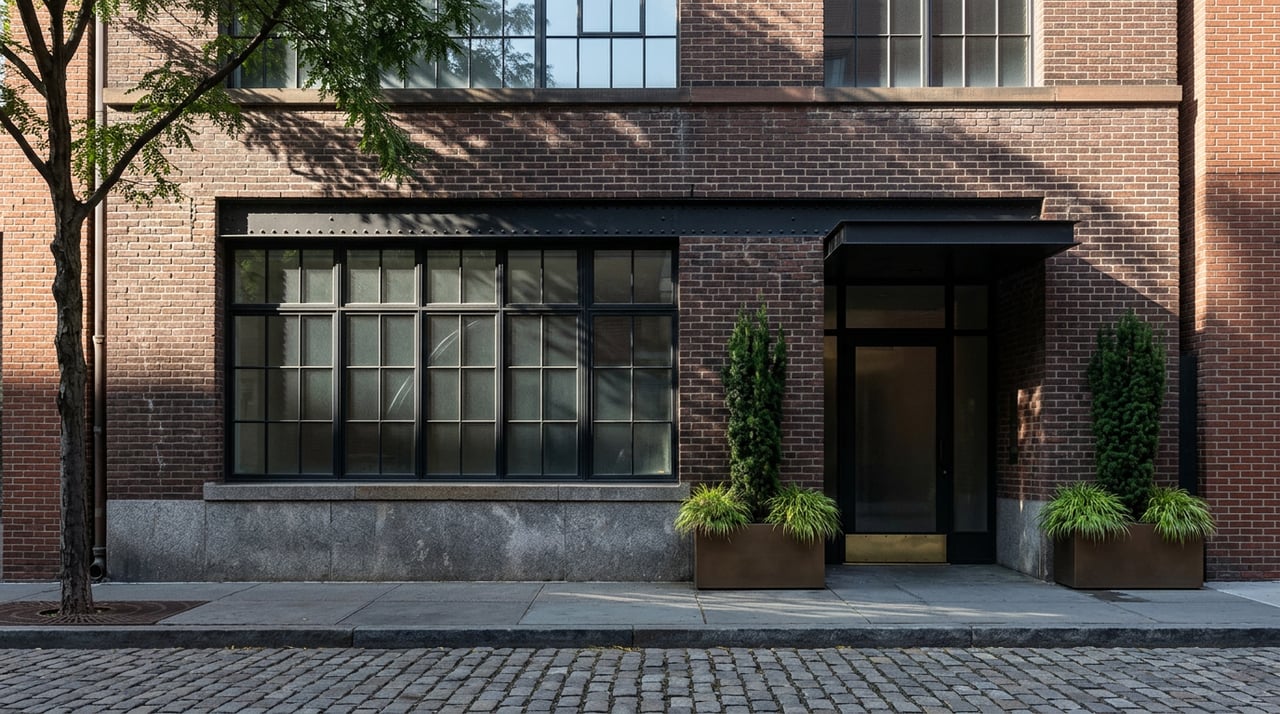
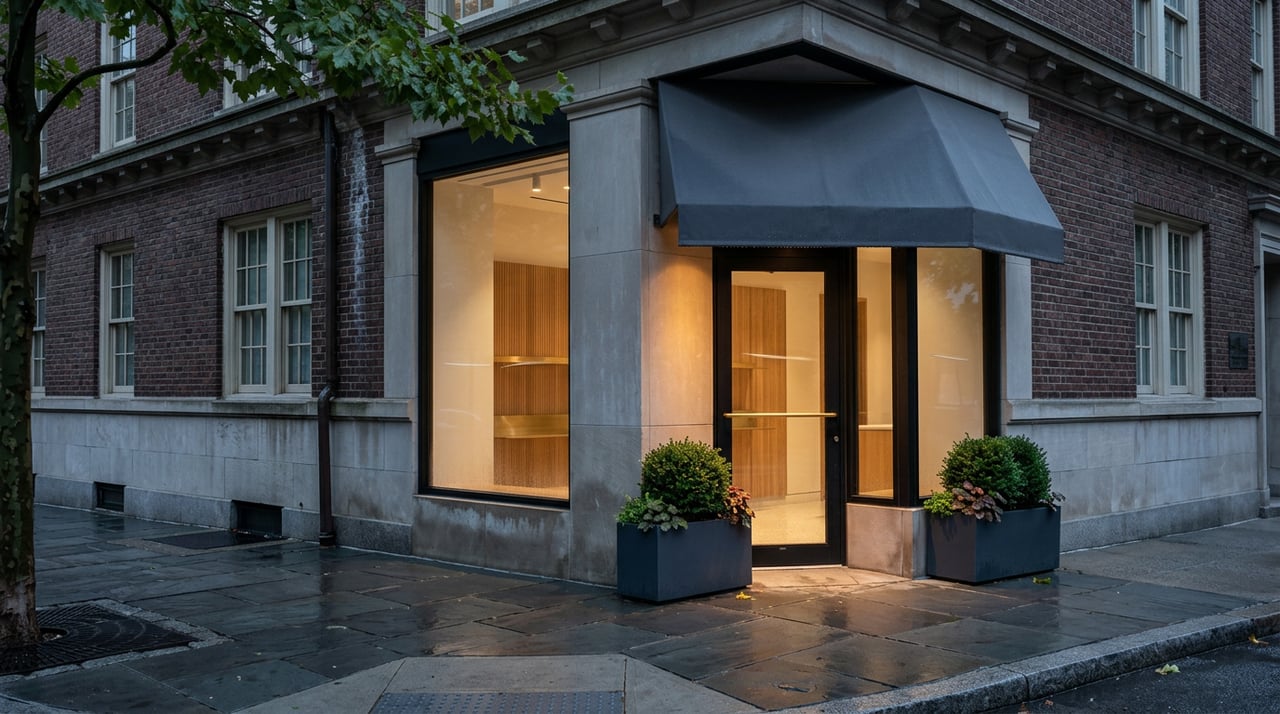
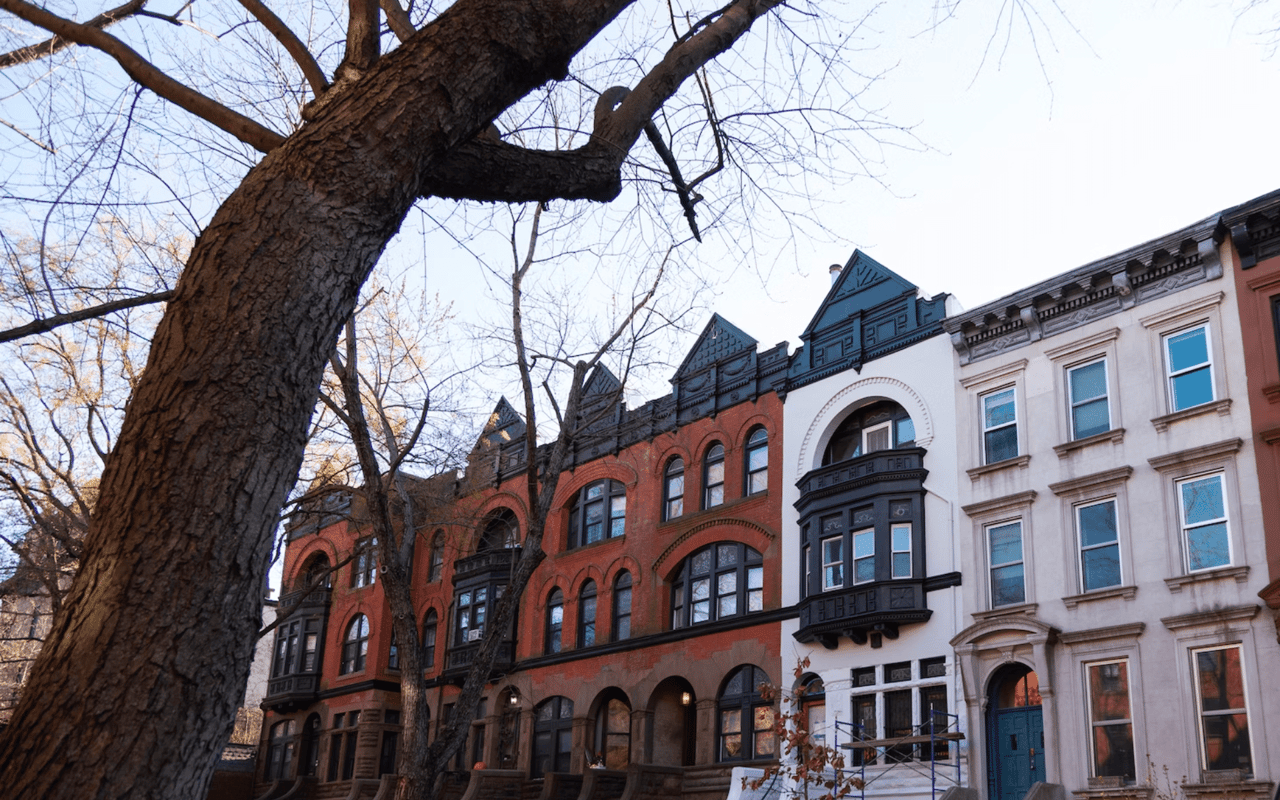
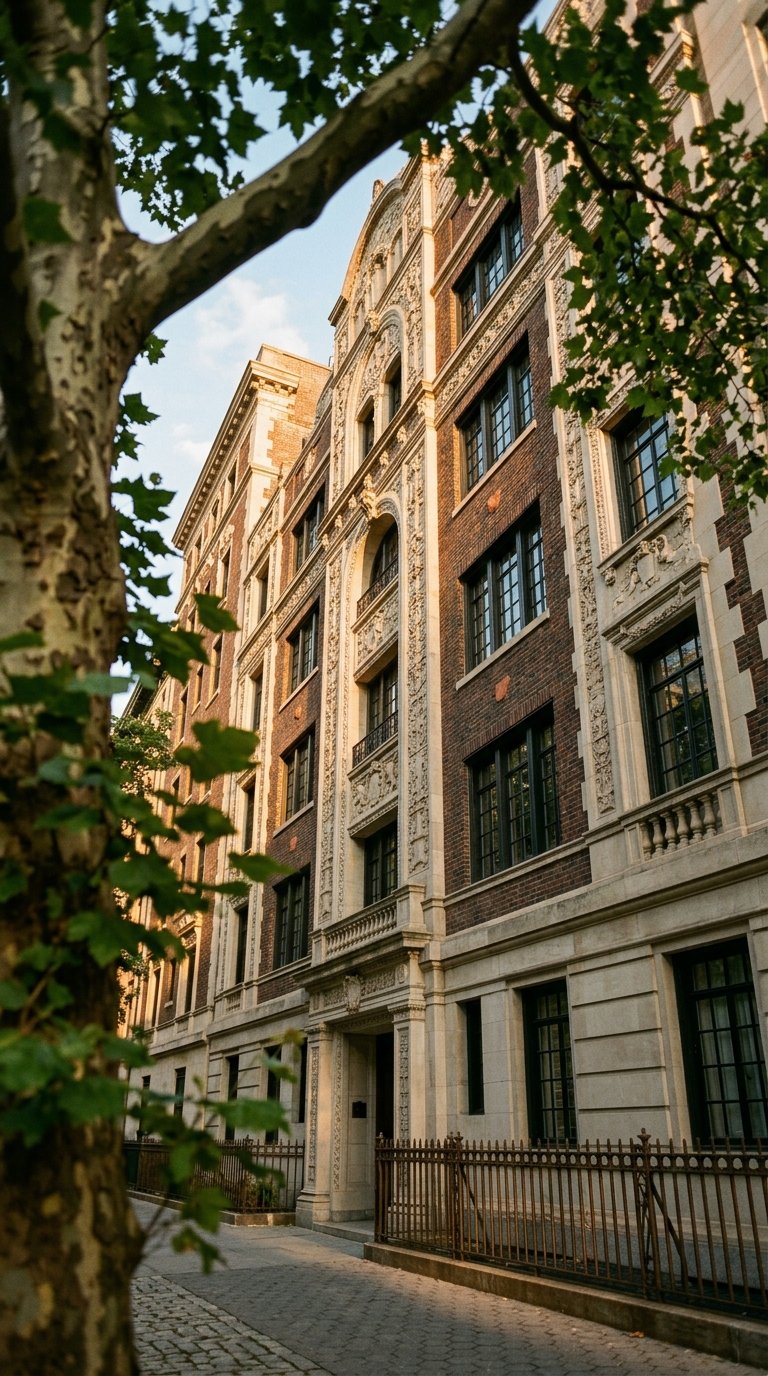
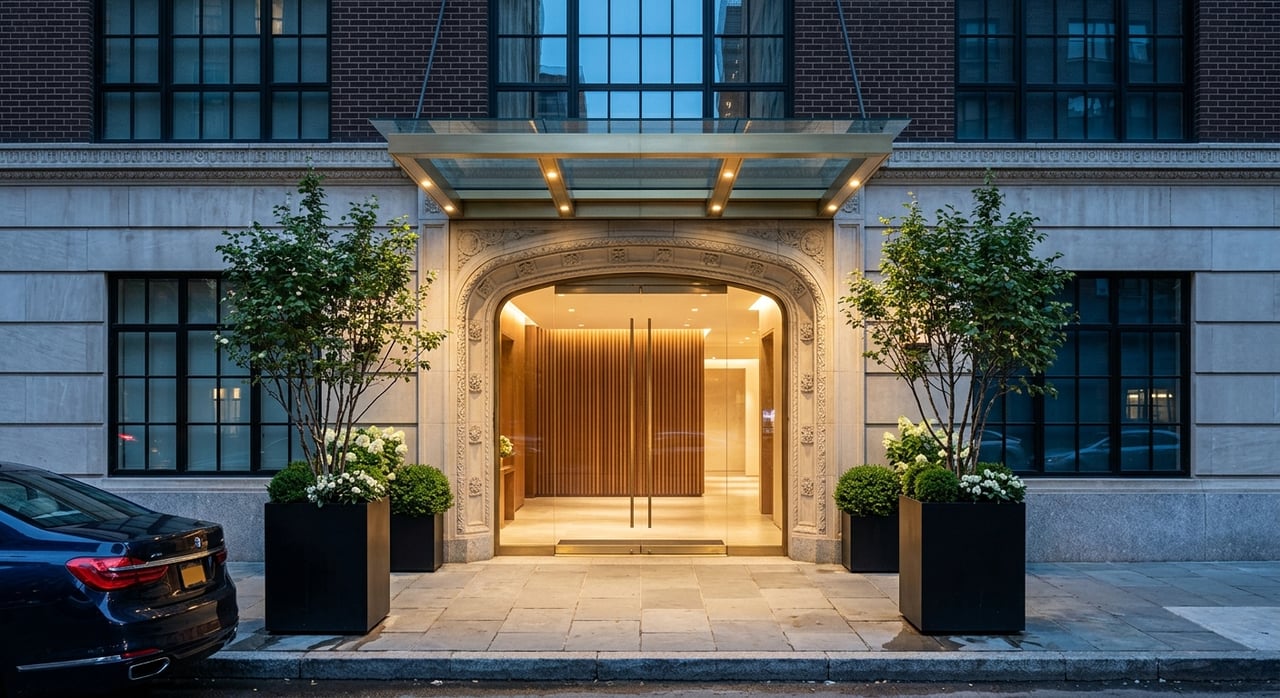
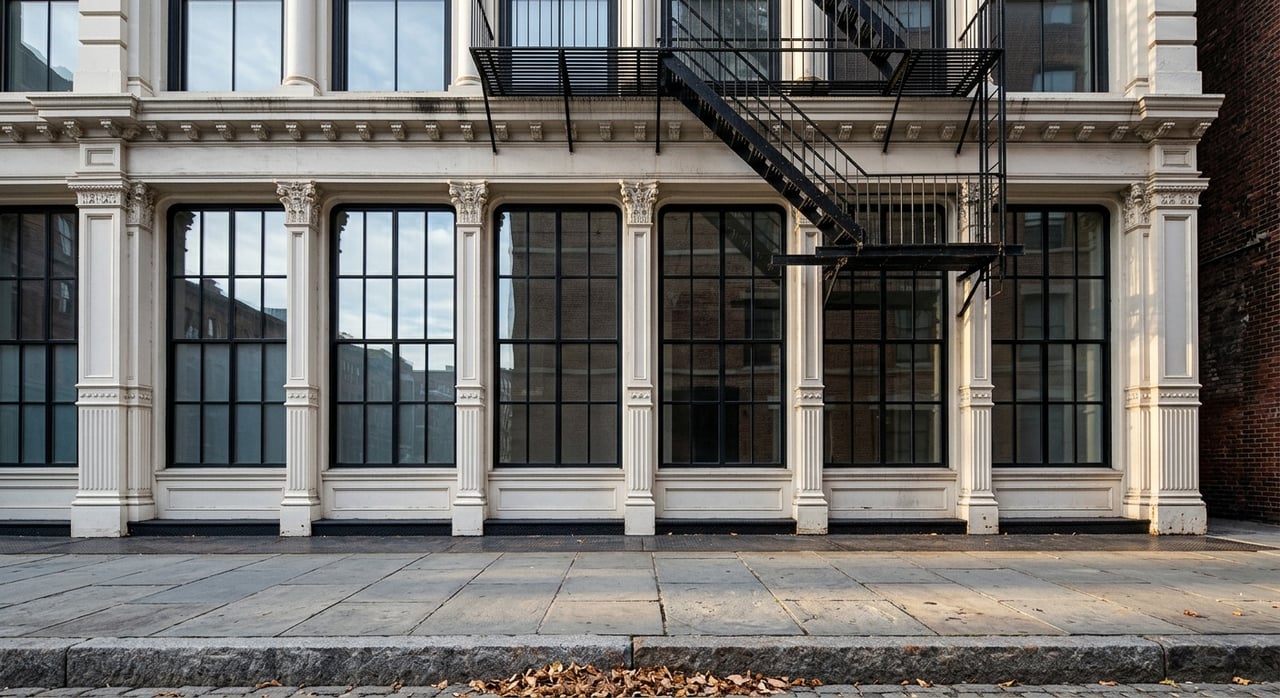
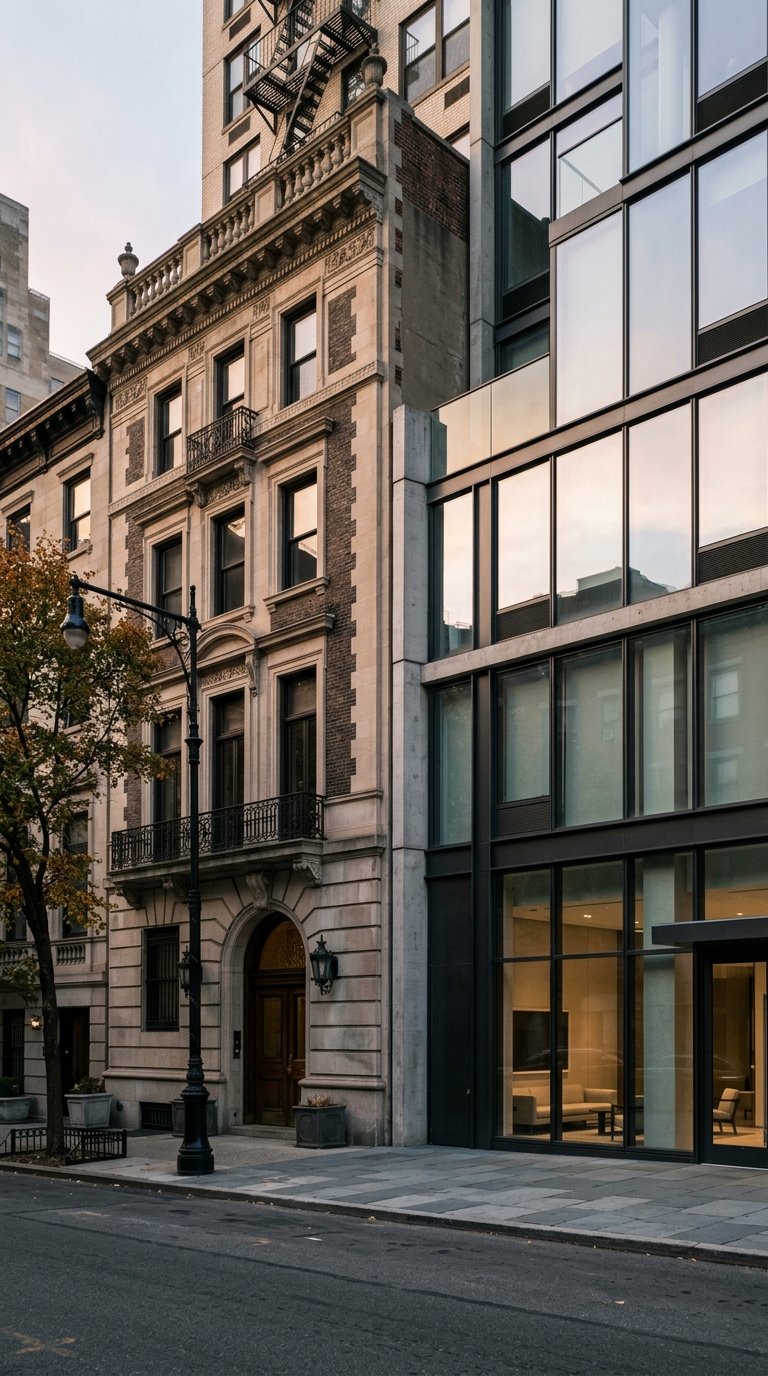
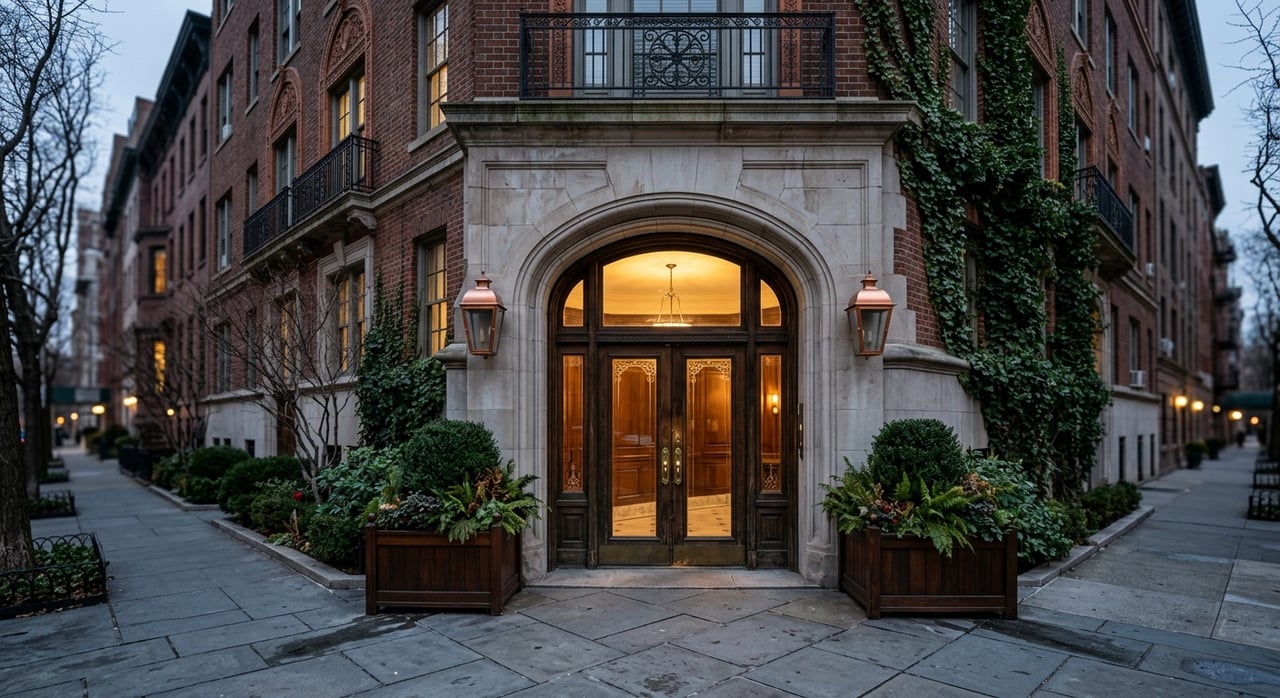
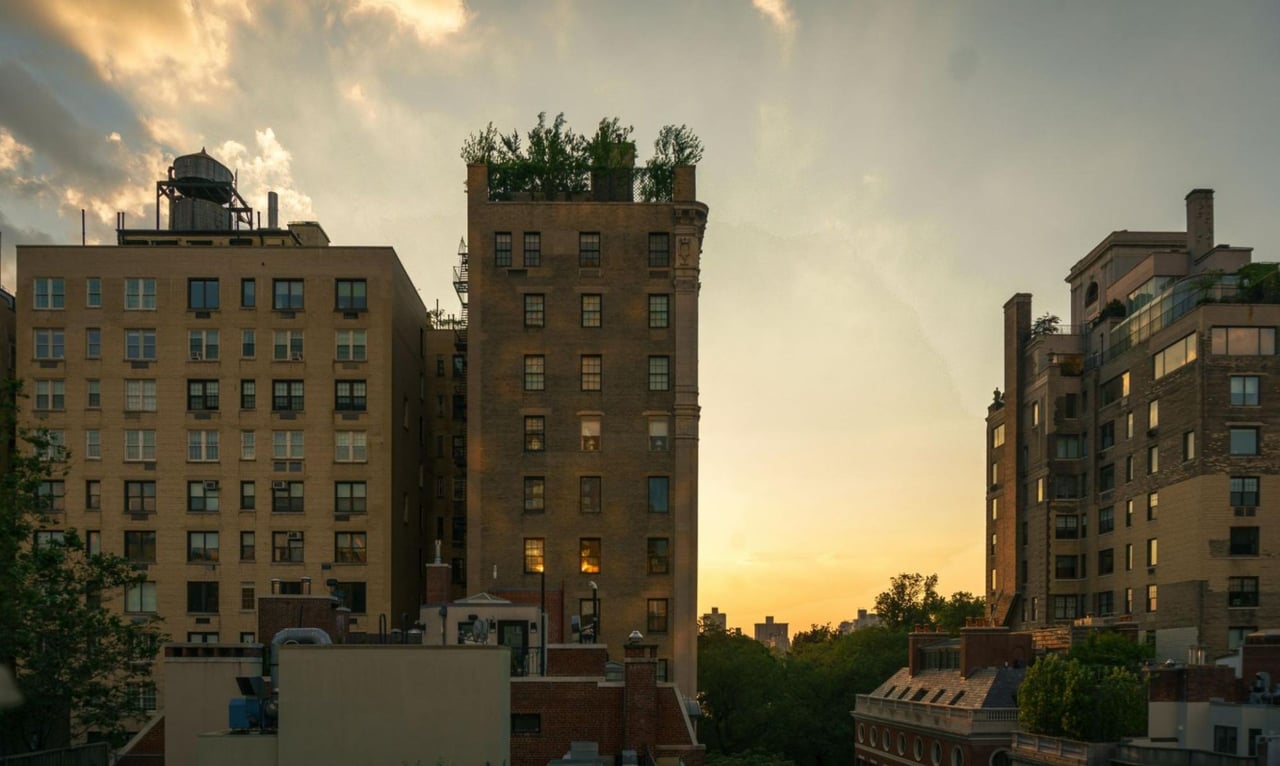
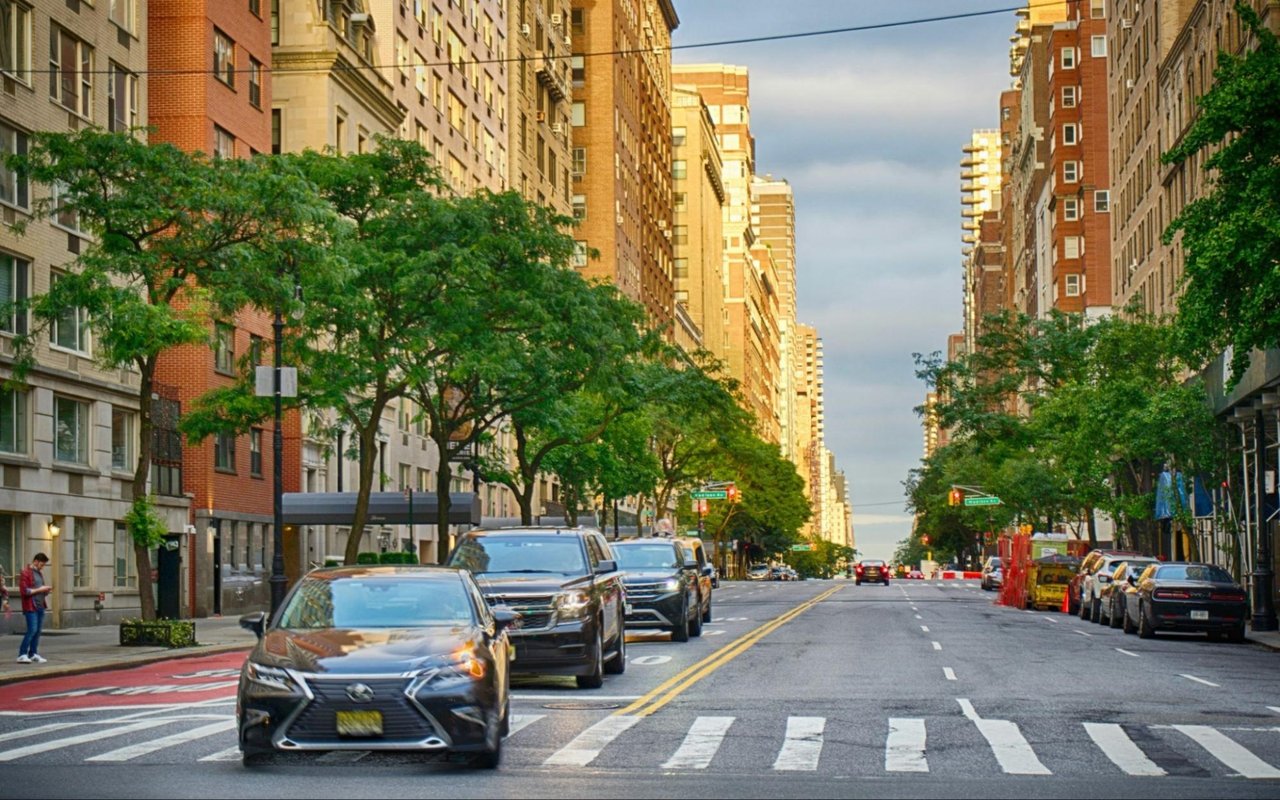
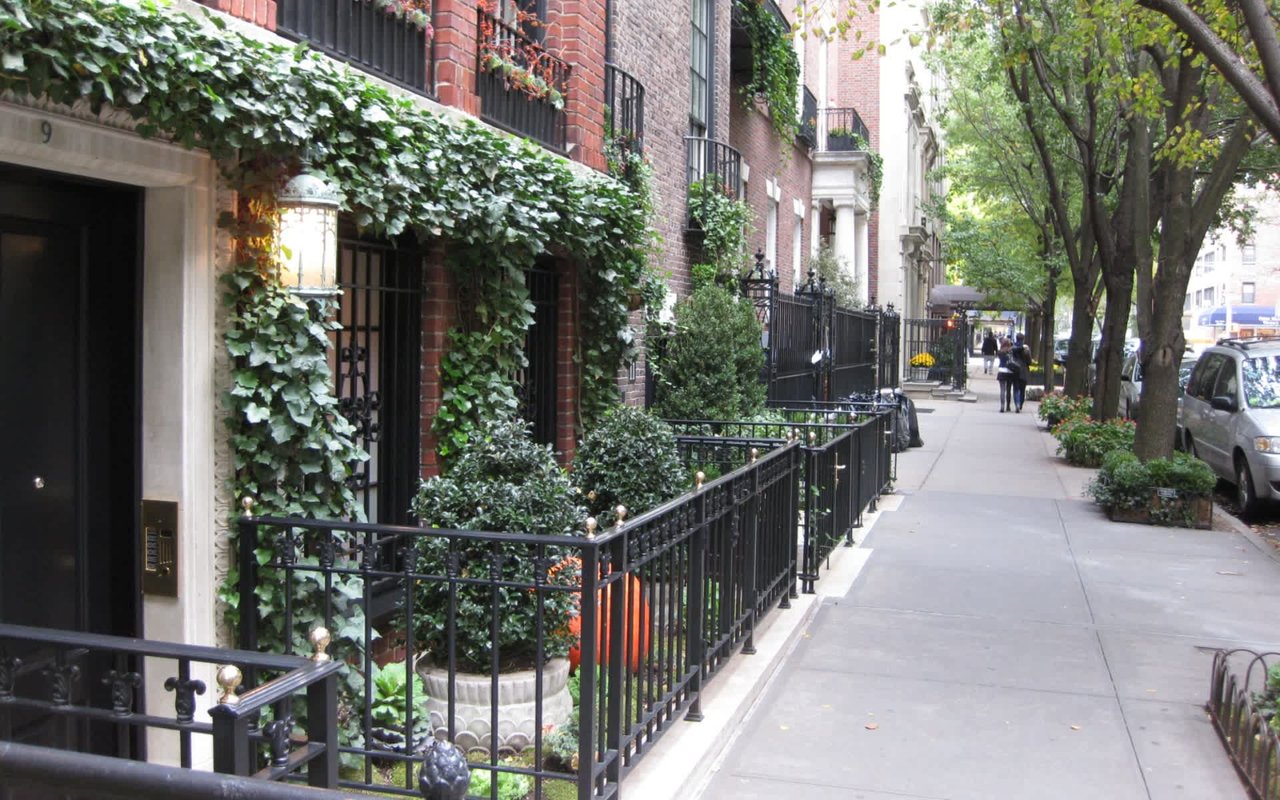
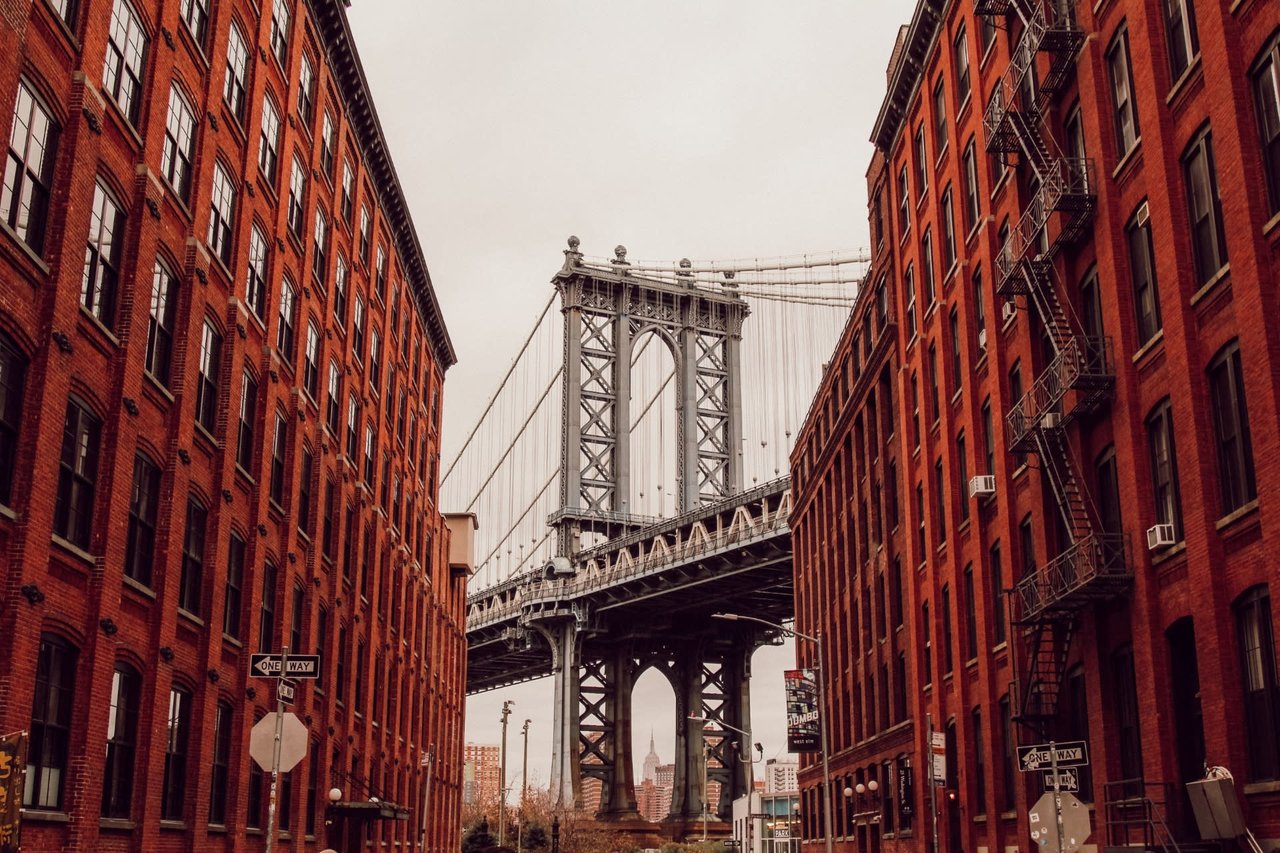
The West Village has a look and feel that is hard to duplicate anywhere else in Manhattan. StreetEasy describes the neighborhood as primarily residential, with a curving street pattern, cobblestones, and housing stock shaped by historic townhouses and walk-ups.
That physical setting is a big part of the appeal. In a city known for apartment towers, the West Village offers a lower-rise streetscape that feels more intimate and visually consistent.
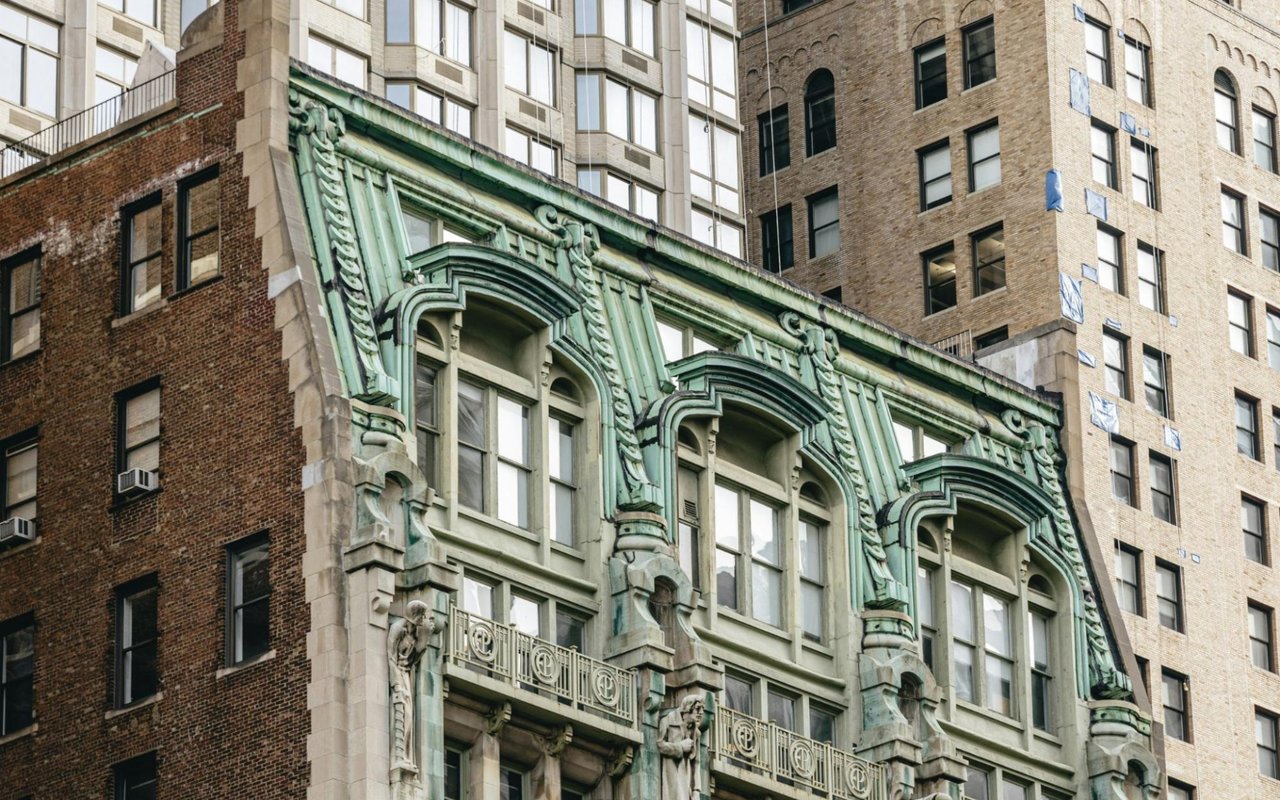
Landmark protection plays a major role in preserving that character. The Landmarks Preservation Commission designated the Greenwich Village Historic District in 1969, and it remains the city’s largest historic district. The later extension added about 45 buildings spanning roughly 1819 to 2003.
Why buyers compete for these homes
West Village townhouses are rare, and scarcity matters in this market. StreetEasy’s 2025 neighborhood data puts the median asking price at $1.775 million, which is more than 30% above the Manhattan median of $1.35 million.
That number does not mean every townhouse trades near the median. In practice, townhouses and condos in the neighborhood can command several million dollars, reflecting both limited supply and strong buyer demand.
For many buyers, the attraction goes beyond square footage. You are often paying for a very specific combination of setting, architecture, privacy, and long-term neighborhood identity.
What townhouse ownership feels like
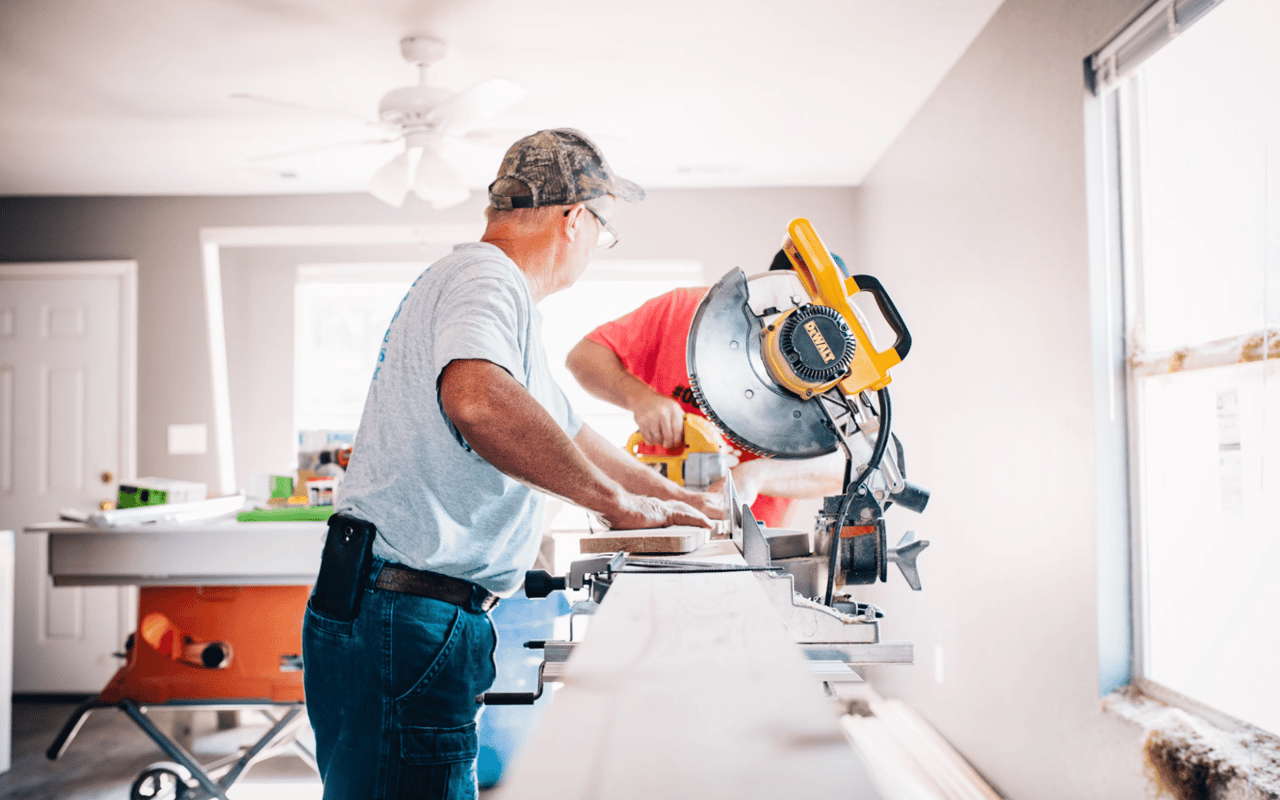
Owning a townhouse in the West Village is usually a more hands-on experience than owning an apartment in a condo or co-op building. Instead of relying on building staff or shared systems for many day-to-day issues, you are more directly responsible for the property itself.
The city is clear about those responsibilities. HPD says regular home maintenance is important to a property’s physical and financial health, and points owners to systems such as the exterior, appliances, heating and cooling, plumbing, and electrical.
DOB also says property owners must maintain buildings in compliance with city codes. That includes keeping the property, including retaining walls, in safe condition at all times.
The maintenance side buyers should budget for
A townhouse budget should go well beyond the purchase price. Ongoing upkeep is part of ownership, and in a historic neighborhood, maintenance often needs careful planning.
You may need to think about exterior conditions, mechanical systems, seasonal wear, and code compliance on a continuing basis. Even when the work seems routine, it can still affect cost, timing, and how quickly issues should be addressed.
For smaller residential properties, sanitation is part of that picture too. DSNY requires single-family homes and properties with up to nine residential units to use bins, and official NYC Bins become mandatory for one- to nine-unit properties starting in June 2026.
Landmark rules shape ownership
Most West Village townhouse buyers should assume landmark review will be relevant. LPC says historic districts and individual landmarks follow the same review procedures, and most landmarked properties are privately owned.
That matters because landmark designation does not just affect major additions. LPC says restoration, in-kind replacement, alteration, reconstruction, demolition, or new construction that affects the exterior of a landmarked building or a building in a historic district requires review.
Importantly, this rule can apply even when the exterior work is not visible from the street. That means rear facades, roof areas, stoops, and additions should all be treated as potentially regulated from the start.
What work may not need LPC approval
Not every repair triggers the same level of review. LPC says ordinary exterior repairs such as replacing broken window glass or removing small amounts of painted graffiti do not require approval.
Still, buyers should be careful about making assumptions. A project that seems small in conversation can become more complicated once materials, scope, or permit requirements are defined.
Landmark designation also does not freeze a building in time. LPC makes clear that alterations and new construction can still happen, but they must be reviewed for appropriateness.
Renovations can involve both LPC and DOB
This is where many townhouse buyers underestimate the process. A renovation that feels straightforward on paper may require review from both LPC and DOB.
DOB says most construction in New York City requires permits. Kitchen and bathroom renovations often require an ALT2 permit filed by a licensed P.E. or R.A., especially when the work includes an added bathroom, rerouted gas or electrical lines, or a moved load-bearing wall.
LPC can also review interior work if it affects the exterior or requires a DOB permit. In practical terms, that means interior plans are not always purely interior from a regulatory standpoint.
Outdoor space is not a free pass
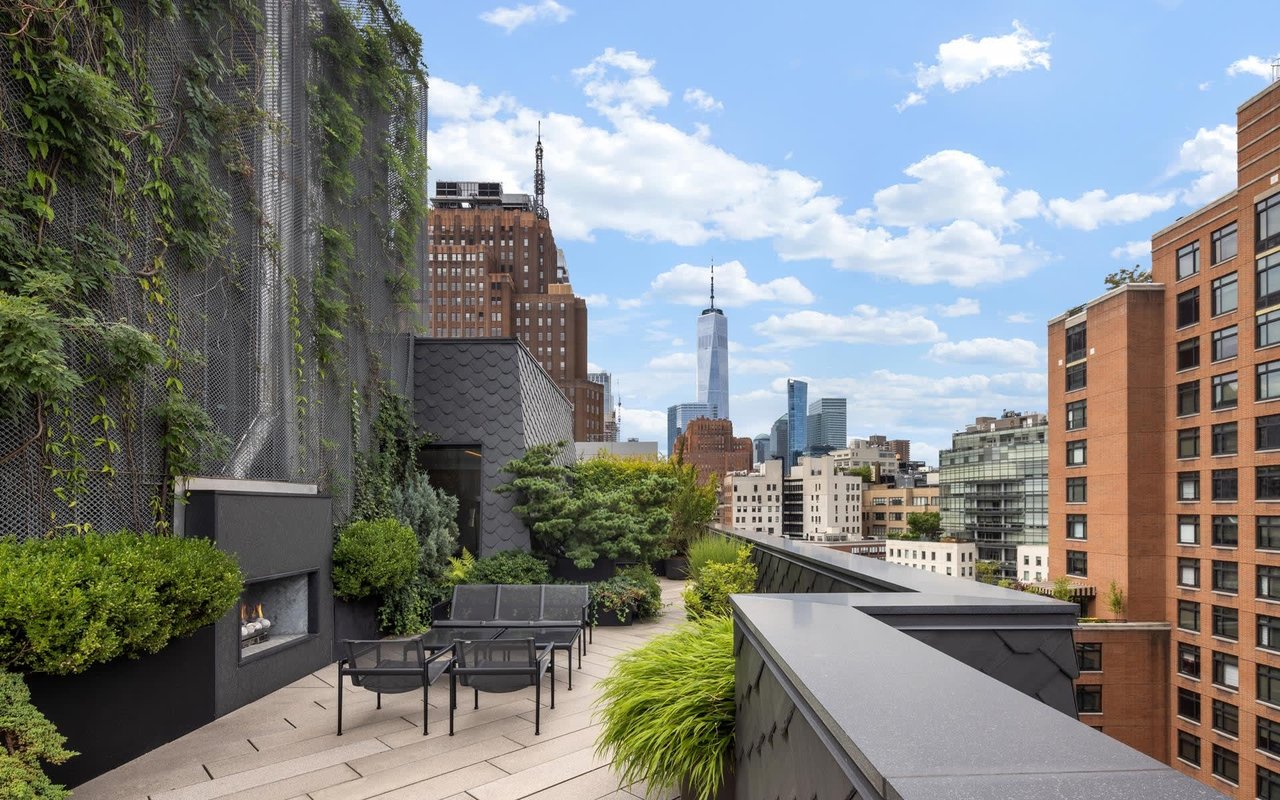
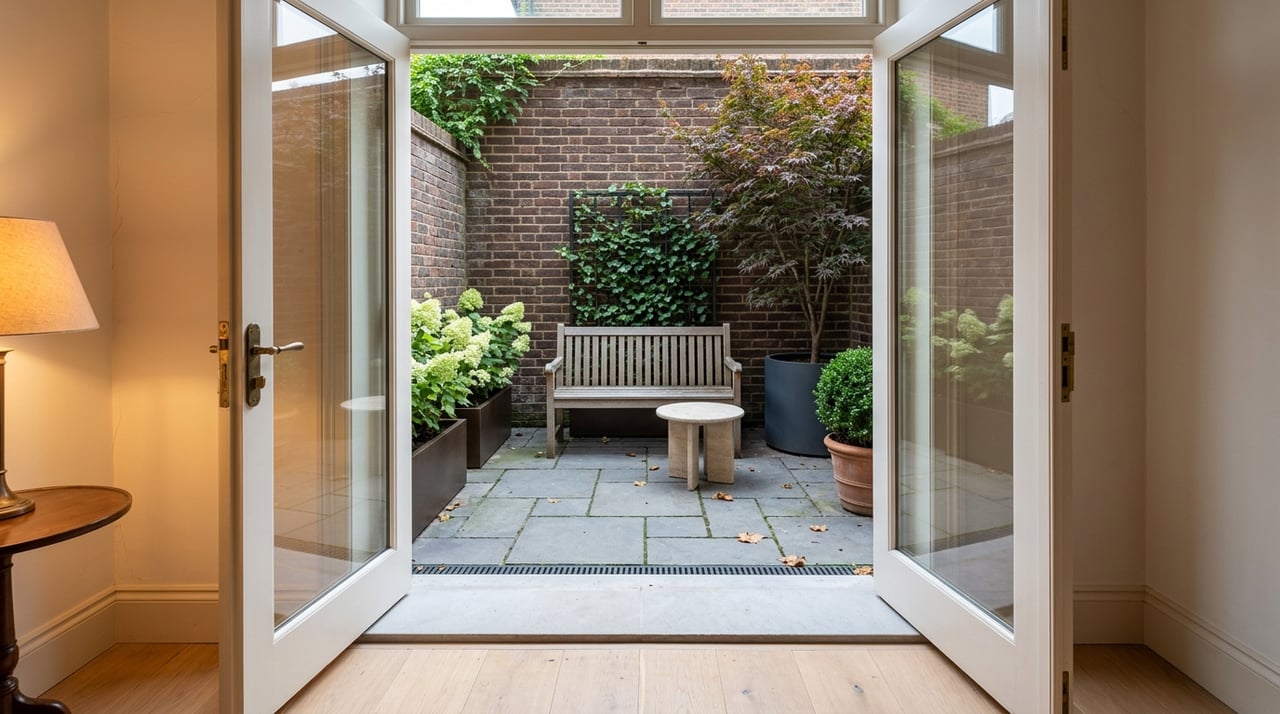
A private rear garden, roof area, or stoop can feel like a major townhouse bonus, and it often is. But buyers should view these features as regulated parts of the property, not as spaces where future changes are automatically simple.
LPC says even exterior work not visible from the street still needs review. More substantial changes, including additions, demolitions, new construction, and the removal of stoops or cornices, may require a Certificate of Appropriateness.
If an owner plans to enlarge a building or construct a new one in a historic district, LPC says DOB filing comes first. That sequence can affect both planning and timeline.
Townhouse living versus apartment living
For the right buyer, the upside of townhouse ownership is clear. You get a more self-contained property in one of Manhattan’s most architecturally distinctive neighborhoods, with a sense of privacy and independence that many apartment buildings cannot match.
The tradeoff is responsibility. Compared with apartment living, townhouse ownership is often more management-intensive because maintenance, repairs, permit coordination, and exterior compliance fall more directly on you.
That does not make one choice better than the other. It means the right fit depends on how much autonomy you want and how comfortable you are with the added oversight that comes with it.
Questions to ask before you buy
A townhouse purchase in the West Village deserves careful diligence. Before you move too far into the process, it helps to ask focused questions about both the property and your future plans.
Here are a few of the most important ones:
- Is the home landmarked or located within a historic district?
- Have any exterior changes been made, and were they properly reviewed?
- If you want to renovate, will the scope likely involve LPC, DOB, or both?
- Are you planning any work to a roof, rear facade, stoop, or outdoor area?
- What ongoing repairs or maintenance items should you budget for beyond closing?
These questions are not meant to scare you away. They are meant to help you buy with a clear understanding of what ownership in the West Village actually involves.
Why expert guidance matters here
In a market like the West Village, details matter. Pricing, building condition, landmark status, permit history, and future renovation goals can all shape whether a townhouse is the right fit for you.
That is especially true when you are balancing lifestyle goals with practical ownership realities. A polished listing can show charm, but a smart buying strategy looks closely at cost, constraints, and what the home will require after closing.
If you are considering a West Village townhouse, working with someone who understands Manhattan housing nuance can help you evaluate the opportunity with more clarity and confidence. When you are ready to talk through West Village inventory and what to watch for, contact Kobi Lahav.
FAQs
What makes West Village townhouse living different from apartment living?
- West Village townhouse living usually gives you more privacy and autonomy, but it also comes with more direct responsibility for maintenance, repairs, code compliance, and permit-related issues.
Do West Village townhouses usually fall under landmark rules?
- Many do, and buyers should assume landmark review may matter because the neighborhood contains a large historic district where exterior work often requires LPC review.
Can you renovate a West Village townhouse without city approvals?
- Often no, because DOB says most construction in New York City requires permits, and LPC review may also apply for exterior work or interior work tied to DOB permits or exterior impacts.
Does rear or roof work on a West Village townhouse still need review?
- Yes, it can, because LPC says exterior work may require review even when it is not visible from the street.
What should buyers budget for beyond the purchase price of a West Village townhouse?
- Buyers should plan for ongoing repairs, system maintenance, code compliance, and other ownership costs tied to caring for the property over time.