If you like the Upper East Side in theory but are not sure which part of it actually fits your day-to-day life, you are not alone. This neighborhood is often talked about as one place, yet on the ground it breaks into smaller pockets with very different rhythms, housing stock, and priorities. Once you understand those micro-neighborhoods, your search gets much clearer and a lot more strategic. Let’s dive in.
Why micro-neighborhoods matter
The Upper East Side is broad enough that two apartments with the same zip code can offer a very different living experience. Your walk to the subway, your building type, your park access, and even the pace of the street can shift from one section to the next.
For practical purposes, NYC Planning breaks Manhattan Community District 8 into Lenox Hill-Roosevelt Island, Yorkville, and Upper East Side-Carnegie Hill. Those are statistical geographies, not hard legal boundaries, but they are still useful shorthand when you are comparing where to live.
The market context also helps explain why choosing the right pocket matters. According to NYU Furman Center data, the Upper East Side has a median household income of $165,280, median rent of $3,260, homeownership of 37.6 percent, and 3,500 new housing units added from 2010 to 2024, most of them market rate.
Upper East Side at a glance
What many buyers notice first is not just price point, but fit. Some parts of the neighborhood feel park-driven and quiet, while others feel more central, more retail-focused, or better connected for commuting.
Across the Upper East Side, the biggest dividing lines tend to be:
- Proximity to Central Park or the East River
- Access to the 4, 5, 6, and Q trains
- The mix of prewar, postwar, and newer housing
- Whether the block feels avenue-driven or more residential
- How much historic architecture shapes the streetscape
Lenox Hill: central and connected
Lenox Hill is commonly understood as the southwest corner of the Upper East Side, roughly East 59th to East 77th Streets between Fifth and Lexington Avenues. In real estate terms, it is often the most central-feeling part of the neighborhood.
If you want strong transit, daily convenience, and a broad range of housing types, Lenox Hill tends to check a lot of boxes. The area includes prewar and postwar co-ops, elegant townhomes, and some newer condos around Second and Third Avenues in the 70s and low 80s.
It is also closely tied to major medical institutions, including Lenox Hill Hospital, NewYork-Presbyterian/Weill Cornell, and Memorial Sloan Kettering. That adds a layer of everyday activity, along with active retail and dining corridors on Second, Third, Lexington, and Madison.
Transit is one of Lenox Hill’s biggest strengths. You have the Lexington Avenue corridor with 4, 5, and 6 service, plus Q train access at 72nd Street nearby and farther north at 86th and 96th Streets, which helps explain why this section often feels especially easy to navigate.
Lenox Hill may fit you if
- You want one of the most connected parts of the Upper East Side
- You value quick access to subway options
- You like a wider mix of older and newer apartment stock
- You want shopping, dining, and services close at hand
Carnegie Hill: classic and park-adjacent
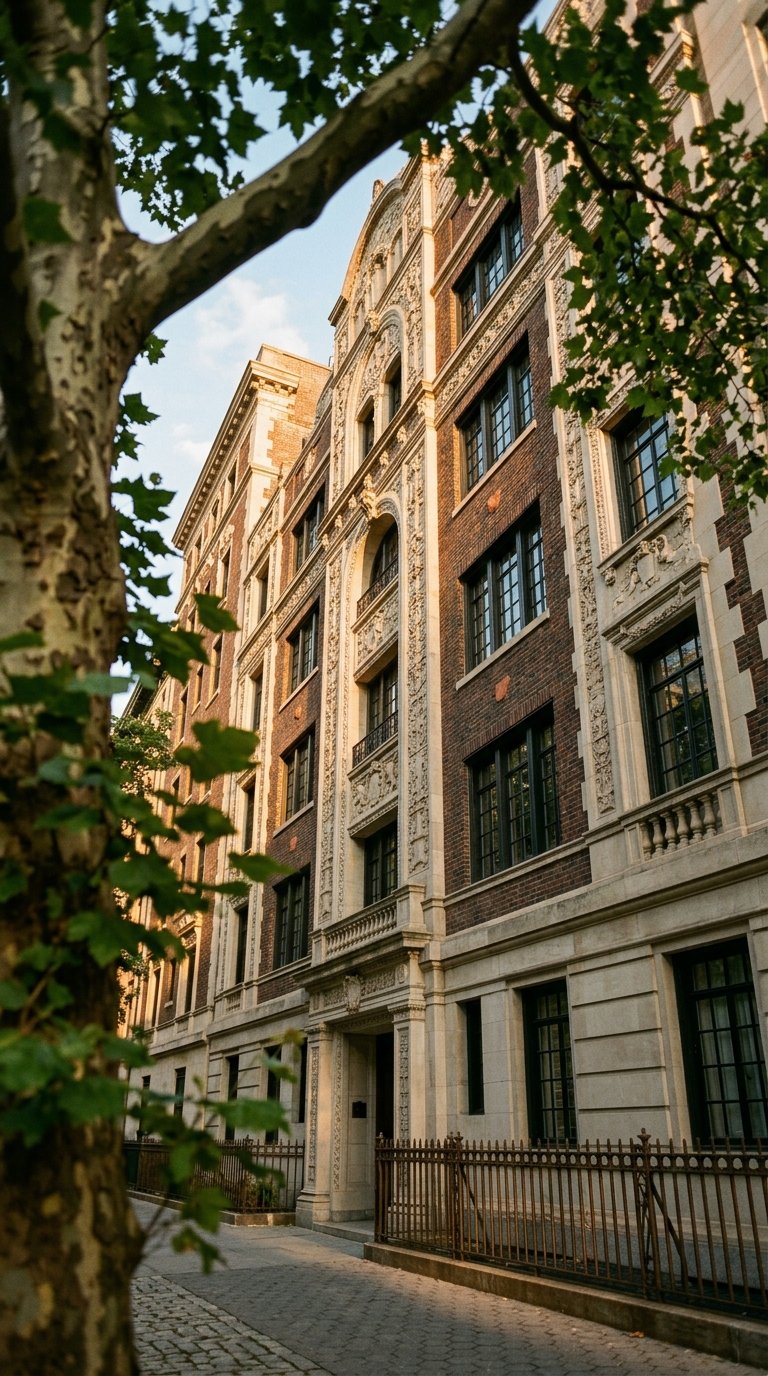
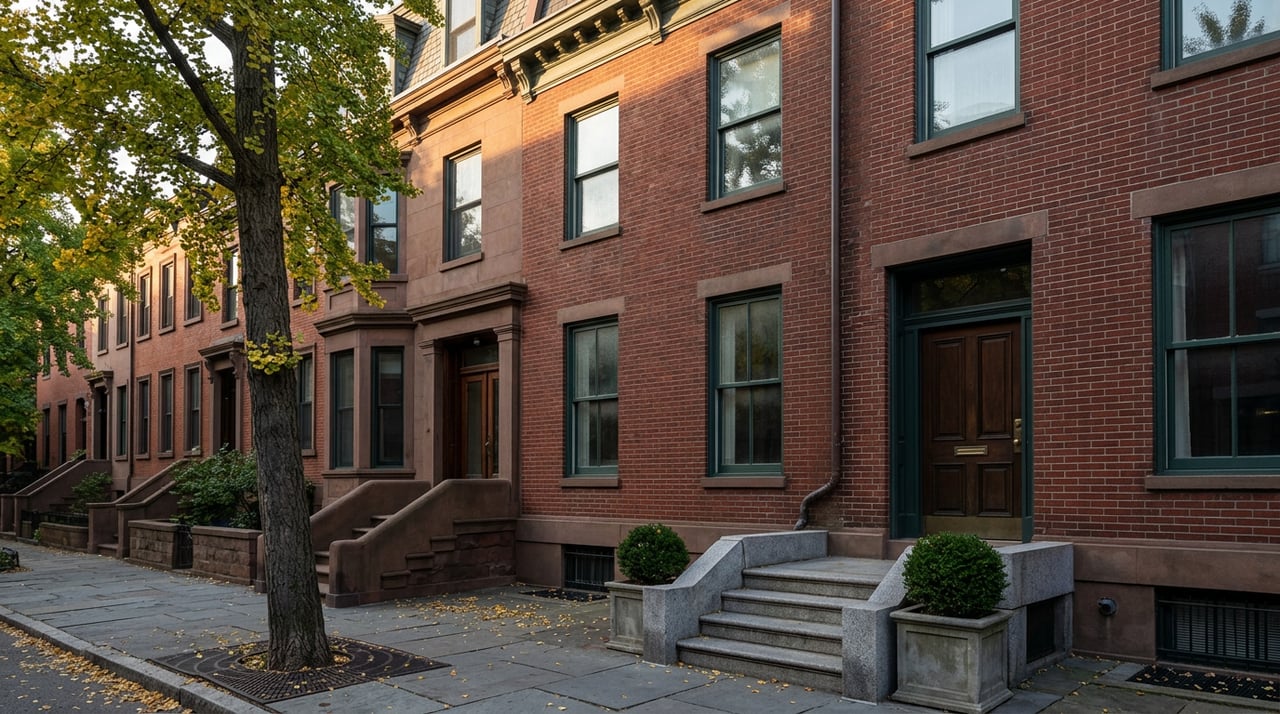
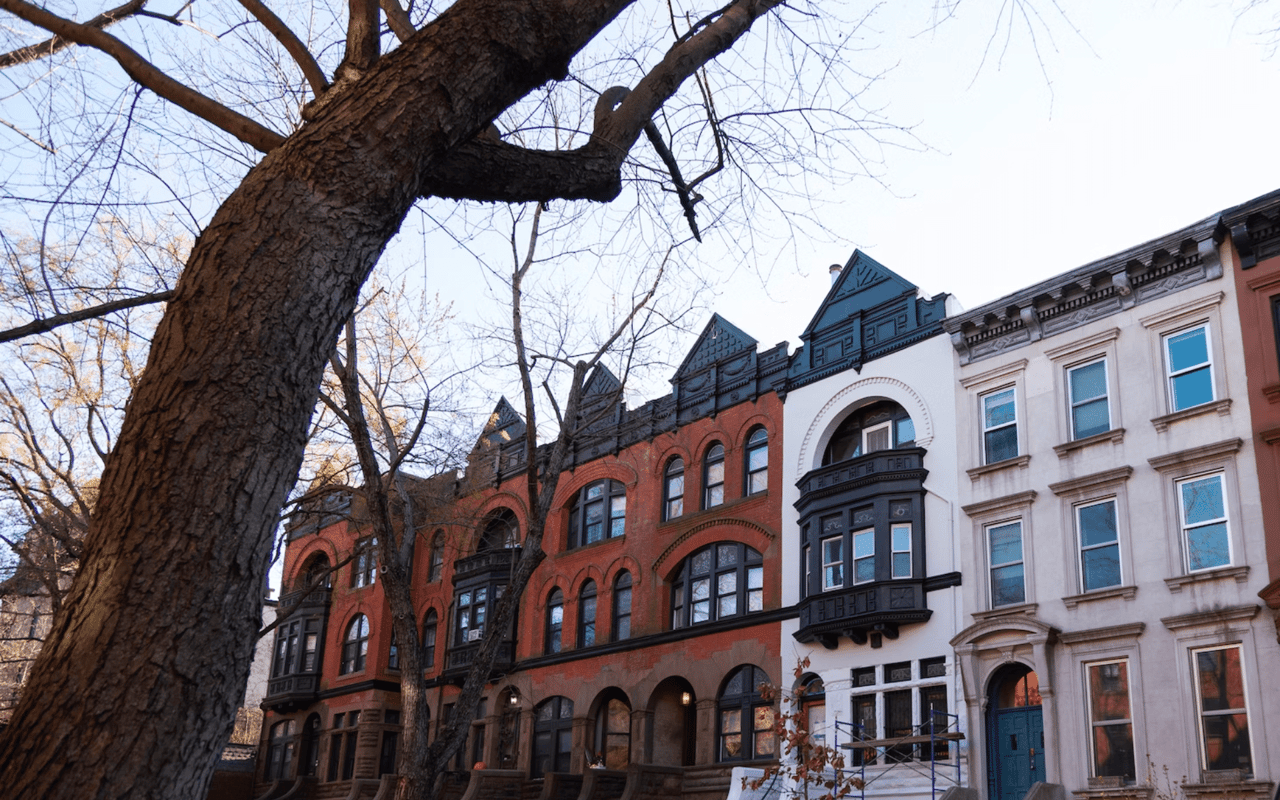
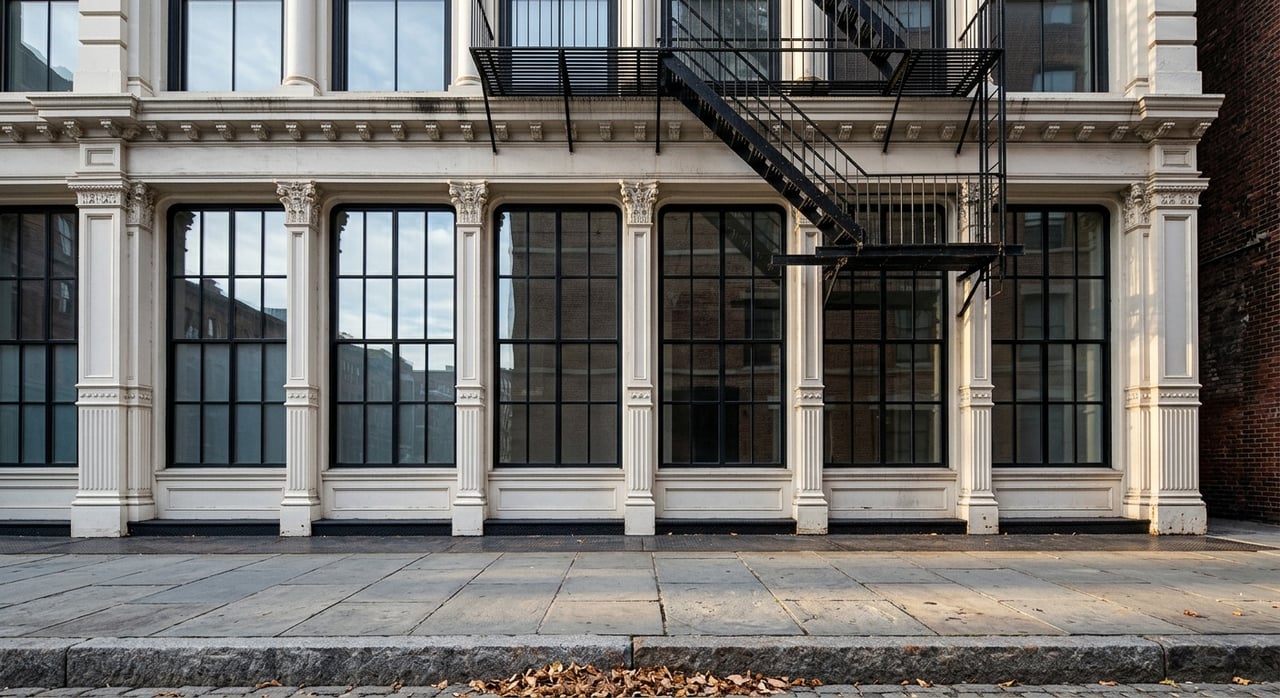
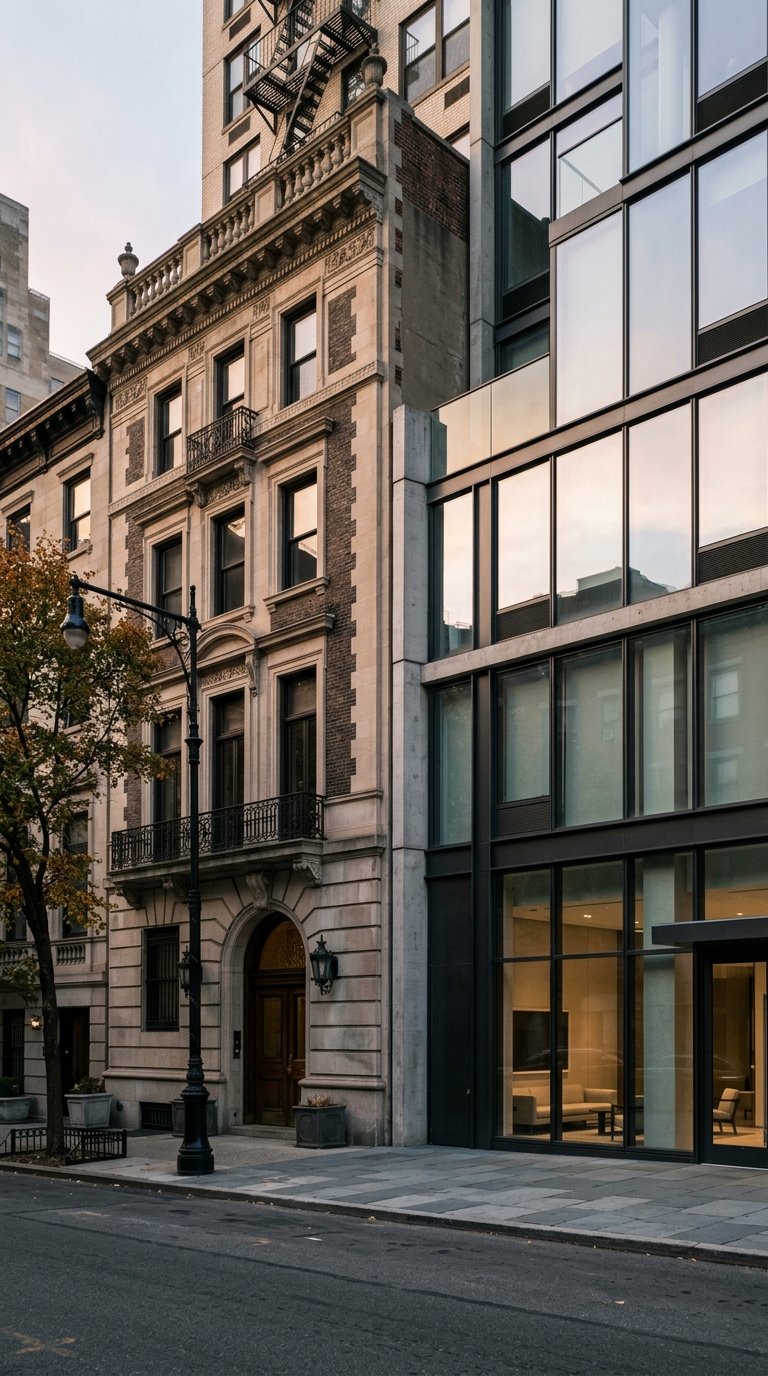
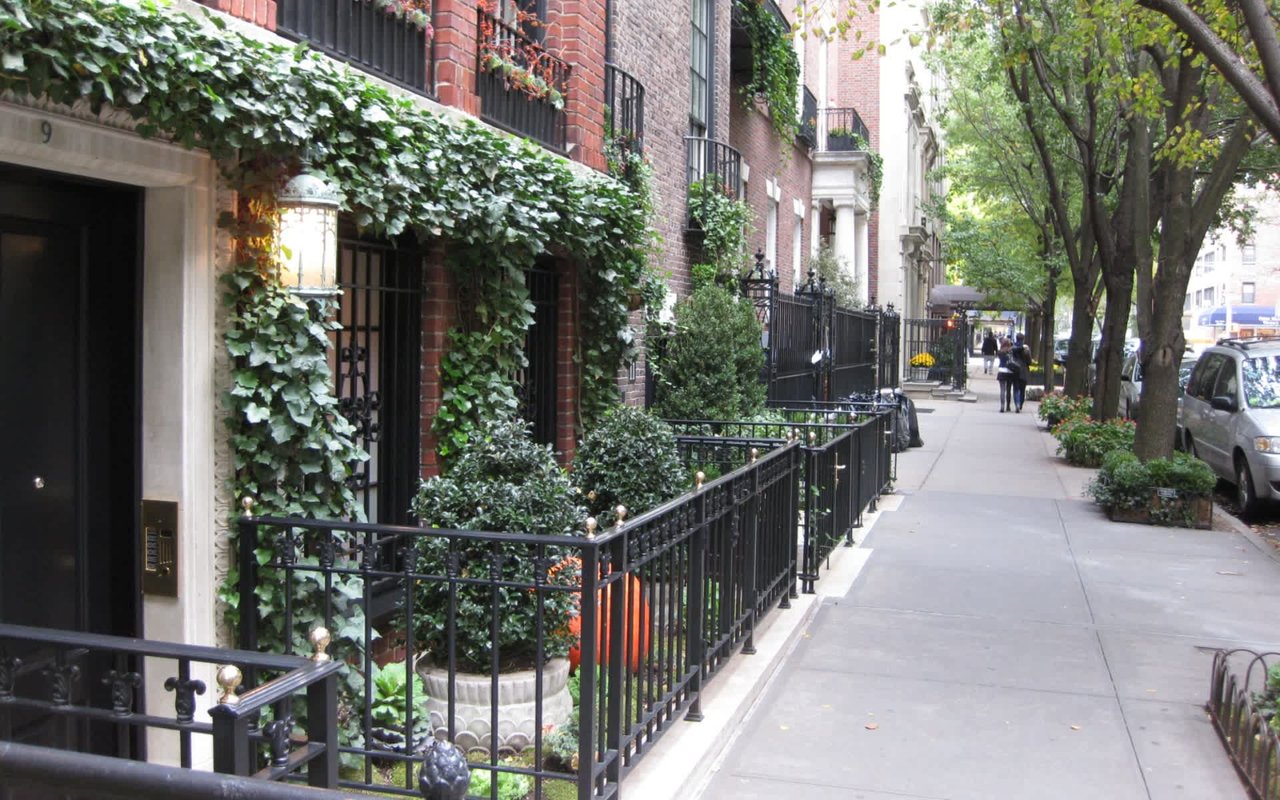
Carnegie Hill offers one of the most architecturally cohesive experiences on the Upper East Side. Friends of the Upper East Side describes the historic district core as East 86th to East 98th Streets from Fifth to Lexington Avenues, with about 400 buildings that include rowhouses, large townhouses, mansions, flats buildings, apartment hotels, and larger early 20th-century apartment houses.
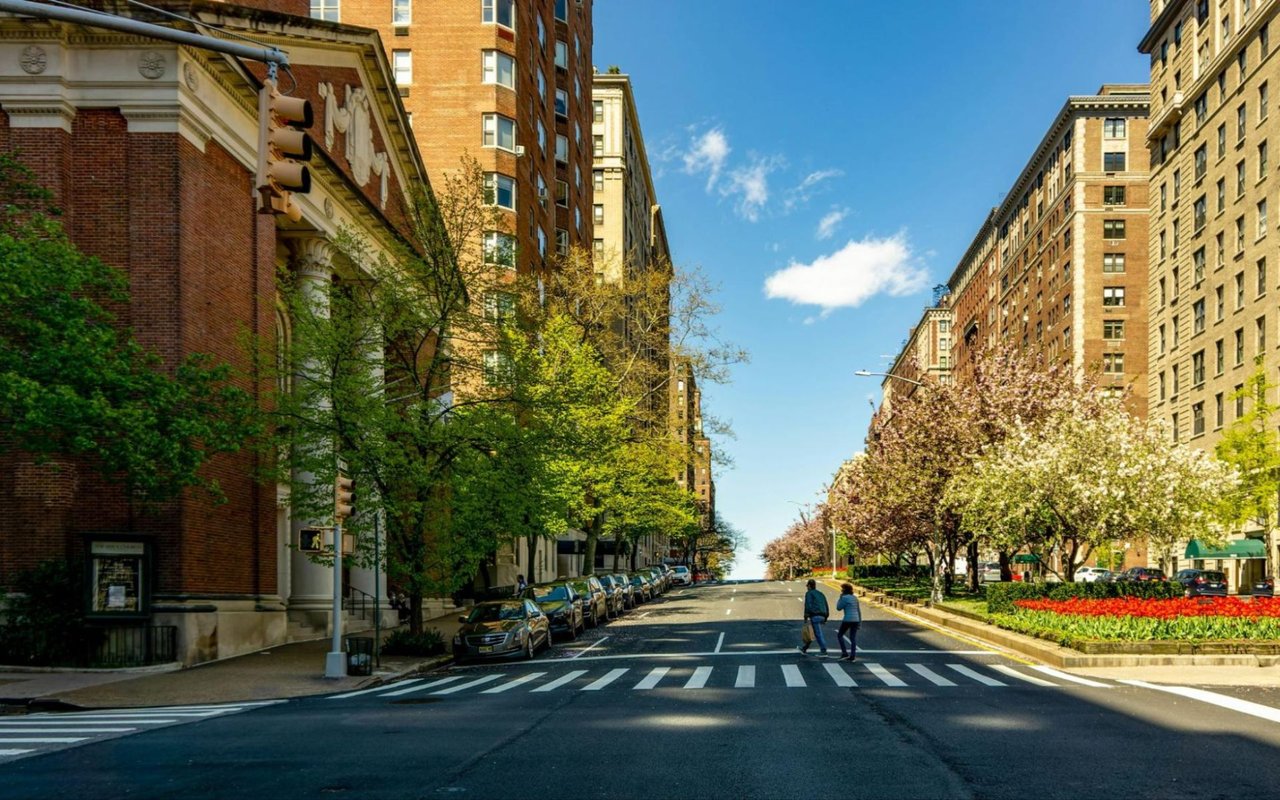
In everyday terms, Carnegie Hill often feels quieter and more residential than the avenues farther south. Central Park is right nearby, Museum Mile institutions are close, and the side streets often read as low-rise and distinctly prewar.
That does not mean the housing stock is only one thing. You will still find luxury high-rises on some avenues, but the overall impression is more classic Upper East Side than mixed-era patchwork.
Carnegie Hill may fit you if
- You prioritize prewar character and architecture
- You want easy access to Central Park
- You prefer quieter, more residential side streets
- You like a low-rise streetscape with a strong historic feel
Yorkville: varied housing and everyday energy
Yorkville has one of the most layered identities in the neighborhood. Historically, transit helped shape it early, and landmark records note that the neighborhood became home to German, Hungarian, and Czechoslovakian families, with East 86th Street developing as a key main street.
Today, that history still shows up in a housing mix that feels less uniform than Carnegie Hill and less formal than some blocks farther west. Neighborhood guides describe Yorkville as a blend of luxury condos, townhouses, walk-ups, and postwar co-ops rather than a place dominated by one building type.
Yorkville also leans into daily-life convenience. Second Avenue retail and dining, Q train access, Carl Schurz Park, and the East River Promenade all shape how the area functions. For many buyers, that balance of neighborhood feel and practical convenience is the draw.
Yorkville may fit you if
- You want a broad mix of building ages and price points
- You like neighborhood-oriented retail and dining
- You want easier access to the east-side waterfront
- You value the Q train and east-side connectivity
East End Avenue: calm and river-oriented
East End Avenue is less a separate formal neighborhood than a distinct corridor within the Upper East Side, but for many buyers it feels meaningfully different from the avenues to the west. It is often described as one of the most tranquil and view-oriented parts of the neighborhood.
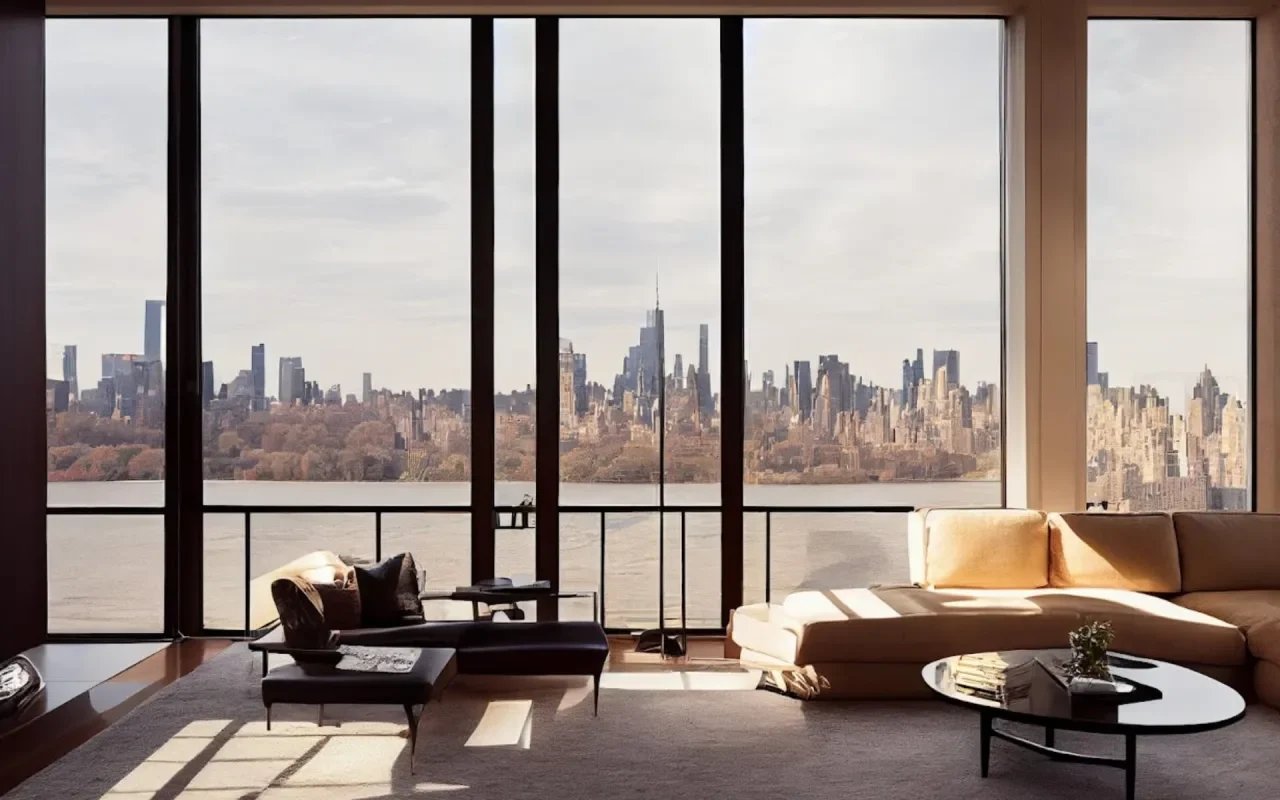
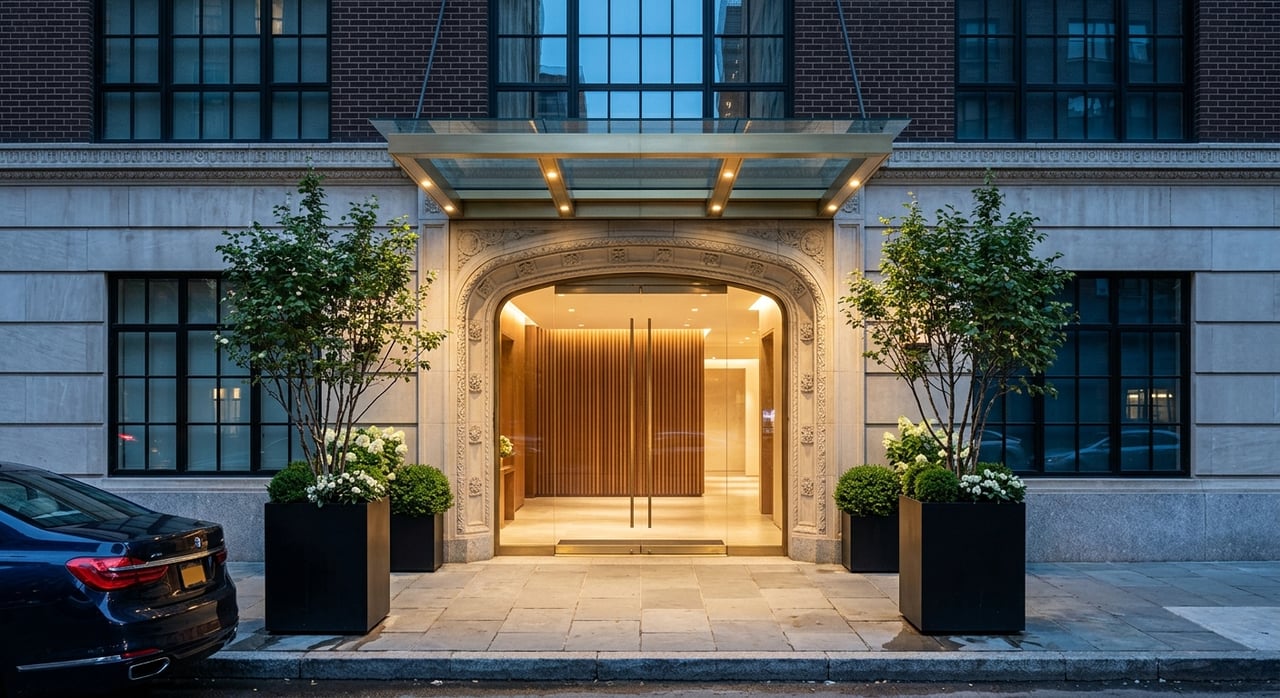
This stretch is known for upscale residential buildings, including full-service co-ops and condos, quiet sidewalks, and direct access to the river side of the neighborhood. Many homes here are oriented toward park or water views, terraces, and a more removed residential atmosphere.
The area also has a historic layer. It overlaps with the Henderson Place Historic District, a small pocket of Queen Anne rowhouses near East End Avenue, East 86th Street, and East 87th Street, which adds a low-rise architectural counterpoint to larger apartment buildings nearby.
East End Avenue may fit you if
- You want a calmer Upper East Side setting
- You value river or park outlooks
- You are focused on full-service co-op or condo living
- You like being near Carl Schurz Park and the East River
How parks shape the feel
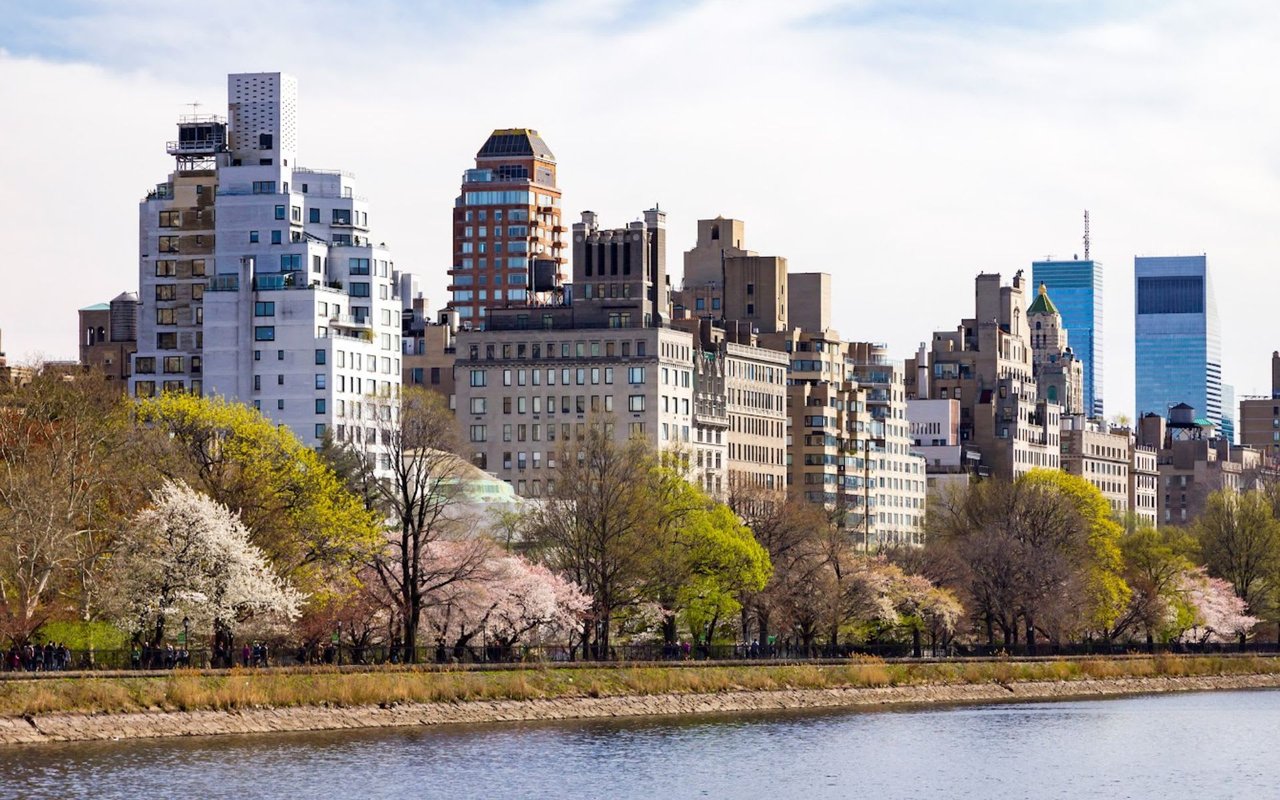
On the Upper East Side, park access is not just a bonus. It often defines the feel of the block around it. Carnegie Hill benefits from close proximity to Central Park and Museum Mile, while Yorkville and East End Avenue draw energy from Carl Schurz Park and the East River Promenade.
Carl Schurz Park is a major differentiator on the eastern edge of the neighborhood. NYC Parks lists it as 14.938 acres running from East End Avenue to the East River between East 84th and East 90th Streets, which helps explain why nearby blocks often feel more open and park-oriented than avenue-heavy sections farther west.
If your daily routine includes dog walks, stroller routes, morning runs, or simply wanting more visual openness, this detail can matter as much as the apartment itself.
How transit changes the equation
Transit can reshape your search faster than almost anything else. The 4, 5, and 6 lines remain the backbone along Lexington Avenue, while the Second Avenue Subway added Q service at 72nd, 86th, and 96th Streets.
That expansion strengthened east-side access in a meaningful way. It also helps explain why Yorkville and parts of Lenox Hill often feel more convenient than buyers expect if they are relying on older assumptions about the neighborhood being too far east.
When you compare listings, it helps to think in terms of your actual route, not just the map. A quieter block can be a great trade if the subway access still works well for your day.
A practical way to choose your fit
If you are narrowing down the Upper East Side, start with the way you live rather than the way a neighborhood sounds. The right fit usually comes down to what matters most in your weekly routine.
Here is a simple framework:
- Choose Lenox Hill if you want centrality, strong transit, and a broad service base.
- Choose Carnegie Hill if you care most about prewar architecture, Central Park, and a quieter residential feel.
- Choose Yorkville if you want variety in housing, neighborhood retail, and easier waterfront access.
- Choose East End Avenue if you want calm, views, and a more tucked-away residential experience.
In a market as expensive and hyperlocal as Manhattan, this kind of clarity matters. It helps you avoid paying for a name when what you really need is a block, building type, and daily rhythm that suits you.
One more note on historic properties
If you are considering a townhouse or prewar apartment on the Upper East Side, landmark status is worth understanding early. According to the NYC Landmarks Preservation Commission, designation does not freeze a building, but it does require advance approval for alterations, reconstruction, demolition, or new construction affecting designated properties.
That can be especially relevant in and around Carnegie Hill, the Upper East Side Historic District, Henderson Place, and several landmarked sites in Yorkville. If renovation potential is part of your plan, this is something to evaluate before you fall in love with a property.
The Upper East Side rewards buyers who think beyond the headline neighborhood and focus on the micro-location. If you want help comparing blocks, building types, and tradeoffs with a more analytical lens, Kobi Lahav can help you approach the search with clarity and strategy.
FAQs
What are the main micro-neighborhoods of the Upper East Side?
- A practical way to break down the Upper East Side is into Lenox Hill, Carnegie Hill, Yorkville, and the East End Avenue corridor, even though official planning boundaries are statistical rather than strict neighborhood lines.
What is Lenox Hill like for Upper East Side buyers?
- Lenox Hill is often the most central-feeling section, with strong subway access, major medical institutions, active retail corridors, and a mix of prewar, postwar, and some newer residential buildings.
What is Carnegie Hill like for Upper East Side buyers?
- Carnegie Hill is known for its prewar architecture, quieter residential streets, proximity to Central Park, and a more cohesive historic character than many other parts of the neighborhood.
What is Yorkville like for Upper East Side buyers?
- Yorkville offers one of the broadest housing mixes on the Upper East Side, plus neighborhood retail, access to the Q train, and close reach to Carl Schurz Park and the East River Promenade.
What is East End Avenue like on the Upper East Side?
- East End Avenue tends to feel calmer and more residential, with full-service co-ops and condos, river or park outlooks, and easy access to Carl Schurz Park.
How does transit differ across the Upper East Side?
- The Lexington Avenue corridor is anchored by the 4, 5, and 6 lines, while the Q train adds important Second Avenue access at 72nd, 86th, and 96th Streets, improving connectivity in Lenox Hill and Yorkville.
Why does historic district status matter on the Upper East Side?
- Historic designation can affect renovation and exterior alteration plans because certain changes to designated properties require advance approval from the NYC Landmarks Preservation Commission.