Ever wonder why some Manhattan neighborhoods feel exciting at noon, polished at 6 p.m., and surprisingly calm later at night? Flatiron is one of those places. If you are trying to figure out whether living here would actually fit your day-to-day life, this guide will help you understand the rhythm, housing, and tradeoffs that shape the neighborhood. Let’s dive in.
Flatiron feels central and efficient
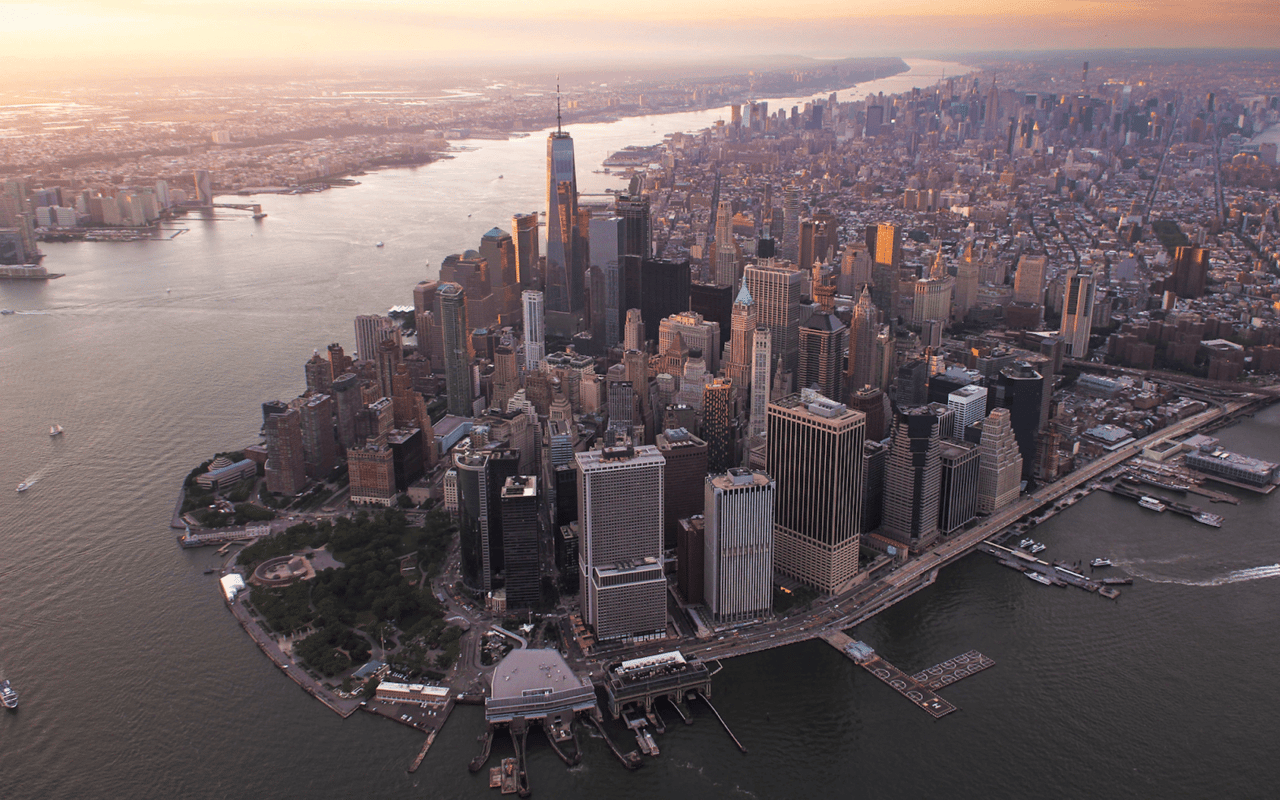
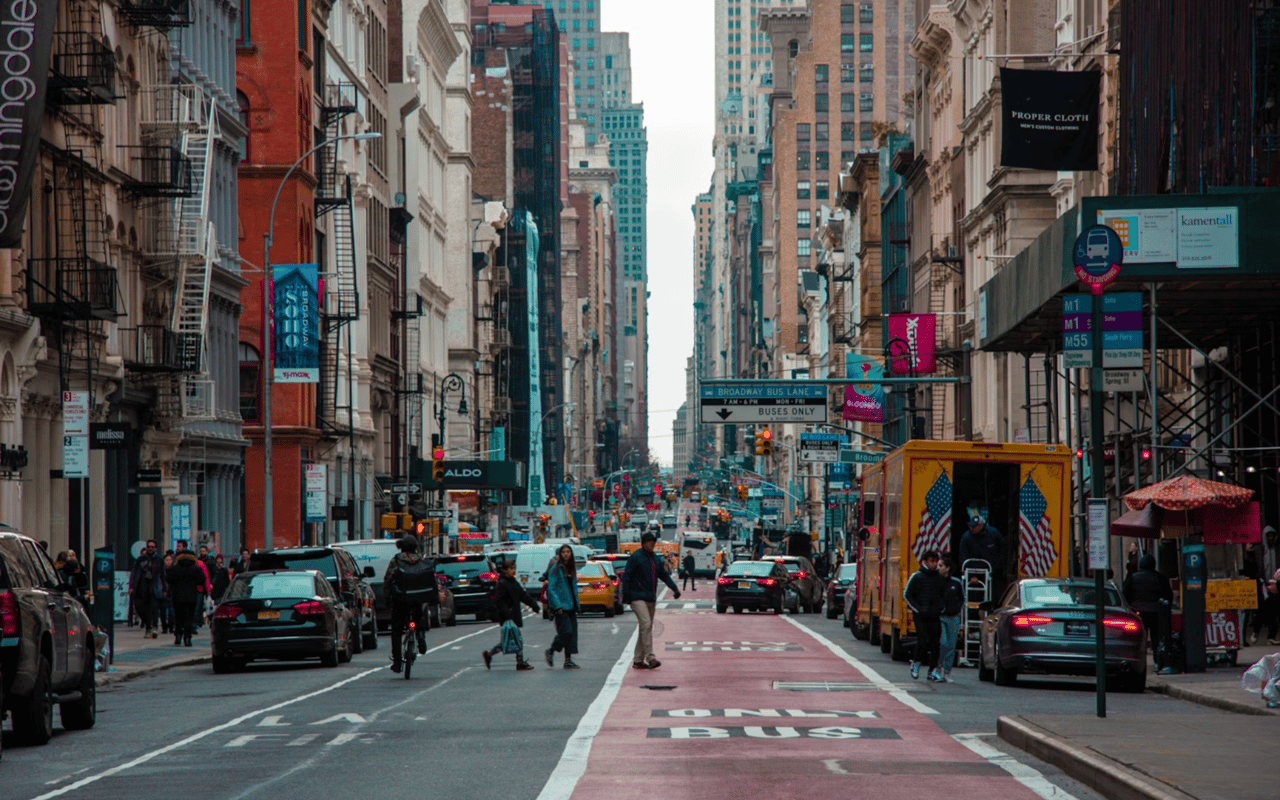
Living in Flatiron often feels like living in the middle of everything without being in a neighborhood that runs purely on nightlife. StreetEasy describes Flatiron as geographically small, and that compact footprint is part of the appeal. You can move through errands, dining, transit, and outdoor time with very little friction.
The neighborhood also has a clear daily rhythm. According to StreetEasy, Flatiron tends to be busiest around midday and cocktail hour, then gets quieter later at night. That creates a distinct live-work pattern that many buyers and renters find appealing if they want energy without a late-night scene on every block.
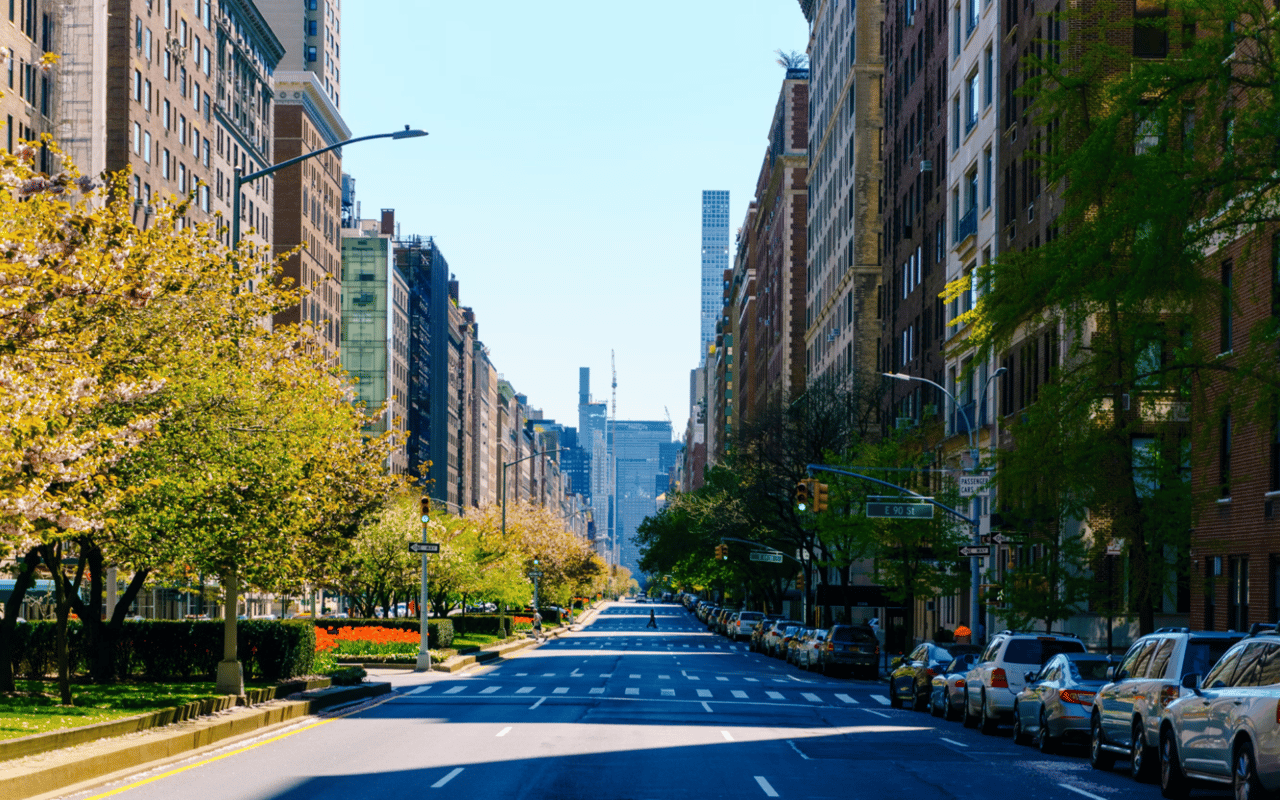
Fifth Avenue is part of that daily experience too. It adds shopping and constant movement, which helps Flatiron function more like a practical central district than a tucked-away residential pocket. If you like the idea of stepping outside and handling most of your day within a short walk, Flatiron delivers that well.
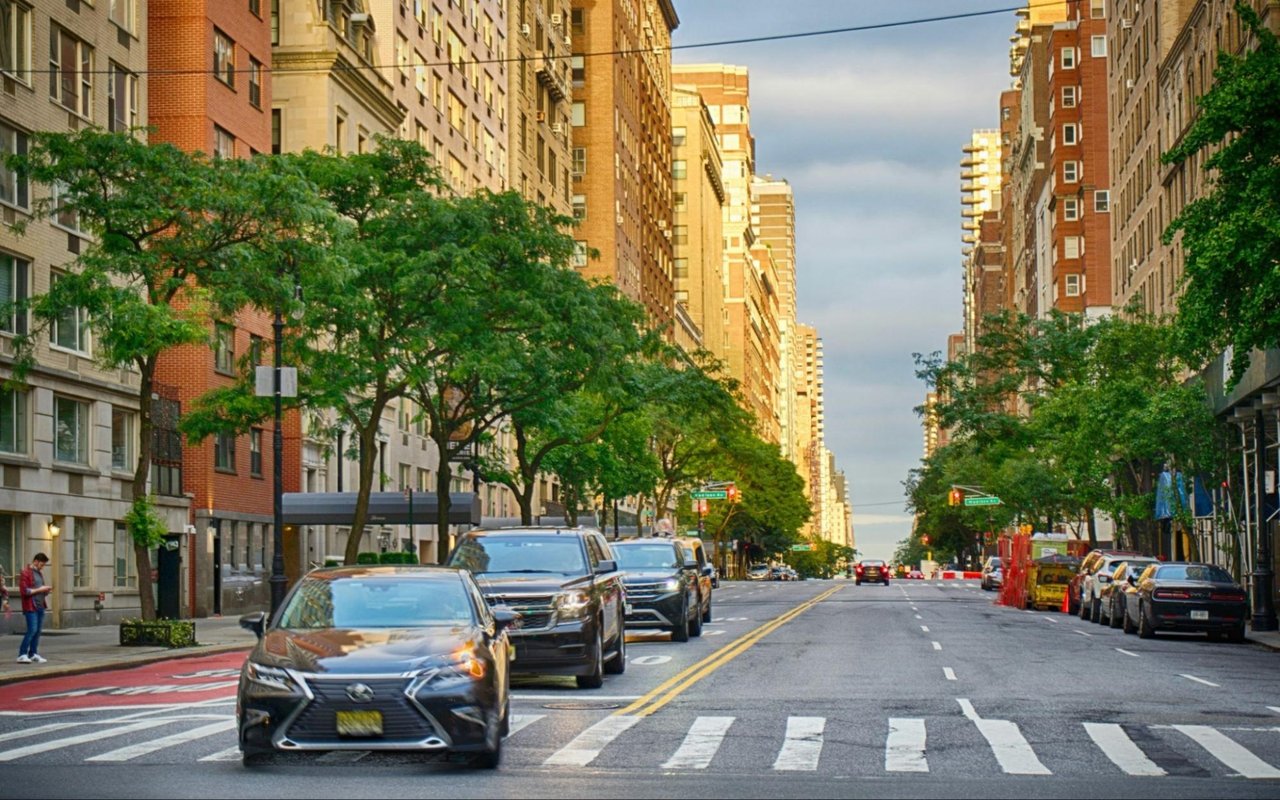
The streets feel polished and urban
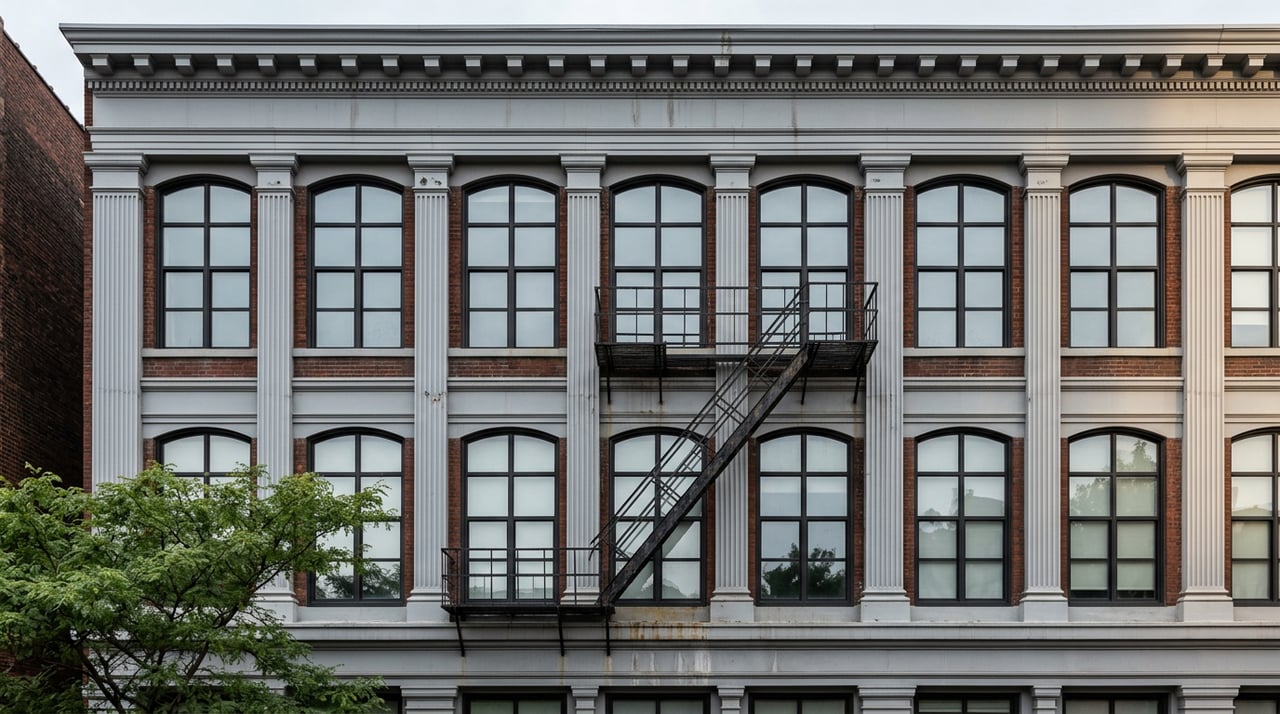
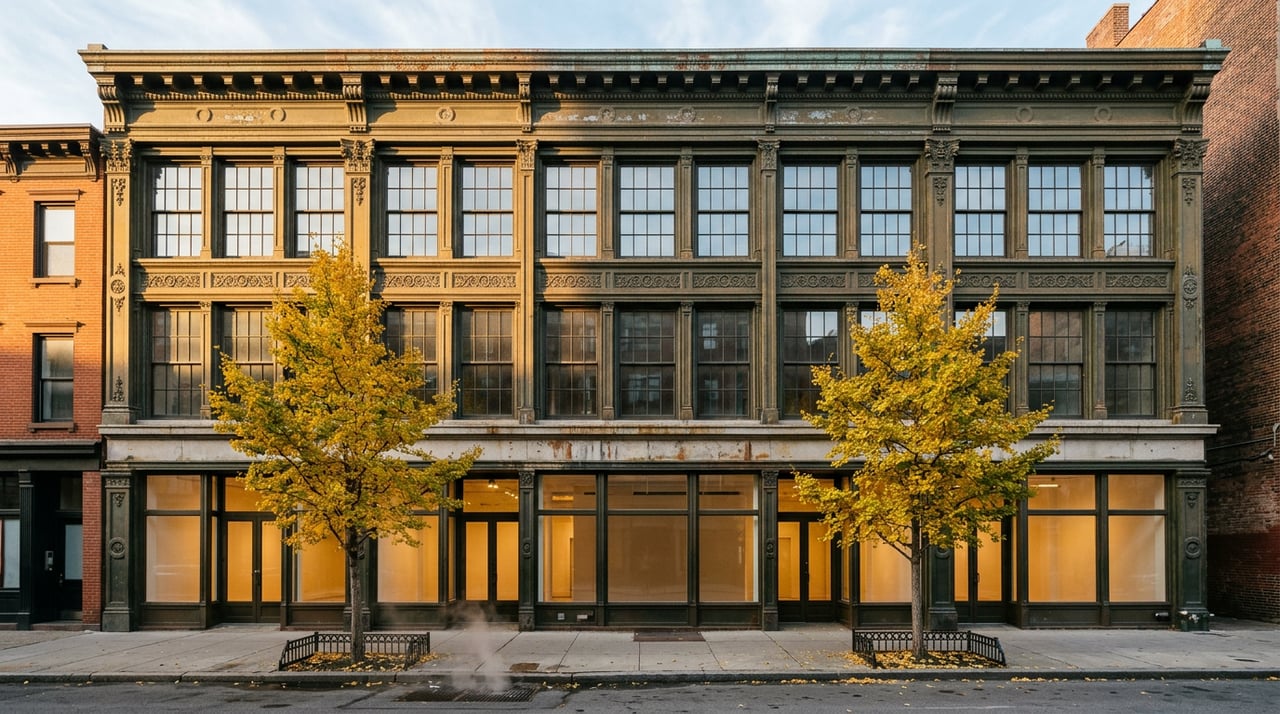
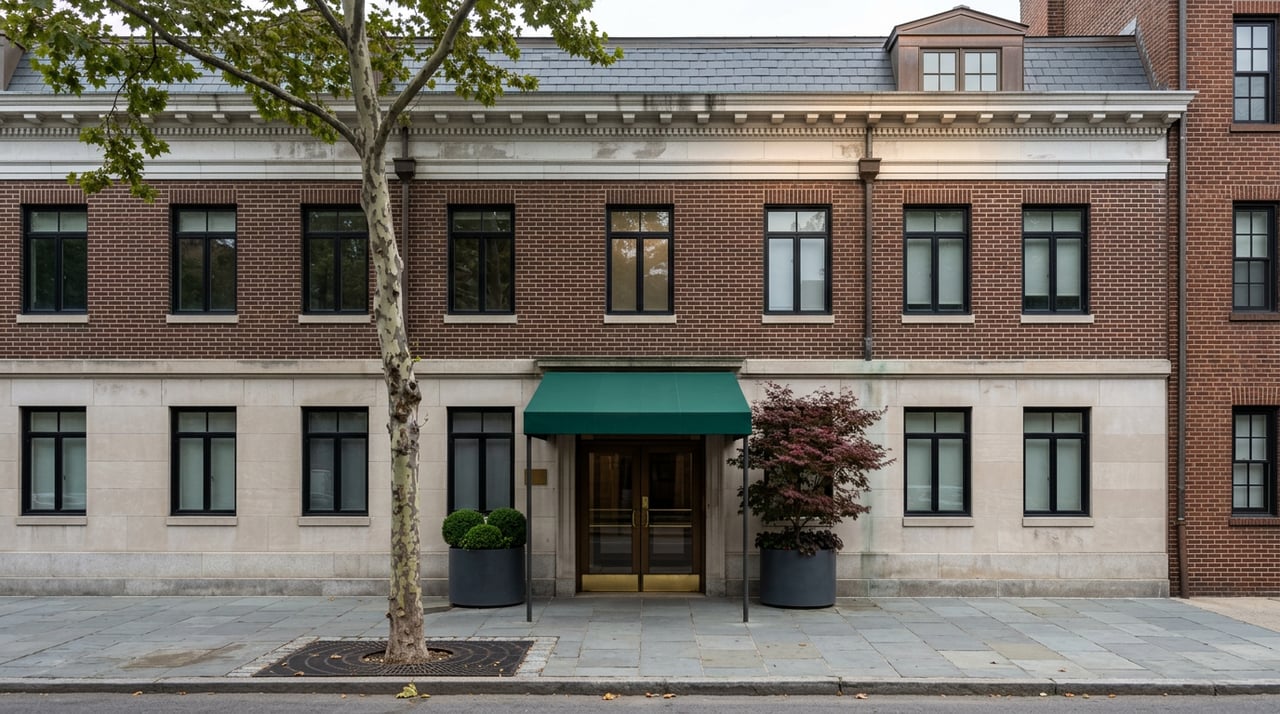
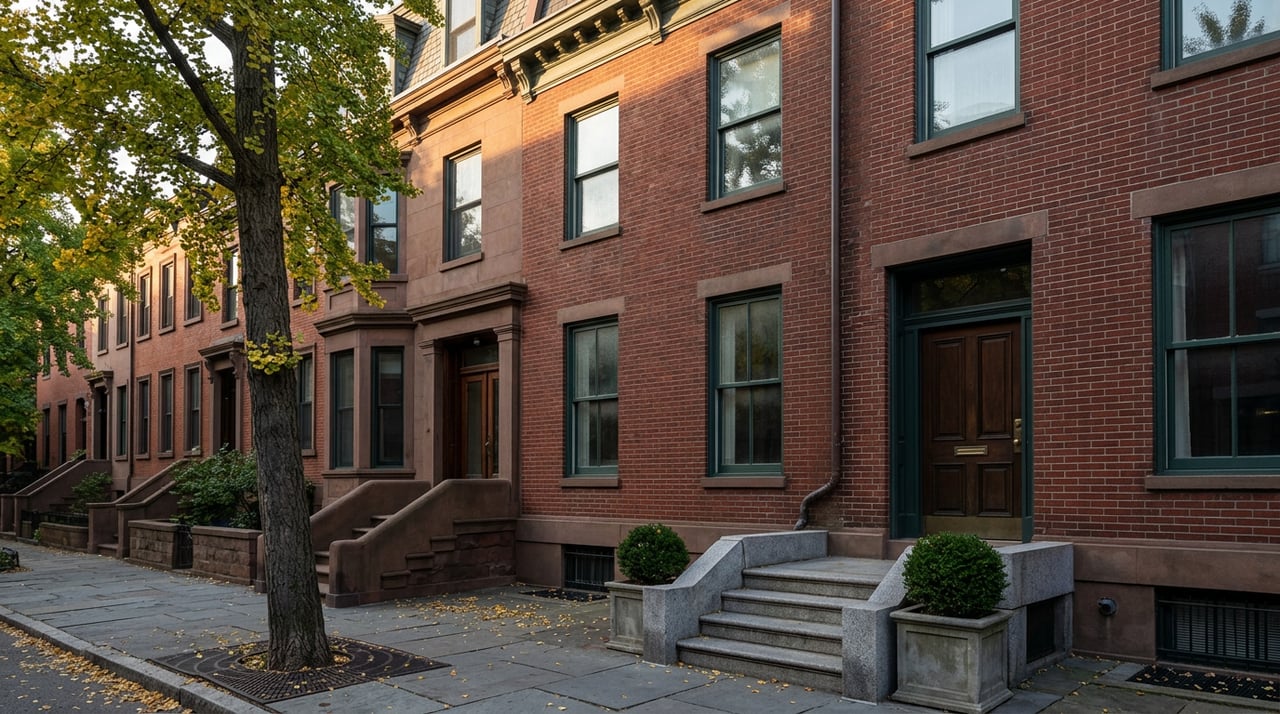
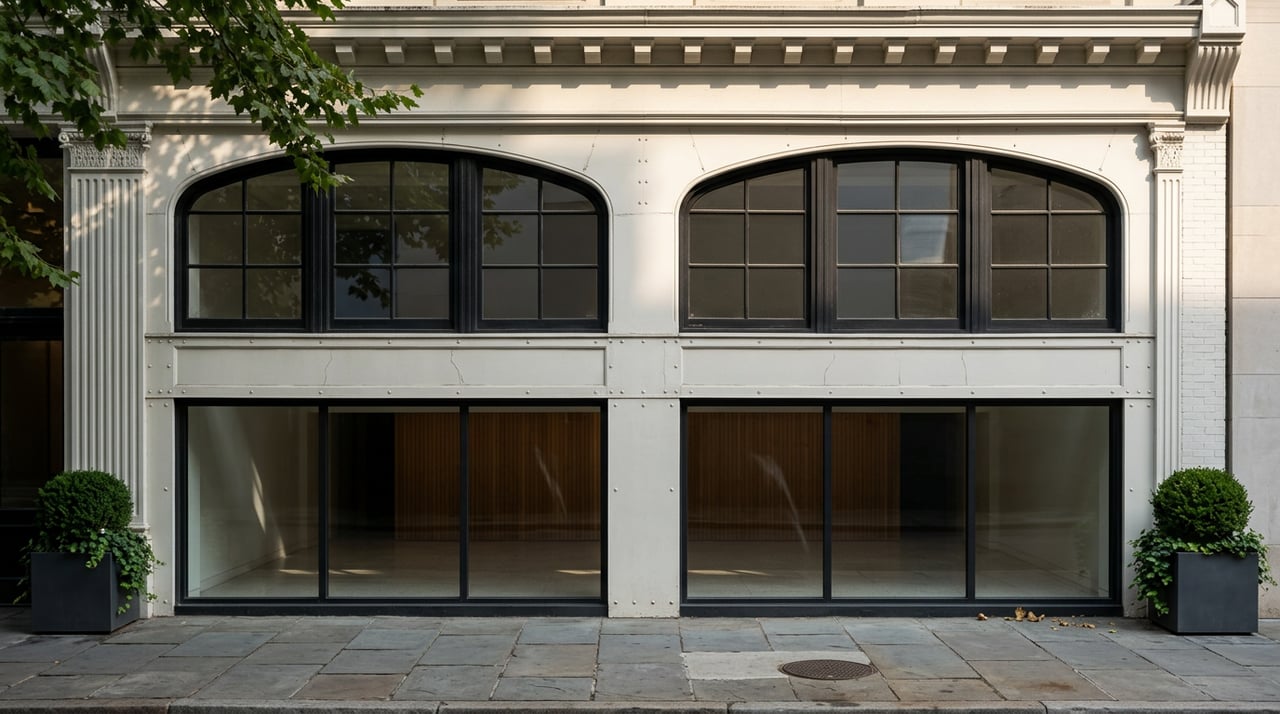
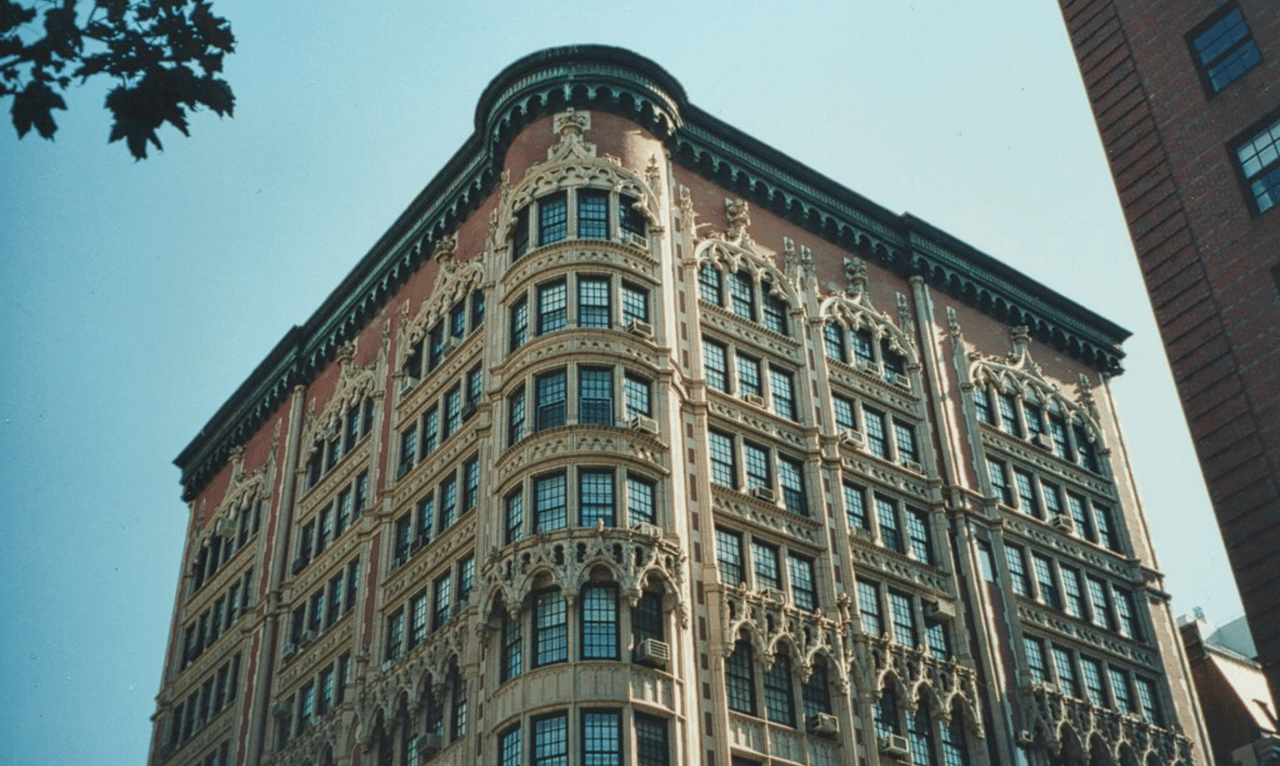
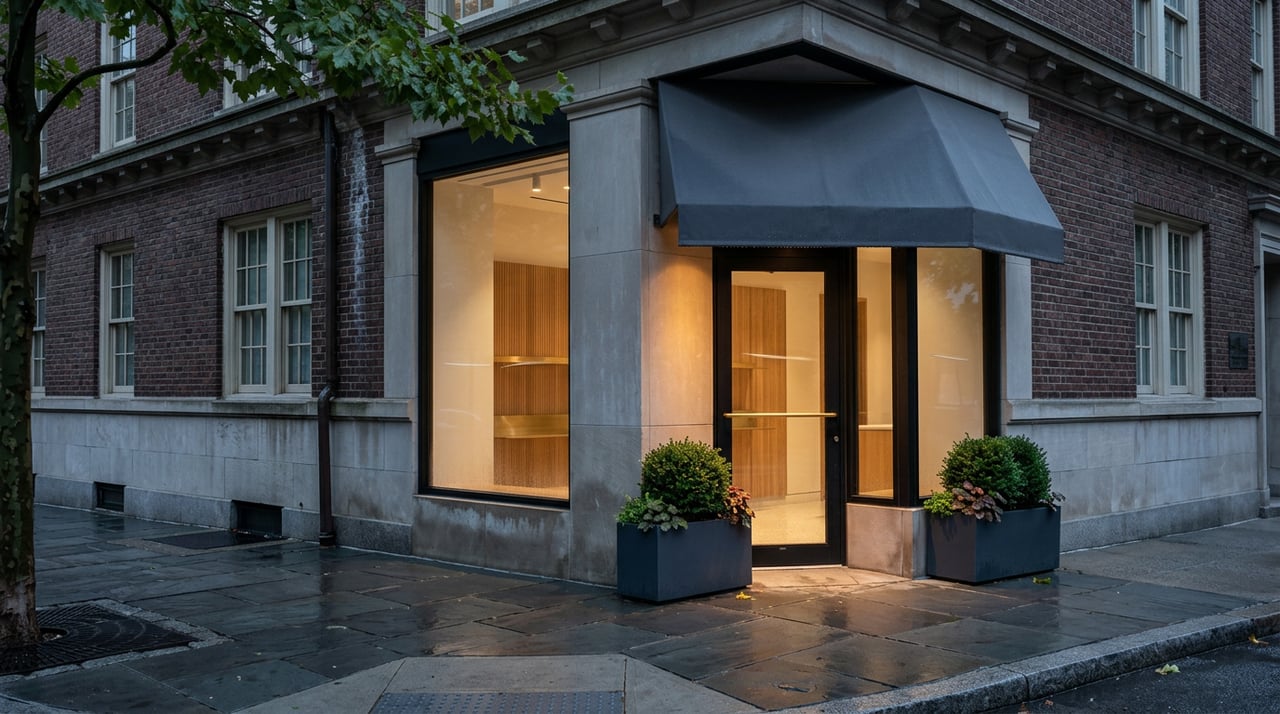
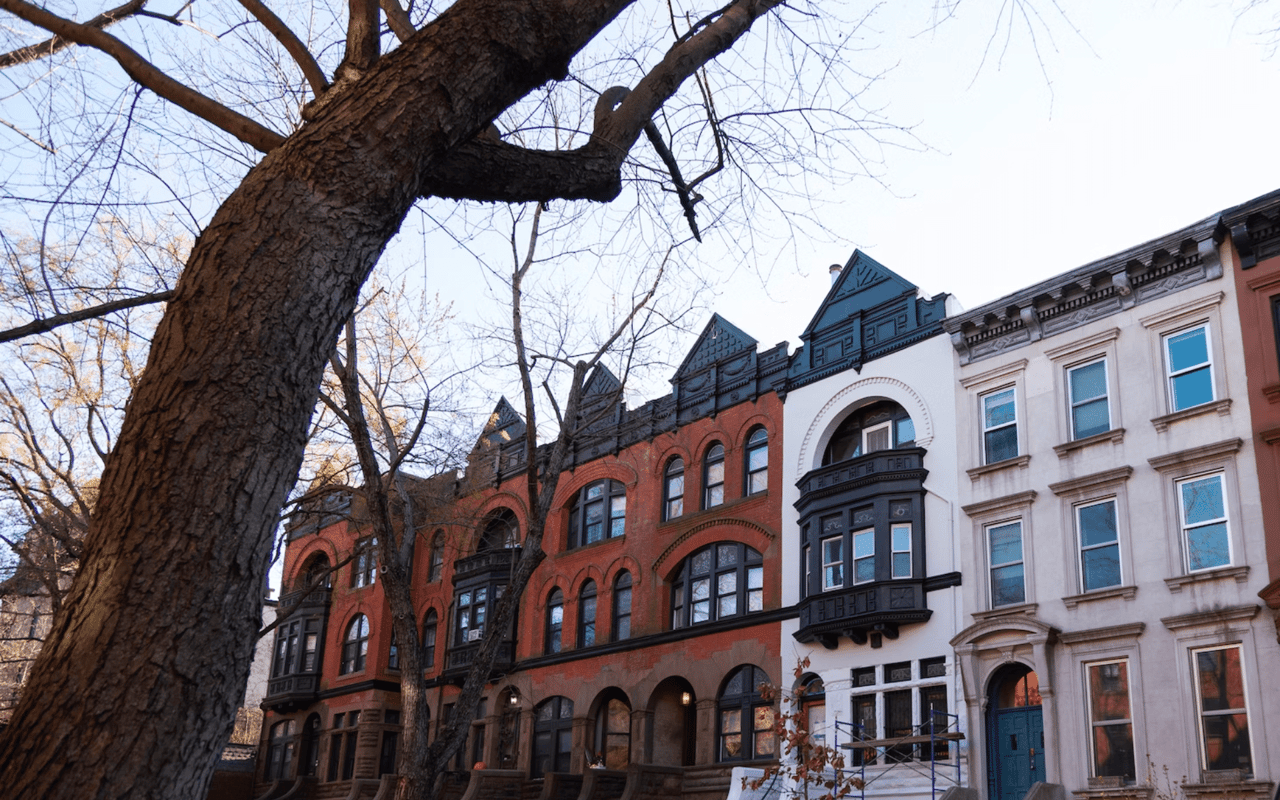
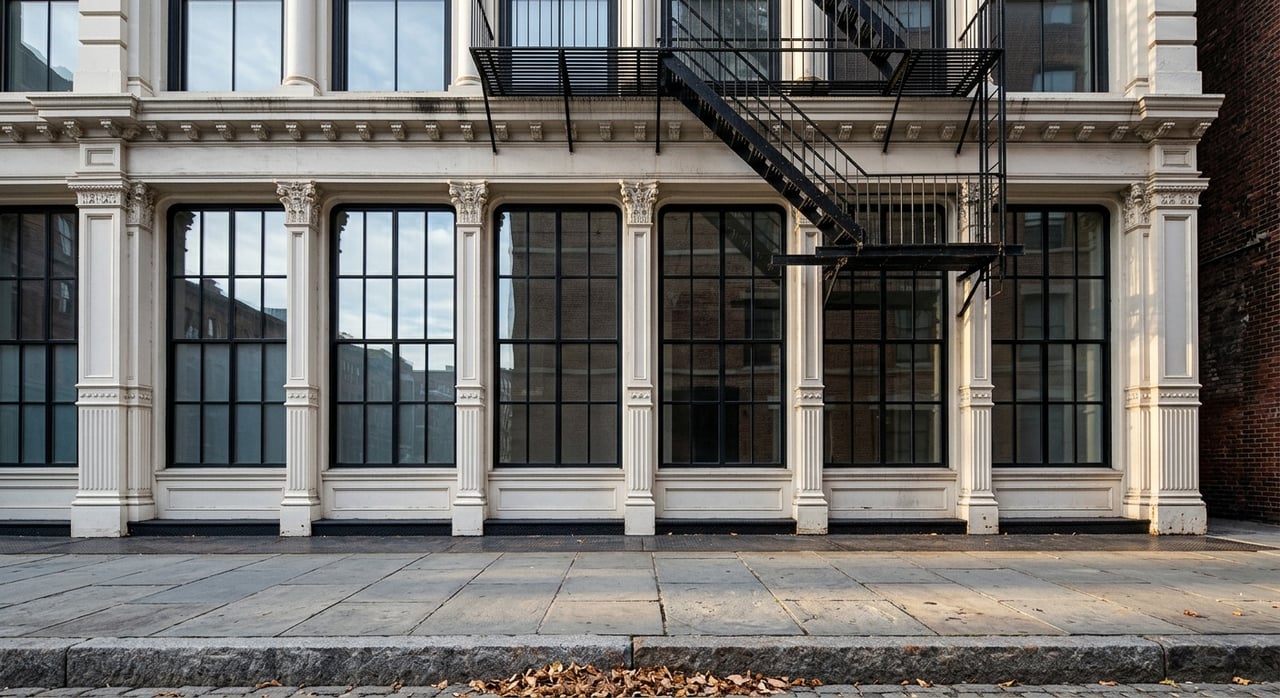
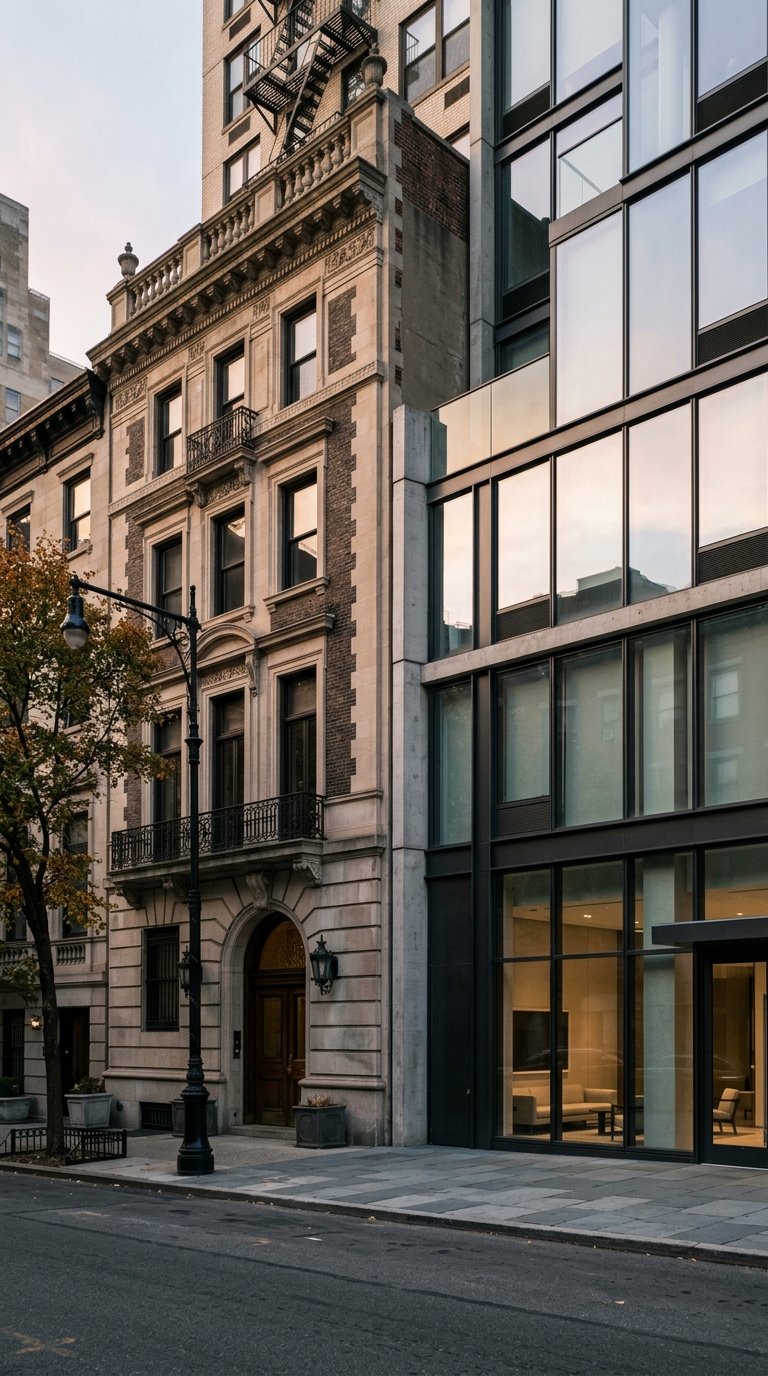
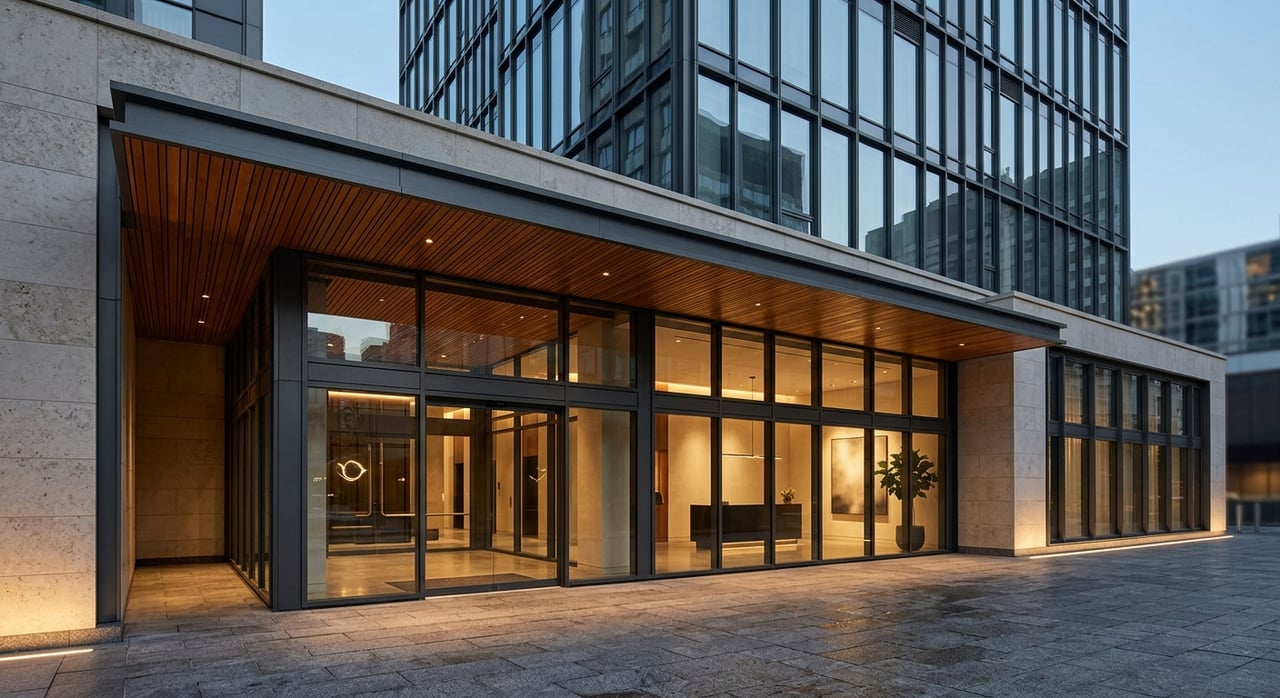
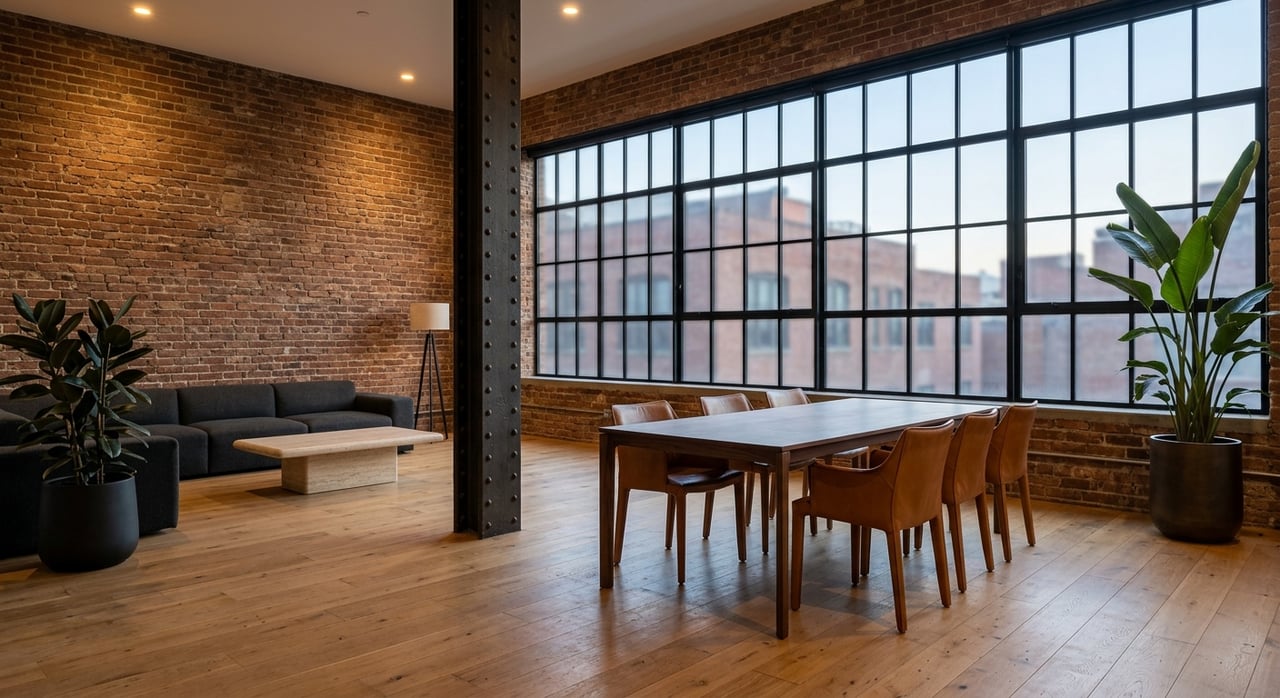
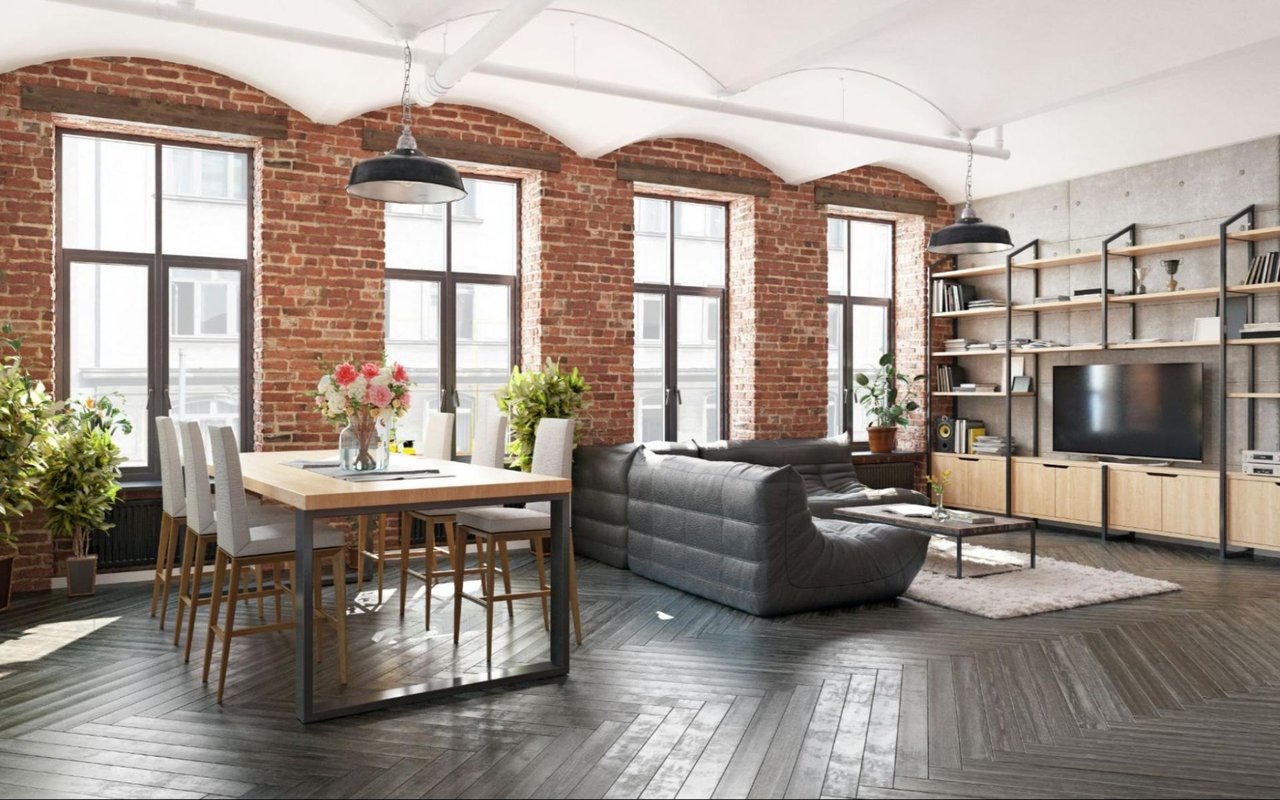
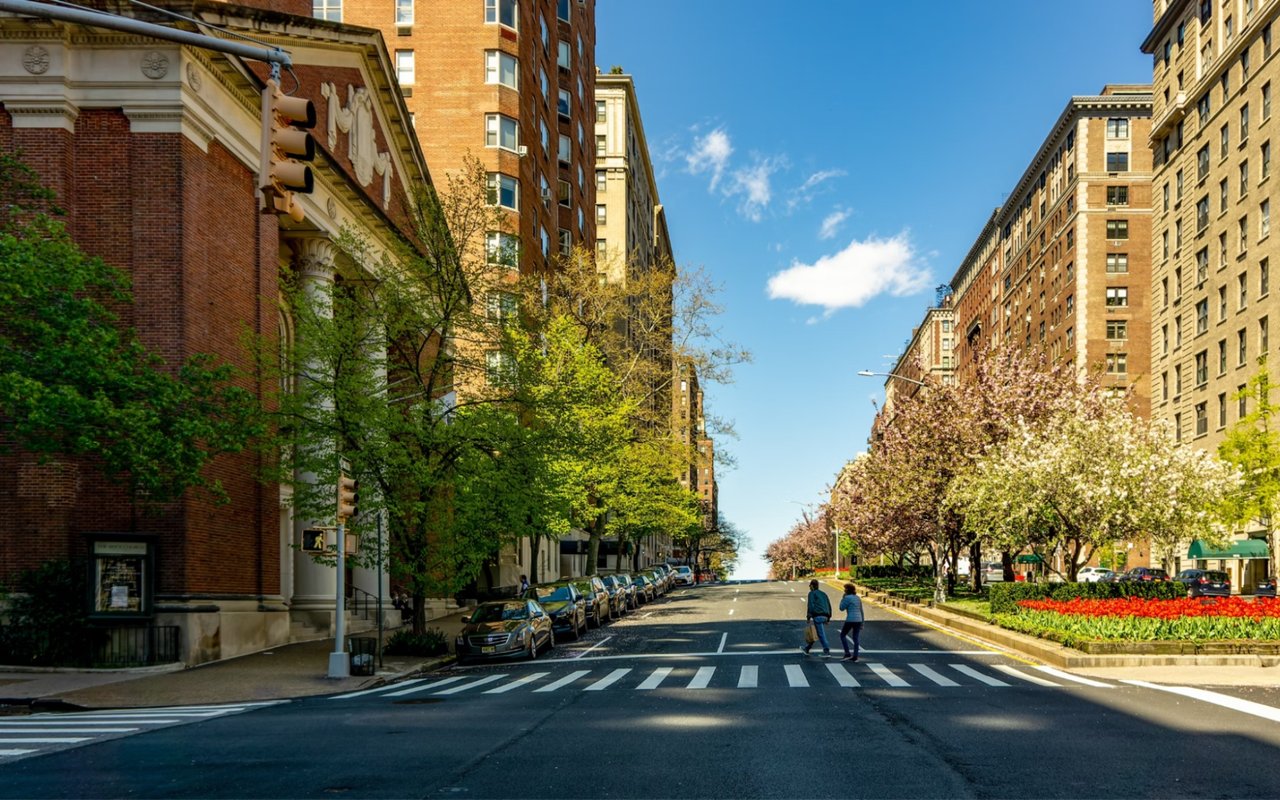
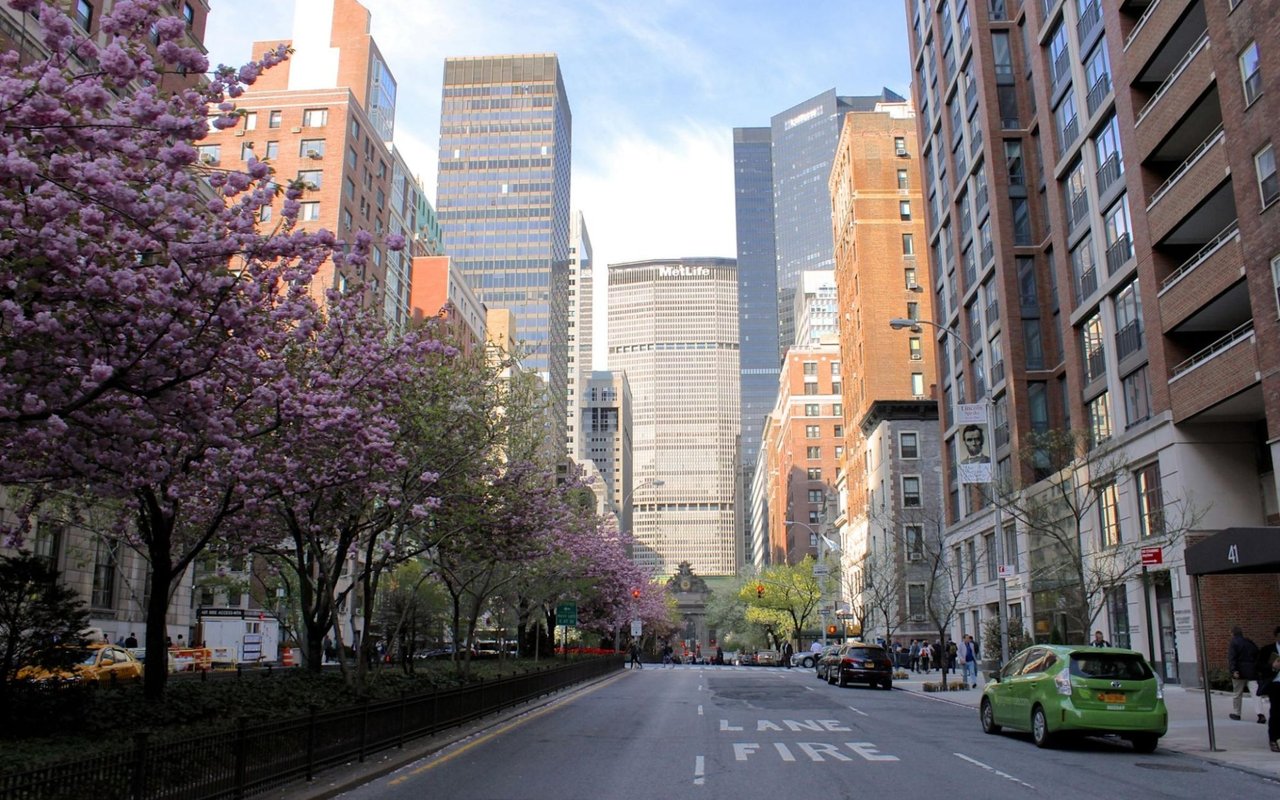
Flatiron has a built environment that gives it a strong sense of place. StreetEasy notes the neighborhood’s cast-iron and beaux-arts architecture, along with newer luxury development and loft conversions. That mix helps the area feel visually rich, even when the sidewalks are busy.
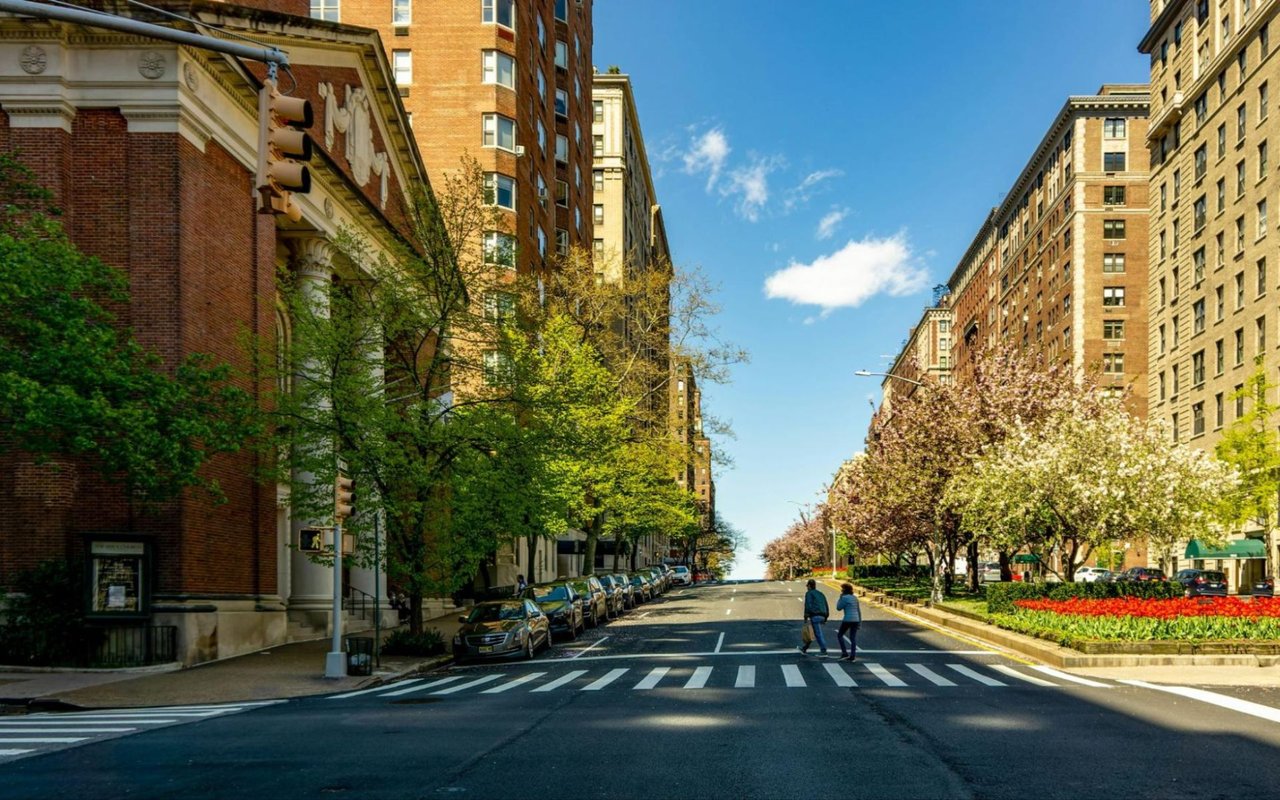
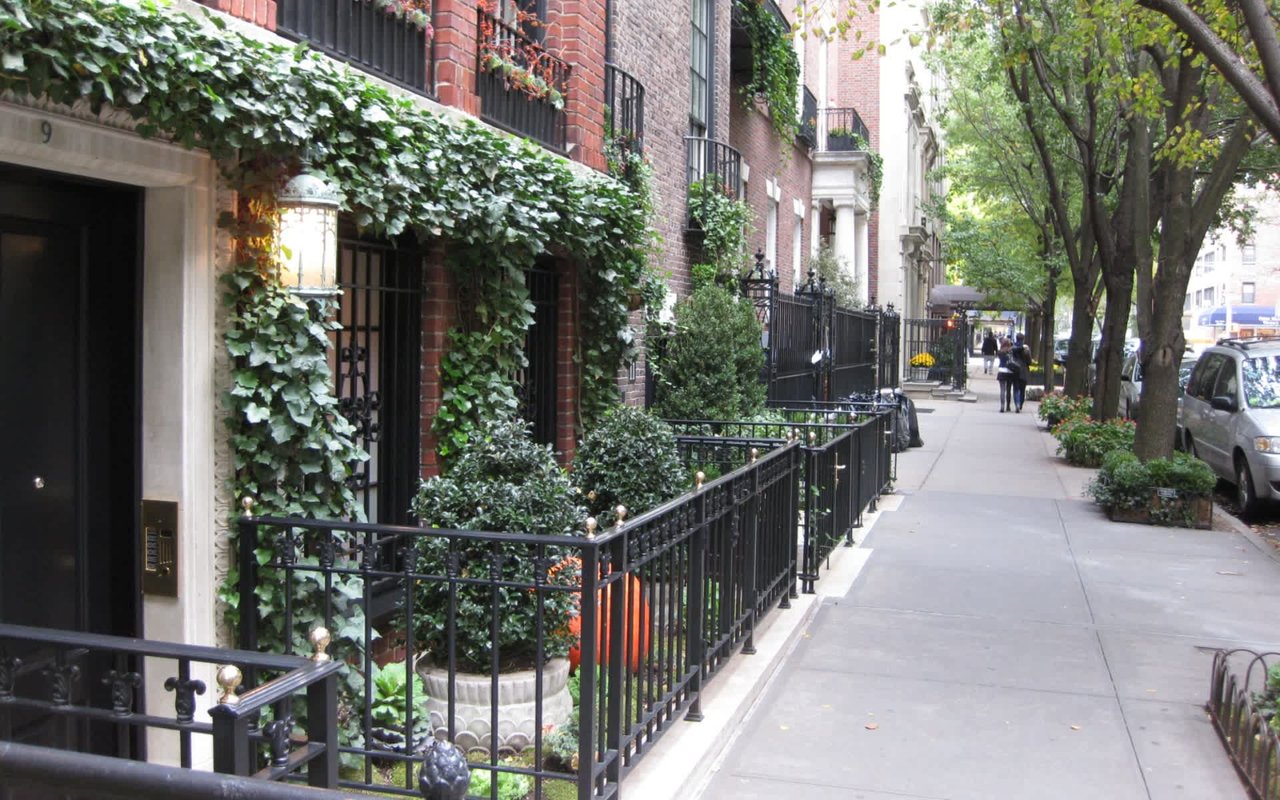
In real life, that often translates into blocks that feel architecturally layered rather than generic. You may pass historic facades, full-service residential buildings, office space, and destination retail all within a few minutes. The result is an urban setting that feels refined, active, and distinctly Manhattan.
Because Flatiron has historically had more commercial than residential space, it does not read like a classic residential enclave. Instead, it feels integrated into the city’s larger daily flow. For many people, that is exactly the point.
Outdoor time is better than you might expect
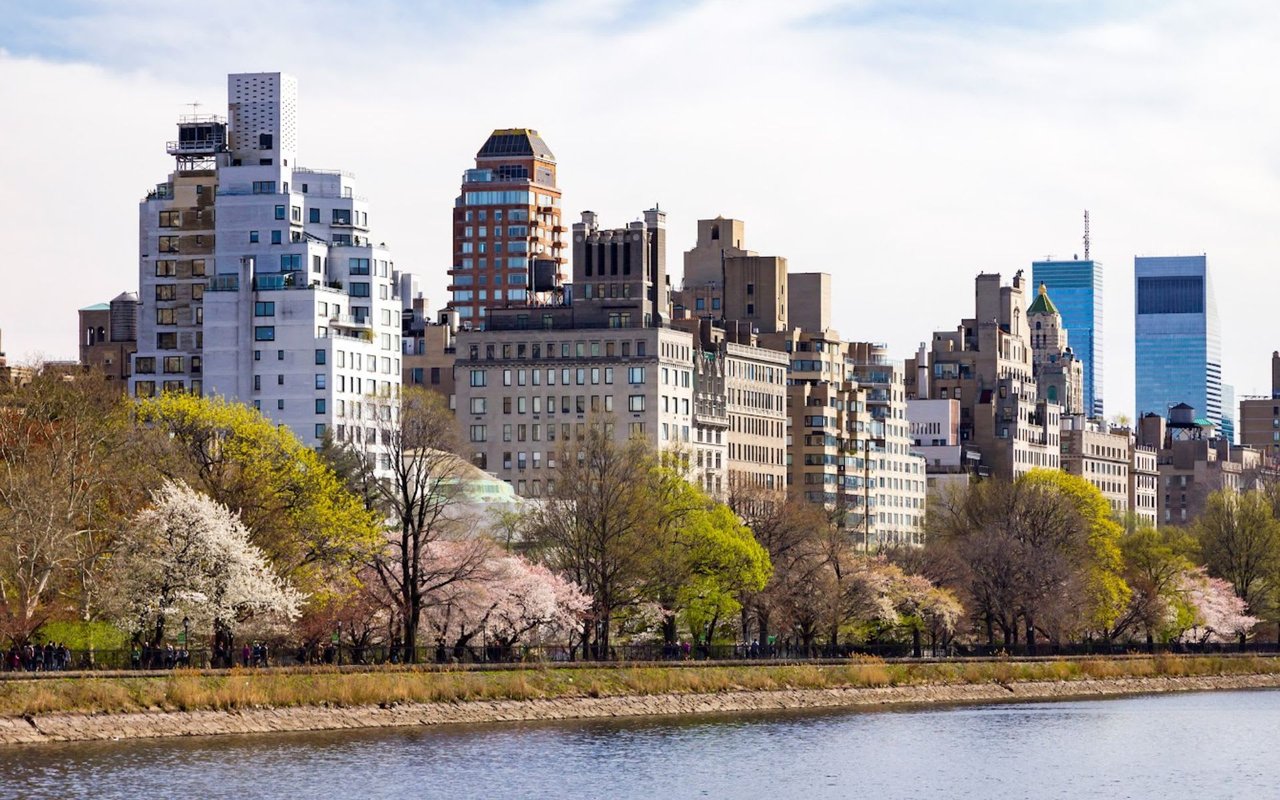
One of the biggest quality-of-life advantages in Flatiron is access to usable public space. Madison Square Park is the neighborhood anchor, located between Fifth and Madison Avenues from 23rd to 26th Streets. The park’s lawns are open daily from 10 a.m. to 9 p.m., weather permitting, and it also includes a year-round dog run and Citi Bike access.
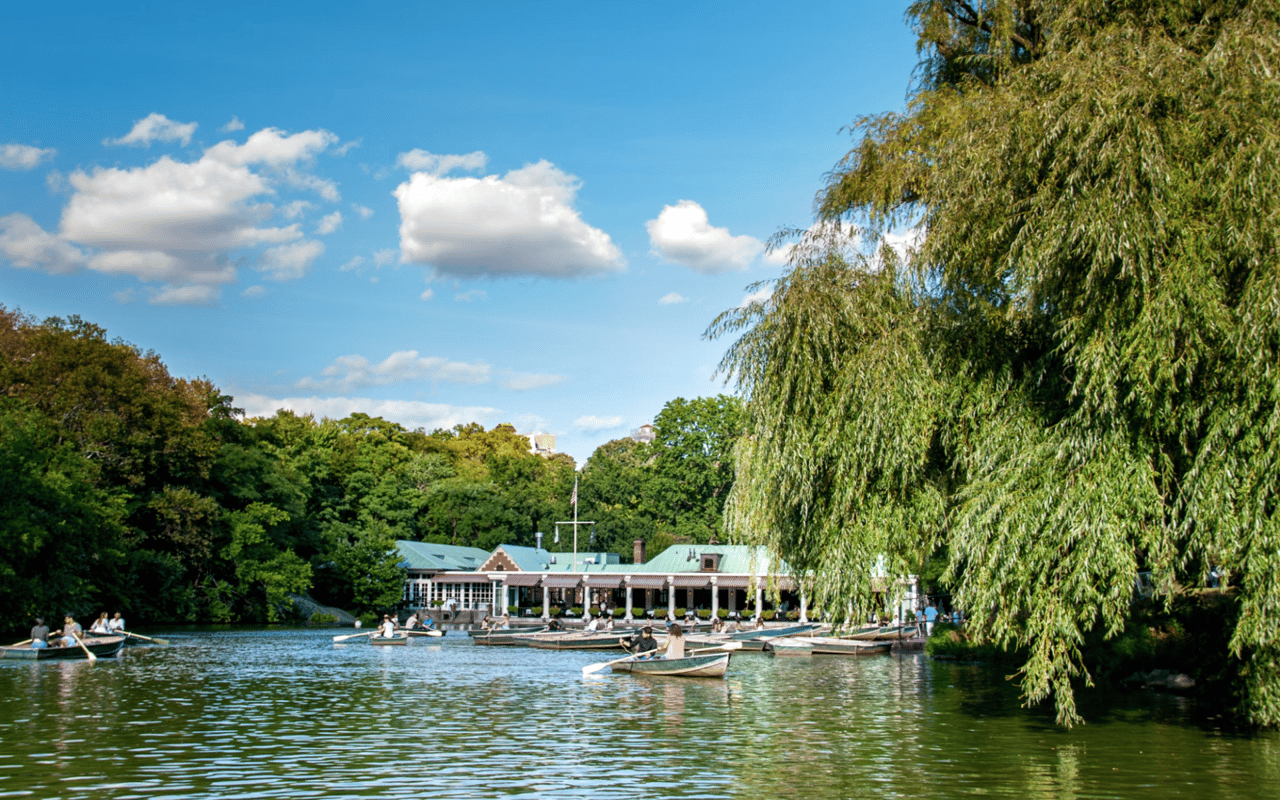
That matters because Flatiron living is not only about buildings and restaurants. It is also about having an easy place to reset during the day, walk your dog, sit outside, or break up a work-heavy routine. In a compact Manhattan neighborhood, that kind of access can make a major difference.
Union Square Park adds another practical outdoor option nearby. NYC Parks describes it as a longtime civic square with a Greenmarket, dog-friendly areas, eateries, restrooms, and Wi-Fi hotspots. If you value having more than one go-to outdoor space, Flatiron benefits from being close to both.
Public space keeps improving
Flatiron also feels more pedestrian-oriented than many people expect. Flatiron NoMad identifies several public spaces in the area, including Flatiron North Plaza, Flatiron South Plaza, and NoMad Piazza. NYC DOT says the Flatiron plazas are being rebuilt as part of a shared-street project, with permanent design work still underway.
That gradual shift matters for daily life. More plazas, seating, shared streets, and bike connections can make short local trips feel easier and more pleasant. Even if you still use cars or rideshares sometimes, the neighborhood experience increasingly favors walking and biking for nearby movement.
The city’s approved Midtown South Mixed-Use Plan points in the same direction. According to the city, the plan includes a pedestrian-friendly Broadway promenade across 21 blocks, along with investments in plazas, shared streets, bike lanes, public seating, and artwork. For residents, that suggests the public realm around Flatiron should continue to improve over time.
Getting around is one of Flatiron’s strengths
If transit access is high on your list, Flatiron is hard to ignore. The MTA map shows 23 Street service on the 6, F, M, R, and W lines, plus nearby 14 Street-Union Square access to the L, N, Q, R, W, 4, 5, and 6. That gives you strong north-south coverage and useful crosstown and downtown options.
In practical terms, you are not dependent on a single subway line or one station entrance. That flexibility is valuable whether you commute daily, meet clients across the city, or simply want easier access to different parts of Manhattan and Brooklyn. For relocation buyers especially, this is often one of the neighborhood’s clearest advantages.
NYC DOT’s Broadway Vision has also added plazas, shared streets, and protected bike connections around Broadway and Fifth Avenue. That supports the neighborhood’s pedestrian feel and makes short-distance movement easier without always needing the subway.
Dining shapes the neighborhood mood
Flatiron and nearby NoMad are known for a strong restaurant and cocktail scene. StreetEasy also describes the area as offering everything from high-end restaurants to food trucks and Eataly. That variety plays a big role in how the neighborhood feels after work and on weekends.
For many residents, evenings revolve around meeting friends for dinner, grabbing a casual bite, or making the most of the area’s food options without planning a long trip elsewhere. The neighborhood can feel social and polished without necessarily feeling chaotic. That is part of why Flatiron appeals to buyers and renters who want convenience with a more refined city atmosphere.
At the same time, dining traffic contributes to the neighborhood’s energy. If you prefer streets that feel quiet and residential all day, Flatiron may feel too active. If you enjoy being able to step into a lively street scene and still get home quickly, it can be a very strong fit.
Housing in Flatiron comes with tradeoffs
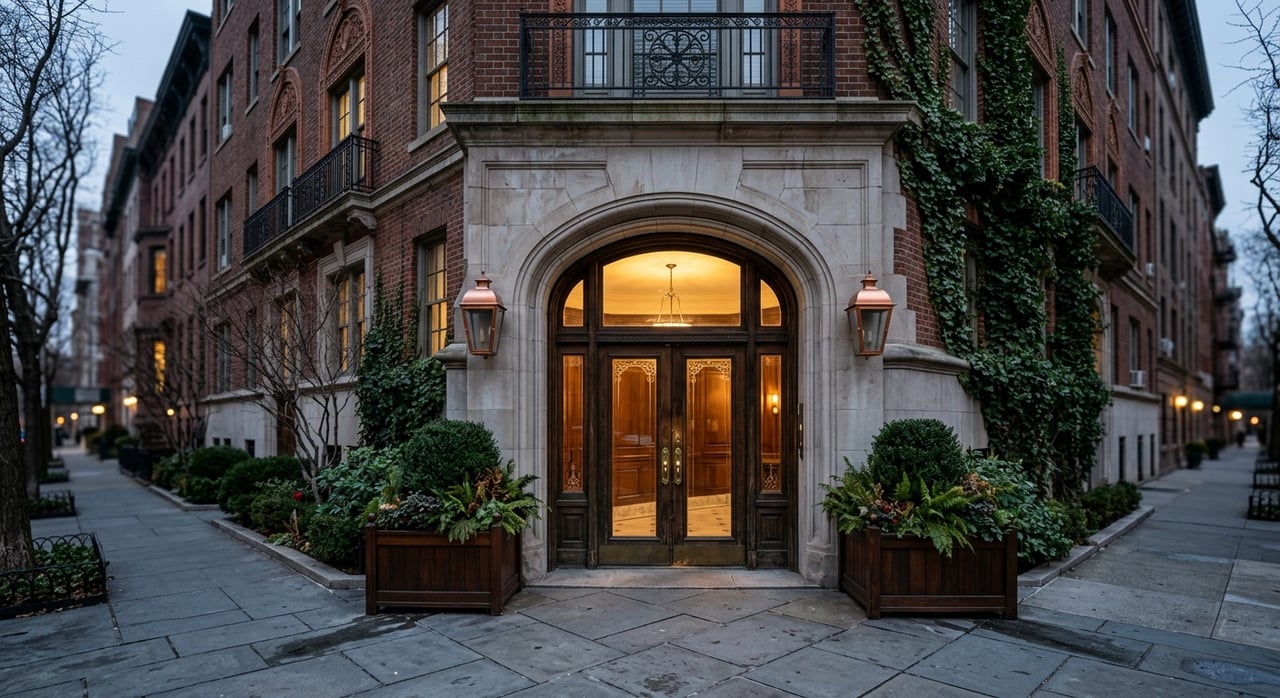
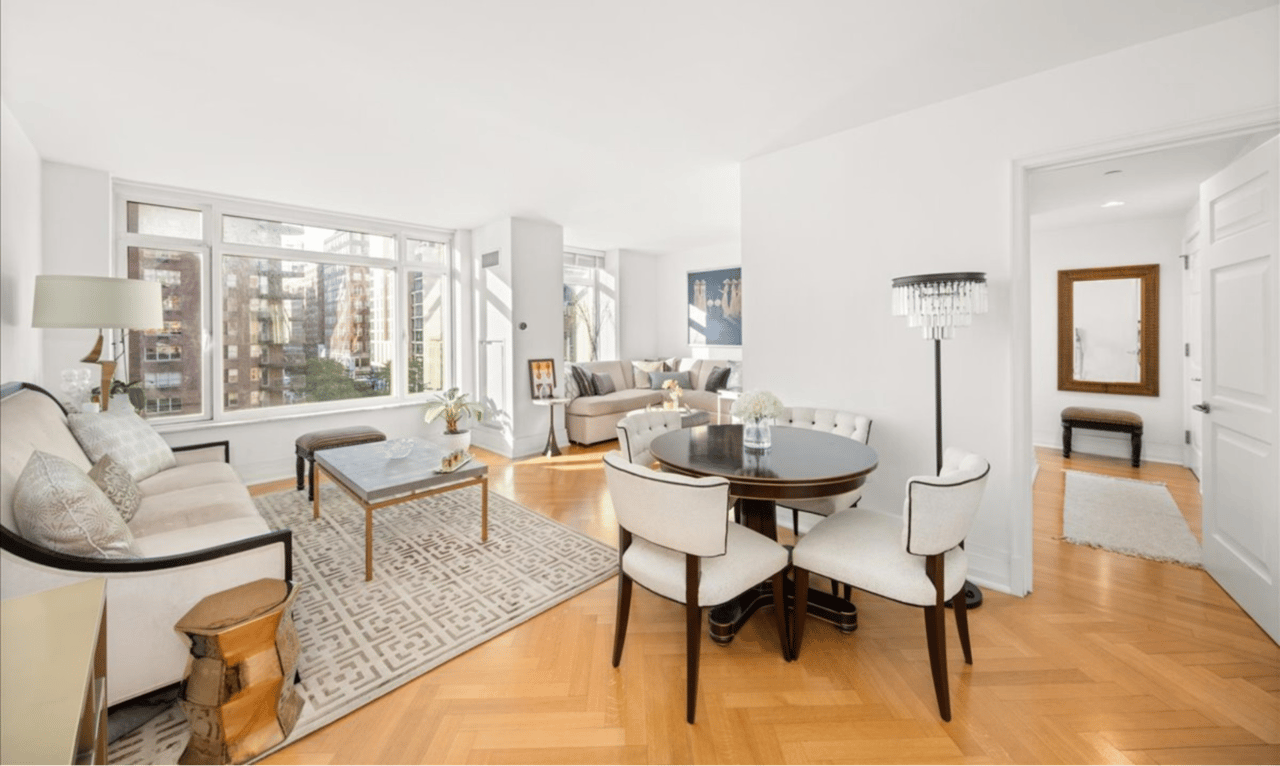
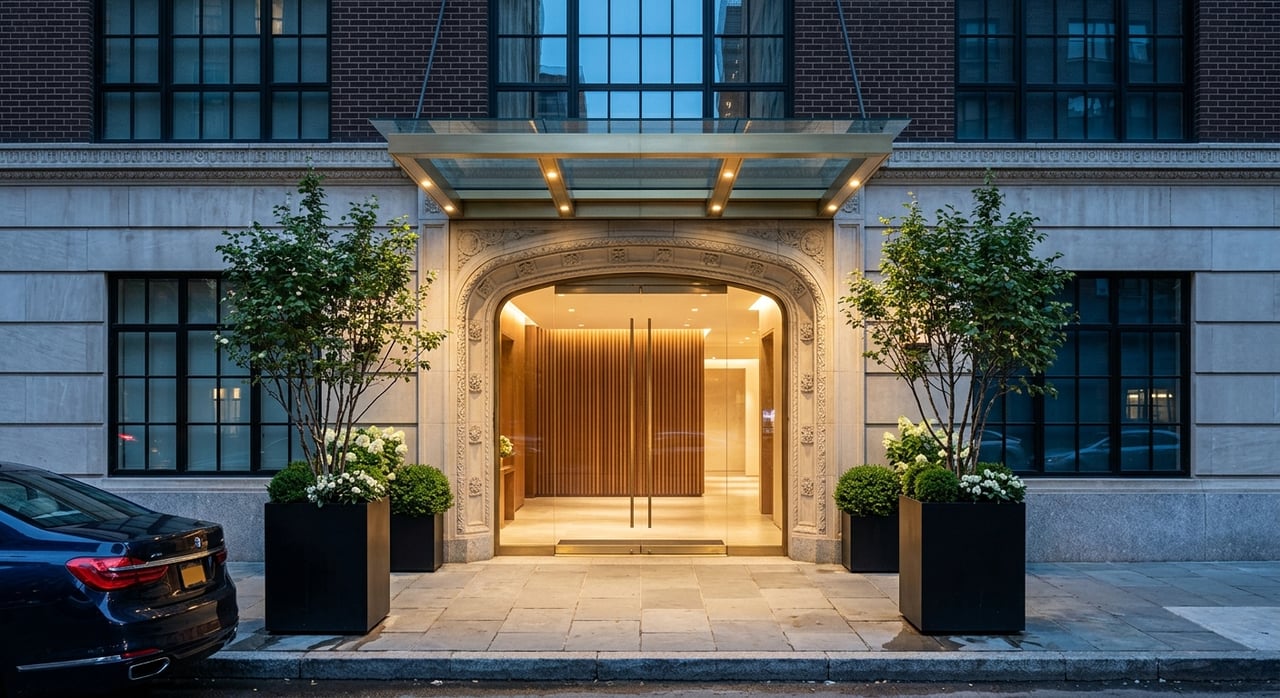
Flatiron offers a compelling lifestyle, but it comes with a real cost. StreetEasy says the neighborhood is expensive and has low turnover, with most homes in modern doorman buildings and some walk-ups. Its current neighborhood snapshot shows a median sale price of about $2.1 million.
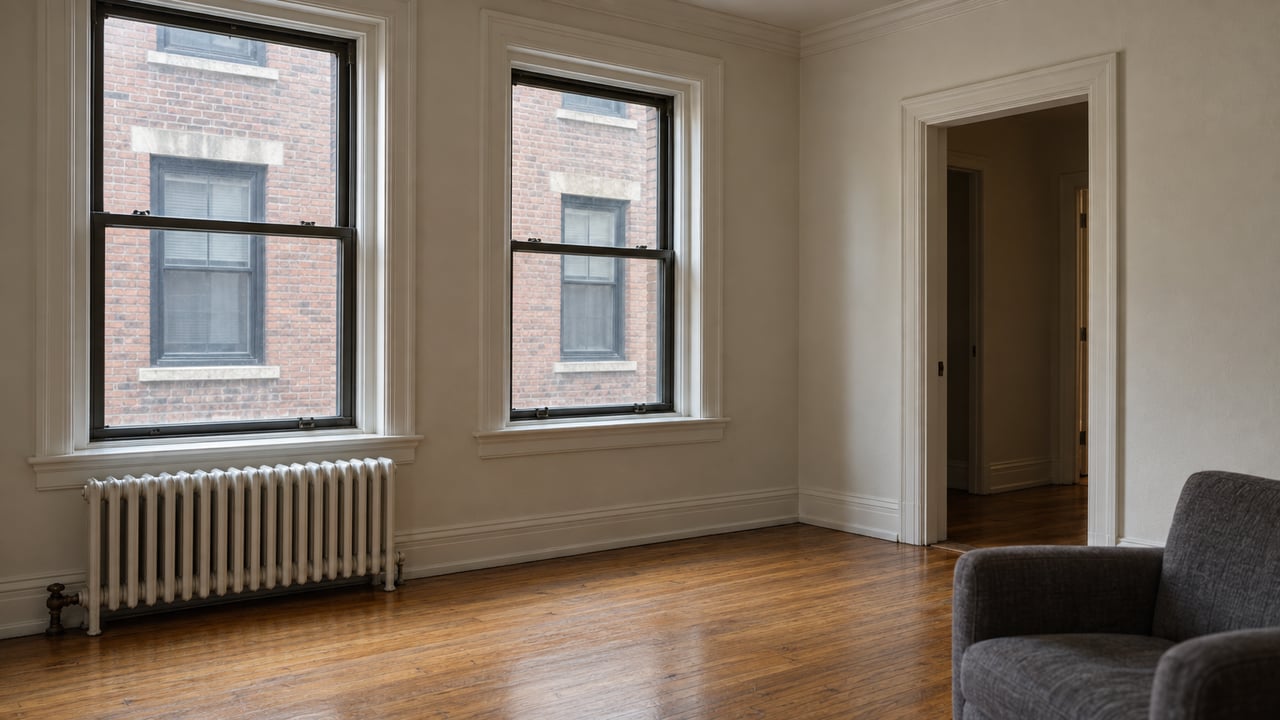
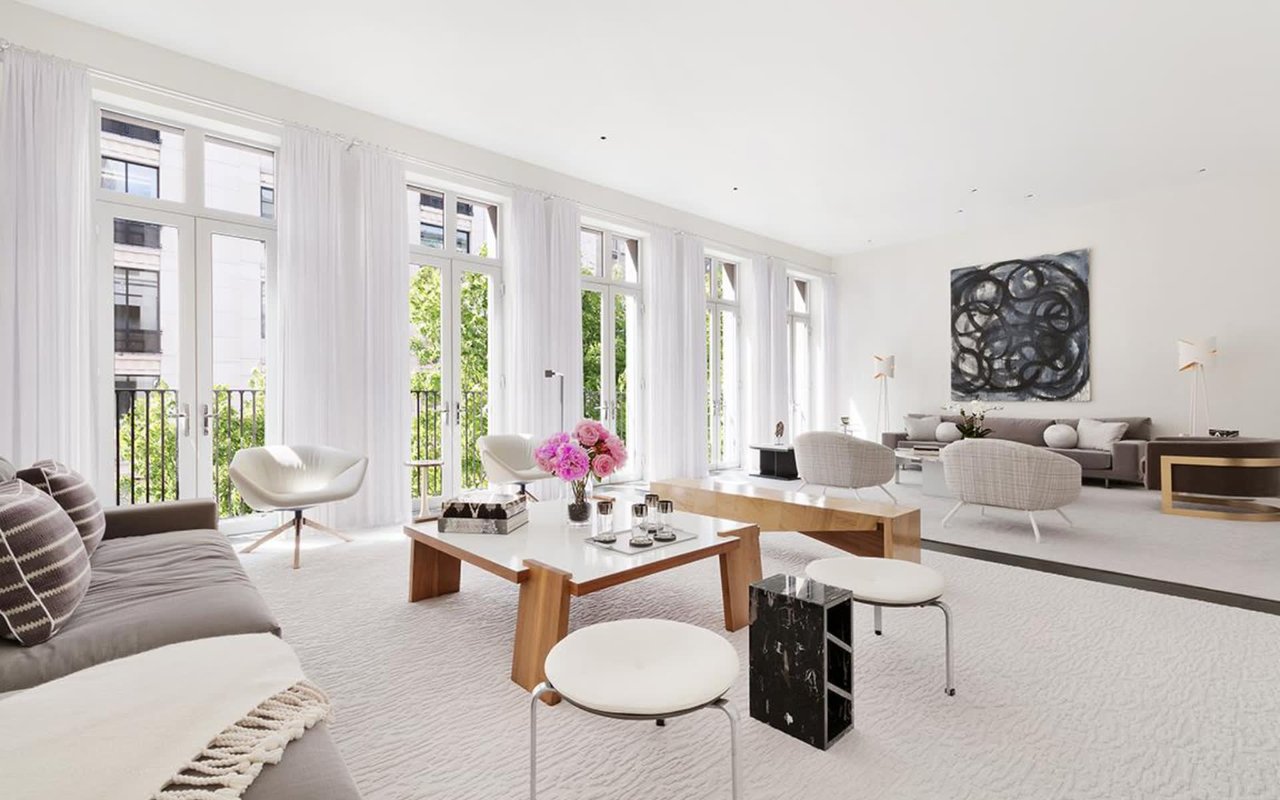
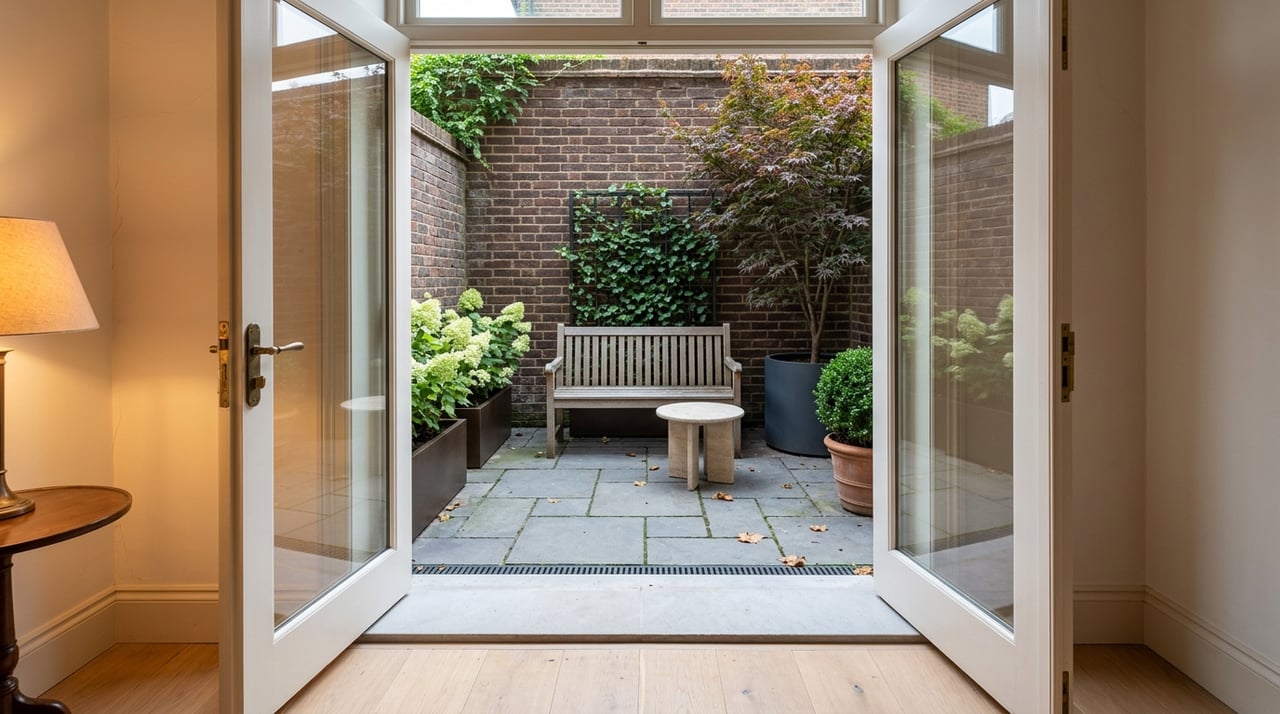
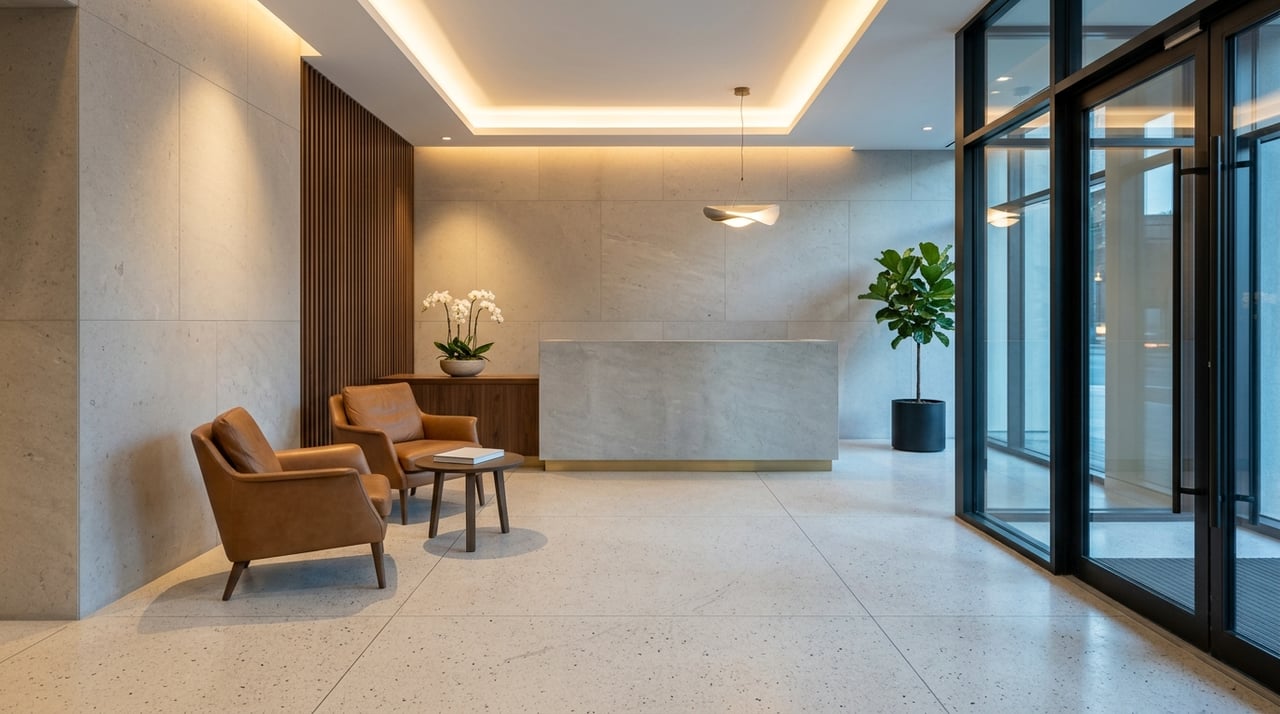
That pricing and supply profile tells you a lot about the housing stock. Flatiron tends to skew toward condos, lofts, and full-service buildings rather than high volumes of entry-level options. If you are searching here, it helps to be clear about your priorities, because inventory may be limited compared with larger neighborhoods.
For some buyers, the tradeoff is worth it because the neighborhood delivers convenience, transit access, architecture, and a polished urban feel. For others, more space or better value may be available in neighborhoods with a different rhythm. Flatiron works best when your lifestyle priorities align with what the neighborhood actually offers.
Who usually feels at home here
Flatiron is often a strong fit if you want centrality, excellent transit, active streets, and easy access to dining and parks. It can work especially well for people who value efficiency and want a Manhattan neighborhood that supports a busy schedule. If your week includes commuting, meetings, dinners, and quick errands, the location can make daily life simpler.
It may be a weaker fit if your top priorities are lower pricing, larger space, or a quiet residential-only environment. StreetEasy’s overview and the broader district profile both support that tradeoff. This is not the neighborhood people usually choose for retreat-like calm.
Instead, Flatiron tends to appeal to people who want a polished urban base with strong mobility and a steady sense of momentum. If that sounds like the life you want in Manhattan, Flatiron deserves serious consideration.
Flatiron may keep evolving
The city approved the Midtown South Mixed-Use Plan in August 2025, and the final plan is designed to bring nearly 10,000 new homes across 42 blocks where housing was largely not allowed, including up to 2,800 permanently affordable homes. It also allows office-to-housing conversions and pairs new development with significant public-realm investment.
Because the plan covers blocks roughly between West 23rd and West 40th Streets and Fifth and Eighth Avenues, it has clear relevance for the broader Flatiron-adjacent area. The reasonable takeaway is that housing options may broaden over time, even if supply remains tight in the near term. That does not change Flatiron overnight, but it does suggest a neighborhood and surrounding district that will continue to develop.
For buyers, sellers, and investors, that kind of change is worth watching closely. In Manhattan, small shifts in supply, building type, and street experience can have an outsized impact on decision-making and long-term value.
If you are weighing Flatiron against other Manhattan neighborhoods, the right choice usually comes down to how you want your day to feel. Flatiron is compact, connected, design-forward, and active, with a strong mix of public space, dining, and transit. If you want help evaluating whether that matches your goals, Kobi Lahav can help you navigate the options with a clear, practical strategy.
FAQs
What does living in the Flatiron District feel like day to day?
- Living in Flatiron often feels efficient, central, and active, with busier midday and early evening periods and quieter late nights.
How walkable is the Flatiron District for daily errands?
- Flatiron is highly walkable because of its compact size, shopping corridors, restaurants, parks, and transit access.
What parks do Flatiron residents use most often?
- Madison Square Park is the main neighborhood park, and nearby Union Square Park gives residents another practical outdoor option.
How convenient is transit in the Flatiron District?
- Transit is one of Flatiron’s biggest strengths, with access to multiple subway lines at 23 Street and 14 Street-Union Square.
What types of homes are common in the Flatiron District?
- The housing stock generally includes modern doorman buildings, lofts, condos, and some walk-up apartments, with relatively limited turnover.
Is the Flatiron District a good fit for buyers who want quiet streets?
- Flatiron may be less appealing if you want a quiet residential-only setting, since the neighborhood is known for active streets, dining, and commercial energy.