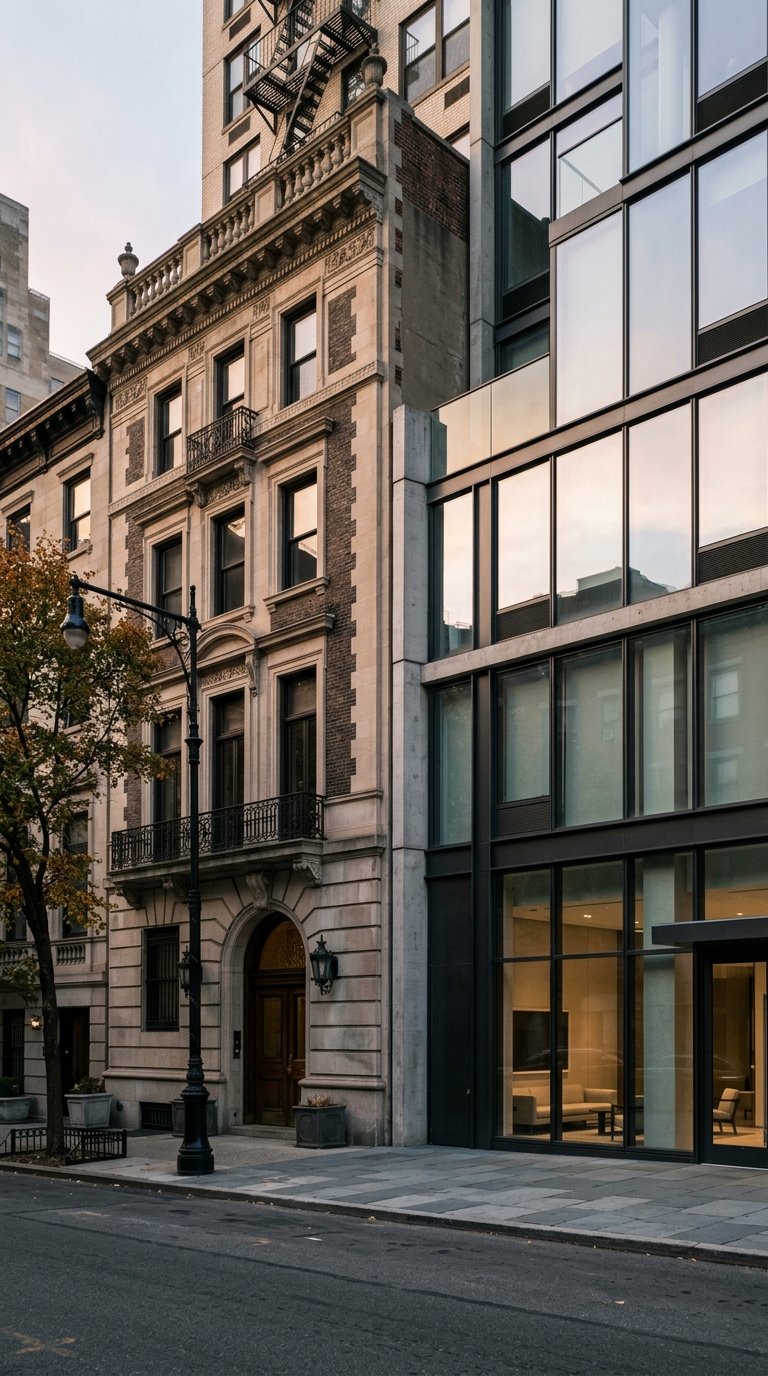
Wondering whether the Upper West Side feels more like classic New York or modern Manhattan? The truth is, it offers both, and that is exactly why so many buyers find the neighborhood compelling. If you are weighing prewar co-ops, brownstones, or newer glass condos, understanding how these housing styles differ can help you focus on what fits your daily life, priorities, and long-term plans. Let’s dive in.
Why the Upper West Side Offers Both
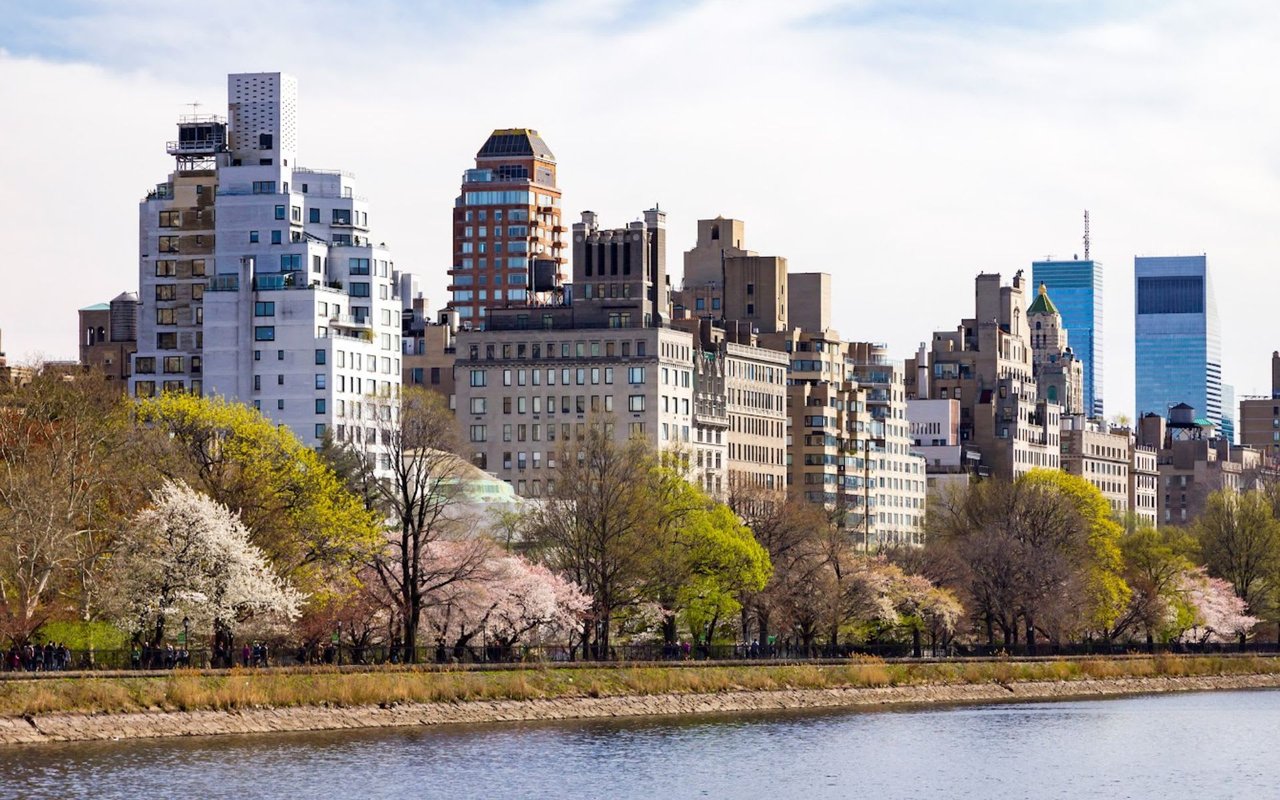
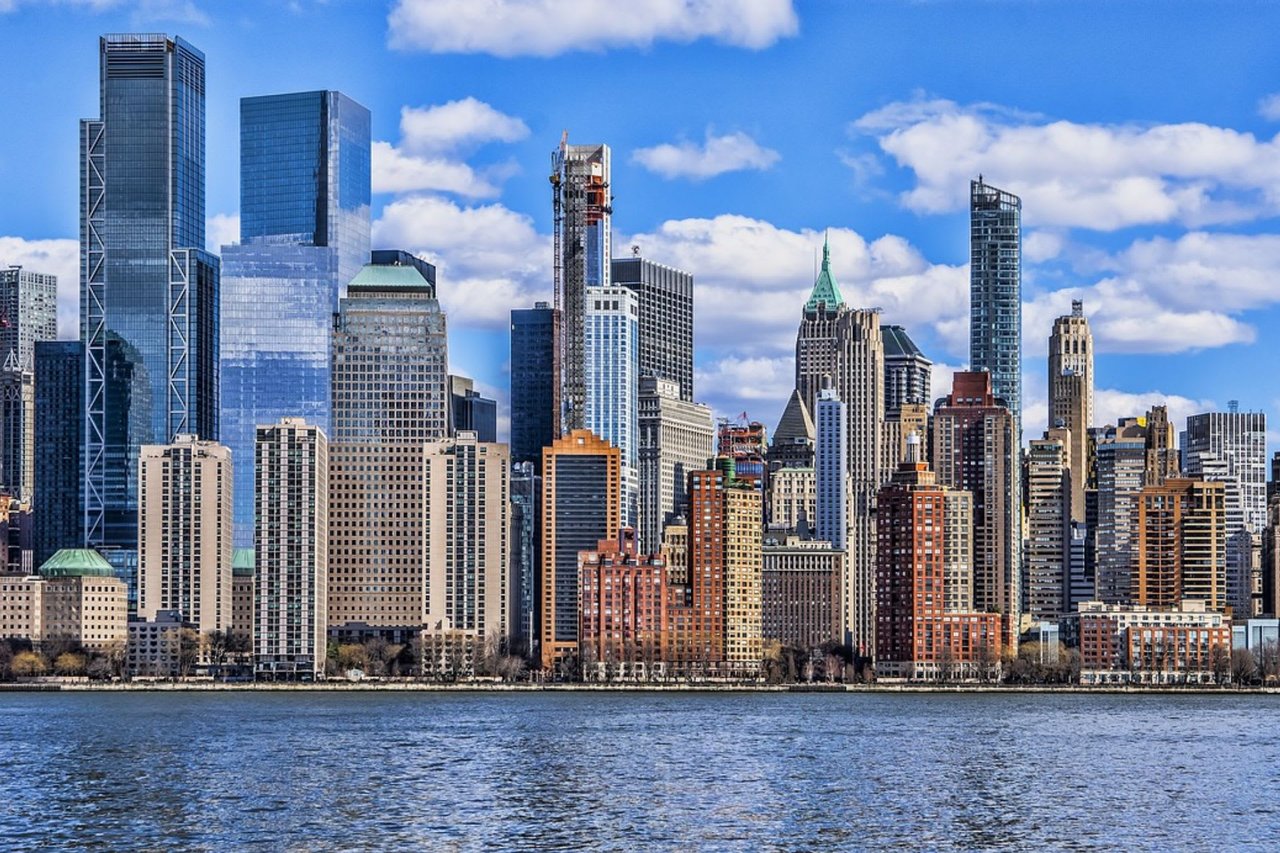
The Upper West Side stretches from 59th to 110th Street between Central Park and the Hudson River, within Manhattan Community Board 7. Its housing stock was built over different eras, which is why the neighborhood does not read as one single product type.
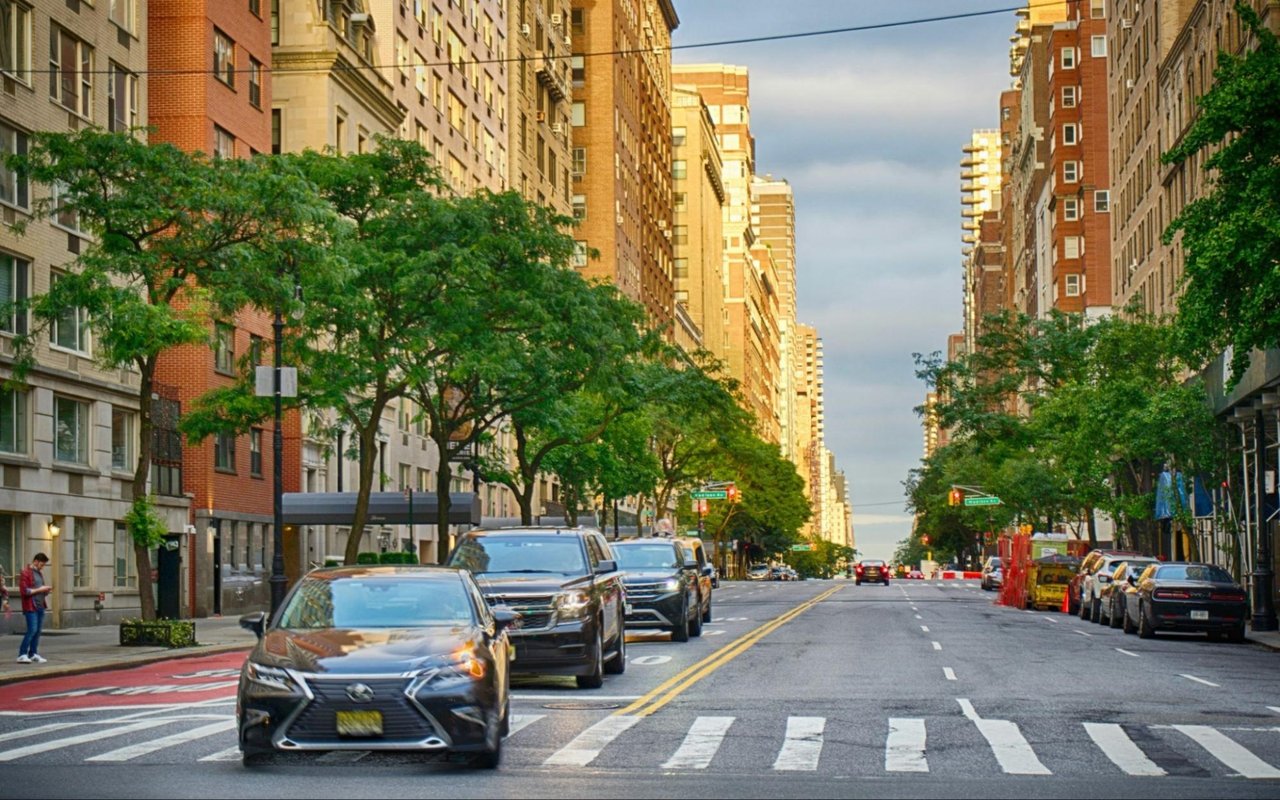
Instead, you will find a layered mix of prewar apartment houses, attached rowhouses, and newer high-rise infill. That variety is a big part of the neighborhood’s appeal, especially if you want choices that range from historic character to contemporary convenience.
The area is also deeply urban and transit-oriented. Furman Center reports 130,471 housing units in 2024, along with a 90.4% car-free commute rate and a 31.2-minute mean travel time to work. In practical terms, most buyers here are comparing building style, layout, and level of service more than they are thinking about car-based living.
Why Prewar Still Defines the Neighborhood
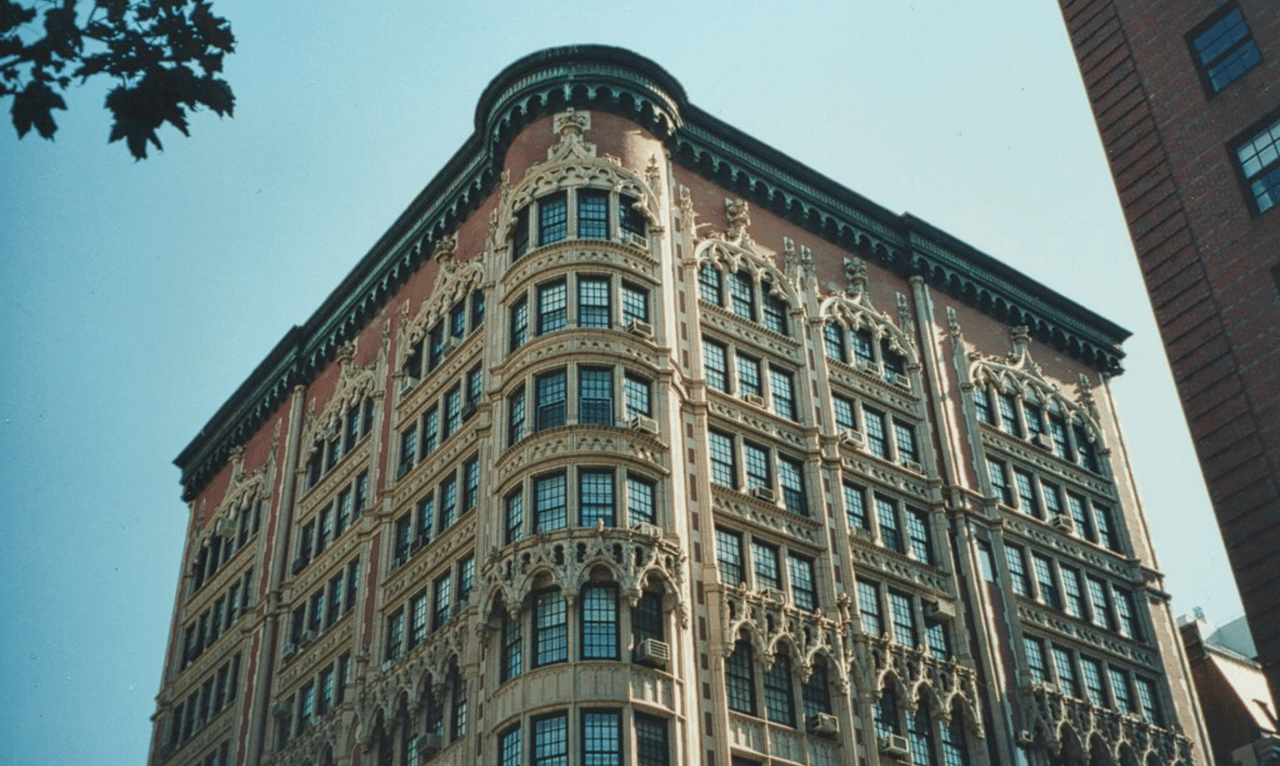
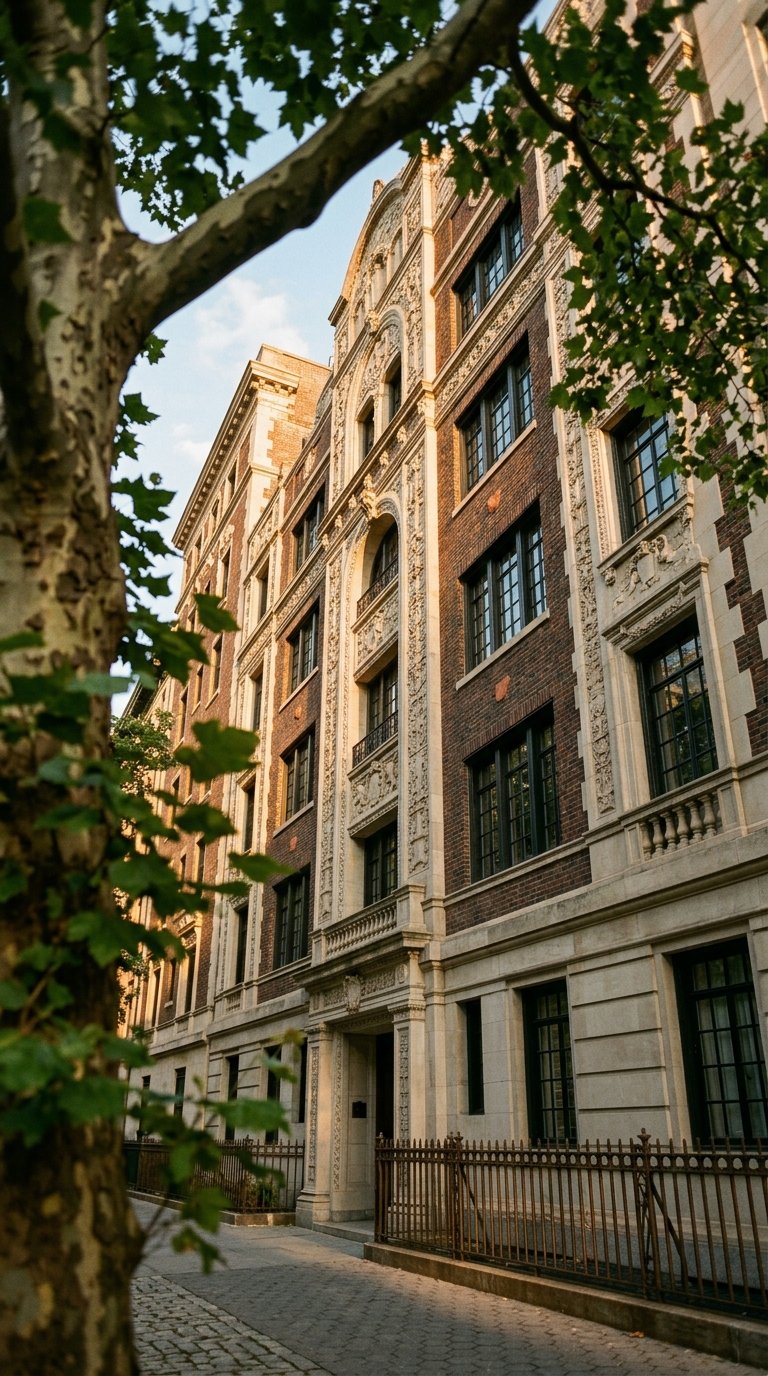
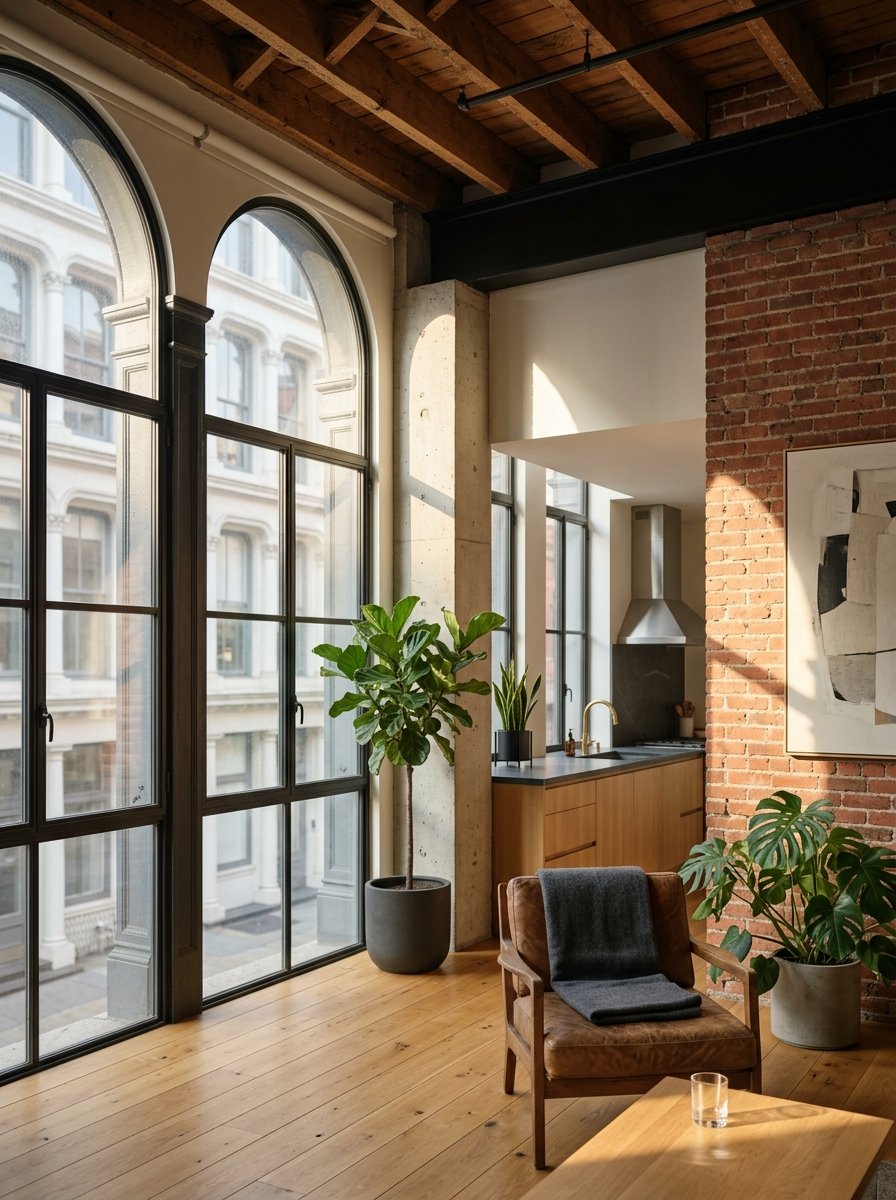
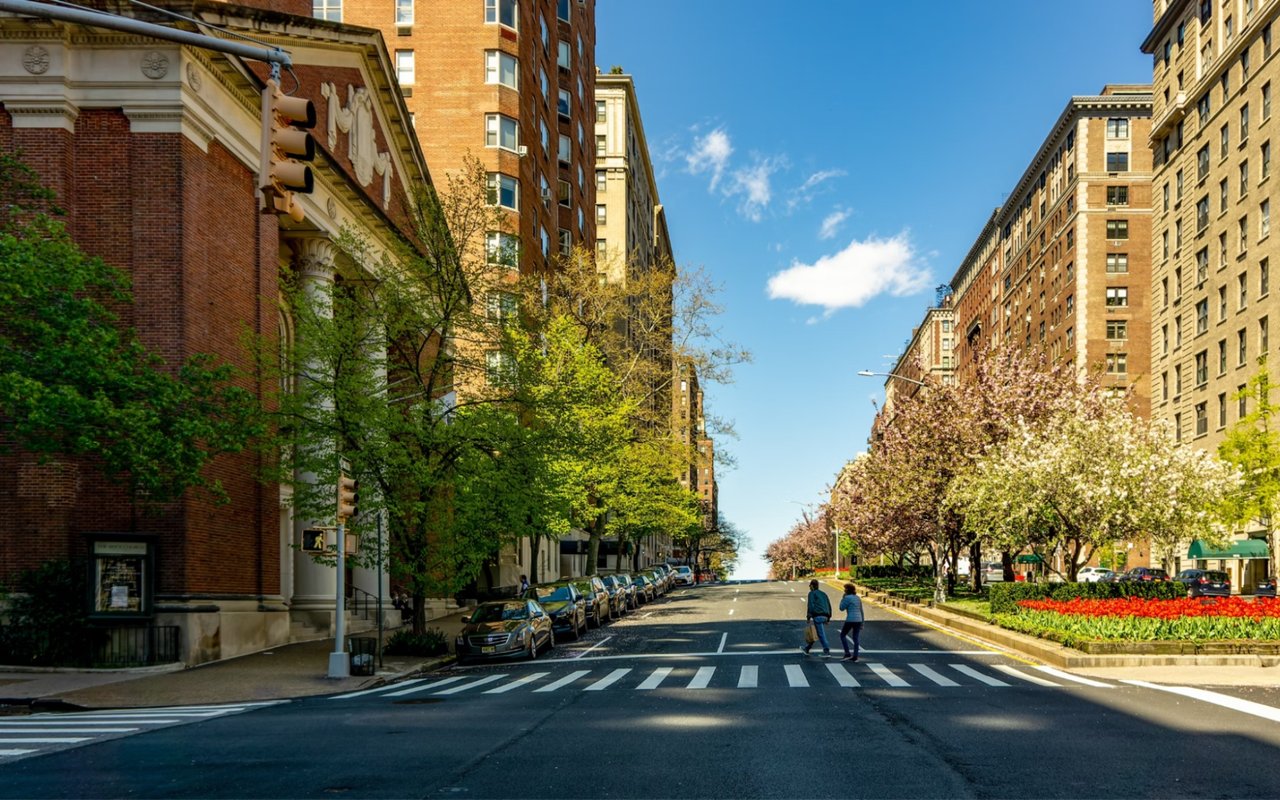
On the Upper West Side, prewar buildings remain the default reference point because so much of the neighborhood was built before World War II. Older New York City Planning ACS tabulations found that 58.2% of Upper West Side and West Side housing units were built in 1939 or earlier.
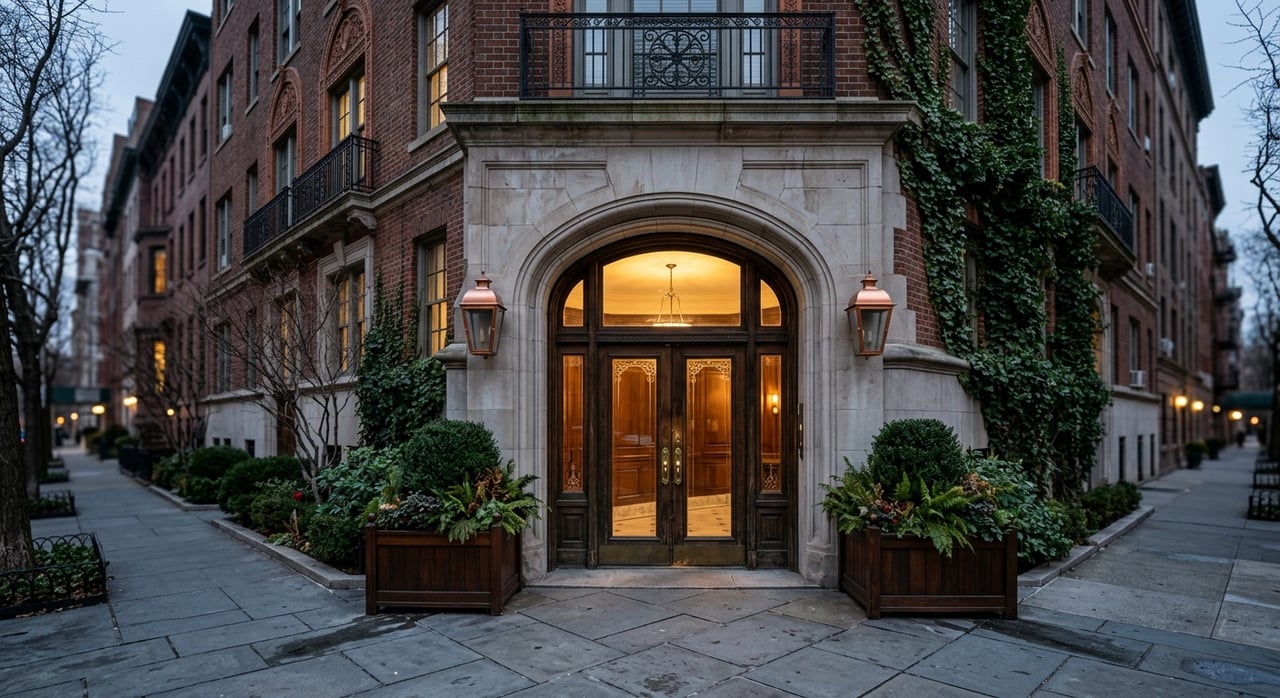
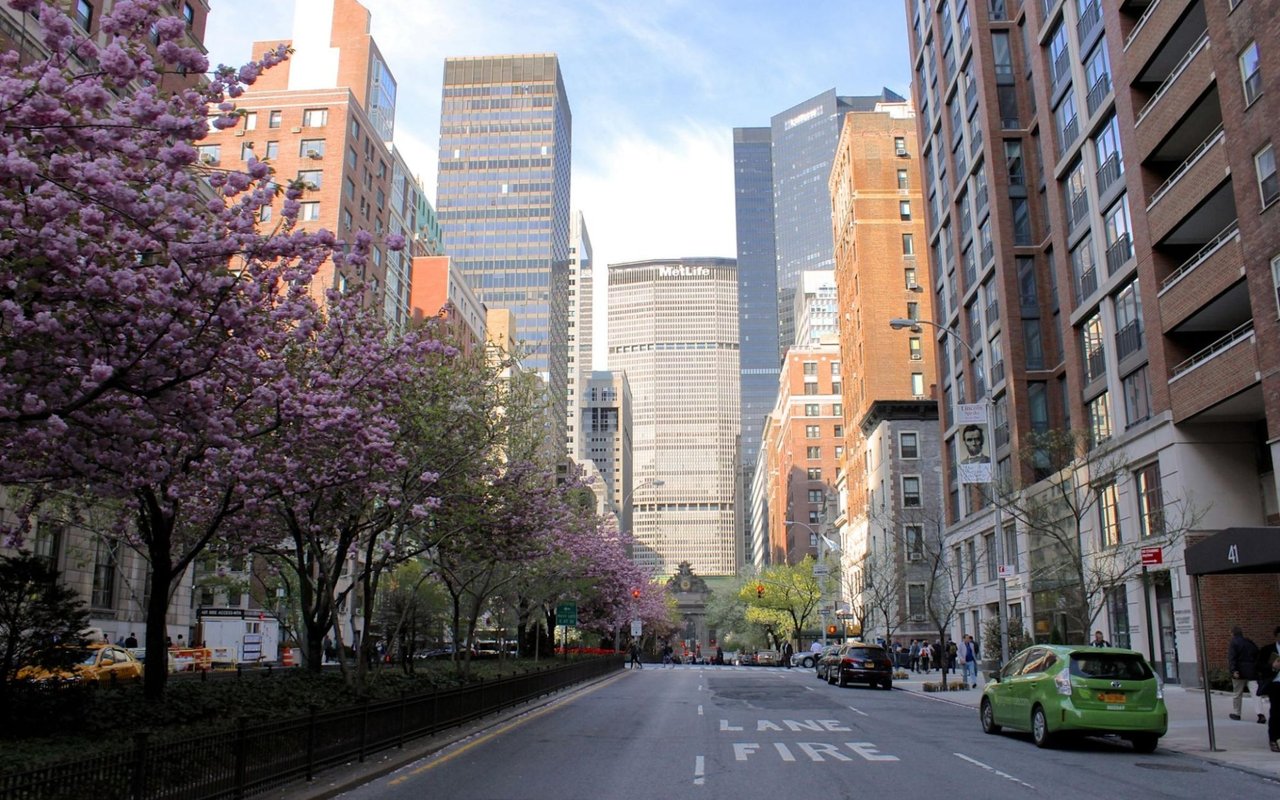
That historic identity is still visible today in the streetscape. Landmark rules also play a major role, since the Landmarks Preservation Commission reviews most exterior changes to designated buildings, including façade alterations and many window-related projects.
For you as a buyer, that means the neighborhood’s older architectural character tends to remain intact even when interiors have been fully renovated. It is one reason the Upper West Side often feels visually consistent block to block, even though apartment finishes and building services can vary widely.
What Buyers Notice in Prewar Co-ops
Prewar co-ops tend to attract buyers who respond to scale, detail, and a sense of permanence. But on the Upper West Side, the appeal is not only about appearance. It is also about how well the building has been maintained over time.
The New York State Attorney General advises buyers to focus on a building’s physical condition, not just its location and amenities. In older buildings, that includes the façade, roof, flooring, appliances, sub-soil conditions, elevators, HVAC, windows, electrical wiring, and plumbing.
That guidance matters because expensive repair items in older apartment buildings can include façade pointing, roof work, elevator work, plumbing, electrical upgrades, boiler replacement, and cosmetic updates. So when you tour a prewar co-op, you are really evaluating two things at once: the apartment you see and the building systems supporting it.
Prewar Value Goes Beyond Finishes
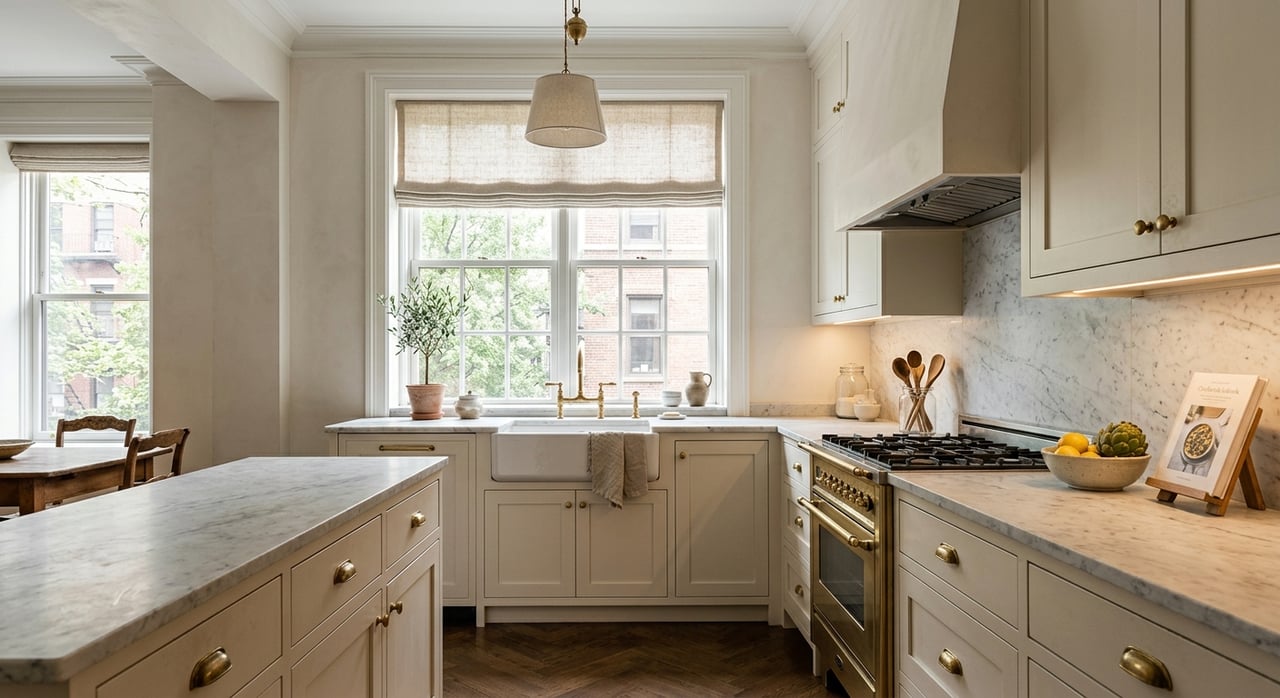
A beautifully renovated kitchen can be appealing, but it should not distract from the building’s fundamentals. If windows, elevators, or plumbing infrastructure need major work, that can shape your ownership experience just as much as interior style.
This is where a disciplined review can make a real difference. On the Upper West Side, a prewar apartment often rewards buyers who look past staging and ask practical questions about upkeep, capital needs, and the condition of the building’s core systems.
How Brownstones and Rowhouses Differ
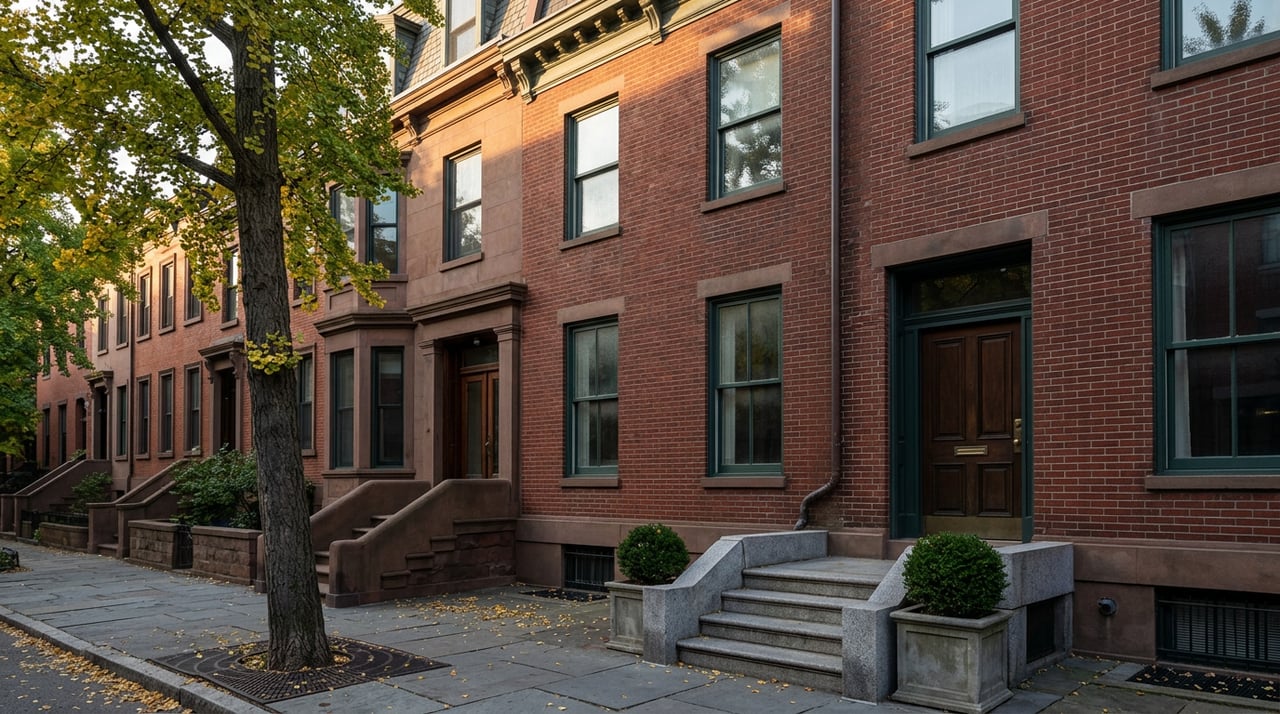
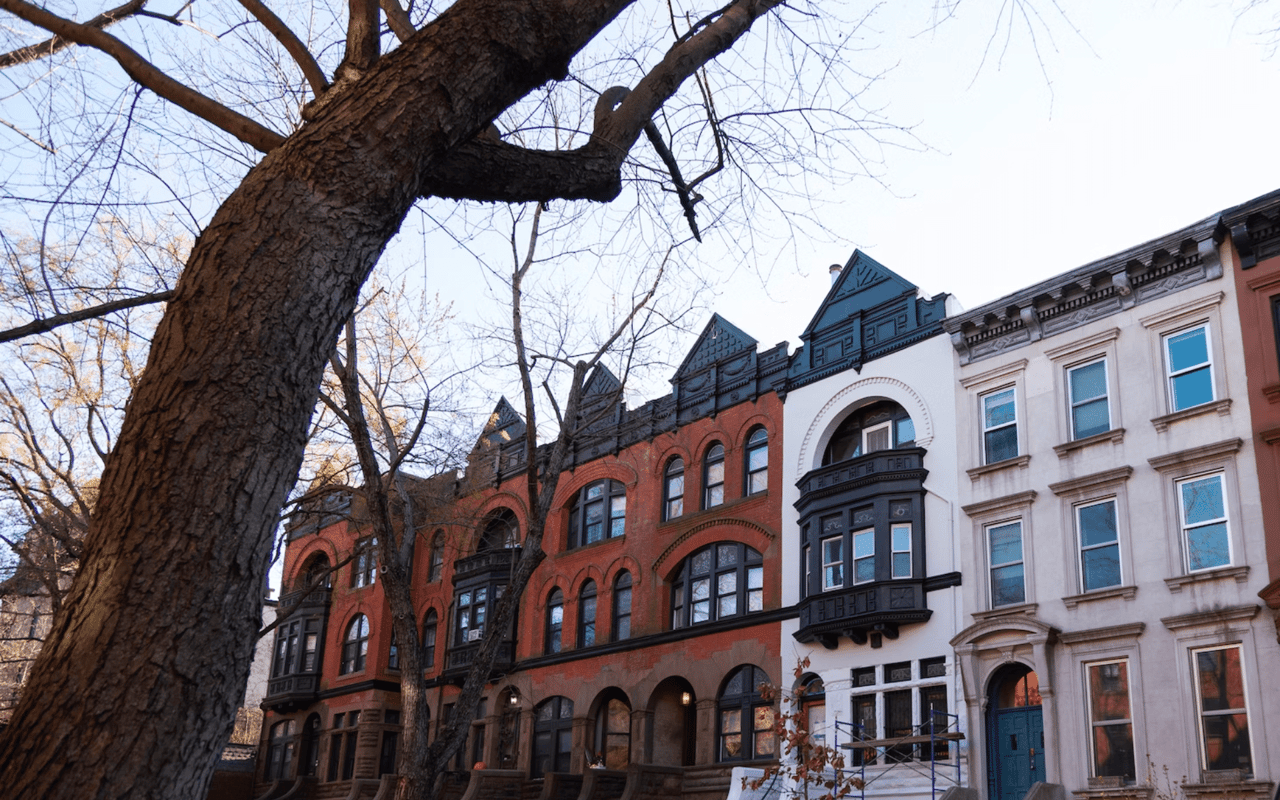
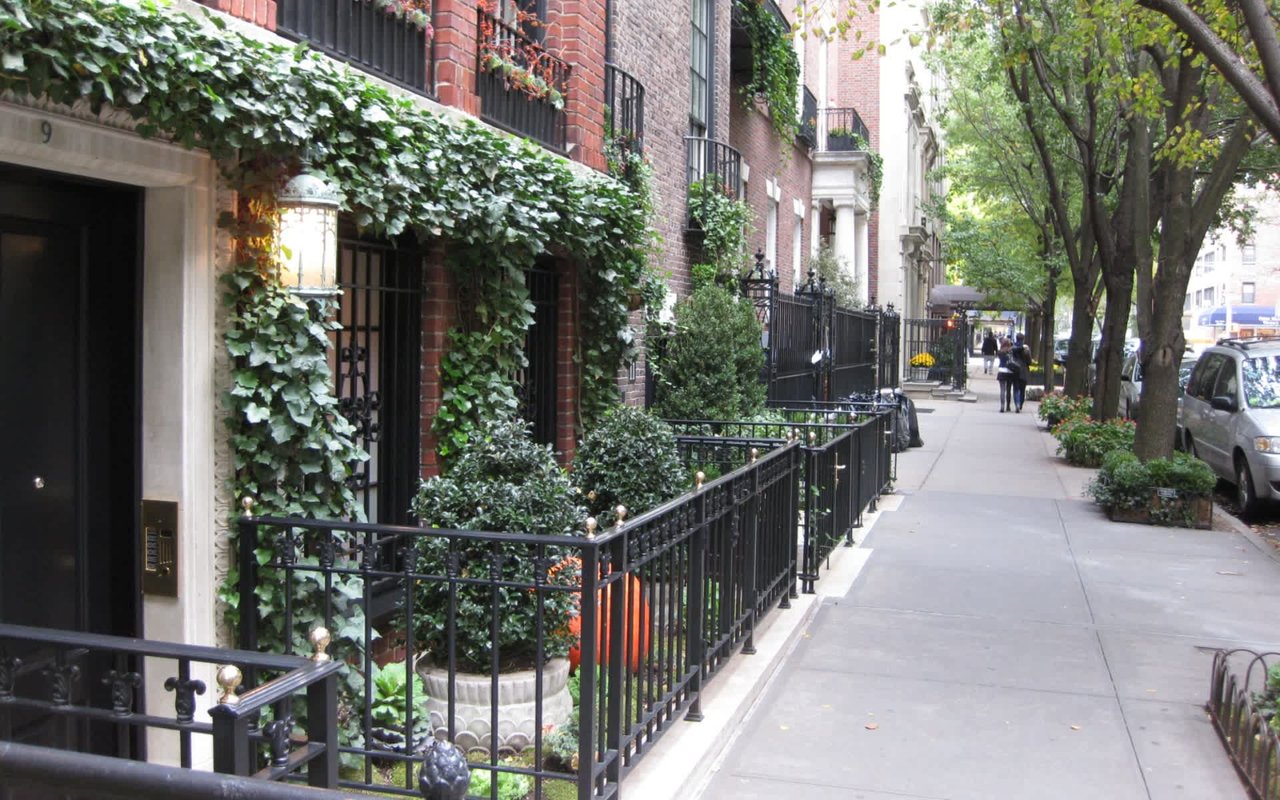
If you want a more house-like experience, Upper West Side brownstones and rowhouses offer a very different rhythm from apartment living. These homes are especially tied to the neighborhood’s landmarked side streets and historic corridors, including areas such as the West End-Collegiate and Riverside Drive historic districts.
For many buyers, the draw is straightforward. A townhouse or rowhouse can offer a private entry, stoop or stair circulation, fewer shared amenities, and a greater sense of separation from neighbors than a larger apartment building.
That said, this housing style usually comes with more direct owner responsibility, or responsibility shared through a smaller board structure if the property is divided. On designated blocks, exterior work often requires Landmarks Preservation Commission review, which can affect changes to windows, façades, and additions.
Townhouse Living Is More Hands-On
Compared with a full-service building, townhouse ownership often means fewer built-in services and more direct involvement in maintenance decisions. For some buyers, that is a plus because it offers more privacy and a more individualized living experience.
For others, it may feel like too much operational responsibility. The right fit depends on whether you value autonomy and house-style living more than convenience and building-managed support.
What New Glass Condos Bring to the Mix
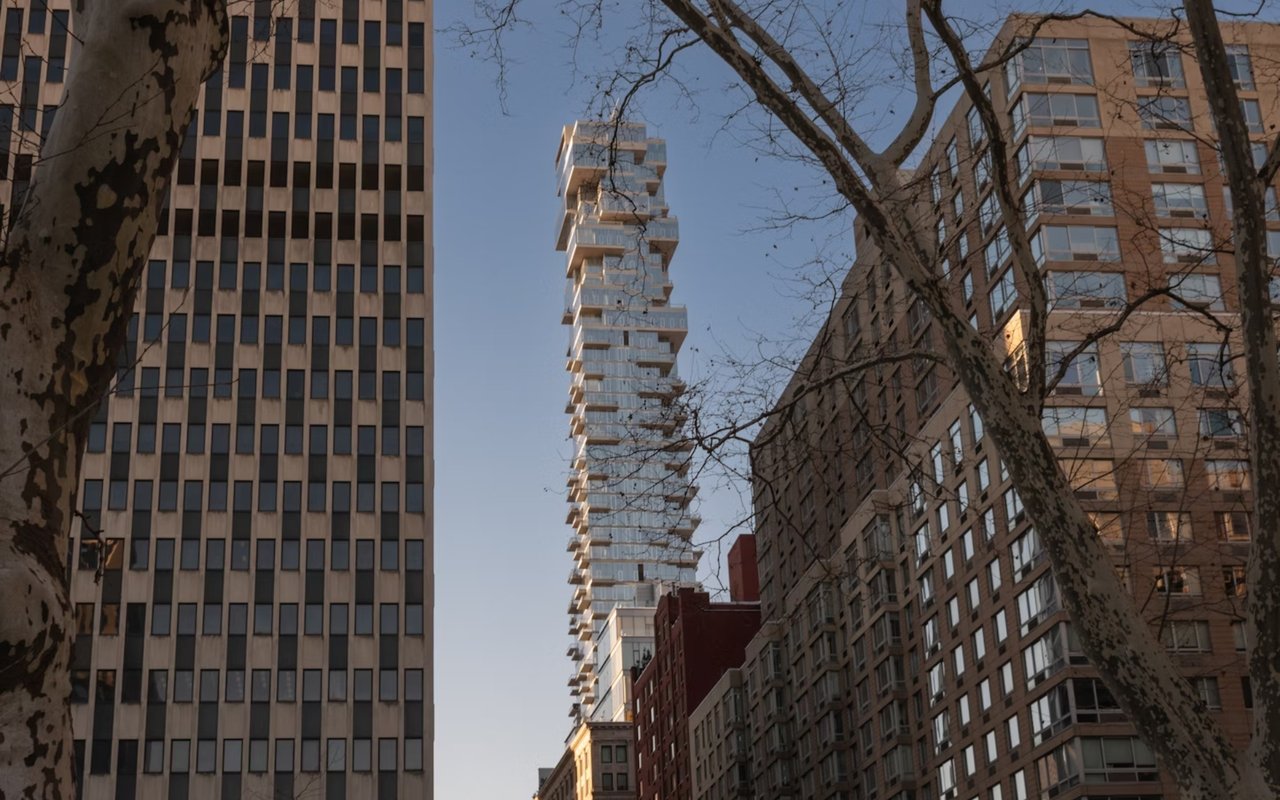
Newer condo development on the Upper West Side is real, but it has been incremental rather than overwhelming. According to Furman Center, 6,297 units in buildings with four or more units were built between 2010 and 2025. In 2025, 37 units were authorized by new residential permits and 166 units received certificates of occupancy.
That tells you something important about the local market. New construction exists, but it has not erased the neighborhood’s older housing identity.
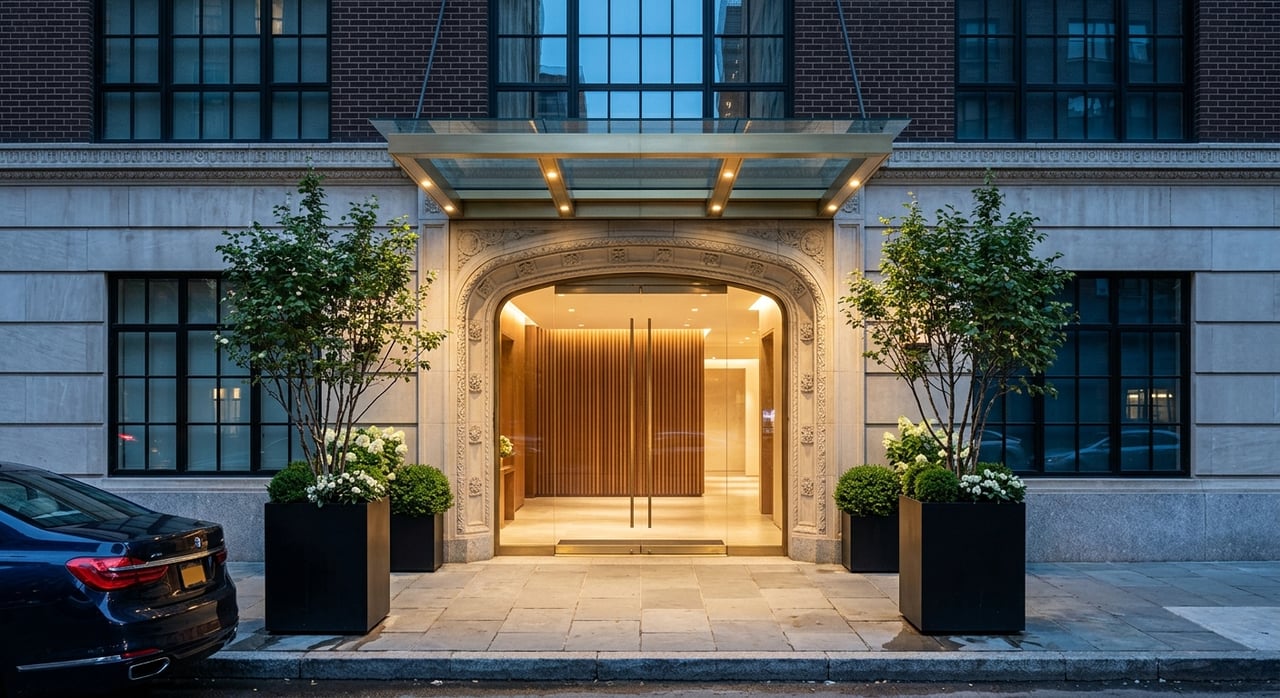
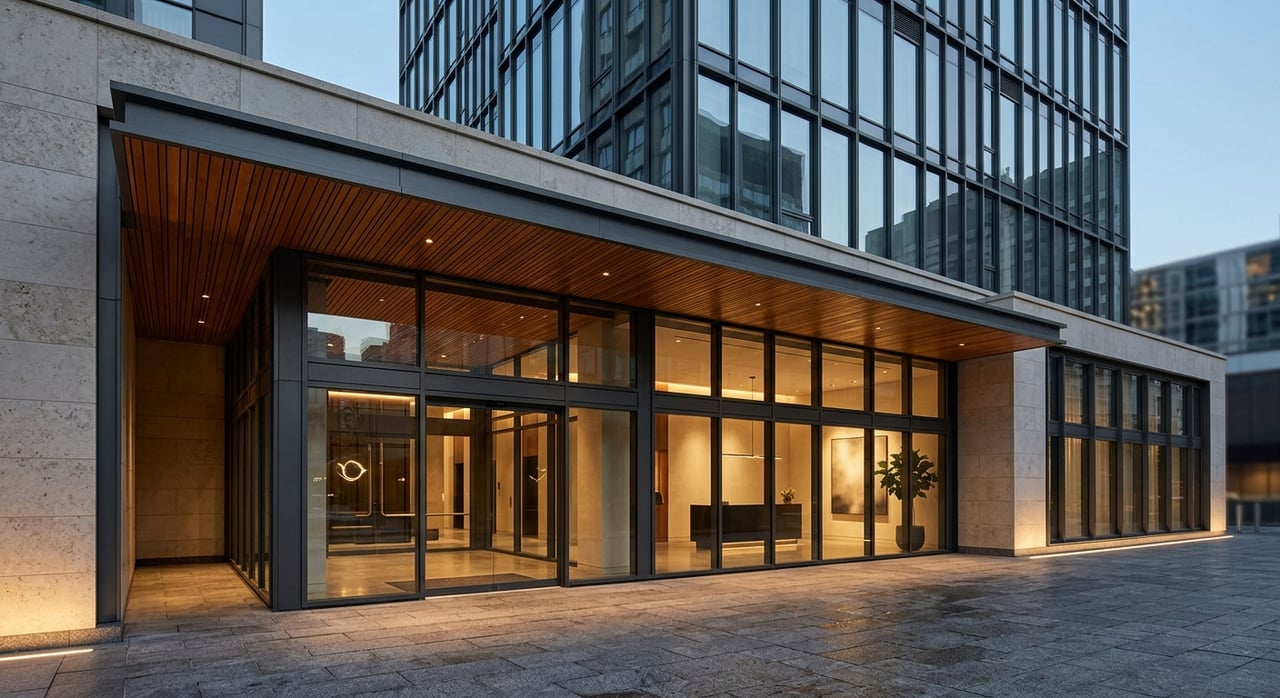
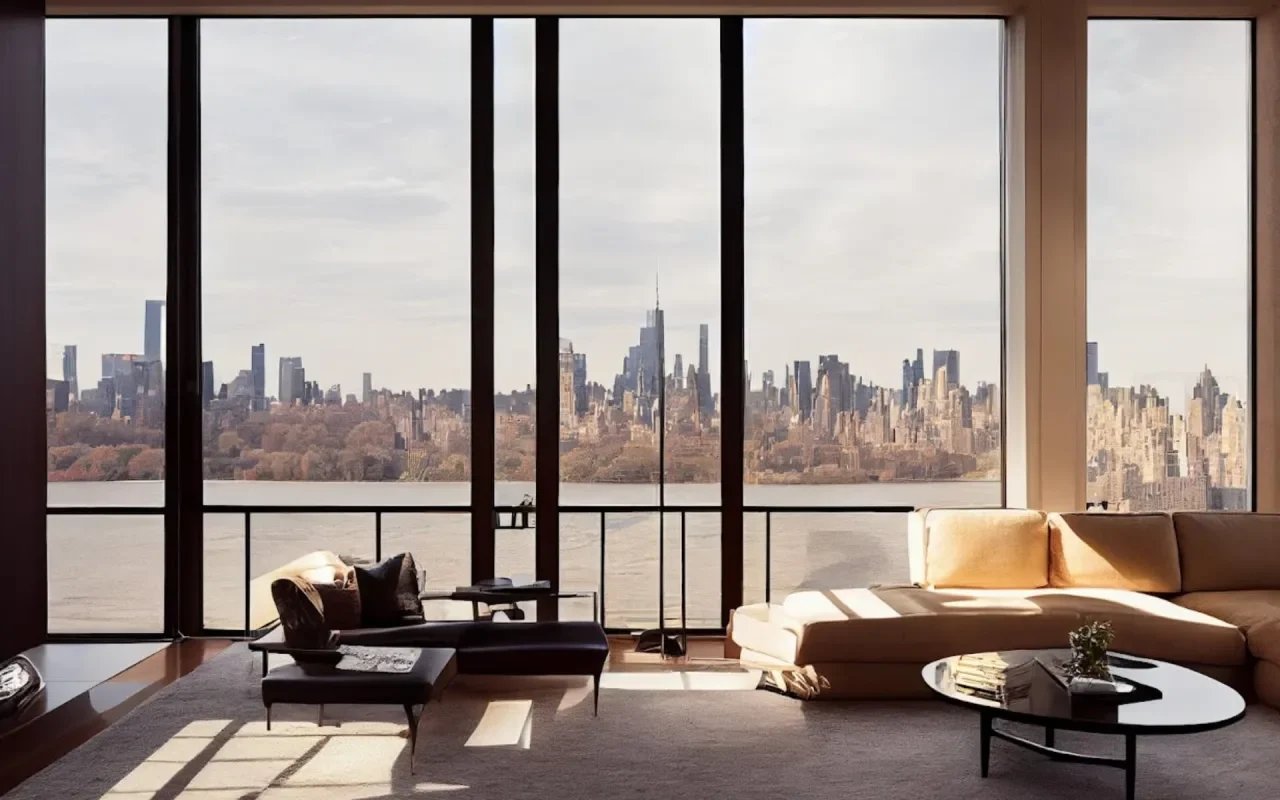
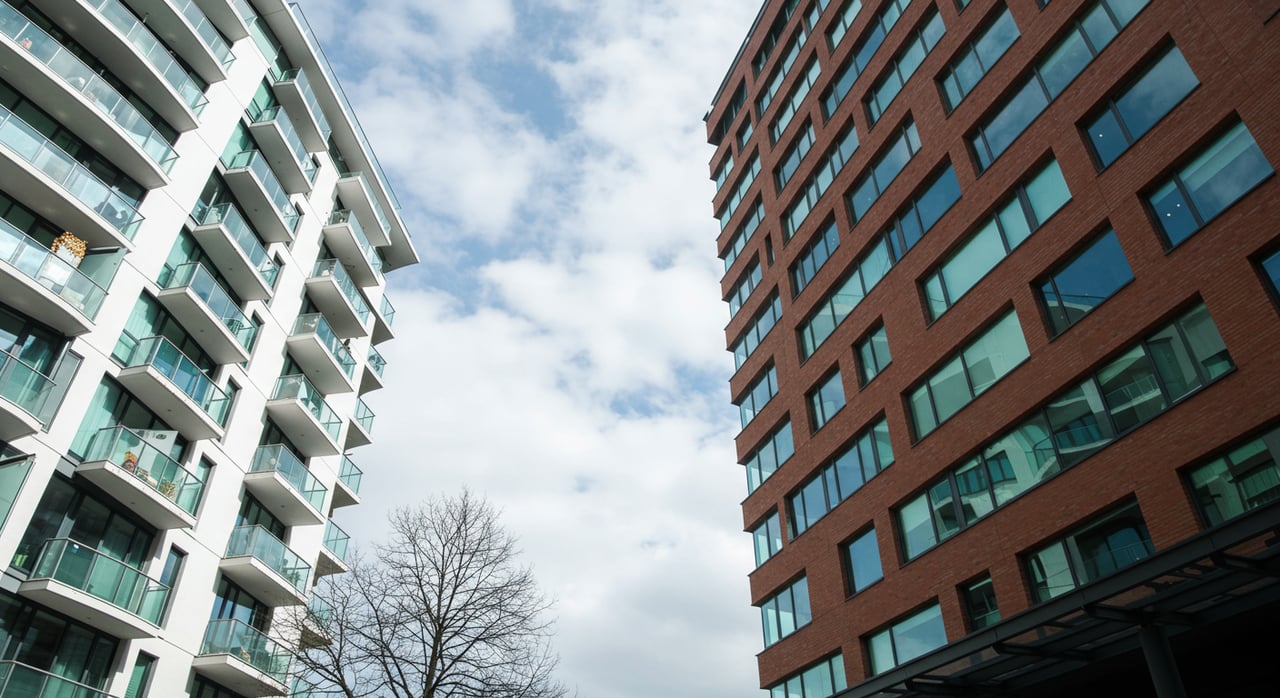
For buyers who prefer a more contemporary product, newer condo towers typically offer current building systems, modern façades, and clearly defined amenity packages. The New York State Attorney General notes that for new condos, the offering plan, not marketing copy, controls what is actually being delivered.
Verify Amenities Carefully
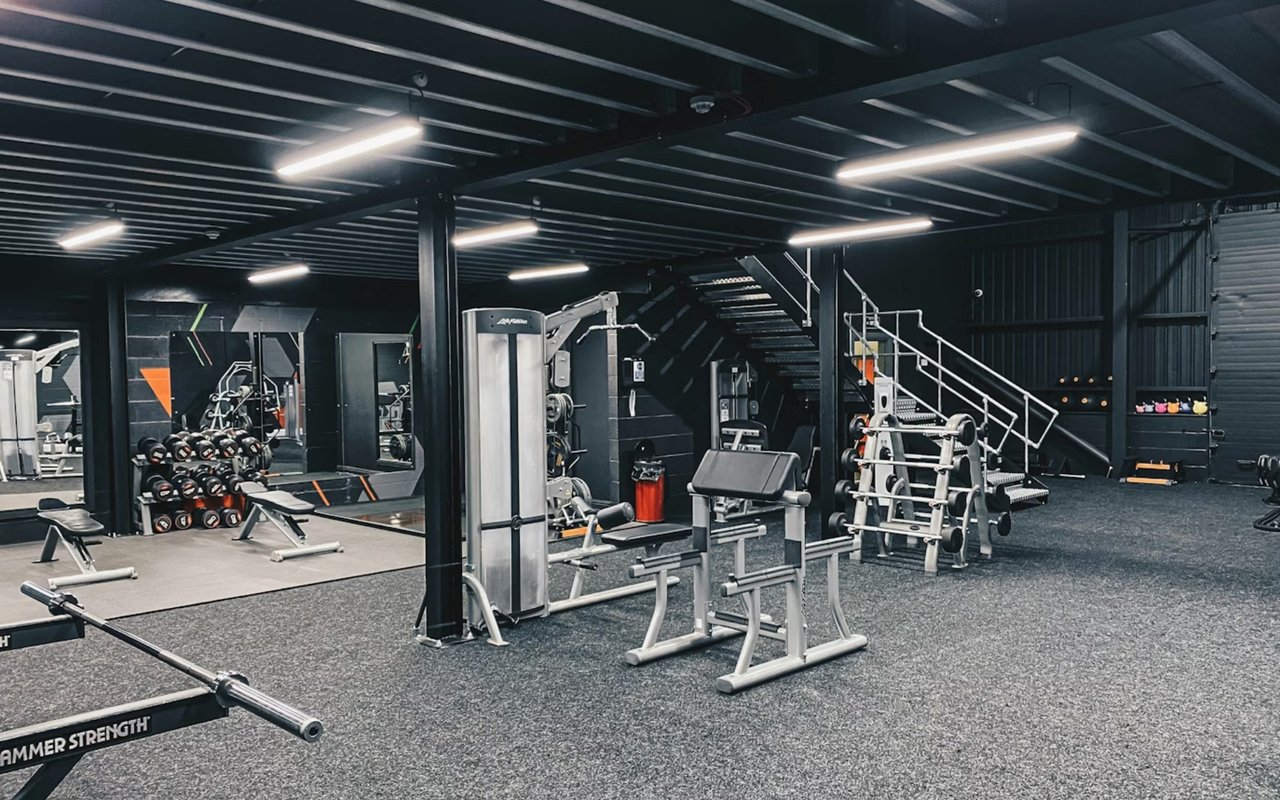
That matters if you are comparing buildings based on shared spaces and services. Features such as recreational facilities, parking, rooftop cabanas, landscaping, appliances, and other amenities should be confirmed through the offering plan.
In other words, newer glass buildings often offer a cleaner and more explicit package, but you still need to verify the details carefully. On a high-value purchase, the difference between what is advertised and what is contractually promised is not a small point.
How to Compare Housing Styles on Tour
If you are touring different Upper West Side properties in the same week, it helps to compare them through a practical lens. Style matters, but function matters more once you actually live there.
Here are some of the most useful comparison points:
Compare Layout and Daily Flow
Older buildings and newer towers often solve space in different ways. As you walk through, pay attention to room separation, circulation, and storage rather than focusing only on square footage or finishes.
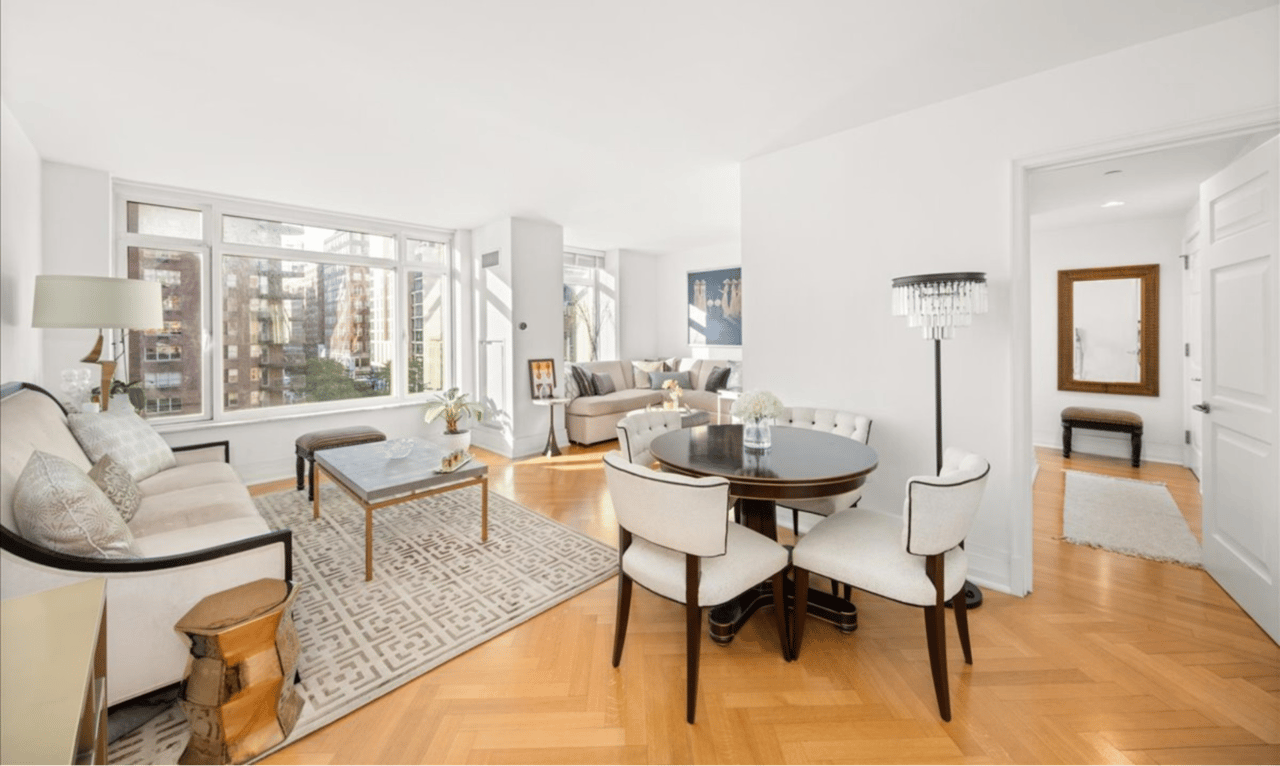
A traditional layout may offer more defined rooms, while newer construction may lean toward more open planning. Neither is automatically better. The question is how the space supports your daily routine.
Review Systems and Building Condition
In prewar buildings especially, windows, plumbing, electrical, heating and cooling, elevators, roof condition, and façade maintenance all deserve close attention. These are not background details. They are part of the real cost and experience of ownership.
Even in a renovated apartment, older building systems can still shape future expenses or project timing. Looking carefully at the building itself can help you avoid making a decision based only on surface appeal.
Understand Service and Amenity Differences
Lifestyle on the Upper West Side is often less about driving and more about the level of building support you want. In broad terms, many buyers are choosing between full-service convenience, townhouse privacy, and the older-building character that can come with more historic maintenance.
If you are considering new development, verify which amenities are actually promised. If you are considering a rowhouse or smaller building, think through what is not included and whether that suits your preferences.
Factor in Alteration Limits
If a building is landmarked, exterior changes typically require review by the Landmarks Preservation Commission. That can affect projects like window replacement, façade work, and additions.
For some buyers, that level of oversight helps preserve the look and feel they value. For others, it may limit flexibility. It is worth understanding that tradeoff early in your search.
Which Upper West Side Style Fits You Best?
If you are drawn to history, architectural character, and established streetscapes, prewar co-ops and rowhouses may feel like the clearest expression of the Upper West Side. If you want modern systems, contemporary finishes, and more defined amenity packages, newer glass condos may align better with your priorities.
In reality, most buyers are not choosing between old and new in the abstract. They are choosing between maintenance style, privacy, service level, layout, and how much certainty they want around systems and amenities.
That is why the best search process here is both visual and analytical. On the Upper West Side, charm matters, but so do the building’s bones, rules, and long-term fit with your lifestyle.
If you are comparing prewar apartments, townhouses, or newer condos on the Upper West Side, working with an experienced local broker can help you cut through surface impressions and focus on the details that really drive value. To discuss your search or sale strategy, contact Kobi Lahav.
FAQs
What housing styles are most common on the Upper West Side?
- The Upper West Side is primarily made up of prewar apartment houses, attached rowhouses and townhouses, and newer high-rise infill, with a large share of housing built in 1939 or earlier.
What should buyers check in an Upper West Side prewar co-op?
- Buyers should pay close attention to building condition, including the façade, roof, elevators, windows, plumbing, electrical systems, HVAC, and other major maintenance items.
What makes an Upper West Side brownstone different from a condo building?
- A brownstone or rowhouse usually offers a more house-like setup with a private entry, stair circulation, fewer shared amenities, and more direct owner responsibility than a larger condo building.
What should buyers confirm in an Upper West Side new condo?
- Buyers should verify amenities and building features through the offering plan, since that document controls what is contractually promised.
Do landmark rules affect Upper West Side buildings?
- Yes, in designated buildings and historic districts, many exterior changes such as façade work and some window projects typically require Landmarks Preservation Commission review.
Is the Upper West Side more car-oriented or transit-oriented?
- The neighborhood is strongly transit-oriented, with Furman Center reporting a 90.4% car-free commute rate in 2024.