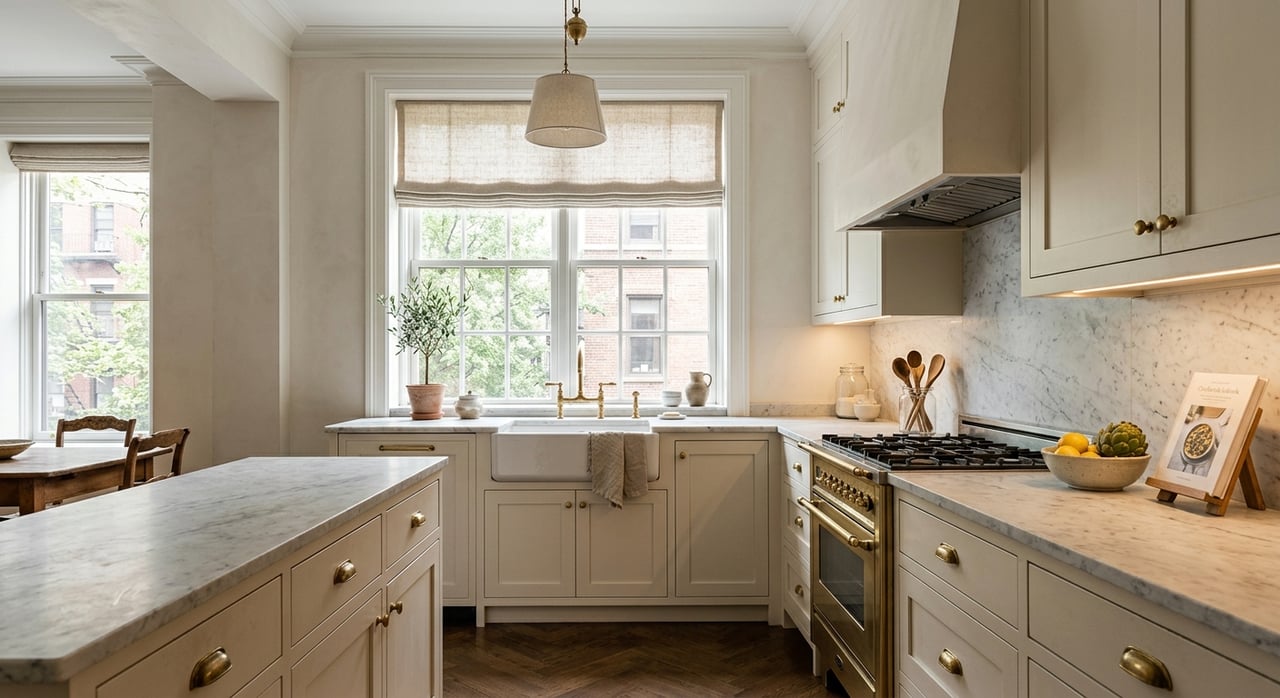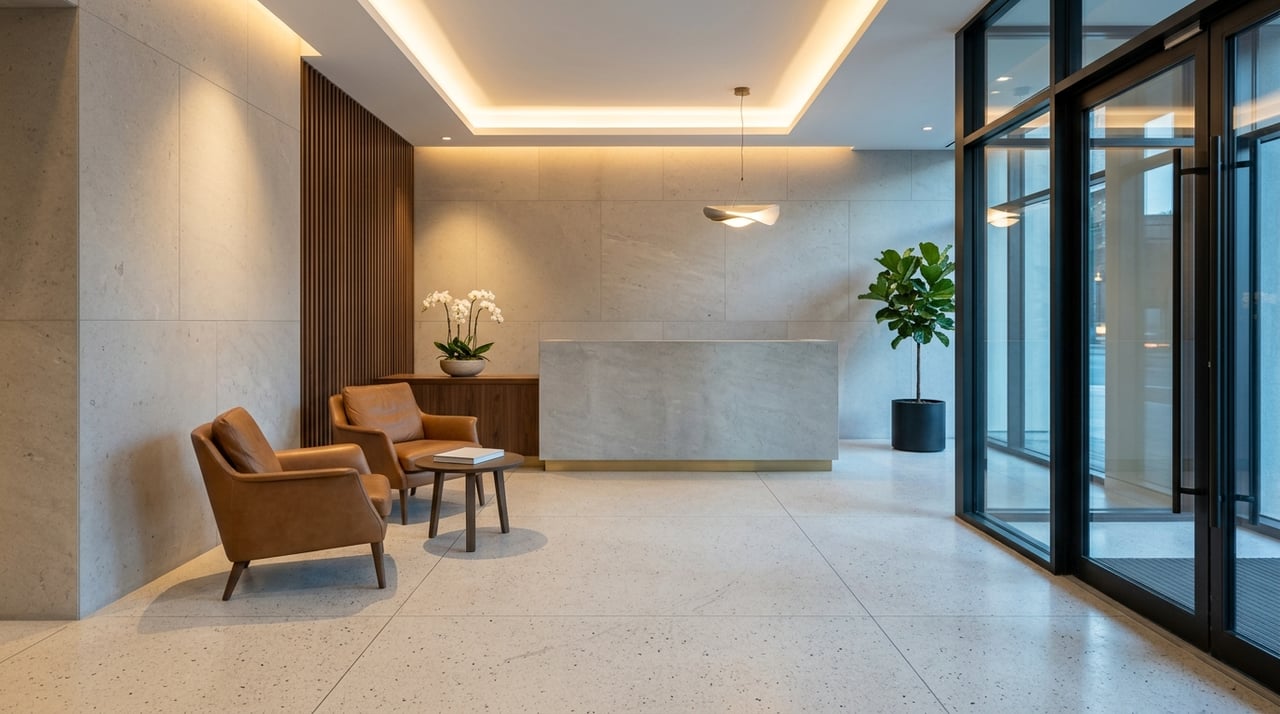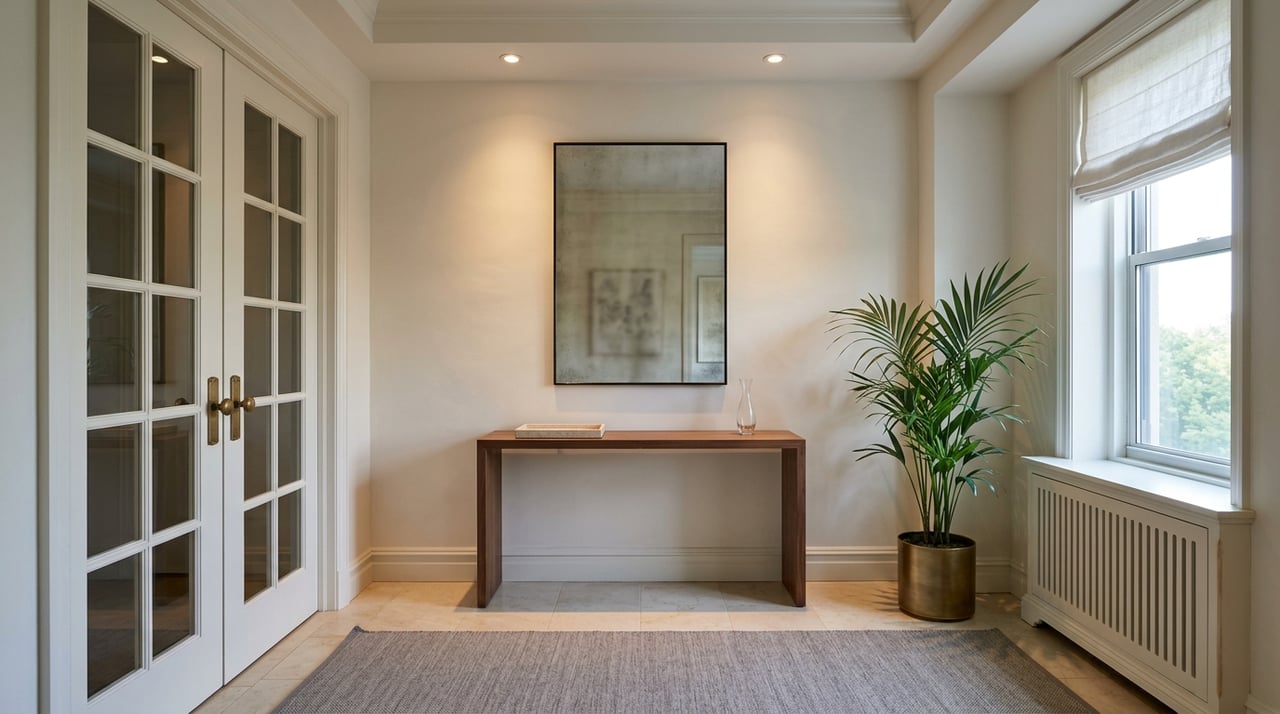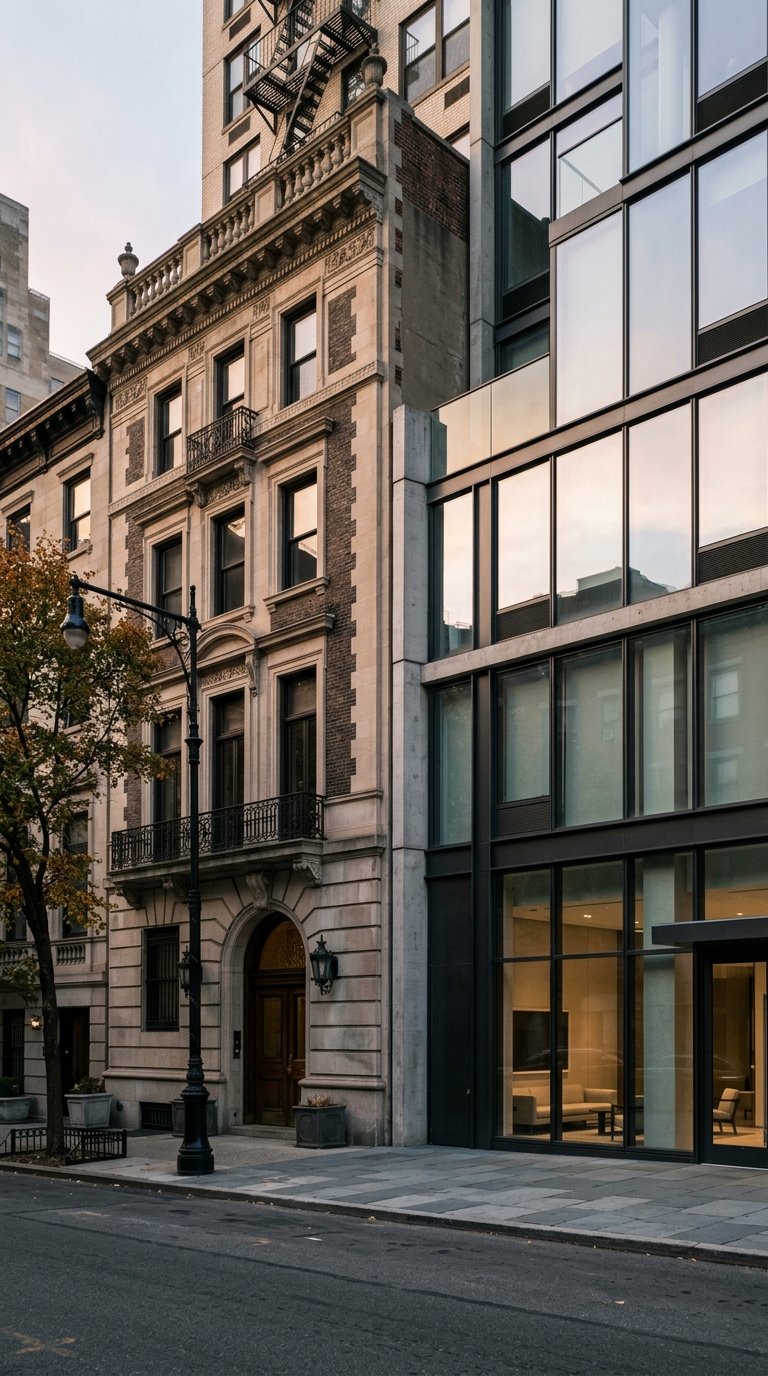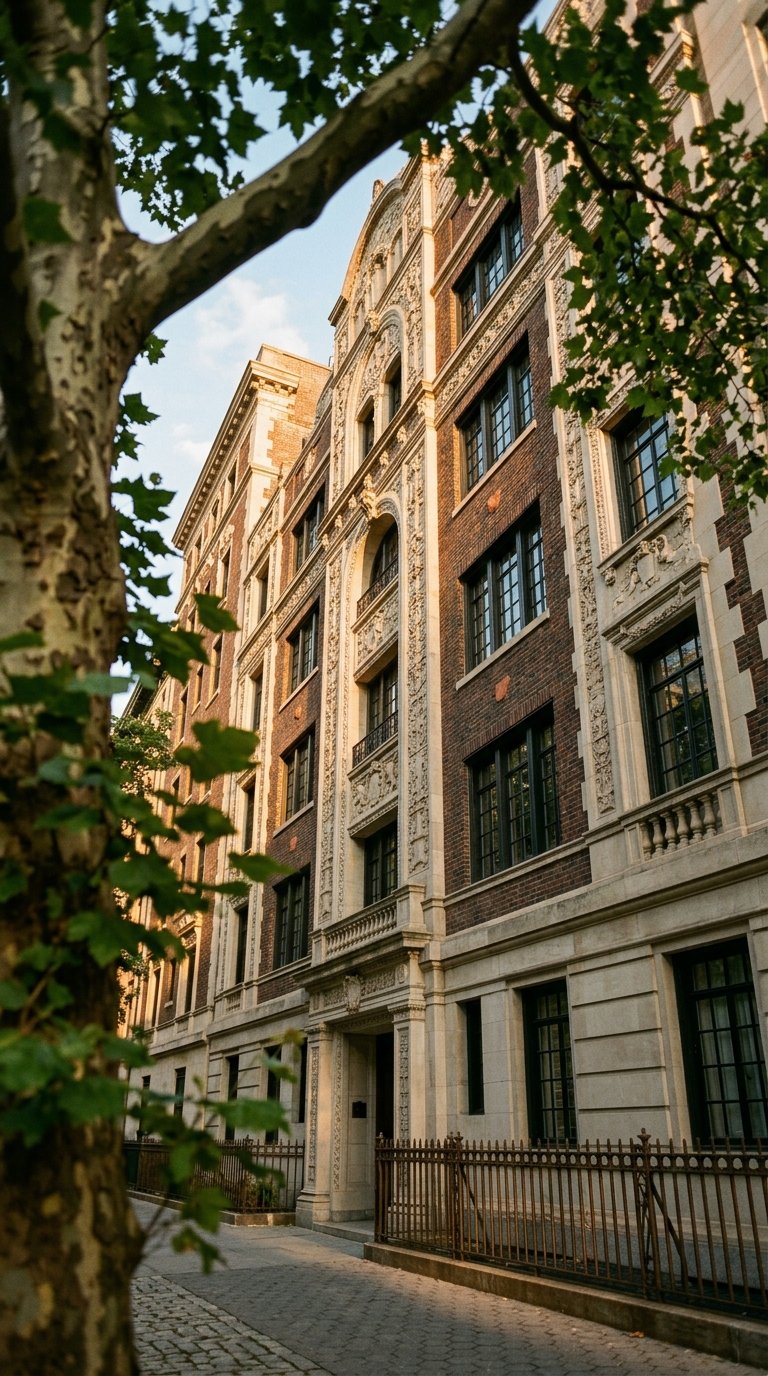
If you are buying on Central Park West, the first big decision may not be the apartment itself. It may be whether you should buy in a co-op or a condo. That choice affects your approval process, your monthly costs, your closing expenses, and your flexibility later on. If you understand the tradeoffs before you start touring seriously, you can make a smarter move with less friction. Let’s dive in.
Why building type matters on Central Park West
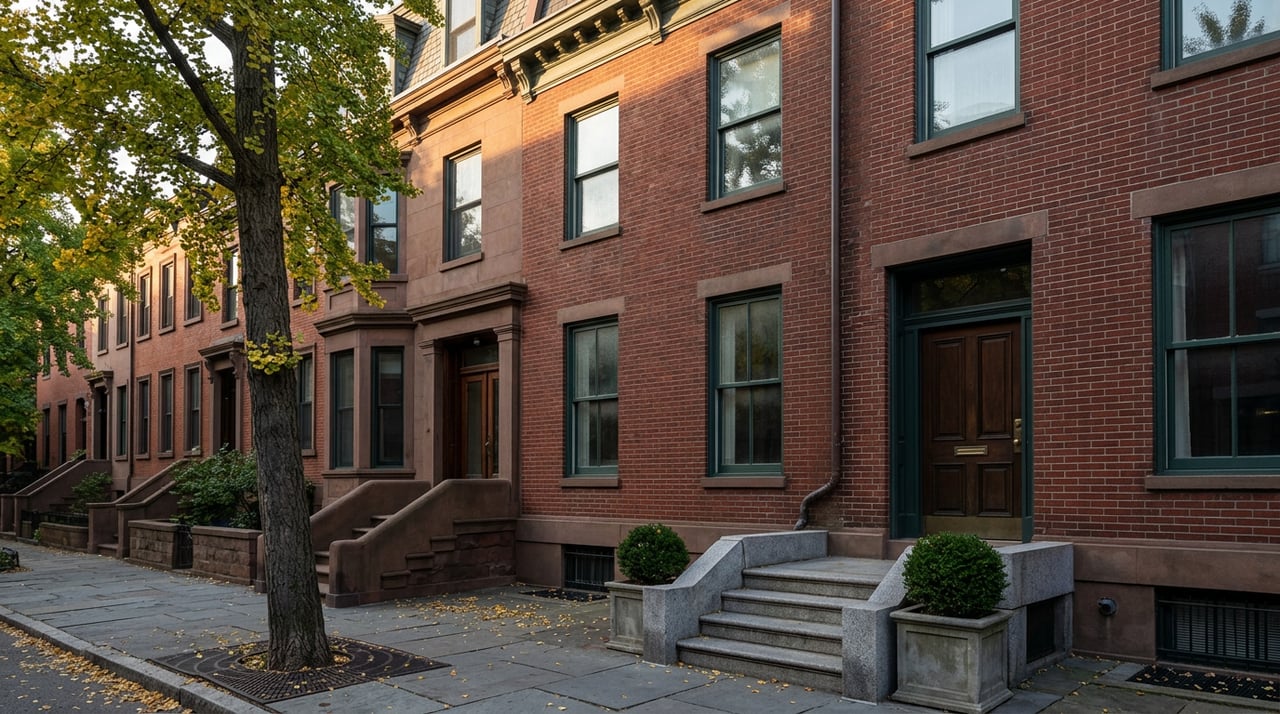
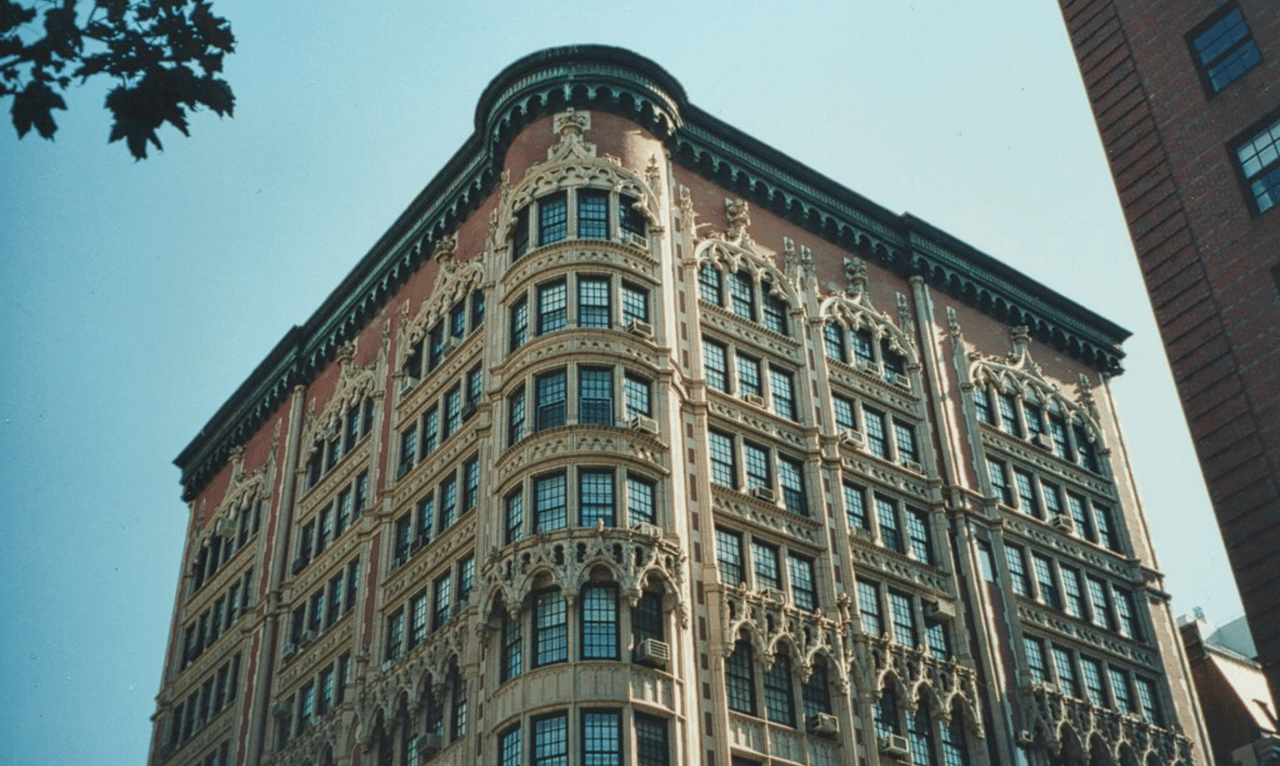
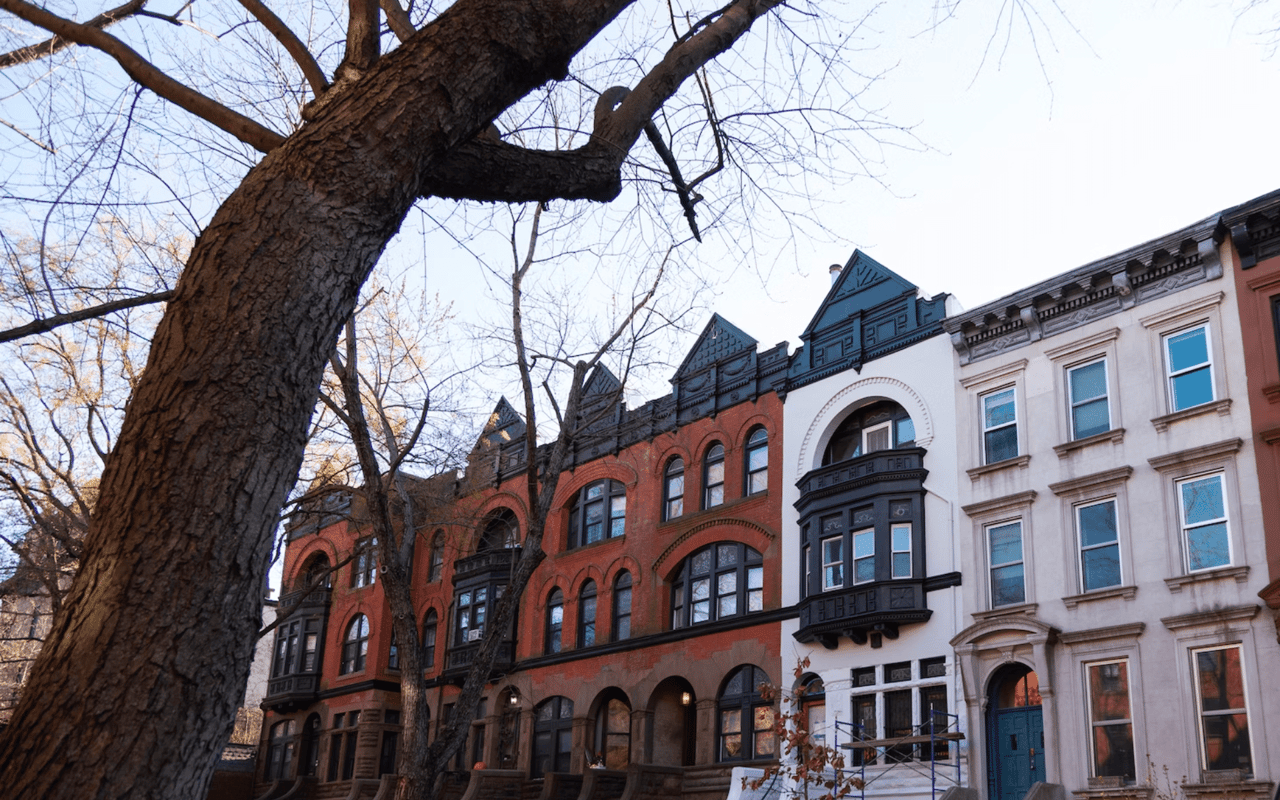
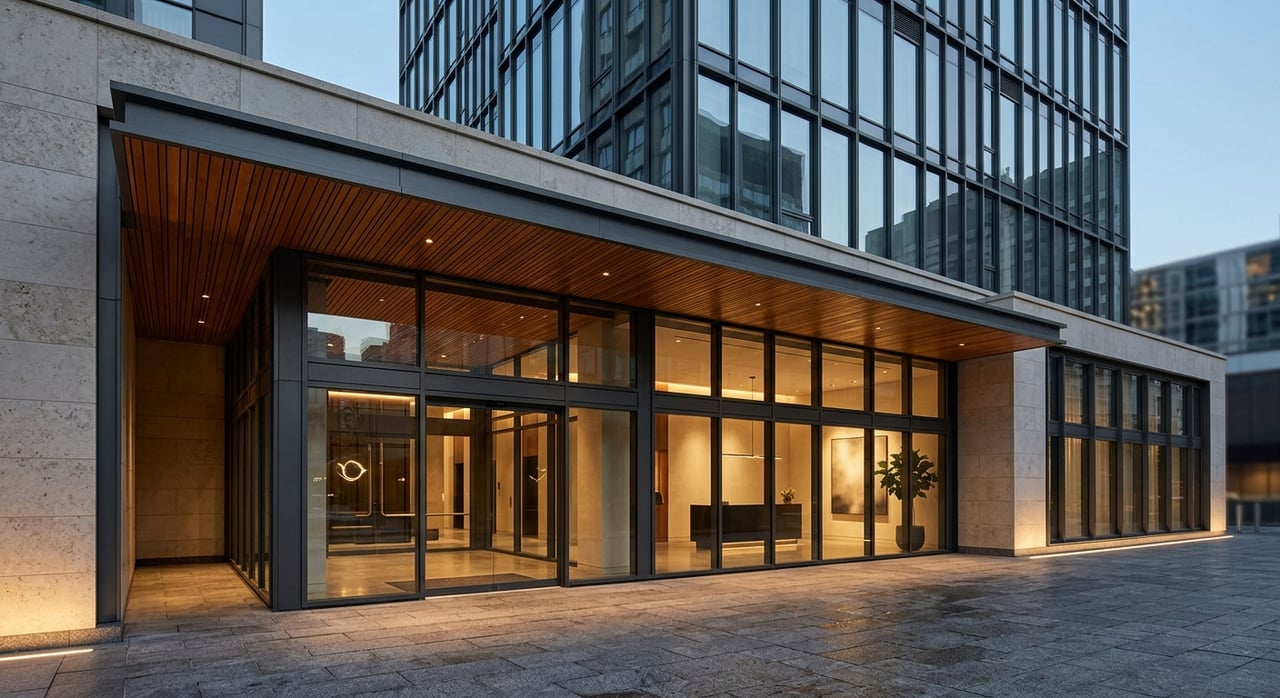
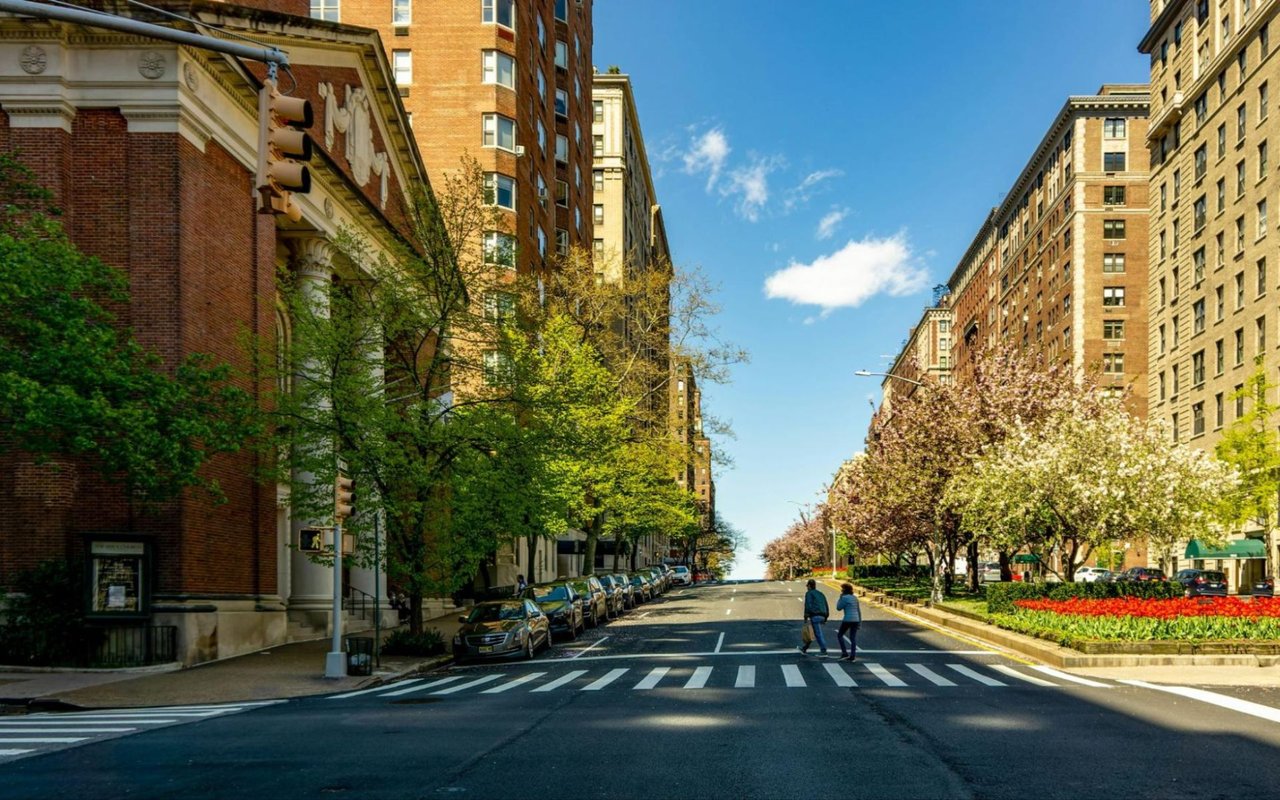
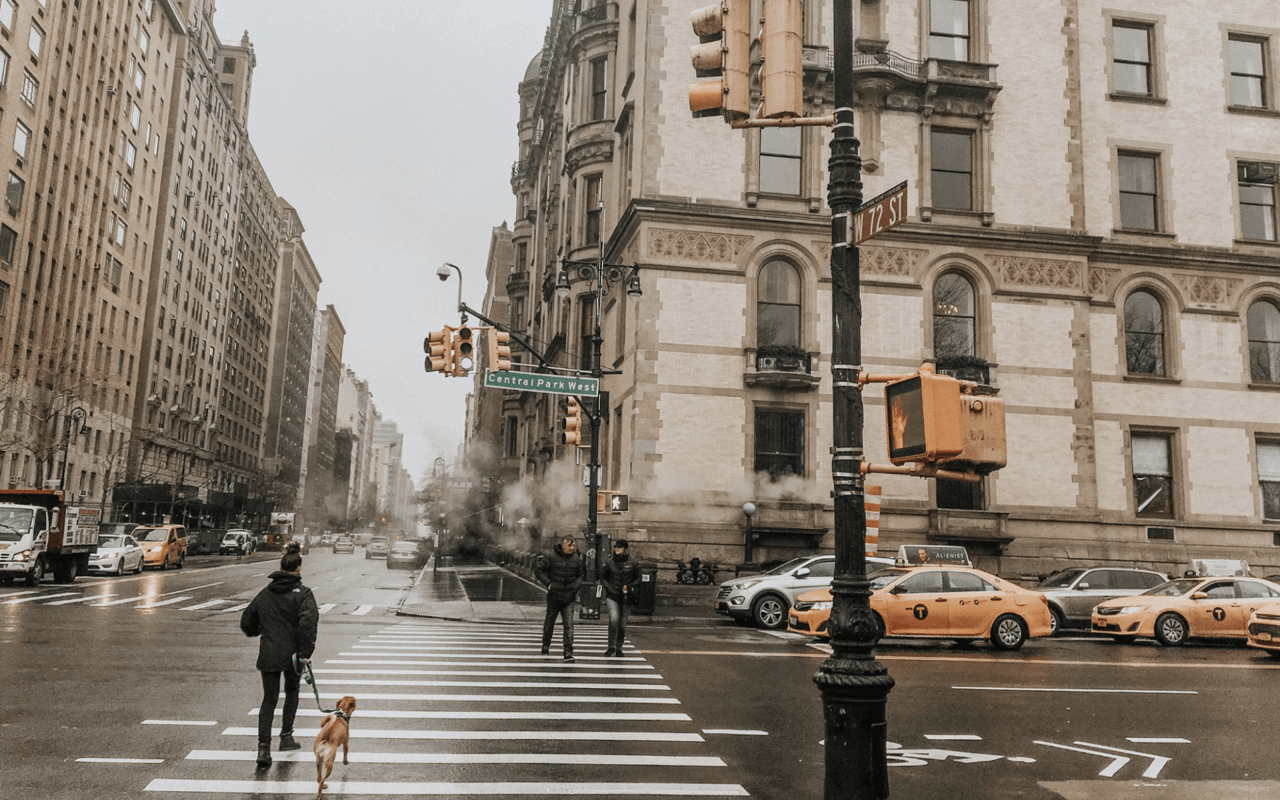
Central Park West is one of Manhattan’s most recognizable residential corridors, with a mix of landmark prewar co-ops and a smaller number of luxury condos. That mix includes well-known co-ops such as The Beresford, The Eldorado, and The Century, alongside condos like One Central Park West and 15 Central Park West. Because availabilities in many of these buildings are limited, buyers often narrow their search by building type just as much as by block, layout, or park view.
On Central Park West, this is especially important because the ownership structure shapes the entire experience. It changes what you are actually buying, how the board may review you, how your monthly charges work, and what happens if you want to rent the apartment out later. In a market this competitive and expensive, those details matter.
Co-op ownership on Central Park West
In a co-op, you do not buy the apartment as direct real property. You buy shares in the corporation that owns the building, and you receive a long-term proprietary lease for your unit. Your monthly payment is usually called maintenance.
That maintenance can cover building operations and may also include property taxes and, in some cases, the building’s underlying mortgage. For many buyers, that means the monthly number may look simpler on paper, but you still need to understand what is built into it. A lower purchase price does not always mean a lower total cost of ownership.
Co-op boards and review process
Co-ops are usually more board-driven than condos. The board governs the corporation through the bylaws and proprietary lease, which often means a more document-heavy approval process. Buyers on Central Park West should expect the board’s rules and review standards to play a major role in the transaction.
That can affect financing, post-closing plans, and timing. Some co-op boards may limit how much financing you can use, and many buildings have specific expectations around liquidity and financial strength. If you are buying with a future rental plan in mind, this is one of the first areas to review carefully.
Why some buyers prefer co-ops
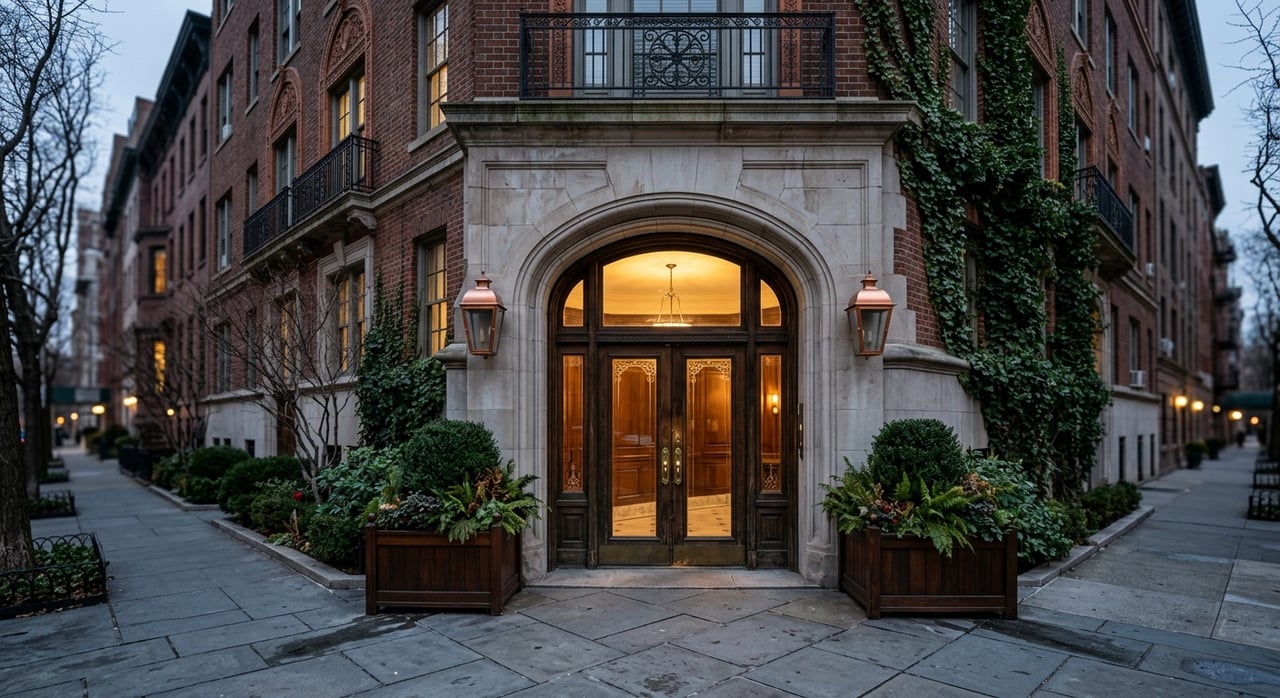
For some buyers, the appeal of a co-op is clear. Many of Central Park West’s classic prewar homes are co-ops, and they offer the architectural character and building oversight that many purchasers actively want. If you value a more owner-occupied environment and you are comfortable with a structured approval process, a co-op may be the right fit.
Condo ownership on Central Park West
In a condo, you own the unit itself as real property and also hold an undivided interest in the common areas. Instead of maintenance, you typically pay common charges for shared building costs, plus your own separate property taxes. That structure is more familiar to many buyers coming from outside New York City.
For relocation clients, international buyers, and anyone who wants a more straightforward ownership model, condos can feel easier to understand. They also tend to offer more flexibility after closing, especially if your plans may change in a few years.
Why condos often feel more flexible
Condos are governed by their declaration and bylaws, but unit ownership remains direct real property ownership. In practice, that usually means a less intrusive purchase process than a co-op and more flexibility around future use. Condos are typically more accommodating for rentals, resale, and pied-à-terre use.
That matters if you may relocate, split time between cities, or want to preserve options. On Central Park West, where many buyers are thinking not just about lifestyle but also about long-term positioning, that flexibility can be worth a premium.
Co-op vs condo: the practical difference
The cleanest way to compare the two is this: co-ops usually offer more building control, while condos usually offer more owner flexibility. Neither is automatically better. The right answer depends on how you plan to use the apartment and how much process you are willing to accept.
Here is a simple side-by-side view:
| Topic | Co-op | Condo |
|---|---|---|
| What you own | Shares in a corporation and a proprietary lease | Direct ownership of the unit as real property |
| Monthly charges | Maintenance | Common charges plus separate property taxes |
| Approval process | Usually more board-driven and document-heavy | Usually more streamlined |
| Financing | Board may limit financing | Often easier to finance |
| Future flexibility | Often stricter on sublets and pied-à-terre use | Typically more flexible for rentals and resale |
| Mortgage recording tax | Generally not applicable to individual co-op apartments | Applies to financed purchases of real property |
Closing costs can change the math
On Central Park West, many buyers focus first on price per square foot or monthly charges. That makes sense, but closing costs can materially change your total cash needed to close.
New York City applies the same real property transfer tax rates to individual condo units and individual co-op apartments: 1% up to $500,000 and 1.425% above that. New York State also imposes a 1% mansion tax on residential purchases at $1 million or more, and there are additional state transfer taxes in New York City at the $2 million and $3 million thresholds.
In general, the seller pays the base transfer tax, while the buyer typically pays the mansion tax and any applicable supplemental state transfer tax. The major difference for many Central Park West buyers is mortgage recording tax. Financed condo purchases trigger mortgage recording tax because the mortgage is recorded on real property, while individual co-op apartments generally do not incur mortgage recording tax liability.
Why co-ops may be cheaper to close
This is one reason buyers often hear that co-ops can be cheaper to close. If you are financing, avoiding mortgage recording tax can make a real difference. At the same time, a condo may still be the better match if you want easier financing or more flexibility later.
This is why you should not compare only the asking price. You need to look at your full cash outlay, carrying costs, and likely exit options together.
Monthly costs need a closer look
Monthly ownership costs are structured differently in co-ops and condos, and that can make side-by-side comparisons tricky. In a co-op, maintenance may include property taxes and possibly the building’s underlying mortgage. In a condo, common charges cover shared building expenses, but your property taxes are billed separately.
New York City’s FY2026 class 2 property tax rate is 12.439%. The city also offers a cooperative and condominium property tax abatement through the Department of Finance portal if the building qualifies. When you review a Central Park West opportunity, it is worth confirming whether that abatement applies because it can affect your ongoing ownership cost.
Due diligence matters even more in older CPW buildings
Because so many Central Park West properties are older prewar buildings, due diligence should go beyond finishes and floor plans. The New York Attorney General specifically flags facade, roof, elevator, plumbing, electrical, and boiler issues as some of the most expensive building items in existing properties.
That means your review should focus on building condition as much as apartment condition. A beautiful renovation inside the unit does not tell you what may be happening with the roof, risers, elevators, or facade work outside your walls.
Documents worth reviewing
Before signing, the Attorney General recommends reviewing the full offering plan, along with board minutes and financial reports. These records can reveal defects, repair plans, reserve issues, and building-wide expenses that may affect your ownership costs.
On Central Park West, this can be especially important because major capital projects in older buildings can be expensive. If there is a likely assessment or a major repair cycle underway, you want to know that before you commit.
Questions to ask before you buy
Whether you prefer a co-op or condo, these are some of the most useful questions to answer early:
- Does the building allow subletting?
- Does the building allow pied-à-terre use?
- How strict is the board on financing?
- What liquidity expectations does the building have for buyers?
- Are there major capital projects underway?
- Are reserves strong, or is an assessment likely?
- Is the building receiving the NYC co-op or condo tax abatement?
These questions help you connect the apartment to your real-life plan. They also help prevent a common Central Park West mistake: falling in love with a home before confirming that the building works for your financial and lifestyle goals.
Which option fits your plan best
If you want the classic prewar Central Park West experience, are comfortable with a more involved approval process, and do not need much flexibility later, a co-op may be an excellent fit. You may also benefit from lower closing costs if you are financing.
If you want easier future rental options, a more direct ownership structure, or a simpler path for financing and resale, a condo may be the stronger choice. That is often true for relocation buyers, pied-à-terre purchasers, and clients who want more control over future use.
The best choice is rarely about which category is superior. It is about which tradeoff matches how you plan to live, hold, and possibly exit the property.
If you are weighing co-op versus condo on Central Park West, a careful building-by-building review can save you time, money, and frustration. Kobi Lahav can help you evaluate the numbers, the building rules, and the long-term fit so you can buy with more clarity and confidence.
FAQs
What is the difference between a co-op and condo on Central Park West?
- In a co-op, you buy shares in the building corporation and receive a proprietary lease, while in a condo, you own the unit directly as real property.
Are Central Park West co-ops harder to buy than condos?
- Co-ops are usually more board-driven and often require a more detailed approval package, while condos are generally more streamlined.
Do Central Park West condos cost more to close than co-ops?
- They can, especially if you are financing, because financed condo purchases generally trigger mortgage recording tax and individual co-op apartments generally do not.
Are monthly costs lower in a Central Park West co-op?
- Not necessarily, because co-op maintenance and condo common charges are structured differently, and condo owners also pay separate property taxes.
Can you rent out a Central Park West co-op or use it as a pied-à-terre?
- It depends on the building, but co-ops commonly have stricter sublet and pied-à-terre rules than condos.
What building documents should you review before buying on Central Park West?
- You should review the offering plan, board minutes, and financial reports to check for repair plans, reserve issues, and building-wide expenses.
Why is building condition so important in Central Park West properties?
- Many buildings are older prewar properties, so major systems like the facade, roof, elevators, plumbing, electrical, and boiler can significantly affect future costs.