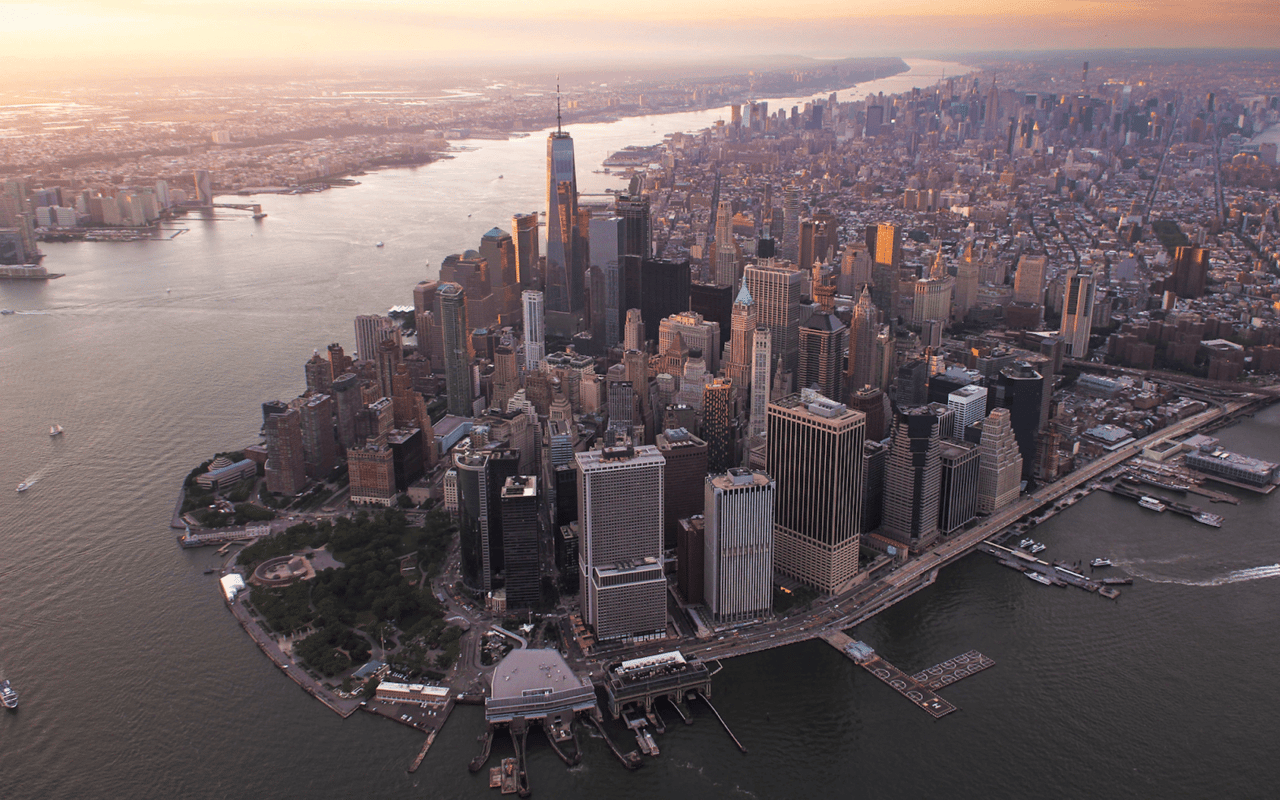
For as long as most current residents have lived here, the closing weekend of The Village Trip has meant one thing: a free concert under the arch, with a crowd spread across the lawns and the dry fountain basin, capping ten days of the neighborhood's own arts festival. This year that doesn't happen. The festival's marquee free show, the one built to send off the season, is moving west out of the park entirely, to Gansevoort Plaza in the Meatpacking District.
That's not a footnote. It's the first real change to the festival's home base since it started, and it changes who ends up there, how you get there, and what you do afterward.
Seven Years in the Same Spot
The Village Trip launched in 2018 with Suzanne Vega headlining a free concert in Washington Square Park, and the pattern held. By 2023, The Village Sun reported that the park concert "takes place as usual on the festival's final Saturday," a line that only makes sense if the venue had become a fixture rather than a choice. The park gave the festival its anchor: a fountain, an arch, a crowd that could spill in from NYU, the West Village, and the East Village without anyone needing a plan.
That's the version of the festival that longtime residents know. It's also the version that ends this year.
The Move to Gansevoort Plaza
For 2026, the festival's own materials call Gansevoort Plaza "an exciting new venue," which is about as close as an organizer gets to admitting a real change of address. The plaza sits in the Meatpacking District, further west and further from the park than the festival has ever staged its headline night. The stated logic isn't subtle: the plaza is ringed by restaurants and bars, and the festival is explicitly framing the night as one where you can watch the show and eat and drink from what's already there, rather than bringing your own blanket and cooler to a lawn.
If you've been going every year, here's what you need for the calendar:
- Date: Saturday, October 3, 2026
- Location: Gansevoort Plaza, Meatpacking District
- Cost: Free
- Headliner: The Slambovian Circus of Dreams
The show is still free, still the closing-Saturday tradition, and still built for a walk-up crowd. What's different is the setting: an open plaza framed by restaurant frontage instead of a park framed by trees and NYU buildings.
The Rest of the Ten Days
The concert move is the headline, but it's one event inside a ten-day run, September 25 through October 4, that's genuinely dense this year. Now in its eighth edition, the festival is built around walking tours that trace specific figures through specific blocks:
- Thomas Paine
- Aaron Burr
- Eugene O'Neill
- The Beat Poets
- Wild Women of the Village
- Dylan and Springsteen
Alongside the tours, the music side leans classical and historical. A tribute to Paul Robeson features bass-baritone James C. Martin and pianist Lynn Raley, with world premiere works written for the occasion by David Amram and Anthony Davis. The Horszowski Trio performs a U.S. premiere alongside a Brahms piano trio. And on the festival's closing day, October 4, the Great Hall at Cooper Union hosts a concert for the Greenwich Village Folk Festival, a separate tradition co-founded in 1987 by Rod MacDonald and Raymond Micek, with Suzanne Vega back on a Village stage for the occasion. There's a comedy night with Lindsey Barnes and Katie Finn on September 29, a Cole Porter tribute on September 28, and children's programming that includes songwriting workshops and a Woody Guthrie program built for families.
Why the Theme Landed This Way in 2026
This year's festival theme is Revolutionary Voices, and the timing isn't incidental. 2026 marks 250 years since the Declaration of Independence, and the festival is using that anniversary as its frame, choosing to spend the year on what organizers describe as celebrating "not Independence but the Revolution that brought it about." The programming follows that thread through people who actually lived and worked in the Village: Woody Guthrie, Paul Robeson, Bob Dylan, Eugene O'Neill, Dorothy Day.
It's a theme that only works because the neighborhood actually produced these figures, and the festival's own description leans into that history directly, built around "the songwriters, composers, authors, actors, artists, and activists whose work began in the Village."
What Changes If You're Actually Going
If your habit has been to wander over to Washington Square Park on the last Saturday of September without much planning, this year needs an actual plan. Gansevoort Plaza sits closer to the 14th Street subway corridor than to the park, so anyone coming from further east in the Village or from NYU-adjacent blocks is looking at a longer walk or a short ride rather than a stroll. The plaza itself is smaller and more contained than the park's open lawns, which likely means less spreading out and more standing among the restaurants and bars that line it.
Most of the rest of the festival, the walking tours, the concerts at Cooper Union and neighborhood churches, the comedy night, runs on a mix of free and ticketed events priced between $10 and $60. Booking for those is already open through the festival's own site.
None of this is a small logistical shuffle. A festival that spent its first seven years defining its biggest night by a specific patch of park just moved that night somewhere else entirely, and residents who've built a September routine around Washington Square Park should build a new one this year.
If you're new to the neighborhood, or you've been here long enough to remember every past location of that concert, Kobi Lahav covers what's actually changing in Greenwich Village and the West Village as it happens, not just what's for sale here. Reach out anytime you want the read on what's next.