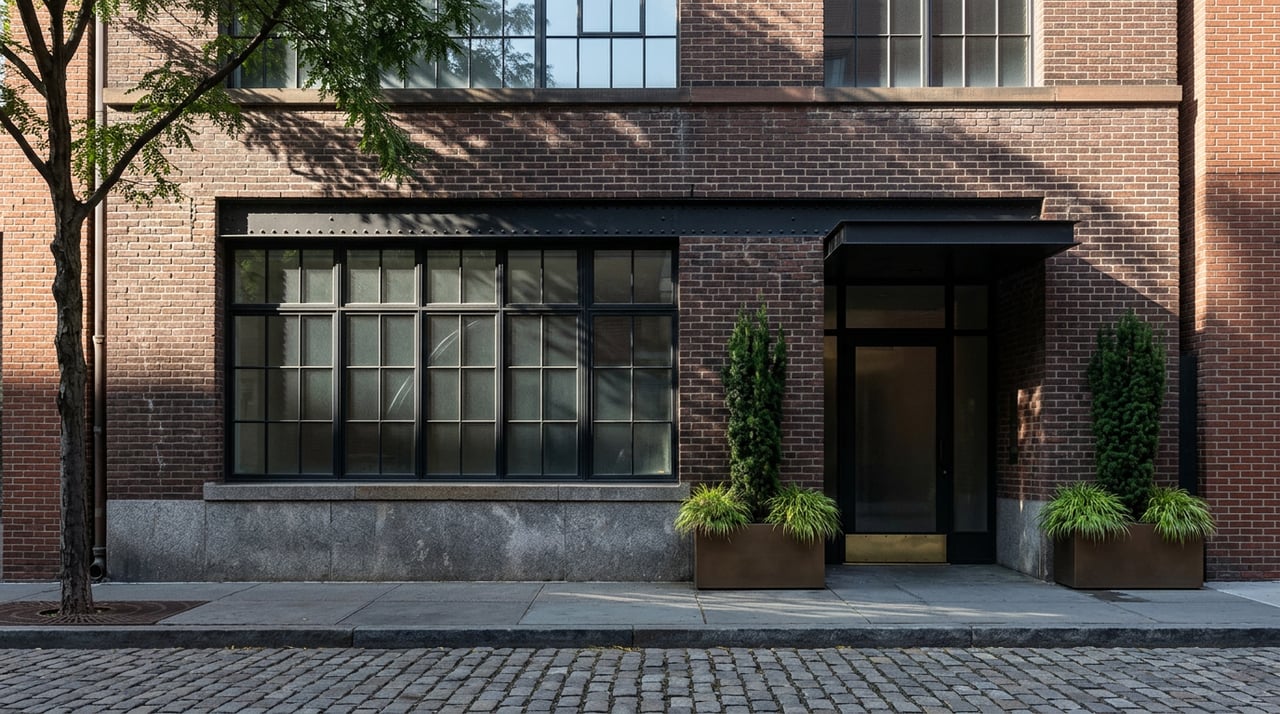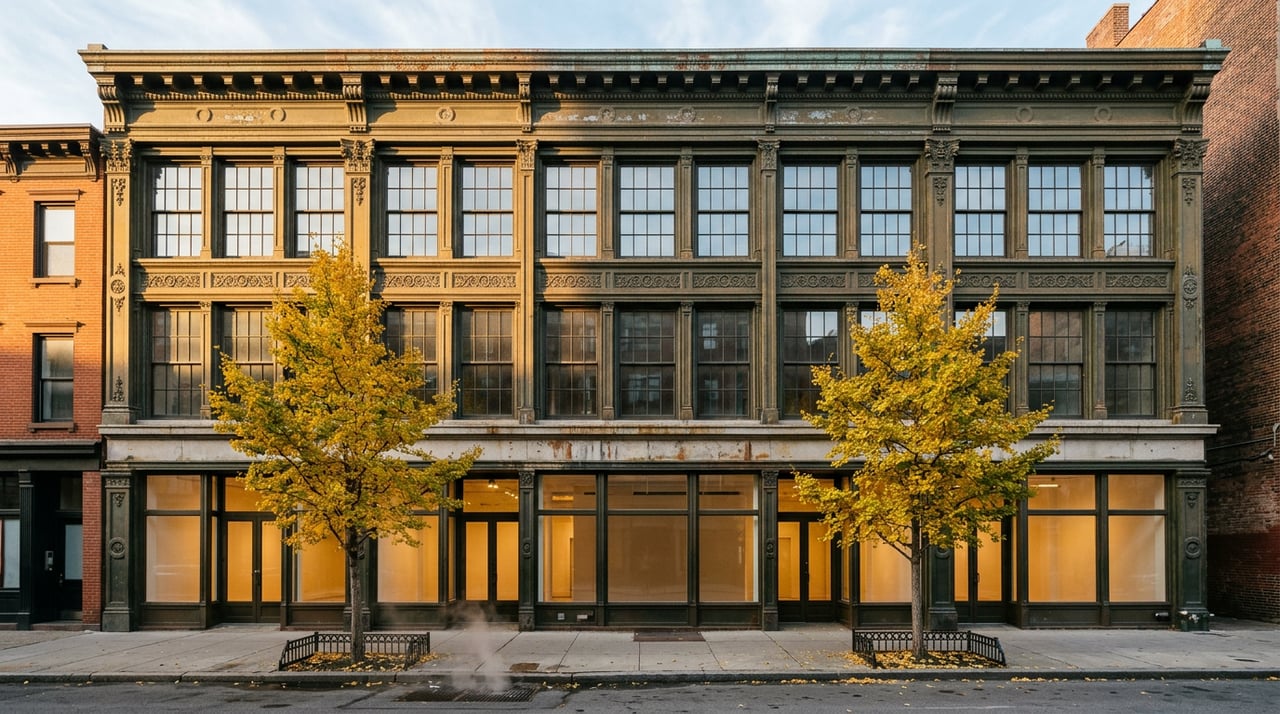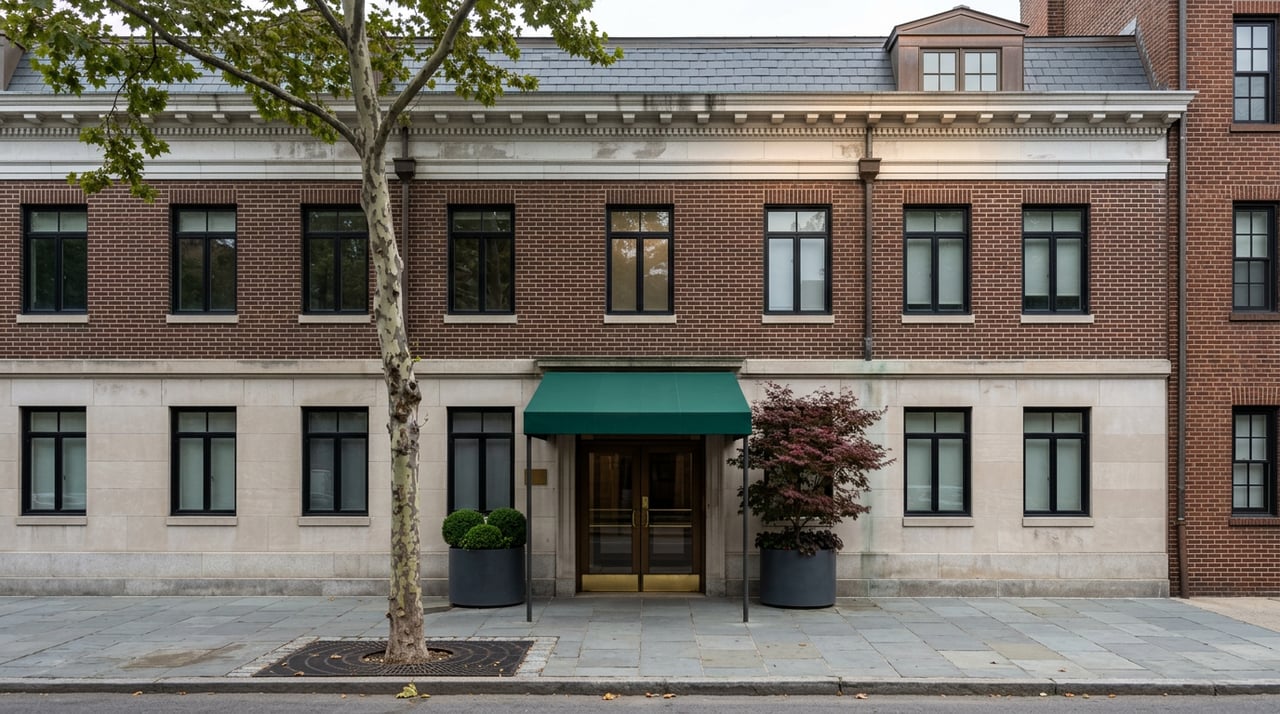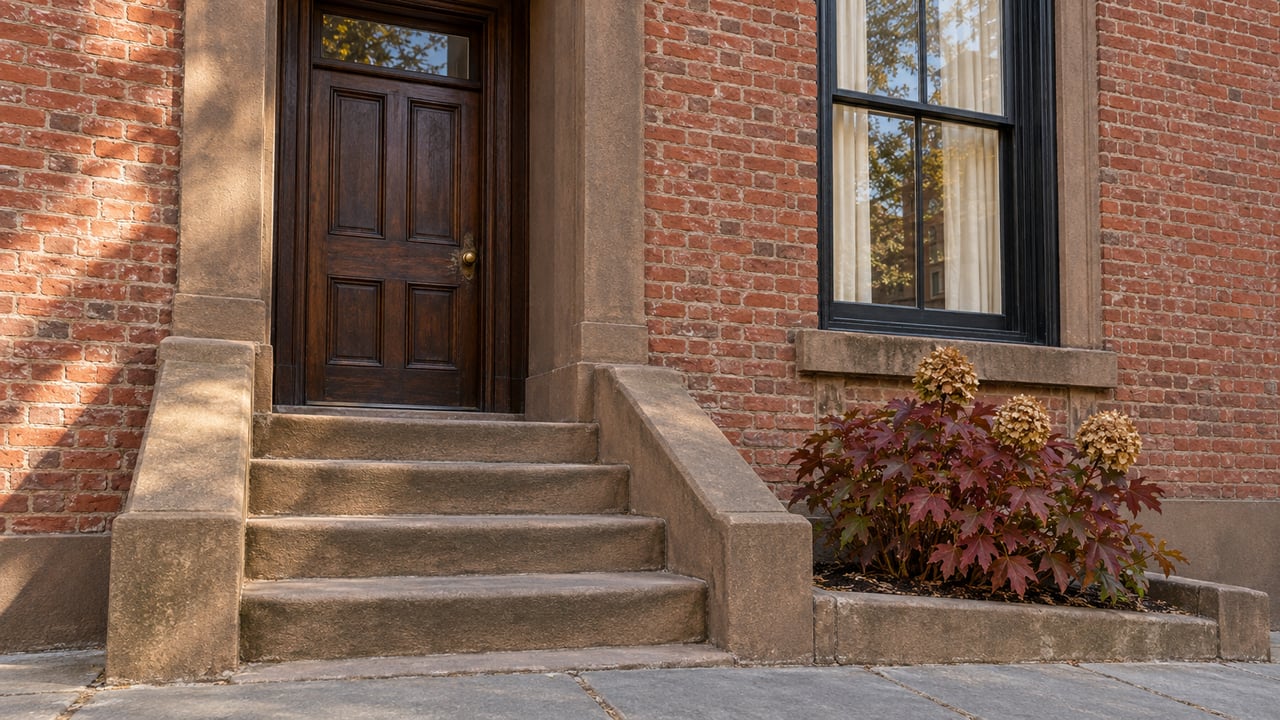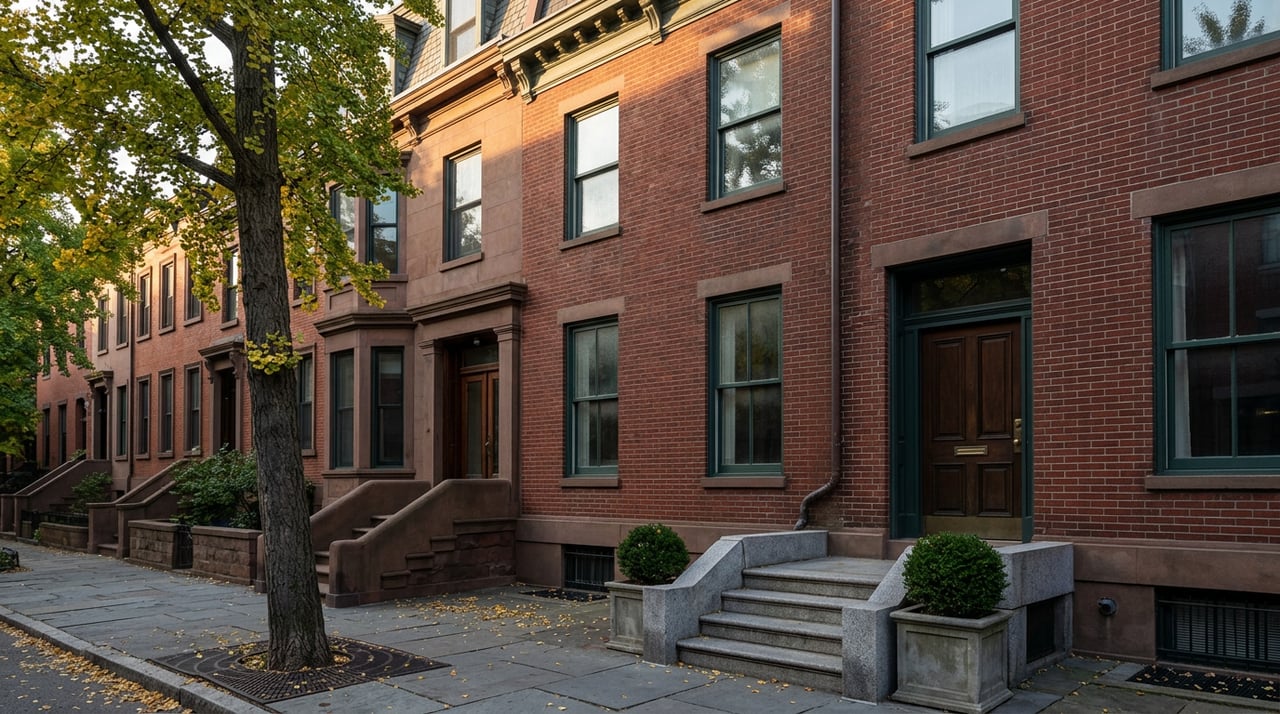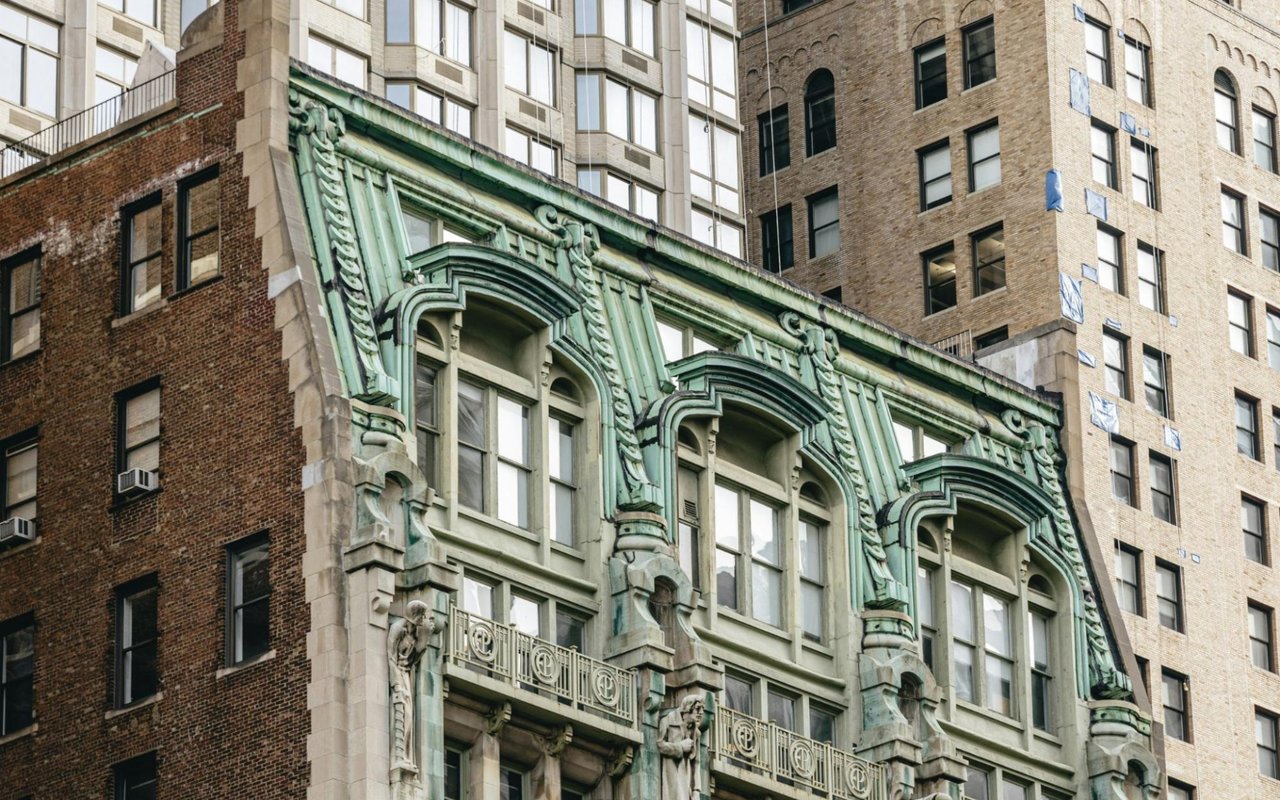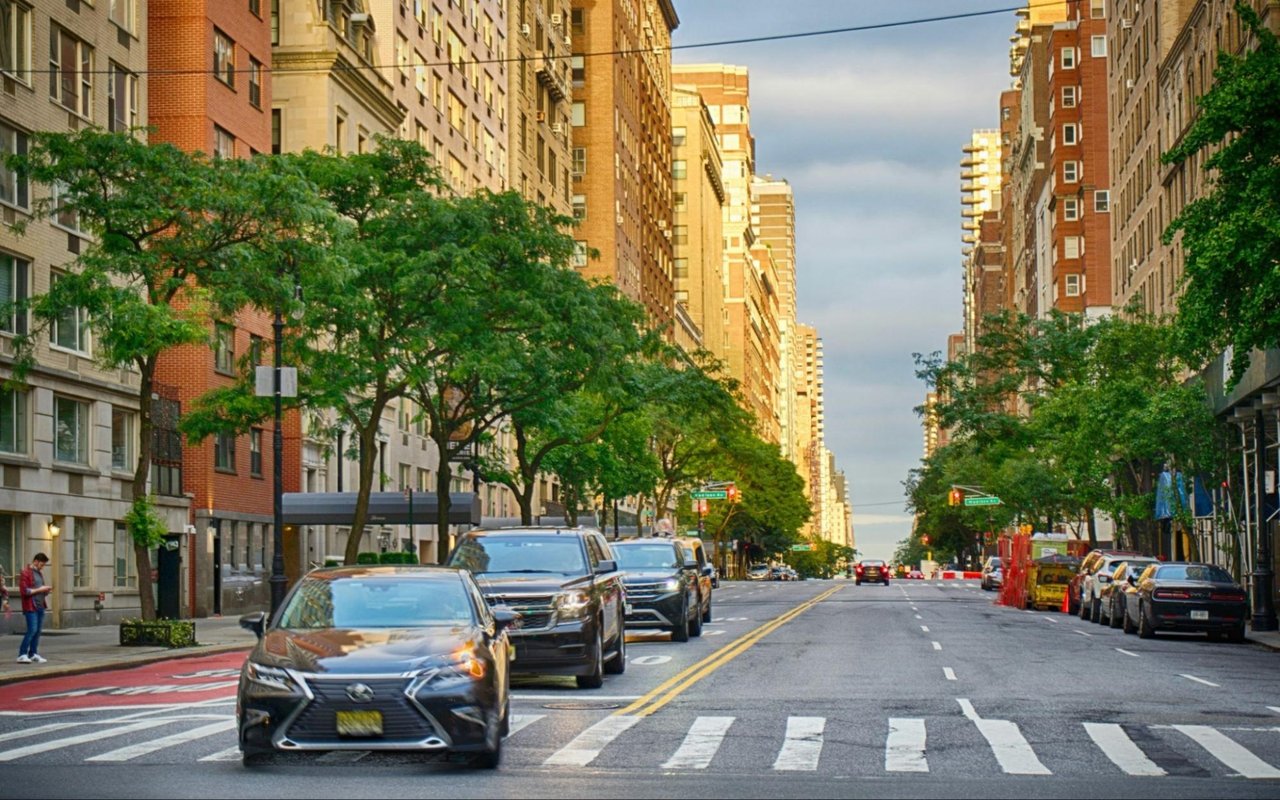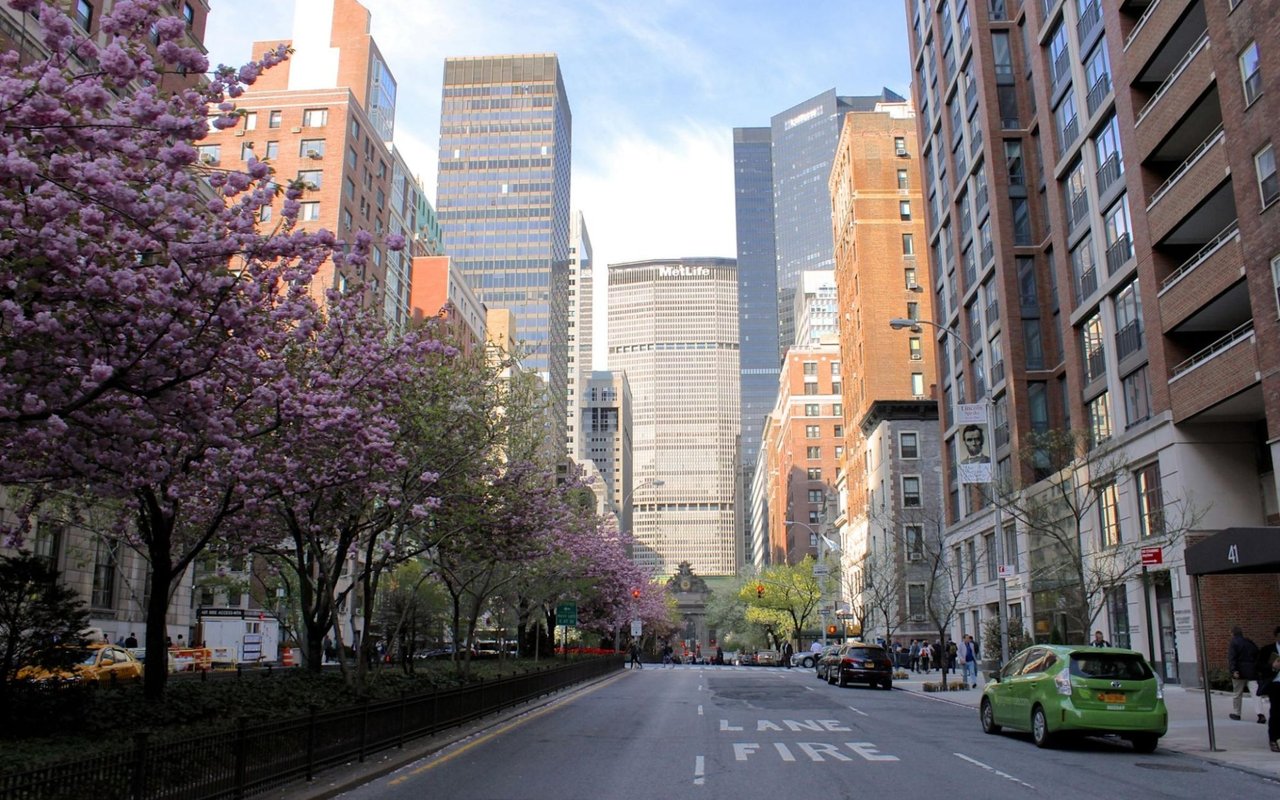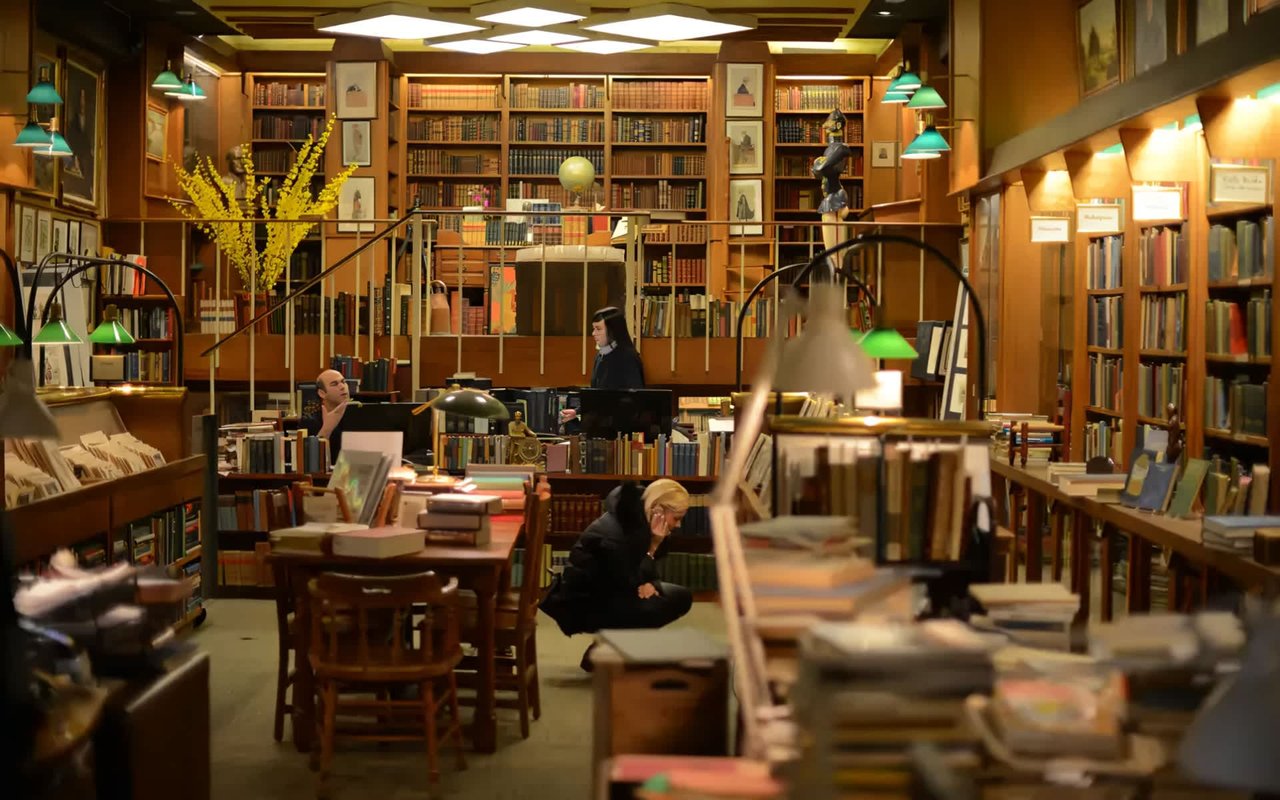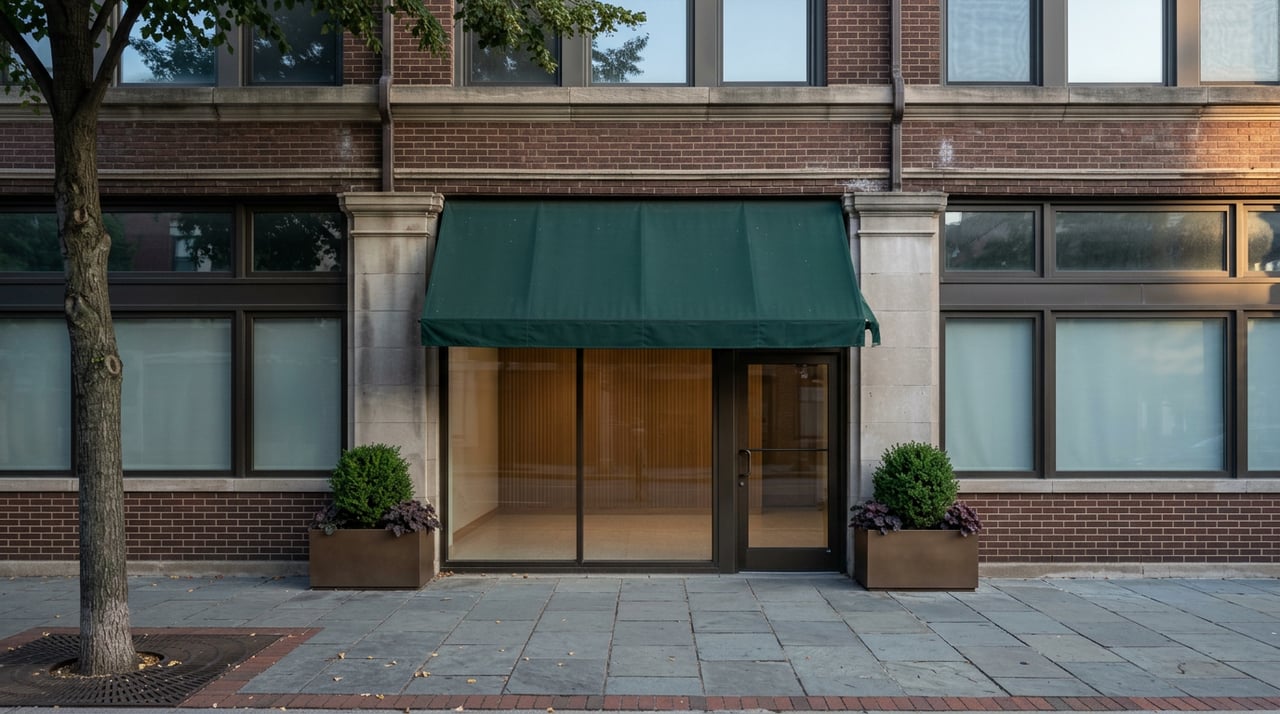
According to What Now, Kamel Moumeni said this summer, "I took everything down and changed everything," while describing what he's doing to the old space at 1481 York Avenue before Jean Claude opens there. It sounds like the story of a first-time restaurateur betting everything on a fresh idea. It isn't. Moumeni already runs Jean Claude's flagship in Midtown East, and before that he ran a restaurant at 71st and Second, a few blocks from his new address. He's not arriving on the Upper East Side. He's coming back to a stretch of the neighborhood he never really left.
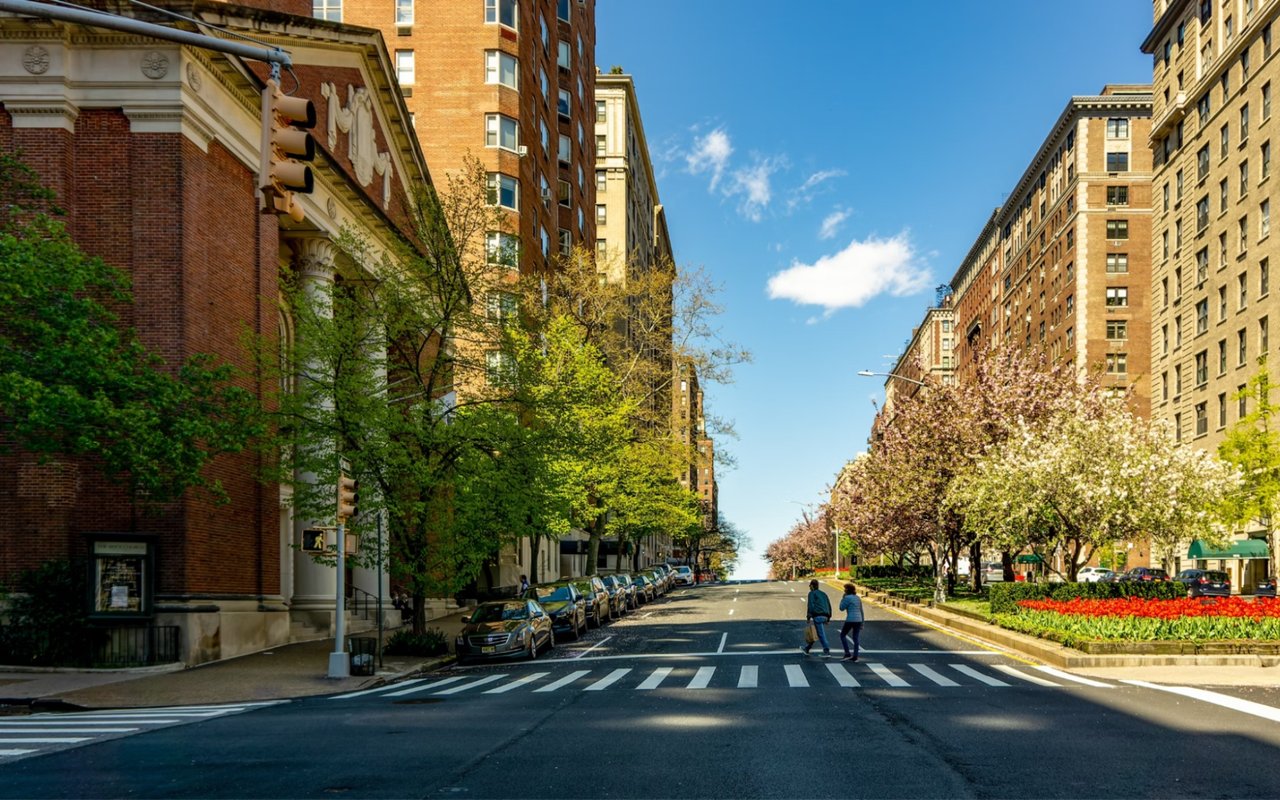
That pattern is the story of 2026 on the Upper East Side, and it's easy to miss if you're only counting openings. Walk up Third Avenue or Lexington this month and it looks like a restaurant renaissance: new signage, new menus, new names on old storefronts. Look at who's actually behind the paperwork and a different picture shows up. Almost none of this year's arrivals are first-time operators taking a swing on a single lease. They're proven names, most running two or three other rooms elsewhere in the city, filling in spaces where longtime neighborhood fixtures used to be.
The addresses tell the story
Line up the year's most talked-about openings against what used to occupy the same address, and the recycling becomes obvious.
| Address | What closed | New arrival | Who's running it |
|---|---|---|---|
| 1278 Third Avenue | Seamore's | Wainwright's Tavern | Jay Wainwright, part of the original Seamore's ownership group |
| 961 Lexington Avenue | — | Dear Margo | Dean Pashalis, an Eastern Mediterranean concept named for his grandmother |
| 244 East 79th Street | Sojourn | Zurutto Ramen | Chef Lily Chen, who already runs three other restaurants in the city |
| 1481 York Avenue | — | Jean Claude (2nd location) | Kamel Moumeni, whose flagship is in Midtown East |
| 1261 Park Avenue | O Cuisine, a catering studio | Creola (opening soon) | Lana Lagomarsini, a Top Chef semifinalist opening her first standalone room |
Five names, four of them operators who already know exactly how a New York kitchen behaves under pressure. Wainwright didn't just take over the old Seamore's footprint at 1278 Third, he kept the fish-forward instincts of that ownership group and swapped in roast chicken and a cheeseburger. Chen's ramen counter at 244 East 79th is a bet on a very specific corridor, backed by someone who's already running three other kitchens.
Creola is the exception that proves the rule. Lagomarsini is putting her name on her own dining room for the first time, but she's not exactly green: her résumé includes stints at Gramercy Tavern, Daniel, and Momofuku Ko, and she finished sixth on Top Chef's 22nd season. Signage for her restaurant went up in mid-August at 1261 Park, in the space that O Cuisine's catering studio used to occupy between East 97th and 98th, with the opening still to come. Even the neighborhood's genuine newcomer arrives with the kind of kitchen pedigree that reads more like a fifth location than a first one.
Why the operator matters more than the menu
For a resident, the identity of the operator behind a new restaurant tells you more about how that place will actually function than the menu description ever will. A multi-unit operator prices against a central kitchen and an established brand, not against what a single storefront needs to charge just to survive August. That shows up in concrete ways: steadier hours, less likelihood of a random Tuesday closure, and a restaurant that's built to absorb a slow month rather than fold at the first sign of one.
The tradeoff is real too. A room run by someone juggling three other addresses is going to feel more like a system than somebody's life's work. You get consistency. You give up some of the idiosyncrasy that made a place like the old Seamore's feel like it belonged to one person's judgment rather than a playbook.
National chains are also adding locations in the area. Zaxby's, the Southern fried chicken chain out of Statesboro, Georgia, is opening its first New York location in the East Bronx, with a second planned for the Upper East Side.
The fall pipeline looks the same way
If you were hoping this pattern was a summer anomaly, the paperwork says otherwise. At Community Board 8's Street Life Committee meeting in July 2026, five new operators cleared licensing to move forward, and only one of them was a first-time solo operator. That's four out of five incoming restaurants run by people who already have a track record somewhere else in the city, including Zurutto Ramen's Chen and a quiet 62-seat Italian room called La Colina going into 1431 First Avenue.
The La Colina filing itself is worth a beat: 23 tables, a seven-seat bar, proposed hours starting at 11 a.m. That's the kind of detail that only shows up when someone is actually reading committee minutes rather than a press release, and it tells you this isn't a pop-up. Someone filed for a full lunch-through-dinner operation on First Avenue, the kind of commitment that assumes the block will still support it a year from now.
August alone has been a genuinely active month for openings even outside the "second location" pattern. Costa brought a pan-European menu to 1300 Madison Avenue between East 92nd and 93rd. Sushi by M opened an affordable omakase spot in Yorkville at 1575 Second Avenue, with tiers running from $35 to $100. Catch n' Chop finally opened its long-awaited surf-and-turf room at the corner of Third Avenue and East 90th, after months of neighborhood curiosity. Crave Fishbar landed at 1462 Second Avenue between East 76th and 77th. None of that reads like a neighborhood in decline. It reads like a dining scene absorbing a lot of turnover at once and mostly landing on operators built to stick around.
What this means if you actually live here
- Expect more reliability, less character. A restaurant backed by three other locations is less likely to vanish after a rough winter, but it's also less likely to feel like it was built around one chef's obsession.
- Watch the 79th Street corridor. Zurutto Ramen's late-license bet on a ramen counter open past midnight is a specific read on foot traffic between Second and Third that's worth noticing if you're out that way after dinner.
- The old fixtures aren't gone, they're addresses now. Seamore's, Sojourn, and O Cuisine didn't disappear so much as get repurposed by people who already understood why those spots worked in the first place.
- A first-time name still shows up occasionally. Creola is proof the neighborhood hasn't fully closed the door on someone putting their own name on a room for the first time, even if her training reads like someone who's done this before.
None of this requires you to eat anywhere differently this week. But it does explain something that's easy to feel without being able to name: the Upper East Side's storefronts keep changing hands, and yet the neighborhood somehow feels more settled than it has in years. That's not an accident. It's what happens when the people filling vacant leases already know exactly what they're doing.
If you're the kind of person who reads a changing storefront mix as a signal about where a block is headed, that instinct is worth applying to more than dinner reservations. Kobi Lahav works with Upper East Side buyers, sellers, and owners who want that same level of read on their building and their block. Contact Kobi when you're ready to talk about what it actually means for your address.