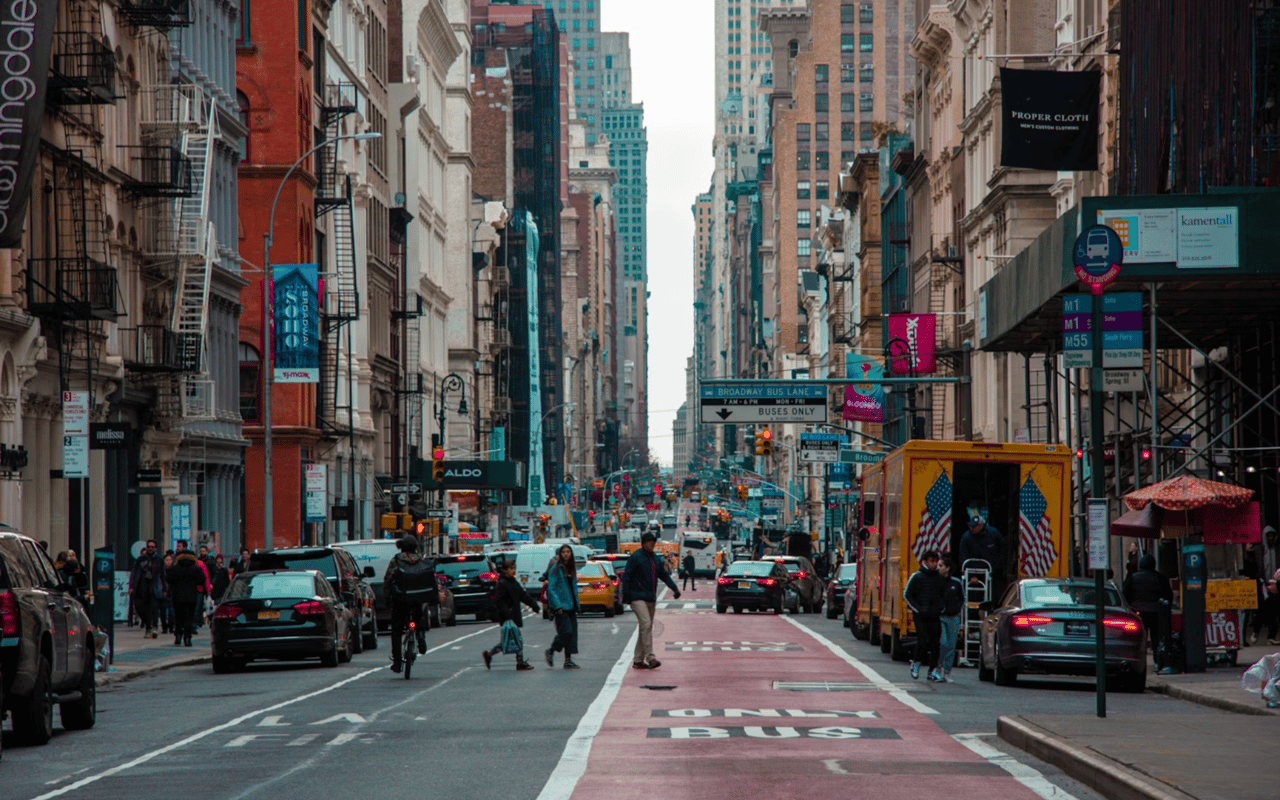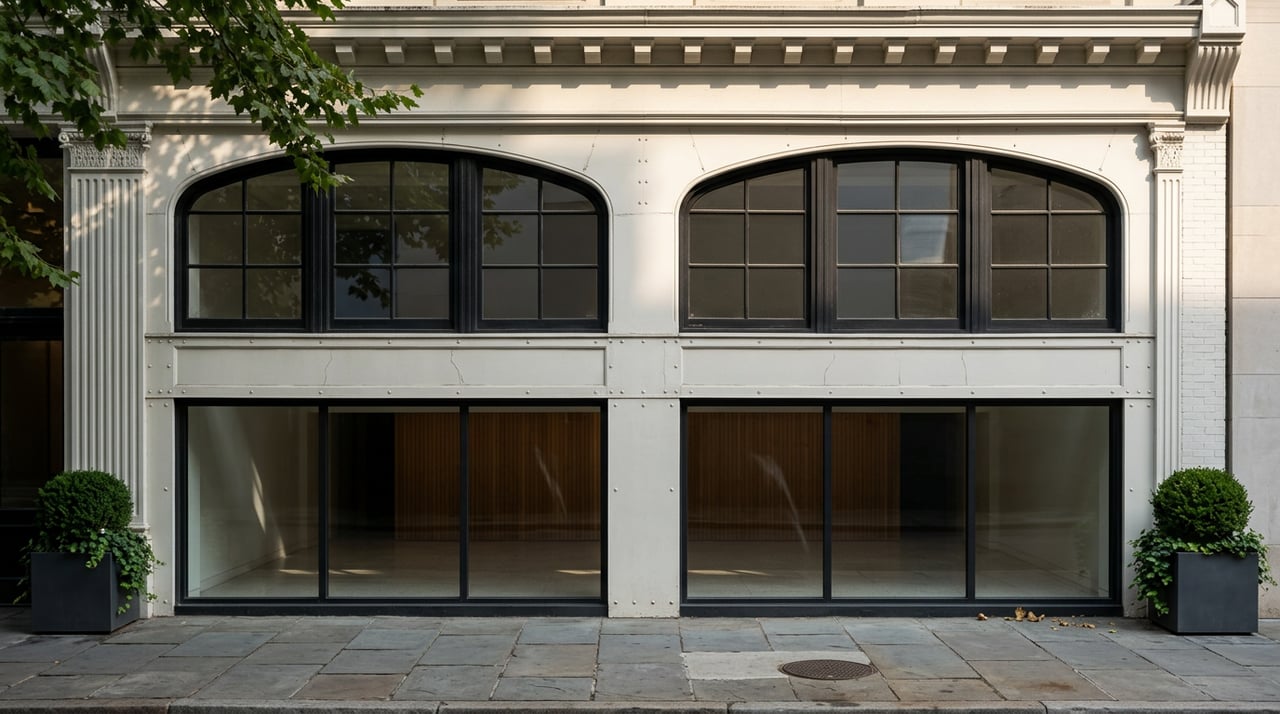
Every summer, a version of this post gets written about SoHo. It lists the flagships, name-checks the boutiques, and treats Broadway between Houston and Canal as the whole neighborhood. If you live here, you already know that is not the neighborhood. That is the parade route.
The more useful map this summer runs one block off it. Broadway has absorbed a set of corporate activations timed to the World Cup and the US Open. The restaurants, galleries, and rooms that residents will actually use in July and August sit on Spring, Mercer, Wooster, Walker, and the Bowery edge. The gap between those two SoHos is wider than it has been in years, and it is worth walking with intention.
Broadway is a launch strip now, not a shopping street
The clearest tell is the tenant mix that landed in the first half of the year. Read as a list, it is not a retail neighborhood. It is an event calendar with rent.
| Opening | Address | What it is |
|---|---|---|
| Nike SoHo | 611 Broadway | Temporary hyperlocal store opened April 16, 2026, with interiors that shift around the World Cup, US Open, and NYC Marathon |
| Adidas Originals flagship | 135 Spring Street | Moved into the former Valentino space, less than a block from its old 115 Spring location, anchored by a "Creative Class" residency program |
| Skin1004 US flagship | 470 Broadway | Korean skincare brand opened May 11 with an architectural fit-out that drew more attention than the product wall |
| Calvin Klein lifestyle flagship | 530 Broadway | 3,000 square feet taken in December |
| The Collective SoHo | 435 Broadway | Rotating vendor floor for independent designers and vintage sellers, opened in April |
Nike is instructive. The previous flagship at 529 Broadway closed abruptly earlier in the year, and the replacement two blocks north was announced as temporary from day one, with the interior scheduled to change with the sporting calendar. That is not a store. It is a residency. Adidas ran the same play: its Spring Street opening launched a rotating cohort of ten New York musicians, designers, photographers, and organizers under a "Creative Class" banner. The retail is downstream of the programming.
None of this is bad for the neighborhood. It is what a corridor with roughly 84 percent occupancy and Prince Street rents around $1,073 per square foot, against a Manhattan retail average closer to $688, will do. It is just not where you send someone visiting for a Saturday who wants to understand what SoHo currently feels like.
The restaurants residents are actually using are side-street rooms
The four openings worth planning around this summer all sit off the main retail spine, and three of the four came out of teams that already had a track record downtown.
Or'esh. From the team behind The Corner Store, which is still one of the harder reservations in the city. Live fire and coal grilling drive the menu, with fire-grilled seafood and meats as the anchors and a bread and dips program that sets the tone at the start of the meal. It opened this spring and is already the tightest table in the neighborhood. If you have been trying and failing, weekday lunch is a better door than Saturday dinner.
Dean's. The King team's next move, next door to Dame in SoHo. English Shaker design, a pewter bar, Douglas fir pine panelling, and a British enamel stove. Guinness on tap, oysters, potted shrimp on hot buttered crumpets, roasted Scottish langoustines. Around twenty indoor seats plus six at the bar, with reservations released two weeks out at 9 a.m. and most tables held for walk-ins. Come summer, an oyster window on Sixth Avenue is scheduled to open with a shucker ringing a bell when your order is ready. That is a neighborhood detail, not a marketing line.
Selene. A three-story Greek room with homemade pita, dips as the entry point, and a retractable roof on the top floor. Alumni of Scarpetta are involved. It rewards a group of four to six who can move through the menu horizontally.
Maayan's. A wine bar with a single pricing rule: bottles only, no by-the-glass pours, and every bottle costs $60. Cheese and charcuterie. It is the kind of one-idea room that either becomes a weekly habit or does not, and it is easier to figure out which after one visit than after reading three reviews.
If you want the through-line: three of these four rooms came from operators who already knew what worked downtown and chose to double down inside a five-block radius rather than expand outward. That is a form of confidence about the neighborhood that a Broadway pop-up does not express.
The gallery calendar is running fuller than its reputation suggests
Most Manhattan gallery districts thin out in the last two weeks of July. SoHo's western spine and the Walker Street cluster that anchors the Tribeca border are running a longer program than that this year. Two shows a resident should catch before they close:
- Lily van der Stokker at kaufmann repetto, 55 Walker Street. Solo exhibition running through August 28, with a short mid-August closure. This is the kind of installation that reads differently on a weekday afternoon than a Saturday.
- "David Byrne / Saul Steinberg: Influence and Affinity" at 125 Newbury, 395 Broadway. Through July 31. If you hear about a show on a Wednesday and want to see it before the weekend, this is the one.
Neither requires a plan. Both are ten minutes on foot from anywhere in the neighborhood, which is the point.
What the shift means if you live in one of these buildings
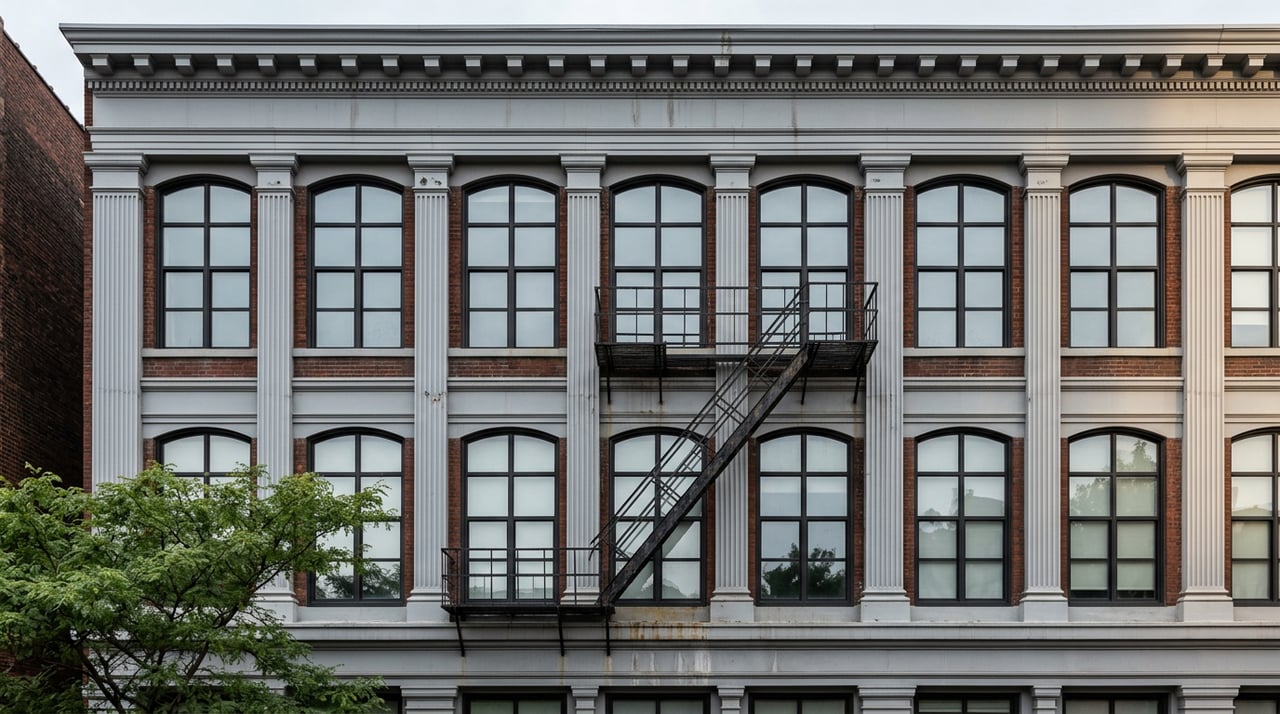
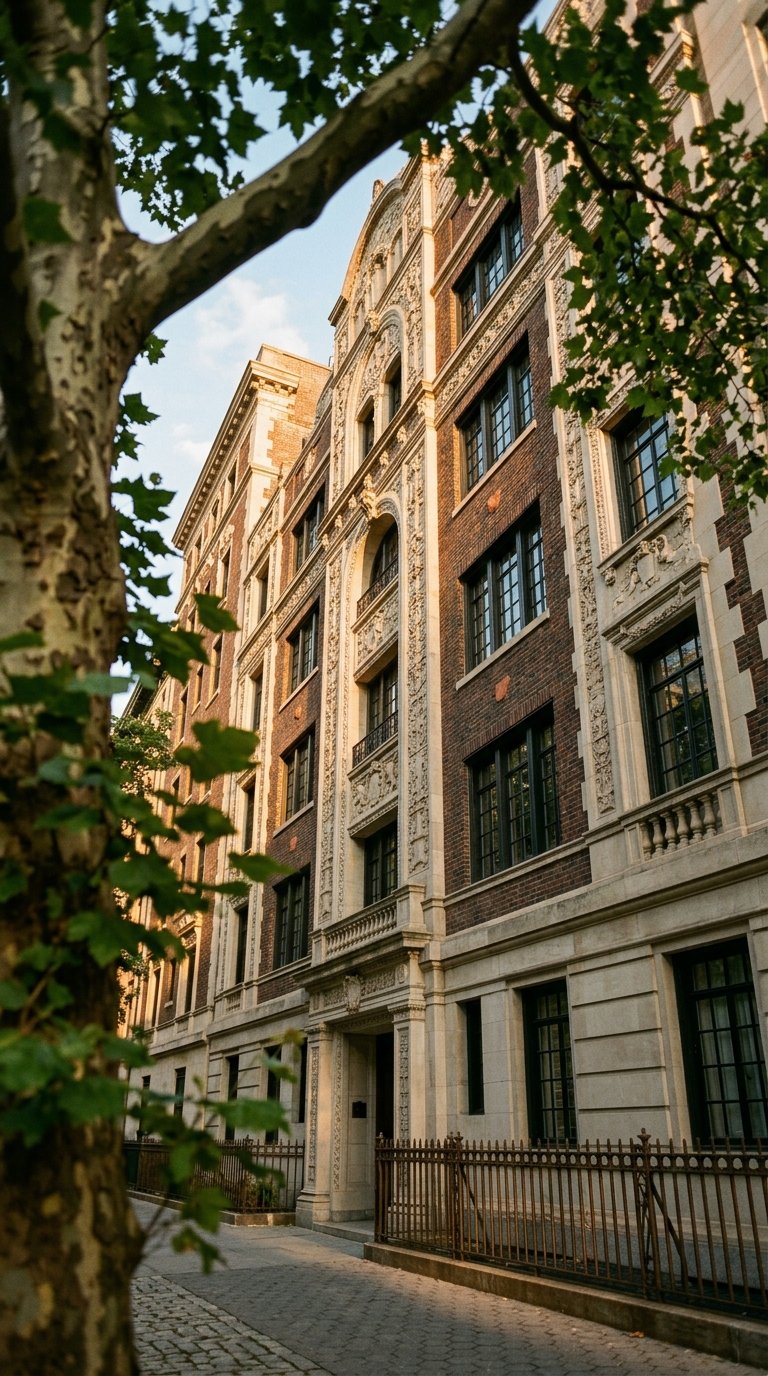
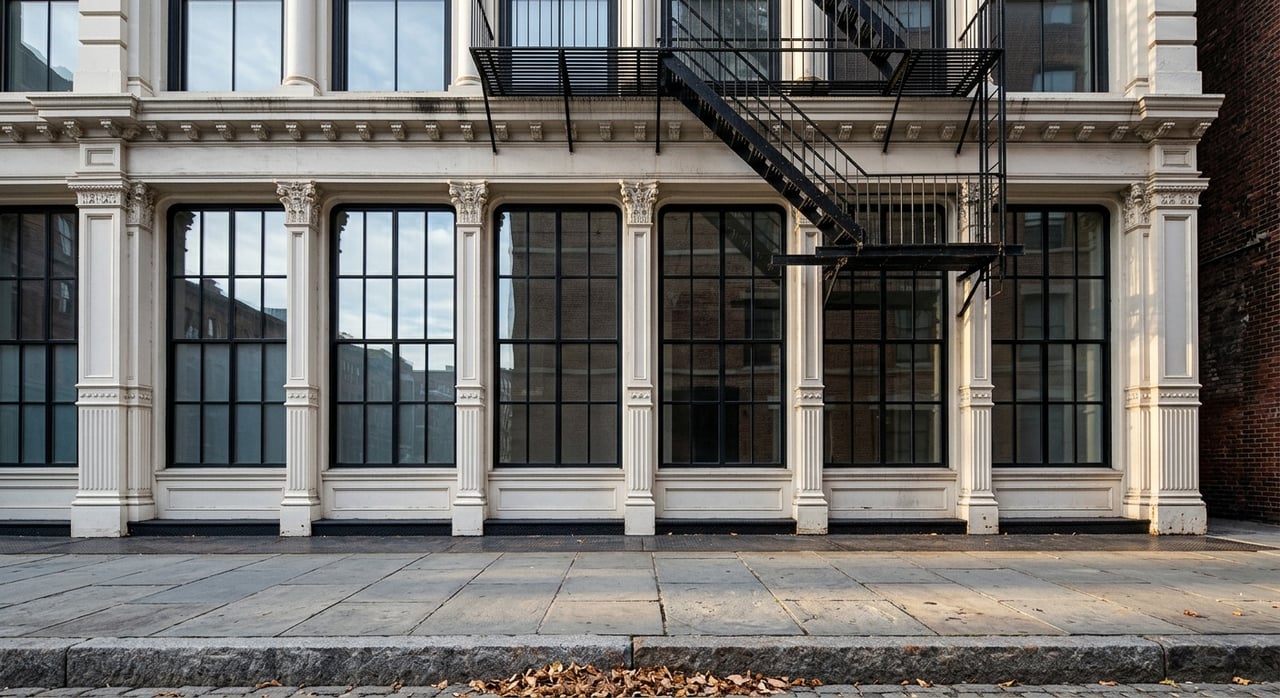
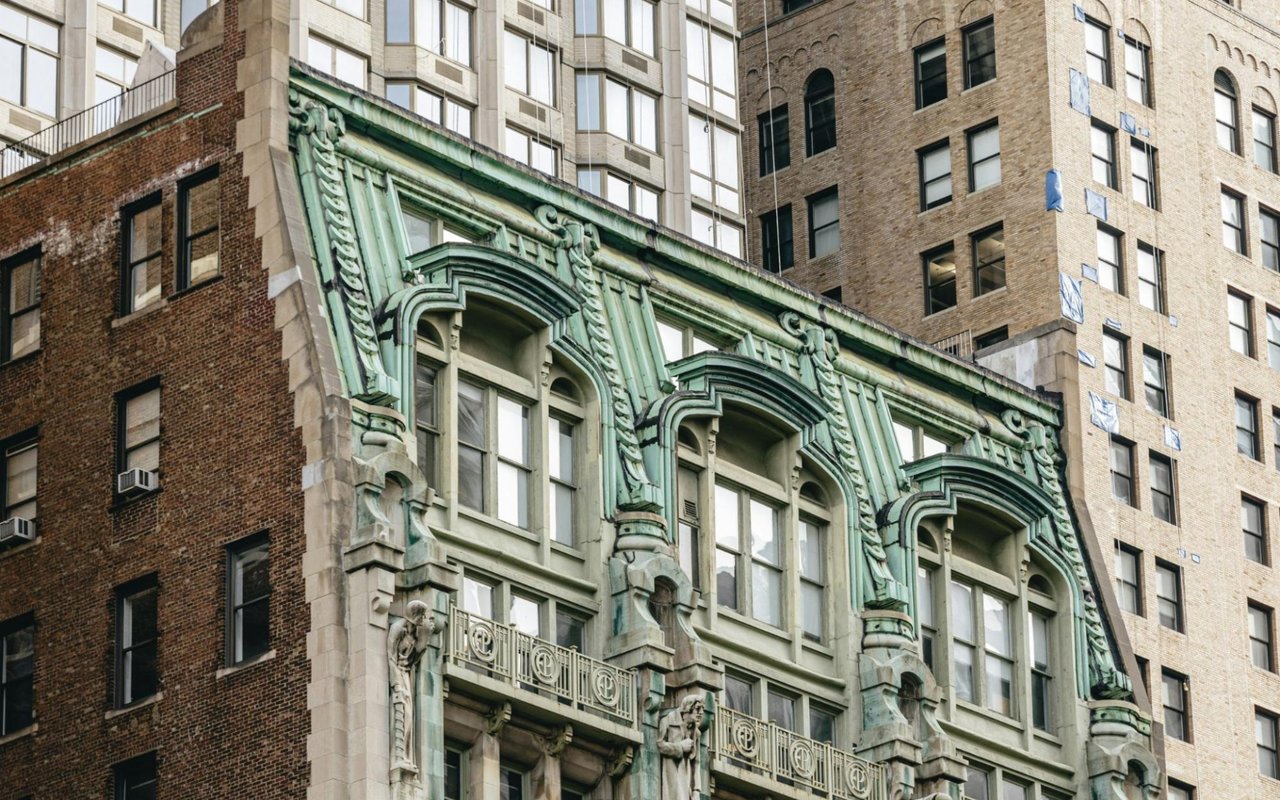
When Broadway absorbs the experiential flagships, foot traffic patterns shift north and south along the corridor rather than east and west across it. Side-street storefronts on the ground floor of cast-iron loft buildings become quieter, more legible, and more sought after by the operators who serve residents rather than tourists.
The practical version of that for someone who lives here: your daily radius has become more useful, not less. The stretch of Broadway between Houston and Canal is best treated the way you treat a good hotel lobby. You pass through it, you occasionally stop for something specific, and you do not plan a Saturday around it. Everything worth planning around is one street off it.
A few small routines that follow from that:
- Save reservation attempts at Or'esh for weekday lunch or a 5:30 p.m. bar seat rather than 8 p.m. Saturday.
- If Dean's is full, the walk-in bar is the intended path in, and the oyster window on Sixth Avenue will change the calculus once it opens.
- Treat the Walker Street galleries as a Wednesday habit, not a weekend event. That is when the rooms are empty.
- The Adidas Originals residency programming and the Nike shifts around the World Cup will pull the sidewalk crowds on Broadway noticeably heavier on specific dates. Those are the days to run errands on Wooster or Mercer instead.
SoHo has been declared over and rediscovered on a roughly three-year cycle since the late 1990s. The current version of the neighborhood is neither. It is sorting itself, and the sort is legible if you stop reading Broadway as the index. The buildings residents live in are on the side streets. The rooms worth walking to this summer are on the side streets. The version of the neighborhood the tourist economy is currently building on Broadway is a real thing, but it is not the neighborhood.
If you own here, that sort matters beyond dinner reservations. It is a leading indicator for which blocks the next wave of owner-operators will chase, which ground-floor storefronts will turn over next, and which lofts will keep pulling premiums because the block around them has quieted down rather than lit up. That is a longer conversation than a summer field guide, and one worth having before the fall market opens.
If you are thinking through a purchase, a sale, or a repositioning inside SoHo this year and want a read that goes past the Broadway headline, Kobi Lahav is the right first call.