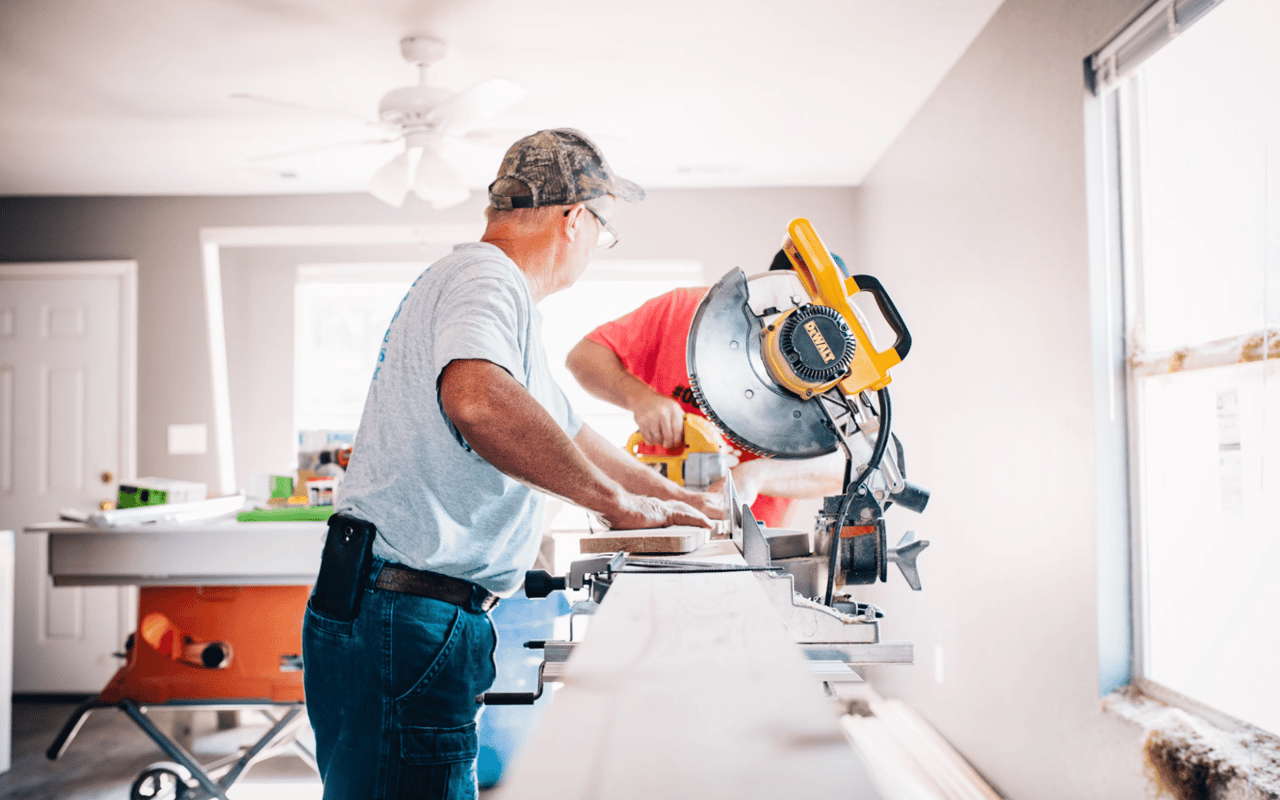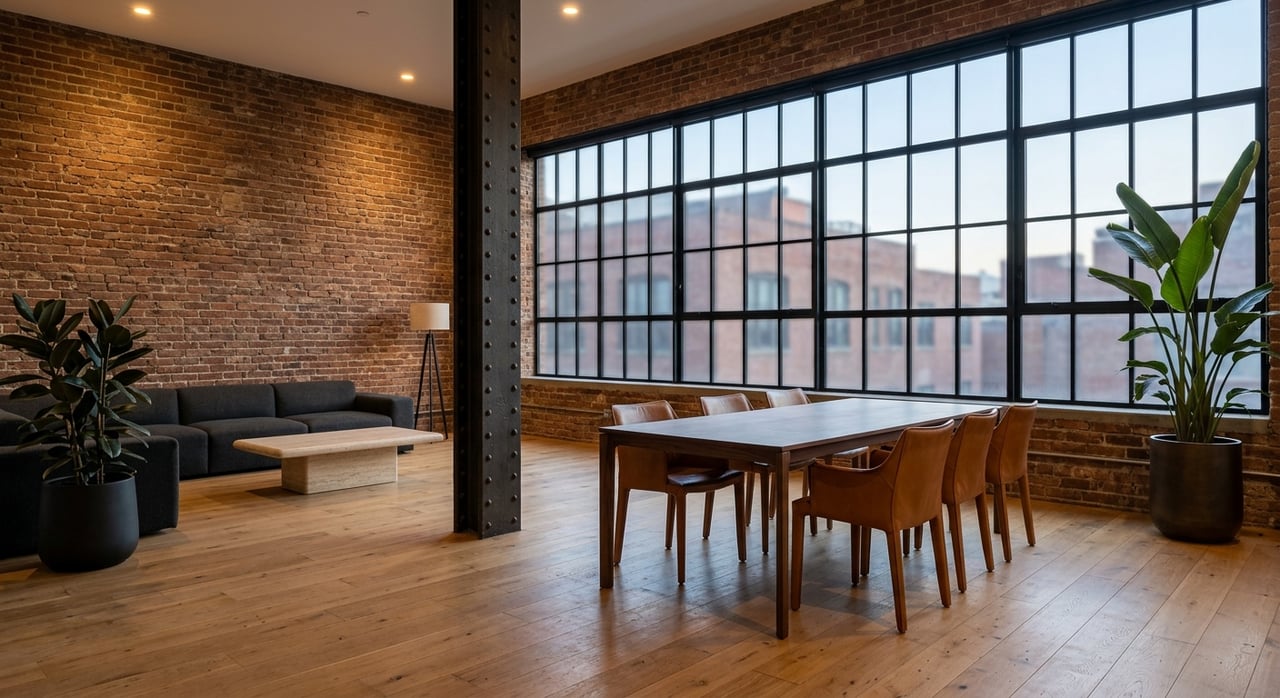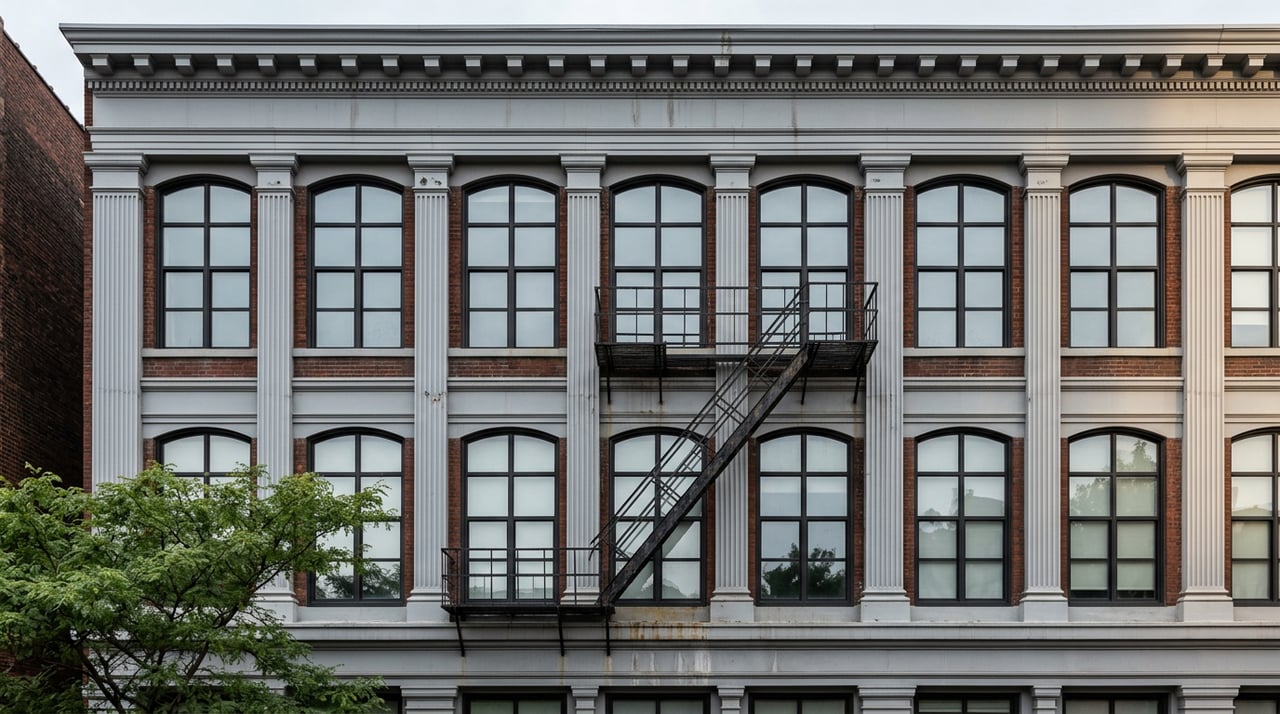
Zigi Ben-Haim bought his SoHo loft in 1979 for about $40,000, financing part of the down payment by selling a large piece of his own artwork to a hotel in the neighborhood. He spent the years after rebuilding a derelict factory floor by hand, framing walls, running wiring, laying a floor where a concrete slab used to sit. At 80, he is now looking at a bill of roughly $250,000 if he wants to sell that loft, or leave it to his children as anything other than a restricted artist's residence. That bill is not a rumor or a worst case. On January 13, 2026, New York's Court of Appeals confirmed it in a 6-1 ruling.
If you are shopping for a loft in SoHo or NoHo this year, or you own one and are weighing a sale, this is the fact pattern that matters more than square footage or exposed brick. A meaningful share of the neighborhood's inventory still carries a zoning designation from 1971, and the court decision that most people assumed would finally settle the question instead did the opposite. It made the fee attached to that designation collectable, and it started a clock that keeps charging while the fight over its constitutionality plays out somewhere else.
What the Court Actually Decided in January
The designation in question is Joint Living-Work Quarters for Artists, or JLWQA, a use category the city created in 1971 to let artists legally occupy former manufacturing lofts on the condition that at least one resident held a certification from the Department of Cultural Affairs. For decades the rule sat there mostly unenforced. City figures from 2022 showed roughly 1,600 units still carrying the JLWQA designation, with only 36 of them occupied by an actual certified artist.
The 2021 SoHo/NoHo rezoning was supposed to modernize this. It gave JLWQA owners a way to convert their units to ordinary, unrestricted residential status by paying a one-time, non-refundable contribution of $100 per square foot into a city-administered SoHo-NoHo Arts Fund. A coalition of residents sued, arguing that fee was an unconstitutional condition on a land use permit under the line of Supreme Court cases running from Nollan through Koontz and Sheetz. An appellate panel agreed in December 2024 and struck the fee down. Then the Court of Appeals reversed that decision, ruling that a purely monetary exaction like this one does not trigger the same constitutional scrutiny as a demand for actual property.
The upshot for anyone transacting in these two neighborhoods right now: the fee stands, the conversion pathway is open, and the underlying zoning restriction has not gone anywhere for units that stay unconverted.
Not Every SoHo Loft Carries the Same Exposure
The mistake I see most often is buyers assuming every loft south of Houston Street carries the same risk profile. It doesn't. Before falling for a listing, find out which category the building actually sits in.
| Building type | Governing body | Arts Fund exposure | What to verify |
|---|---|---|---|
| JLWQA co-op or condo, unconverted | City zoning resolution, Certificate of Occupancy | Full $100/sq ft fee applies on conversion or sale to a non-qualifying occupant | Whether the unit's C of O still reflects the JLWQA designation |
| State Loft Law building (Interim Multiple Dwelling) | NYC Loft Board | None, this is a separate legal track entirely | Whether legalization is complete or still in progress |
| Fully converted or never-JLWQA building | Standard residential zoning | None | Confirm the conversion was actually recorded with the City Register |
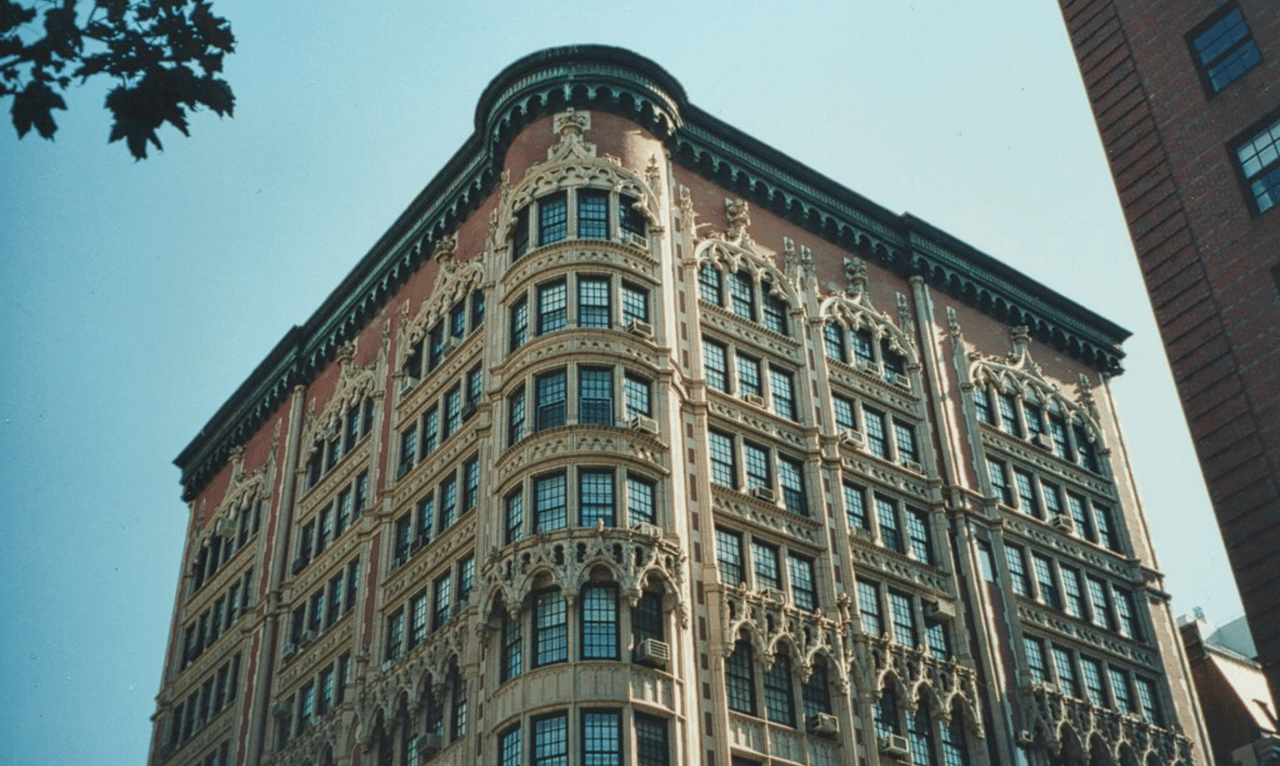
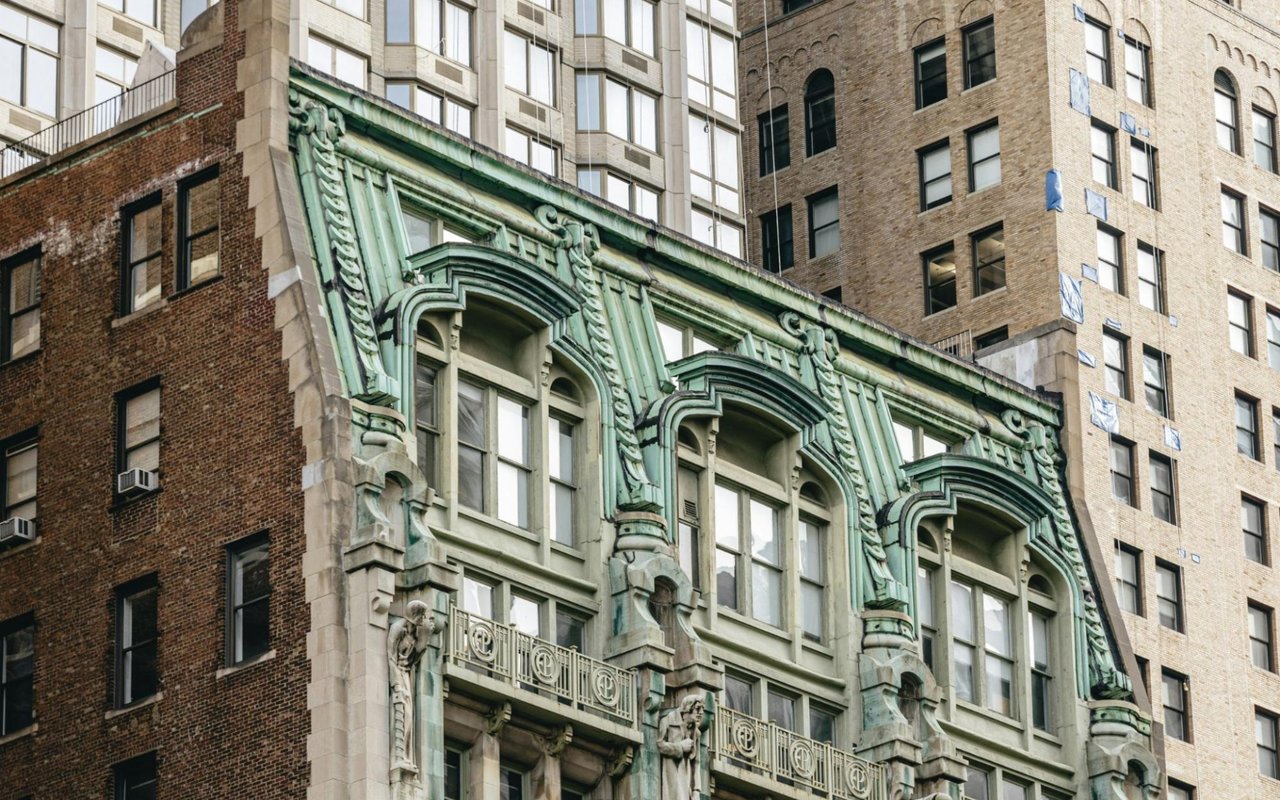
The New Museum Building at 158 Mercer Street is a useful reference point for the third category. Built in the 1890s as an office building and later home to the New Museum of Contemporary Art before its move to the Bowery, it converted to a straightforward residential condominium in 1996, long before the current fight began, and it now trades as an ordinary luxury building with a clean residential Certificate of Occupancy. That is what the other side of this process looks like. Most JLWQA buildings are not there yet.
The Math Behind $100 a Square Foot
A single number like "$100 per square foot" doesn't mean much until you run it against real inventory. SoHo lofts often run 2,000 to 3,000 square feet, sometimes more. At 2,500 square feet, a size owners and their attorneys point to as typical for these units, the fee comes to $250,000, the same figure cited repeatedly across the litigation and the advocacy filings surrounding it.
That fee is not indexed to what the unit is worth. It applies whether the loft is selling for $1.5 million or $4 million, and it applies whether the person paying it is a wealthy buyer converting a purchase or an elderly resident trying to pass a home to a child. The city's own rate schedule adjusts the fee upward by 3 percent a year, which means the conversion that costs $250,000 today costs more next year regardless of what happens in court.
The Case Isn't Over, and Waiting Has a Cost
The residents' attorney, Christopher Kieser, filed a petition for certiorari with the U.S. Supreme Court this spring, and the case, now docketed as No. 25-1187, has drawn support well beyond the original parties. The Manhattan Institute joined the National Association of Realtors, the New York State Association of Realtors, the National Association of Home Builders, and the National Apartment Association on one amicus brief, while the Cato Institute and Council Member Marte filed separate briefs of their own. The city filed its opposition on August 3, 2026, the petitioners replied on August 17, and the case is now set for the justices' private conference on September 28, 2026, when they will decide whether to hear it at all. Kieser has said publicly that even a favorable outcome at that stage would put a new decision more than a year out. Marte, whose district covers SoHo and NoHo, is also looking at a City Council fix to lower or eliminate the fee, but nothing has passed as of this writing.
Nothing in current reporting suggests the fee is frozen while the Supreme Court decides whether to hear the case. The city's schedule, including the annual increase, remains in effect unless a court order or new legislation changes it. For a buyer or seller with a live contract on a JLWQA unit, that is the detail that actually changes behavior. Waiting for legal clarity does not pause the meter.
Ben-Haim put it simply after the ruling: "We put all our energy, our blood into these lofts."
What Actually Changes at the Closing Table
For buyers, this means the due diligence conversation with your attorney needs to start with the unit's Certificate of Occupancy, not the finishes. If a loft still carries the JLWQA designation and you are not a certified artist, you are either buying a restriction that follows the property or budgeting for a six-figure conversion cost before you can treat the space as an ordinary home. Financing gets harder to line up on unconverted units, since lenders weigh the uncertainty of a restricted Certificate of Occupancy differently than a clean residential one.
For sellers, particularly those who inherited a loft from a family member who held the original artist certification, the calculation is different but no less concrete. State law amended in 2022 lets a permanent occupant who lived in the unit before December 15, 2021 continue to occupy it lawfully without the certification. That protection does not run with the property to a future buyer. If you plan to sell to someone who isn't certified, the conversion fee is very likely part of that transaction, and it belongs in the pricing conversation from the start, not discovered at attorney review.
The approval path also differs slightly between co-ops and condos. The fee itself is calculated the same way regardless of structure, per square foot of the unit converting. What differs is that co-op boards can layer their own review requirements on top of the city's process, so build extra time into your timeline either way.
Questions Worth Asking Before You Sign
Do I have to be a certified artist to buy a SoHo loft today? Only if the specific unit still carries an unconverted JLWQA designation and you want to occupy it without paying the conversion fee. Buildings that completed conversion, or that were never JLWQA to begin with, carry no such requirement.
Is the fee the same for a co-op and a condo? Yes, the calculation is the same per square foot. The difference is procedural: co-op boards may add their own approval steps on top of the city's process.
If the Supreme Court takes the case, does that pause the fee in the meantime? Nothing currently on the record suggests an automatic pause. The fee schedule, including the 3 percent annual increase, stays in effect unless a court order or new law says otherwise.
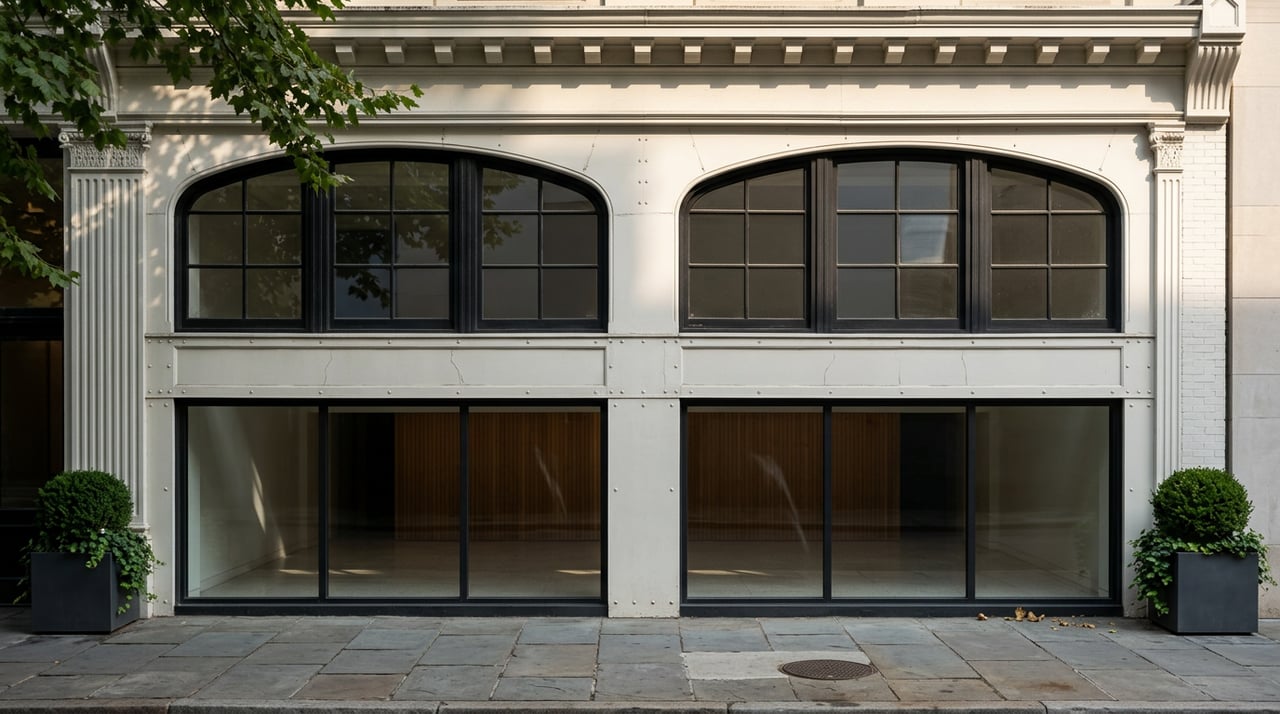
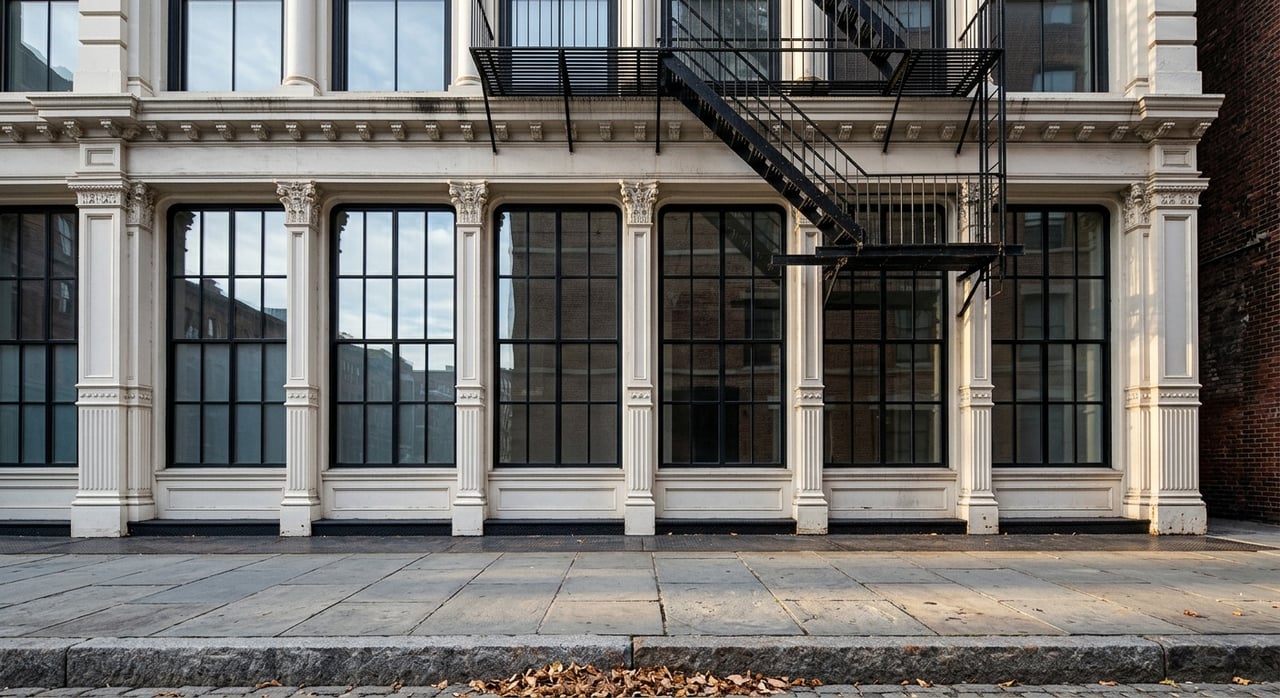
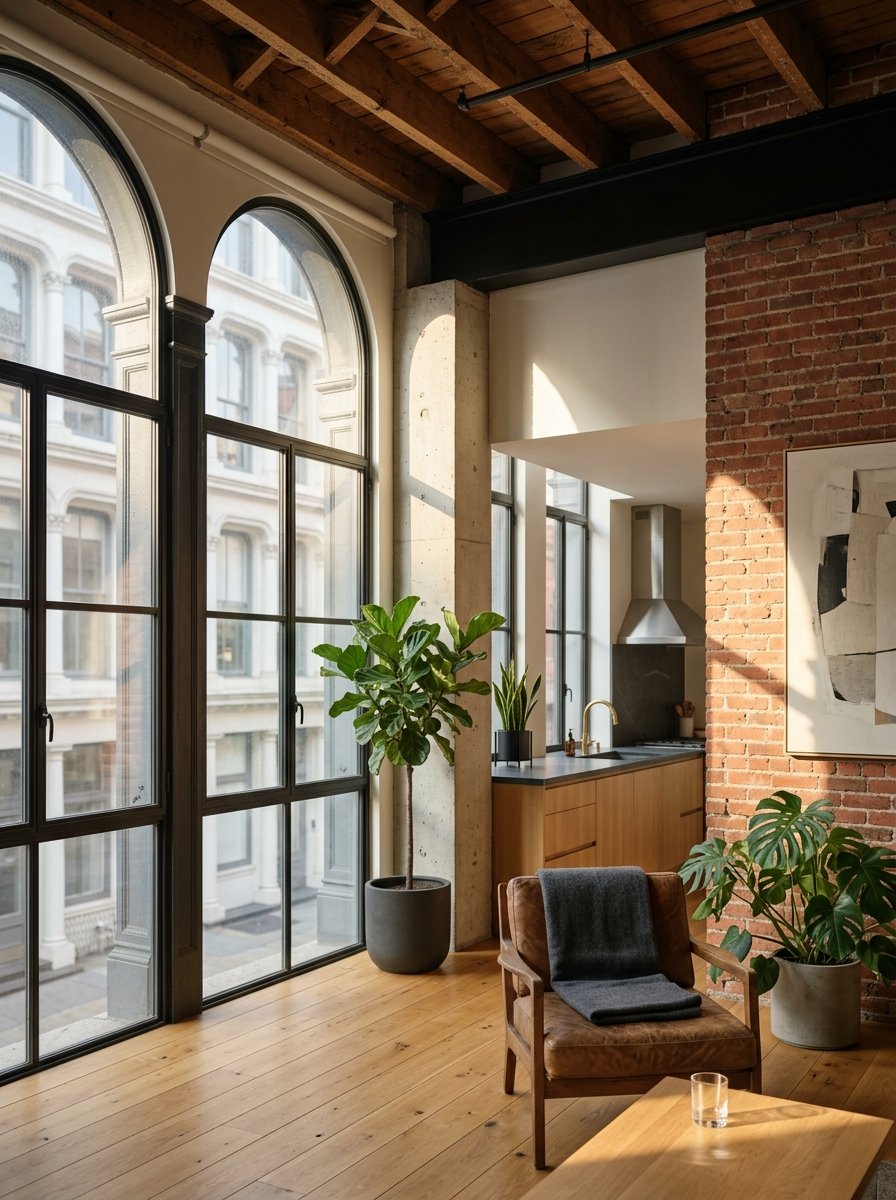
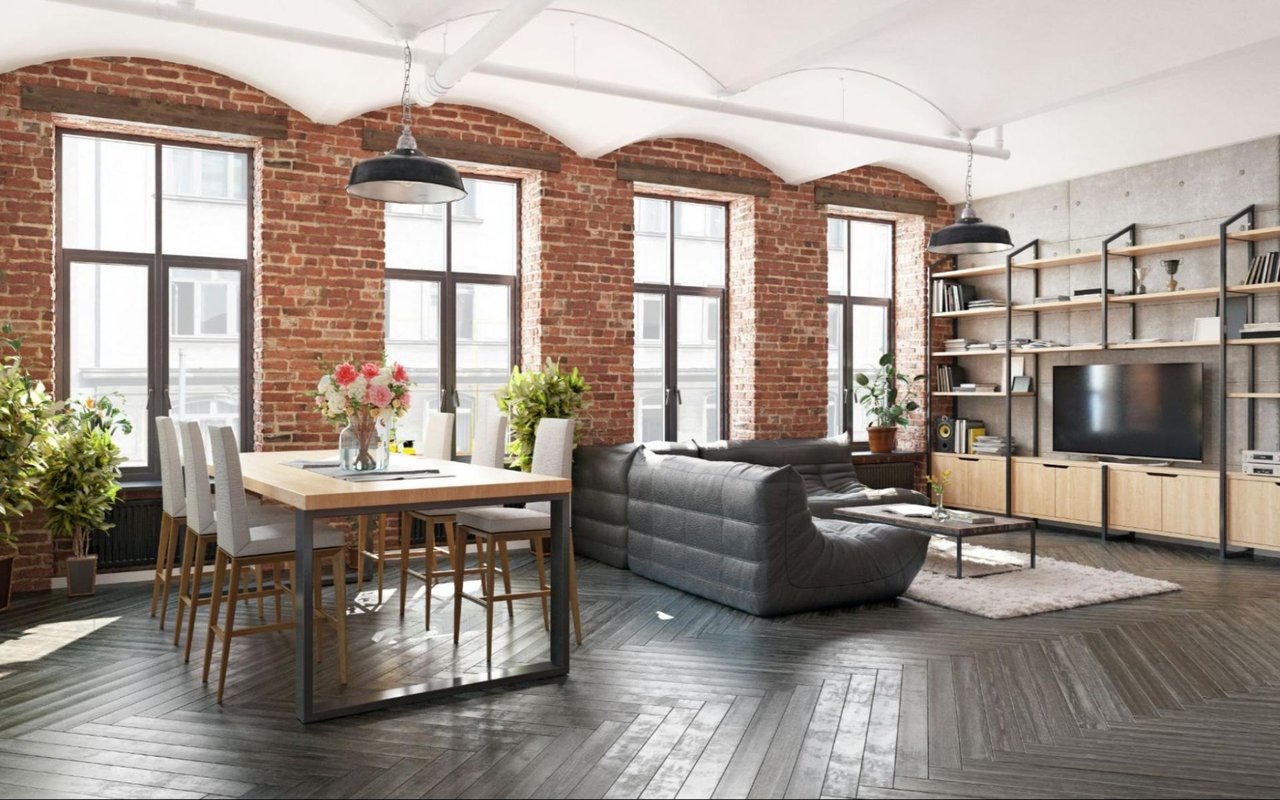
A cast-iron loft with twelve-foot ceilings and six arched windows is still one of the more distinctive things you can buy in Manhattan. What's changed is that the zoning history behind that facade is no longer a dusty footnote. It's an active cost with a court record behind it, a legislative fight still underway, and a fee that gets more expensive every year the parties keep arguing. If you're evaluating a purchase or a sale in SoHo or NoHo this year, that history deserves the same scrutiny as the kitchen.
If you're weighing a move in this market, whether you're chasing the light through a loft's original windows or trying to price what a family unit is actually worth with this fee attached, Kobi Lahav has walked buyers and sellers through exactly this kind of building-level complexity before. Contact Kobi to talk through what a specific SoHo or NoHo address actually carries on its Certificate of Occupancy, and what that means for your offer.