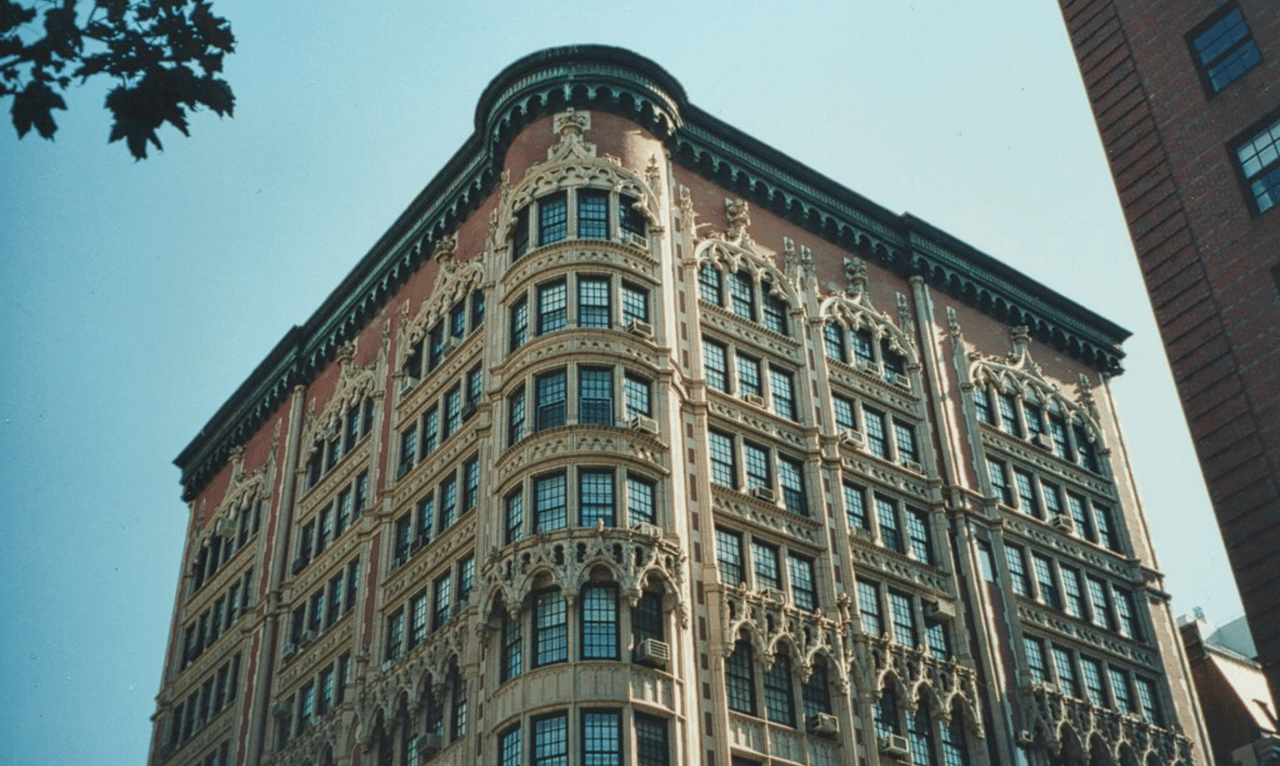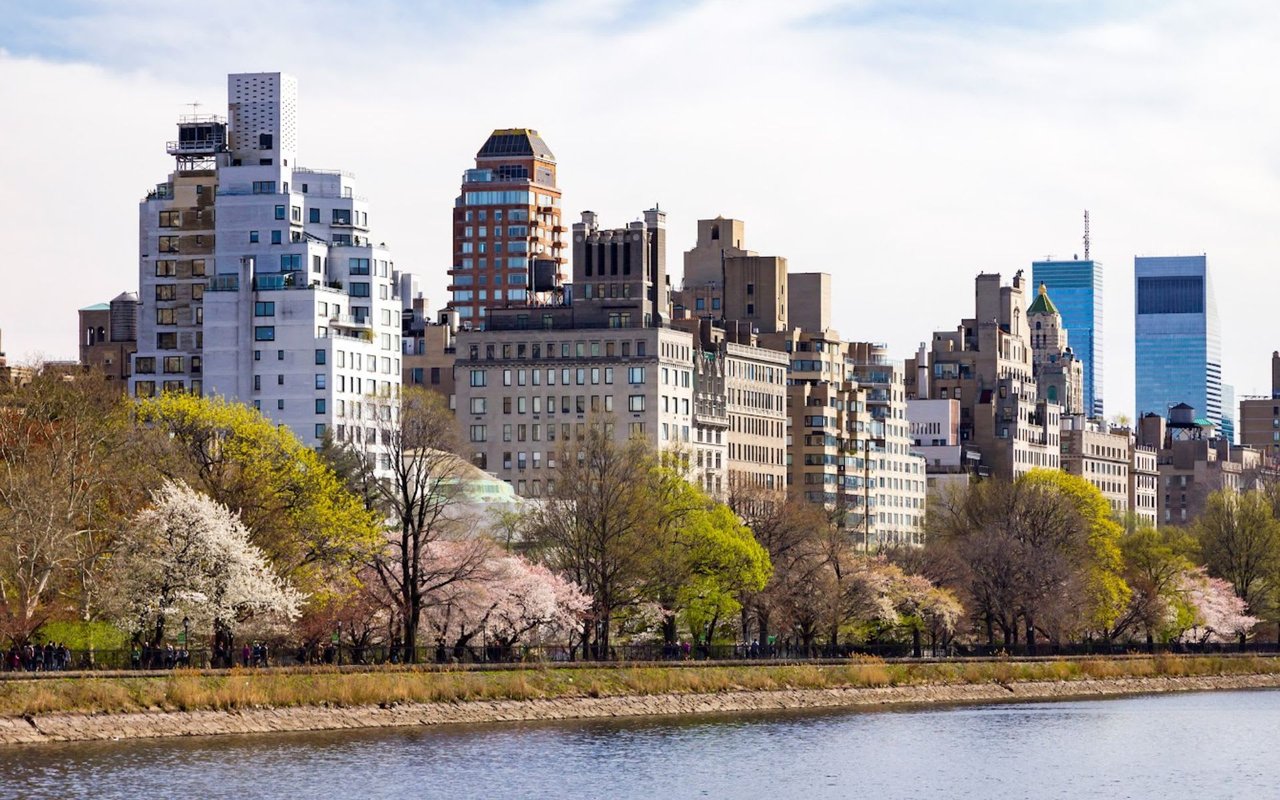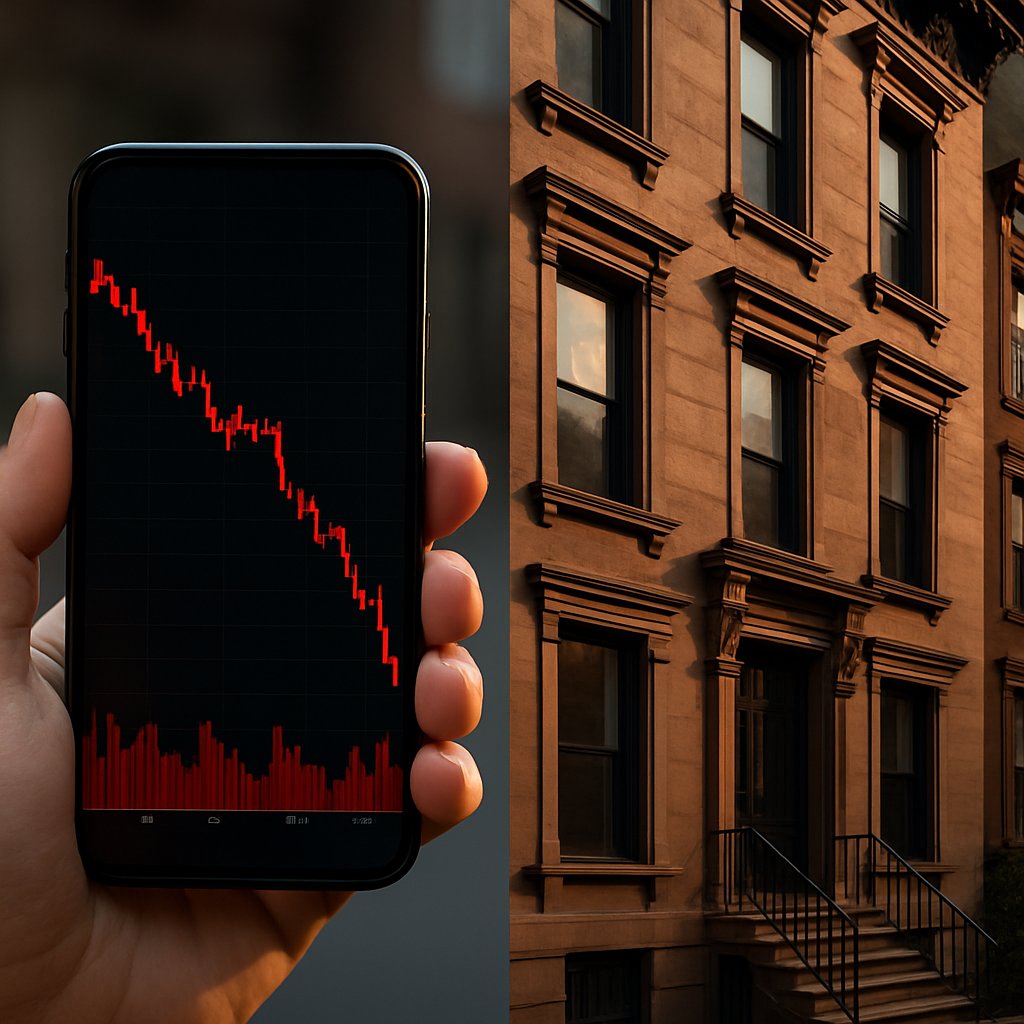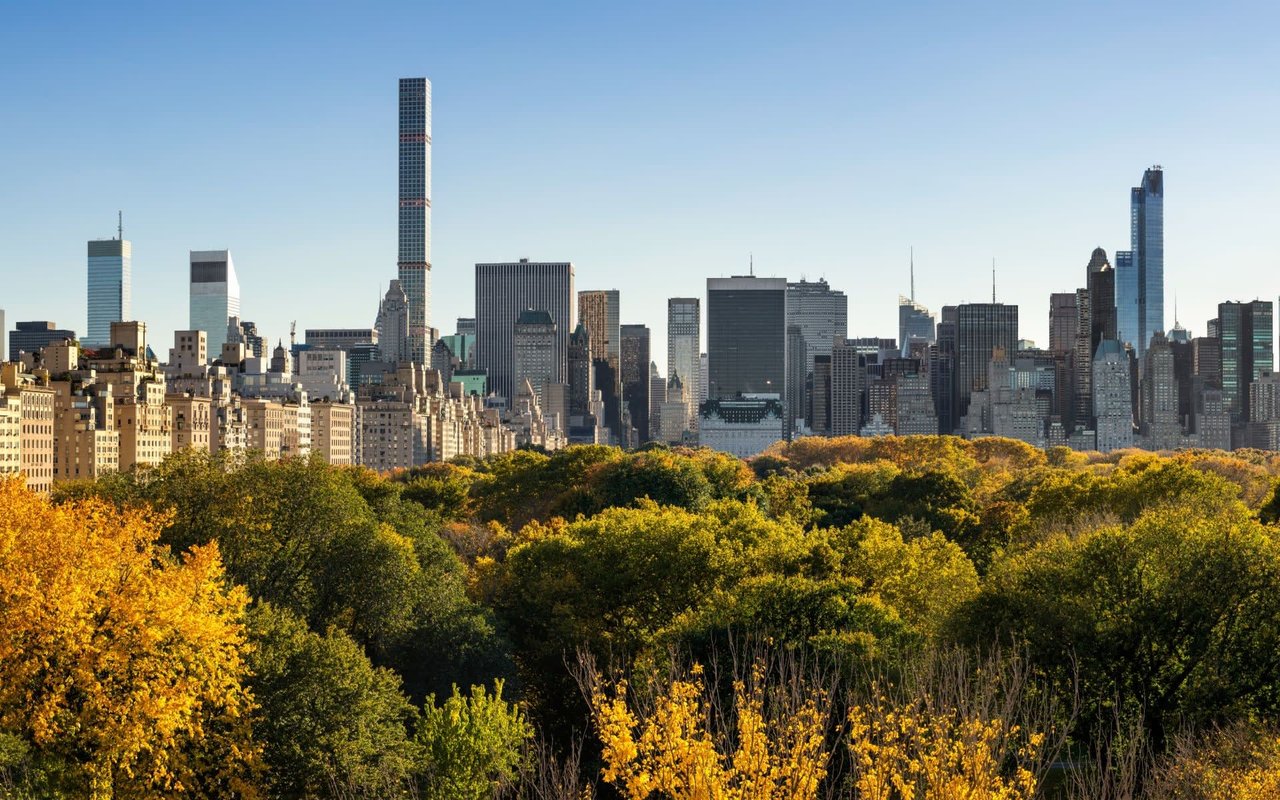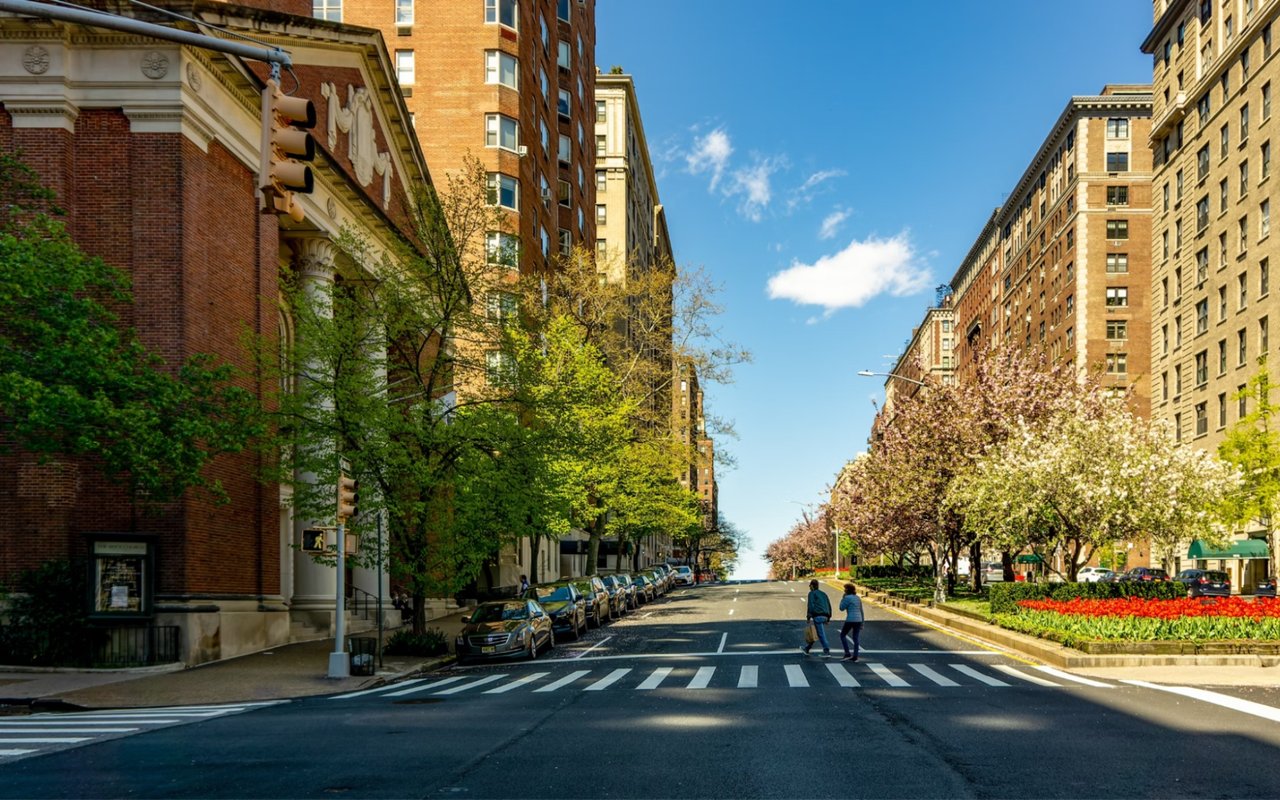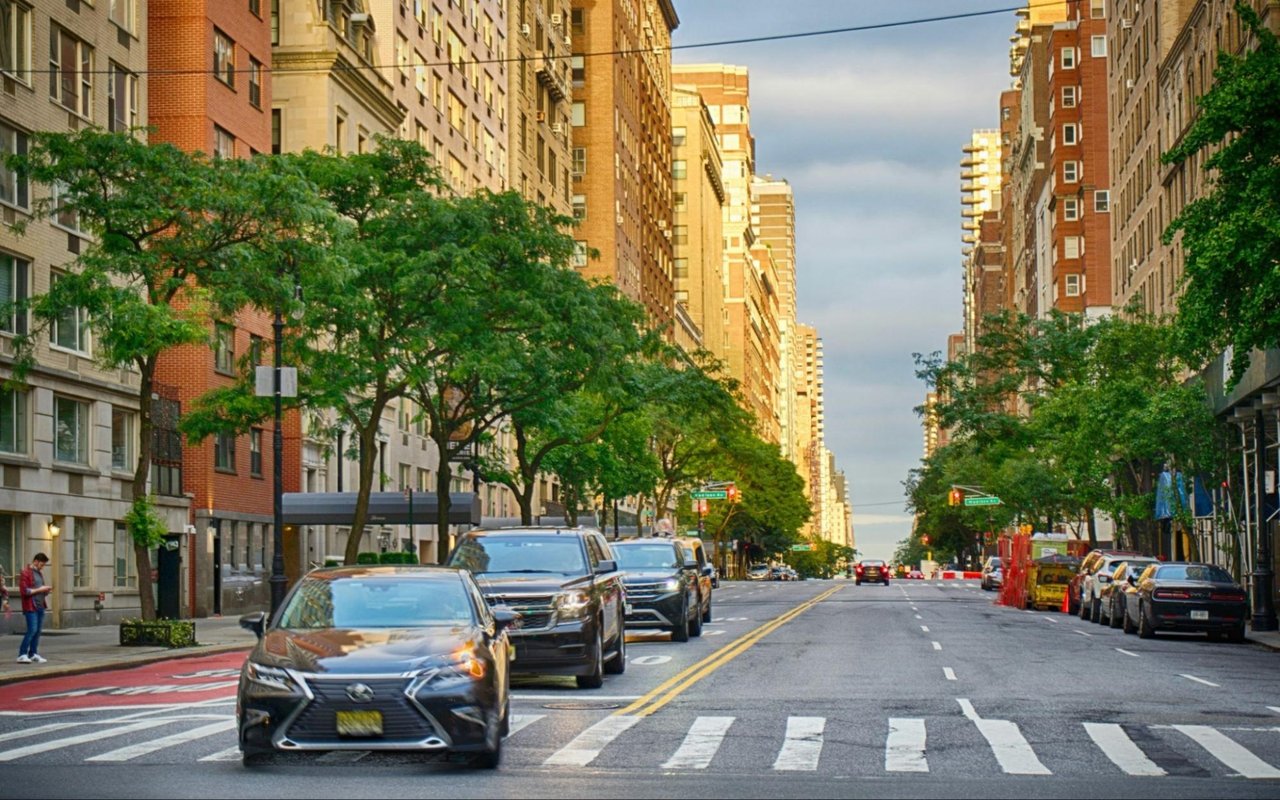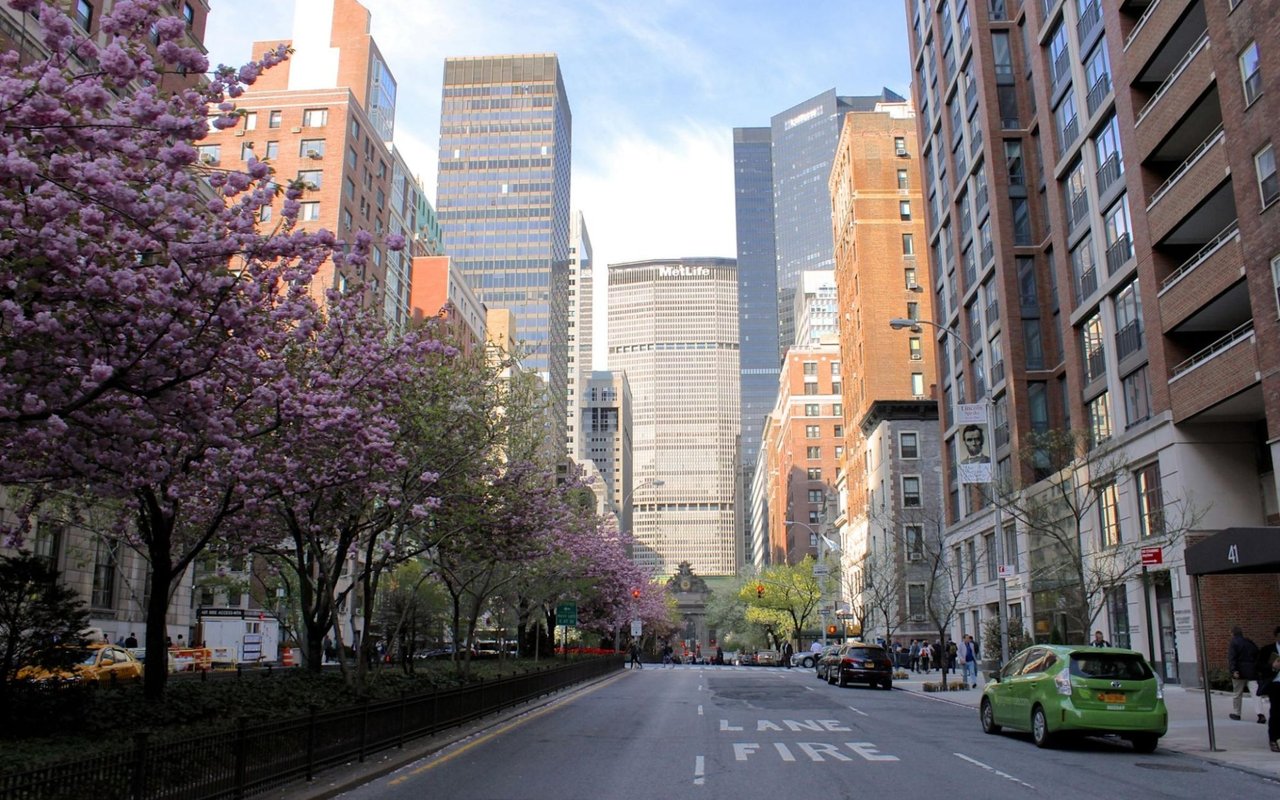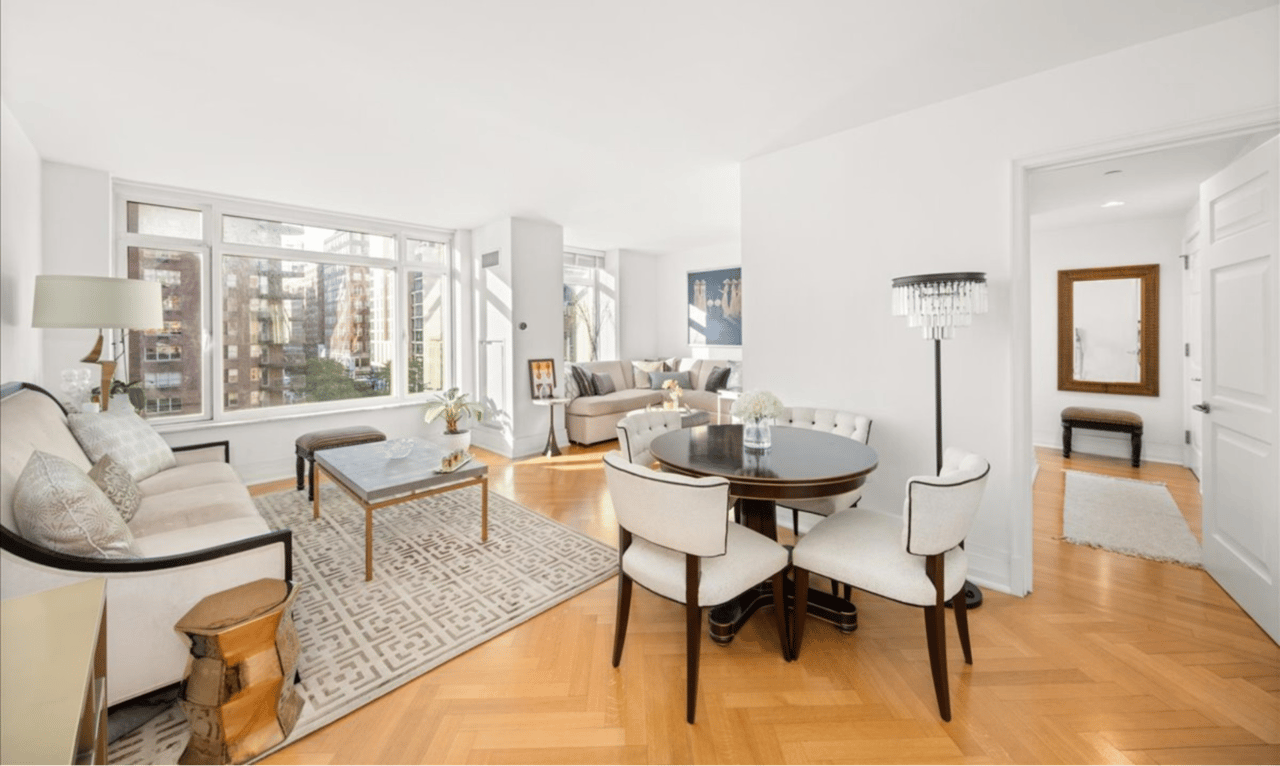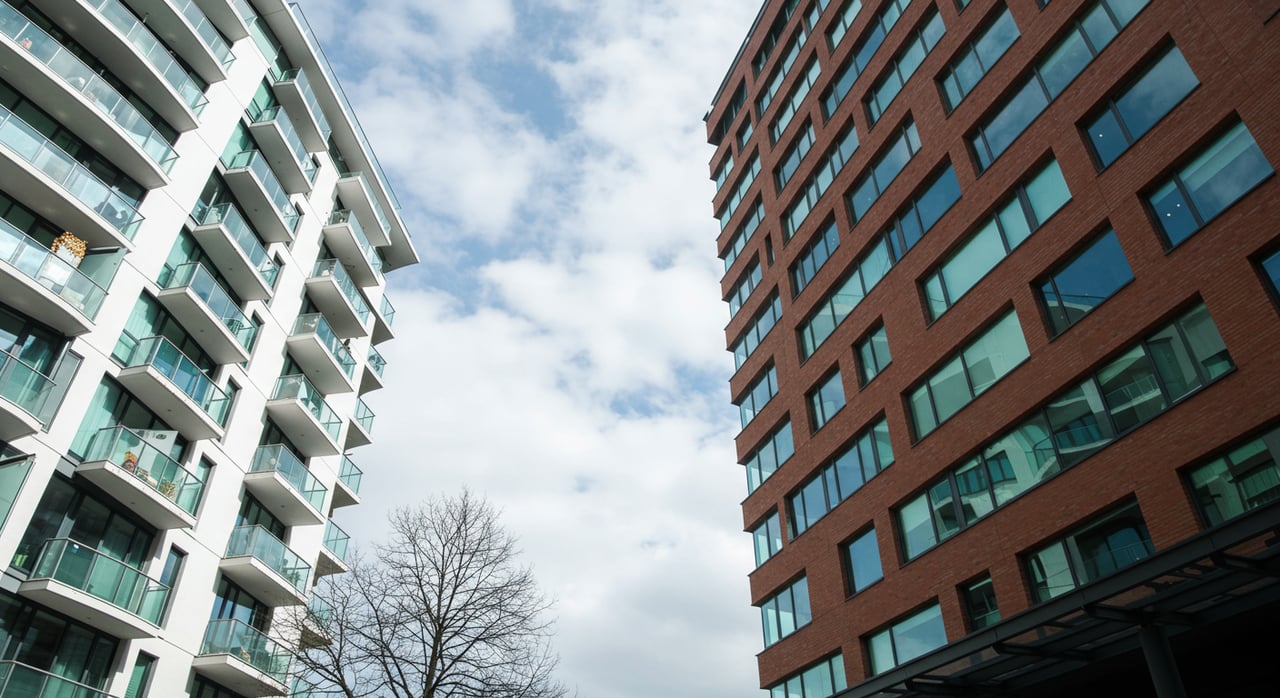
A one-bedroom at 1760 Second Avenue sat almost directly above the new Q train tunnel while it was under construction. By the time the line opened, its median sale price had dropped from $1 million to $952,500. Over the same stretch of years, the rest of Yorkville, the 28 blocks running from East 68th to East 96th Street between First and Third Avenues, saw sale values climb an average of 32 percent, according to a Crain's New York Business analysis of StreetEasy sales data.
Same subway. Same neighborhood. Opposite outcomes for the buyers holding the deed.
That gap matters again right now, because the Second Avenue Subway's second phase broke ground this year, and it is heading straight into the blocks that sit just north of the Upper East Side's current boundary. Anyone using "walk to the Q" as shorthand for future value on these blocks is repeating an assumption that already failed once.
A Corridor That Gained, and a Building That Didn't
The Crain's analysis wasn't the only study to look at this. A working paper circulated through the National Bureau of Economic Research and later published in the Journal of Urban Economics, titled "Take the Q Train: Value Capture of Public Infrastructure Projects," ran a formal comparison. The researchers treated the corridor between 59th and 100th Streets, First to Third Avenues, as the area affected by the new line, and used the rest of the Upper East Side, from Fifth Avenue to the East River across the same street range, as the control group.
The paper's conclusion lines up with Crain's reporting. The treated corridor gained value relative to the untreated rest of the neighborhood. But a corridor-level average is a statement about a strip of blocks, not a promise about any one building inside it. 1760 Second Avenue sat inside the treated area on every map the researchers or reporters drew. Its price still fell.
The Timing Advantage Nobody Marks on a Map
The academic paper points to a second mechanism that a simple distance-to-station model misses entirely. Tunnel excavation for Phase 1 began in May 2010, and blasting wrapped up in March 2013, close to four years before the line opened on January 1, 2017. The paper found that forward-looking buyers and developers who purchased during that construction window, tolerating years of noise and disruption, were positioned to capture more of the eventual value gain than anyone who waited for the ribbon cutting.
In other words, the reward went disproportionately to people who bought before the benefit was visible, not to people who bought once it was obvious. That is worth sitting with for anyone evaluating a purchase near the current construction zone today, since the same trade is on the table again.
Phase 2 Stopped Being a Someday Project in 2026
Governor Kathy Hochul and MTA Chair Janno Lieber held a ceremonial groundbreaking on June 8, 2026, marking the start of major construction on the roughly $7 billion, 1.5-mile extension of the Q line from its current terminus at 96th Street to a new terminus at 125th Street and Lexington Avenue. Two new stations, at 106th and 116th Streets, fill the gap in between, and the 125th Street stop will connect directly to the 4, 5, and 6 lines as well as Metro-North.
Work had already been underway since early 2026, with utility relocation, building demolition, and structural preparation happening along Second Avenue between 104th and 125th Streets. The project is being built in four sequential contracts, and where each one stands as of this year tells you how much runway is actually left:
- Contract 1, awarded January 2024 to C.A.C. Industries for $182 million, covers utility relocation and building remediation between 104th and 112th Streets.
- Contract 2, awarded August 2025 to Connect Plus Partners, a joint venture of Halmar International and FCC Construction, worth $1.972 billion, covers rehabilitation of tunnel segments originally dug in the 1970s and new boring from 114th to 125th Street and Lenox Avenue.
- Contract 3, awarded in April 2026 to a Skanska-Walsh-Traylor joint venture, covers the structural shell of the 106th Street station using cut-and-cover construction between 105th and 110th Streets, with substantial completion targeted for the third quarter of 2030.
- Contract 4, still in design and request-for-qualifications stage as of mid-2026, covers the systems, signals, power, and station finishes across all three stops, with a contractor expected to be selected by mid-2027.
Tunnel boring itself, using 750-ton machines with 22-foot diamond-studded drill heads, is scheduled to begin in 2027. Full completion of the tunnels is currently targeted for 2032.
Even a fully funded megaproject isn't immune to politics. In February 2026, the MTA said the federal government was sitting on roughly $58 million in reimbursements it was owed and threatened legal action to recover the money, according to Time Out New York's reporting on the dispute. Funding resumed by April, clearing the runway for the June groundbreaking. It's a reminder that a project can have its money, its contracts, and its governor standing at a podium, and still slip by months over a dispute that has nothing to do with soil conditions or tunnel boring machines.
The Terminus Problem at 96th Street
The MTA's own project materials name a benefit that has nothing to do with the three new East Harlem stations and everything to do with an existing one. Right now, 96th Street is the line's northern terminus, which means every rider coming from East Harlem funnels into that single station before heading downtown. The MTA states that once Phase 2 opens, that will change, with reduced crowding not just on the Lexington Avenue lines but at 96th Street itself and on the local bus routes that currently absorb the overflow.
That's a value driver distinct from simple proximity. A building at 96th Street doesn't need to get any closer to a subway entrance to benefit. It just needs the station at its doorstep to stop being the end of the line.
What This Means for a Purchase Today
The Phase 1 data offers a few concrete lessons for anyone weighing a purchase in Yorkville, upper Lenox Hill, or the blocks approaching the current construction zone.
Check what transit already served the block before crediting the Q for everything. Parts of Lenox Hill already had the Lexington Avenue line within an easy walk before 2017, so the marginal lift from the Q was smaller there than in blocks that had no nearby rapid transit at all. The equivalent question for Phase 2 is which blocks between 96th and 125th Street currently have no subway access, a stretch the MTA itself has described as a subway desert since the elevated line stopped running above 57th Street in 1940.
Pull the building's own sales history instead of trusting a corridor average. 1760 Second Avenue sat inside every treated zone a researcher or reporter drew, and its price still fell. A corridor-level statistic describes a strip of blocks. It does not describe your unit.
Plan for years of construction exposure before any commute or crowding benefit shows up. Contract 3's target of substantial completion for just the 106th Street shell is the third quarter of 2030, tunnel boring hasn't started yet, and the systems contract that actually gets trains running is still being designed. Anyone buying near active work zones between 104th and 125th Street should expect noise, dust, and truck traffic well before the first train passes through.
Weigh the same timing question the Phase 1 buyers faced. Some of the eventual 32 percent lift in Yorkville accrued to people who bought while the tunnel was still being blasted out between 2010 and 2013, years ahead of the opening. Whether that trade makes sense again depends on how long a buyer plans to hold and how much disruption they're willing to live with in the meantime.
A Few Direct Questions
When will the new stations actually open to passengers? There is no published passenger service date yet. Tunnel boring is set to begin in 2027, and the contract covering just the 106th Street station's structural shell targets substantial completion in the third quarter of 2030. The final systems and finishes contract, the one that gets trains actually running, was still in the design and contractor-selection phase as of mid-2026.
Does the co-op versus condo distinction change any of this? Neither the Crain's analysis nor the academic study broke out results by ownership structure. Both drew on general sale price data, so the corridor-level pattern applies across both, though building-specific factors, like the 1760 Second Avenue case, still override the average regardless of how a building is organized.
Is it better to wait until construction wraps up before buying near 106th or 116th Street? That depends on how long you plan to hold and your tolerance for years of construction noise. The Phase 1 data suggests a real share of the eventual value went to people who bought while the tunnel was still being dug, years before the 2017 opening, not to people who waited for the ribbon cutting.
If you're weighing a purchase in Yorkville, Lenox Hill, or the blocks approaching the current Second Avenue construction zone and want to look past the corridor average at what a specific building's own sales history actually shows, Kobi Lahav can walk through the numbers with you.